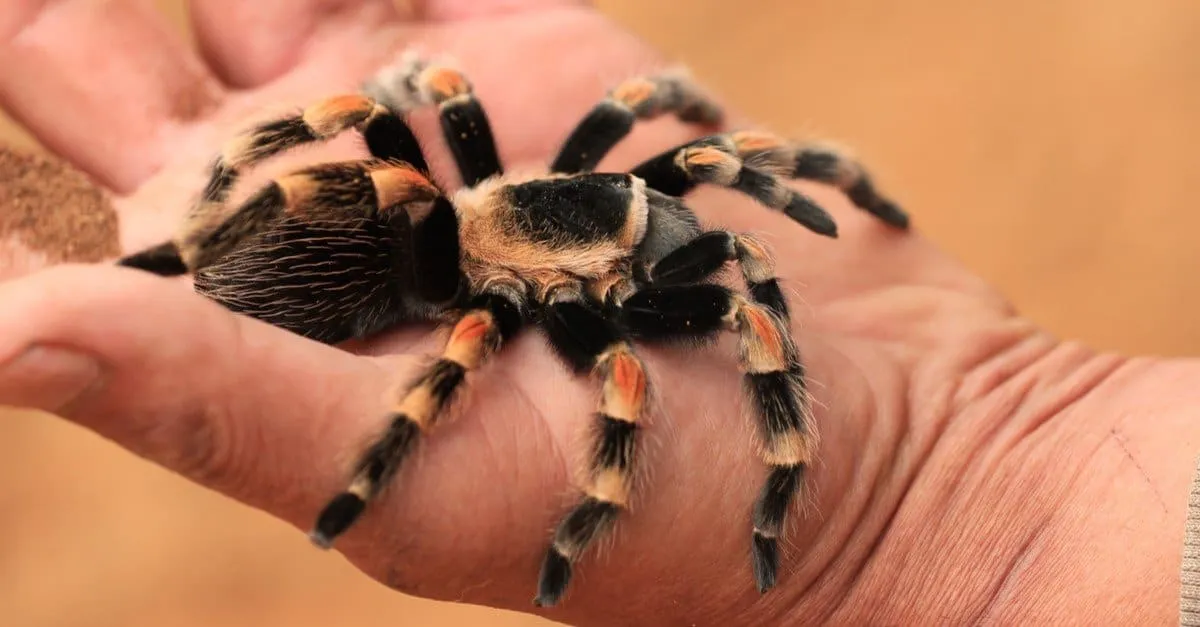
Red Knee Tarantula: Introduction
The Red Knee Tarantula (Brachypelma hamorii), is a captivating creature that has become increasingly popular among pet owners and arachnid enthusiasts. Known for its striking appearance and relatively docile temperament, this tarantula species offers a fascinating glimpse into the world of invertebrates. This article will delve into five key facts about the Red Knee Tarantula, providing valuable insights into its characteristics, care, and behavior. From its vibrant coloration to its unique feeding habits, we’ll explore the aspects that make this tarantula a captivating pet and a remarkable creature in the animal kingdom. Whether you’re a seasoned arachnid keeper or simply curious about these fascinating spiders, this guide will provide an engaging and informative overview.
Appearance and Characteristics of the Red Knee Tarantula
Distinctive Features

The Red Knee Tarantula earns its name from the vibrant red-orange markings on its leg joints, which sharply contrast with its black body and legs. This distinctive coloration is a primary identifying characteristic. The carapace, or the top of the cephalothorax, is typically a dark brown or black color, while the abdomen is covered in a dense layer of urticating hairs. These hairs serve as a defense mechanism. The spider’s chelicerae, the mouthparts that contain the fangs, are also dark, adding to the overall striking appearance. This combination of colors and features makes the Red Knee Tarantula one of the most visually appealing tarantula species.
Size and Lifespan
Red Knee Tarantulas are moderately sized tarantulas. Their leg span can reach up to 5-6 inches. The size varies depending on the individual and its sex, with females generally being larger than males. In terms of lifespan, these tarantulas are known for their longevity. Females can live for up to 20-30 years, making them a long-term commitment for pet owners. Males, however, have a significantly shorter lifespan, typically only living for around 5-10 years after reaching maturity. This difference in lifespan is an interesting aspect of their biology.
Habitat and Native Region
Natural Habitat

The Red Knee Tarantula is native to the arid scrublands and tropical deciduous forests of the Pacific coast of Mexico. In their natural habitat, these tarantulas are terrestrial, meaning they live primarily on the ground. They are burrowing spiders, spending a significant amount of time in underground burrows that they create for shelter and protection from the harsh environmental conditions. The burrows help to regulate their body temperature and provide a safe haven from predators. The habitat is characterized by dry, warm conditions, with temperatures that can fluctuate significantly between day and night.
Geographic Distribution
The primary geographic distribution of the Red Knee Tarantula is along the Pacific coast of Mexico. Specifically, they are found in states such as Colima, Jalisco, and Michoacán. Due to habitat loss and other environmental factors, their natural range has become somewhat restricted. The tarantulas are highly adapted to the specific climate and environmental conditions of these regions. These factors underline the importance of conservation efforts to protect their native habitat and ensure the survival of these beautiful creatures. The wild population faces threats from habitat destruction and the pet trade.
Diet and Feeding Habits
What They Eat

Red Knee Tarantulas are primarily insectivores, meaning their diet consists mainly of insects. In the wild, their diet would include a variety of insects such as crickets, grasshoppers, and other invertebrates they can catch. As pets, they are typically fed commercially bred insects like crickets, mealworms, and roaches. The size of the prey offered should be appropriate for the size of the tarantula. Young tarantulas eat smaller insects, while adults can consume larger prey items. A balanced diet is crucial for the tarantula’s overall health and well-being, promoting proper growth and development.
Feeding Frequency
The feeding frequency for Red Knee Tarantulas varies depending on their age and size. Spiderlings (young tarantulas) should be fed more frequently, usually every 2-3 days, to support their rapid growth. As they mature, the feeding frequency can be reduced. Adult Red Knee Tarantulas typically need to be fed once a week, or sometimes even less frequently. It’s essential to observe your tarantula’s behavior and appetite to determine the optimal feeding schedule. Overfeeding can lead to health problems. A general rule is to remove any uneaten prey within 24 hours to maintain a clean and healthy environment.
Behavior and Temperament
Handling and Interaction

Red Knee Tarantulas are generally considered to be a docile species, making them relatively easy to handle. However, it’s crucial to handle them with care and respect. While they are not typically aggressive, they can be skittish and may flick urticating hairs as a defense mechanism if they feel threatened. It’s best to avoid handling them unless necessary. If handling is required, it should be done slowly and gently, avoiding any sudden movements. Always wash your hands thoroughly before and after handling to prevent the transfer of any substances.
Defensive Mechanisms
When threatened, the Red Knee Tarantula employs several defensive mechanisms. One of the most common is the flicking of urticating hairs. These hairs are barbed and can cause skin irritation if they come into contact. Another defense mechanism is the spider’s ability to quickly retreat into its burrow or hide. They also might raise their front legs and expose their fangs as a warning signal. While they are not highly venomous, they are capable of biting if they feel directly threatened. Understanding these defense mechanisms is essential for safely interacting with these creatures.
Conclusion
The Red Knee Tarantula is a captivating species. With their striking appearance, relatively docile temperament, and intriguing behaviors, they continue to fascinate both pet owners and arachnid enthusiasts. Understanding their unique characteristics, from their vibrant coloration to their feeding habits and defensive mechanisms, is key to appreciating these wonderful creatures. They bring a touch of the exotic into our homes. With responsible care and a respect for their needs, owning a Red Knee Tarantula can be a rewarding experience, providing a unique window into the wonders of the natural world.