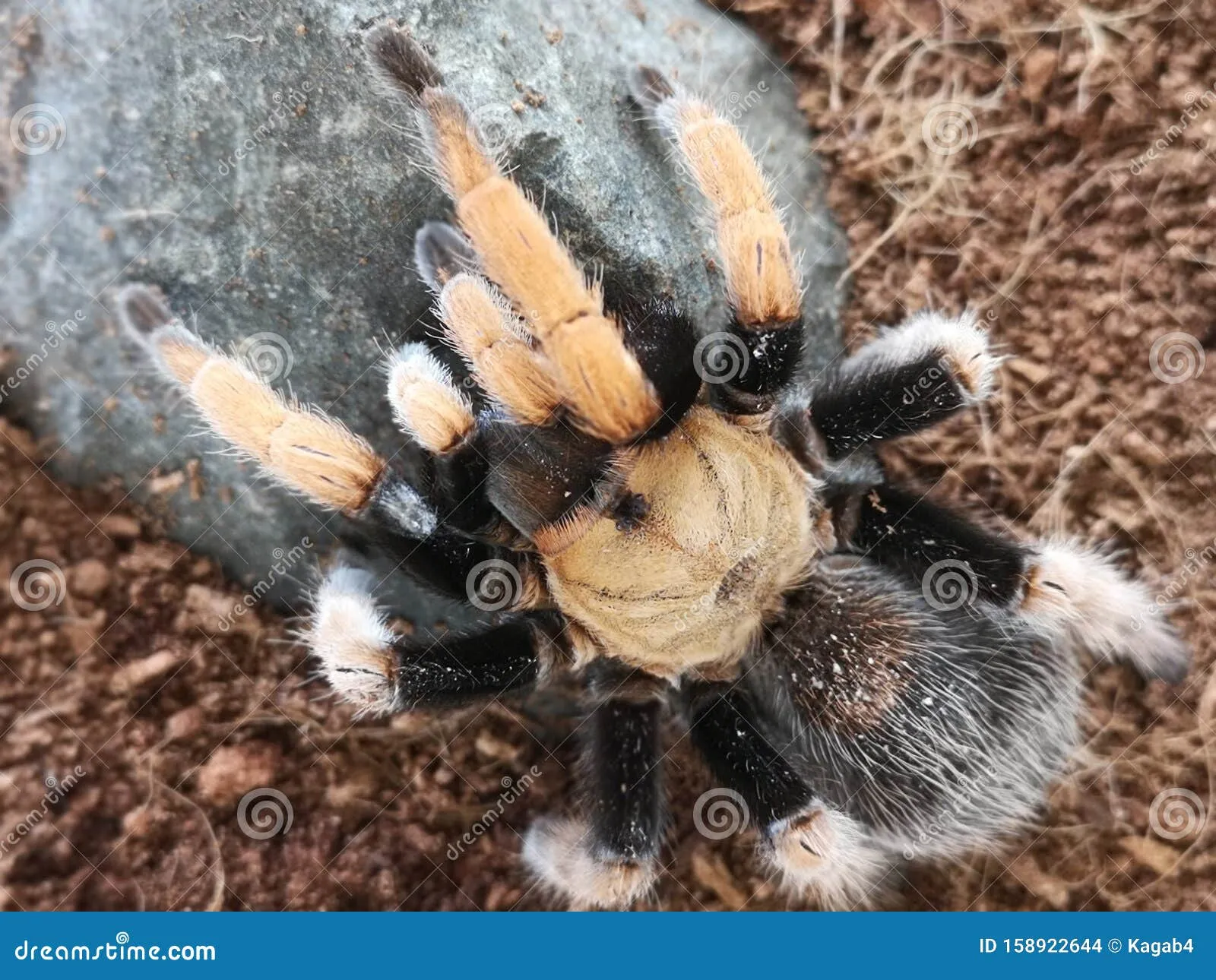
Understanding the Mexican Blood Leg Tarantula Price
The Mexican Blood Leg Tarantula (Brachypelma emilia) is a captivating species in the pet trade, admired for its striking appearance and relatively docile temperament. Prospective owners often wonder about the price associated with acquiring one of these arachnids. Understanding the factors that influence the Mexican Blood Leg Tarantula price is crucial for responsible pet ownership. Several variables come into play, from the tarantula’s age and size to its origin and the breeder’s reputation. This guide aims to provide an insightful overview of the costs involved, helping you make an informed decision before welcoming a Mexican Blood Leg Tarantula into your home. It is important to note that prices can fluctuate depending on the market, availability, and demand.
Factors Influencing Tarantula Price
The price of a Mexican Blood Leg Tarantula isn’t a fixed number; rather, it’s a dynamic value influenced by several key factors. These factors determine the overall cost and what you should reasonably expect to pay when you’re considering purchasing one of these spiders. Understanding these influences will help you gauge whether the price offered aligns with the tarantula’s characteristics and the market conditions. These considerations are essential for making a smart and informed purchase decision.
Size and Age

One of the primary determinants of the Mexican Blood Leg Tarantula price is its size and age. Younger tarantulas, often referred to as spiderlings, are typically less expensive than older, more mature specimens. Spiderlings are smaller and require less food but are also more delicate and require more specific care. As they grow, their value tends to increase due to their increased size, the greater ease of sexing, and their overall resilience. Adult tarantulas, which are fully grown and capable of reproduction, are generally the most expensive. The price reflects the time and resources invested in raising the tarantula to maturity. Buying a juvenile tarantula might be initially cheaper, however, it would need more time to grow, as well as more specific care than an adult one. Consider these factors when planning to purchase a Mexican Blood Leg Tarantula.
Origin and Breeding
The origin of the tarantula and the breeding practices employed can also influence its price. Tarantulas sourced from reputable breeders who prioritize the health and well-being of their spiders often command higher prices. These breeders typically invest in providing optimal living conditions, proper nutrition, and regular health checks. Captive-bred tarantulas, especially those from well-documented bloodlines, may be more expensive than those caught in the wild due to the reduced risk of parasites or disease. Knowing the origin ensures you’re acquiring a healthy specimen and supporting ethical breeding practices. Always check the breeder’s credibility and history. This will ensure the best quality for your Mexican Blood Leg Tarantula.
Morph and Color Variations
Certain color morphs and variations within the Mexican Blood Leg Tarantula species can also affect its price. While the classic coloration of this species is highly sought after, tarantulas with unique color patterns or those that exhibit rare genetic traits may be priced higher. These variations often appeal to collectors and enthusiasts who are looking for distinctive specimens to add to their collections. The demand for certain morphs can be higher than for others, thereby influencing the price. If you’re seeking a specific coloration or pattern, expect to pay a premium, especially for less common traits. Remember that these color variations are the result of specific genetic makeup and are highly prized within the tarantula-keeping community.
Health and Temperament

A tarantula’s health and temperament are crucial factors in determining its price. A healthy tarantula, free from any visible signs of illness or injury, is typically more valuable. Signs of a healthy tarantula include a good appetite, an active demeanor, and a well-formed body. Temperament also plays a role; tarantulas known for being docile and less defensive may be priced higher because they are easier to handle and care for. When purchasing a Mexican Blood Leg Tarantula, it’s essential to observe its behavior and physical condition to ensure it is in good health. A reputable breeder will be transparent about the tarantula’s health and history, providing valuable information to potential buyers. The tarantula’s behavior also affects the price, but the condition should always come first.
Where to Buy a Mexican Blood Leg Tarantula
The location where you purchase your Mexican Blood Leg Tarantula can significantly impact the price and the overall experience. Several avenues are available, each with its own advantages and disadvantages. Understanding the different options available will help you make a well-informed decision and ensure you acquire a healthy, well-cared-for tarantula. It’s essential to consider the credibility of the seller and the conditions in which the tarantulas are kept. Always prioritize the health and welfare of the tarantula above all else when making your purchase.
Reputable Breeders
Purchasing from a reputable breeder is often the best option for acquiring a healthy Mexican Blood Leg Tarantula. Reputable breeders specialize in raising tarantulas and typically have extensive knowledge of the species. They can provide valuable information about the tarantula’s lineage, health, and temperament. Breeders often prioritize the health and well-being of their spiders, providing optimal care and living conditions. While the price might be slightly higher compared to other sources, the assurance of a healthy tarantula and the expertise of the breeder make it a worthwhile investment. Look for breeders with positive reviews, transparent practices, and a genuine passion for tarantulas. Breeders are also a reliable source of information about the species. Buying from a breeder assures better quality.
Local Pet Stores

Local pet stores may carry Mexican Blood Leg Tarantulas, providing a convenient option for potential buyers. However, the quality of tarantulas and the level of care can vary significantly between stores. Before purchasing from a pet store, carefully assess the tarantula’s condition and the cleanliness of its enclosure. Inquire about the tarantula’s origin and the store’s knowledge of tarantula care. Prices at pet stores can vary, so it is essential to compare prices and consider the overall value. Ensure the store has a good reputation and provides adequate care for their animals. Pet stores can be a viable option, but do your research and examine the conditions before making a purchase.
Online Retailers
Online retailers offer a wide selection of Mexican Blood Leg Tarantulas, often at competitive prices. However, purchasing a tarantula online requires careful consideration. Research the retailer’s reputation and read reviews from other buyers to ensure they are reliable. Verify that the retailer has a good track record of safely shipping live animals. Inquire about the tarantula’s health and the retailer’s guarantee. While online retailers can offer convenience and a wider selection, always prioritize the tarantula’s well-being and the credibility of the seller. Ensure the retailer is experienced in shipping live animals.
Average Price Range for Mexican Blood Leg Tarantulas
The average price range for a Mexican Blood Leg Tarantula can vary significantly based on the factors mentioned above. Spiderlings, being the youngest, typically range from $20 to $50, depending on the breeder, and any morph variations. Juvenile tarantulas usually fall in the $50 to $100 range, while adult specimens, particularly those with desirable traits or from reputable breeders, can cost upwards of $100 to $200 or even more. It is essential to understand that these are general estimates, and prices can fluctuate. Researching different sources and comparing prices is a good practice to ensure you are getting a fair deal. Be sure to balance price with the tarantula’s health and the breeder’s reputation. This will guarantee a good purchase for the price.
Adult vs. Juvenile Tarantulas

As previously mentioned, the price can differ between adult and juvenile Mexican Blood Leg Tarantulas. Juvenile tarantulas are usually less expensive than adults. They are still growing and may not have reached their full potential size or developed their full coloration. While they are less expensive, they require more specialized care and a more humid environment. Adult tarantulas, being fully grown, are more costly. They often have better-developed colors and are easier to sex. They are also less vulnerable. Choosing between a juvenile and an adult tarantula depends on your experience, preferences, and the level of care you can provide. Beginners are often recommended to go for adults because of the simpler care requirements. When choosing between an adult and a juvenile tarantula, consider your experience and preferences.
Rare vs. Common Morphs
The price of a Mexican Blood Leg Tarantula may also vary depending on its morph. Common morphs, which exhibit typical coloration patterns, are usually more affordable. Rare morphs, which display unique or unusual colorations, are generally priced higher. The rarity of the morph, along with its visual appeal, determines the premium price. Collectors and enthusiasts are often willing to pay a premium for rare morphs to add to their collections. Before purchasing, it’s crucial to understand the morph’s rarity and what contributes to its unique appearance. When choosing a morph, also consider how it impacts the care requirements. Consider the morph if you are looking for a rare and interesting specimen.
Additional Costs to Consider
In addition to the initial price of the tarantula, there are several additional costs that you must consider when becoming a Mexican Blood Leg Tarantula owner. These recurring expenses are crucial for ensuring the tarantula’s well-being and providing it with a comfortable and healthy living environment. It is essential to factor these costs into your budget to ensure that you can provide proper care for your pet. Consider this carefully, especially if you are a beginner.
Enclosure and Setup

Setting up a proper enclosure is essential for the health and safety of your Mexican Blood Leg Tarantula. This involves the cost of the enclosure itself, which should be appropriately sized for the tarantula’s size. You’ll need to factor in the cost of substrate, such as coconut fiber or peat moss, which is used to line the bottom of the enclosure. Other essential items include a water dish for hydration, a hide or shelter where the tarantula can feel secure, and decorations to create a natural environment. The overall cost of the enclosure and setup can vary depending on the size and complexity of the setup, but it is an important investment. Provide enough space for the tarantula to roam and a comfortable environment.
Food and Supplies
Mexican Blood Leg Tarantulas require a consistent supply of food. Crickets, roaches, and other insects are the primary food sources for these tarantulas. You’ll need to factor in the cost of purchasing these insects regularly. Consider the cost of any supplements, such as calcium or vitamin powders, which can be used to dust the insects before feeding. Proper feeding is essential to maintain the tarantula’s health and promote growth. A consistent supply of food is essential. Consider the cost of food when planning to purchase a Mexican Blood Leg Tarantula. These tarantulas have a big appetite and require proper nutrition.
Veterinary Care
While Mexican Blood Leg Tarantulas are generally hardy, it’s essential to consider the potential cost of veterinary care. Although they are not prone to many diseases, unforeseen health issues may require a visit to a veterinarian specializing in exotic animals. Researching and finding a vet experienced in treating tarantulas is advisable. The cost of veterinary care can vary depending on the specific treatment needed and the vet’s fees. Preparing for potential veterinary expenses is a responsible aspect of tarantula ownership. Having a vet ready beforehand is a great plus for the Mexican Blood Leg Tarantula.