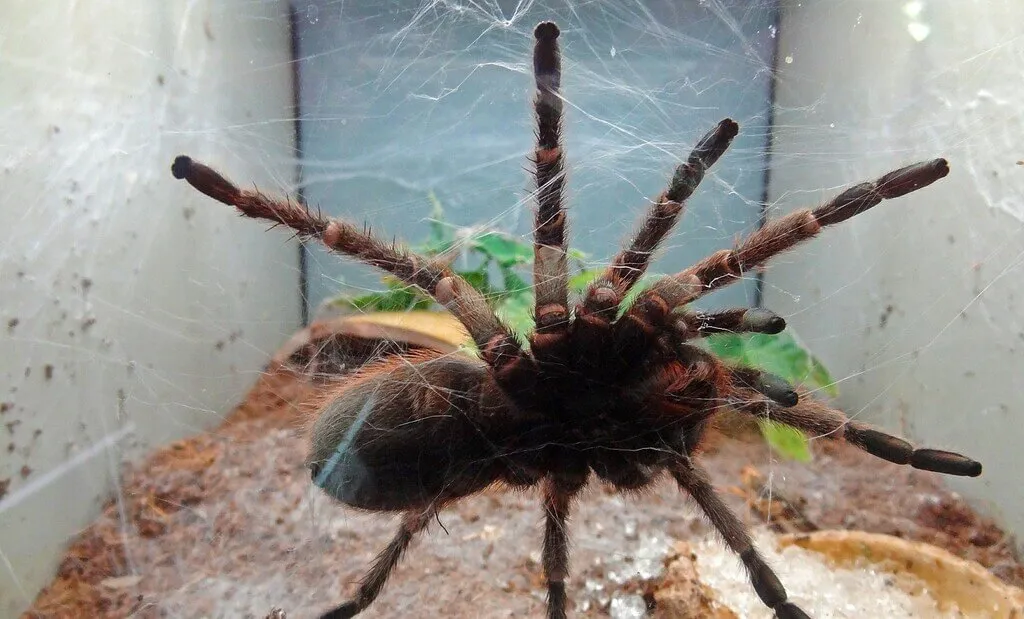
Choosing the Right Enclosure
Creating the perfect pink toe tarantula environment is crucial for their health and happiness. A well-designed habitat mimics their natural arboreal lifestyle, allowing them to thrive in captivity. This guide provides five essential tips to help you set up and maintain an ideal enclosure for your pink toe tarantula, ensuring it lives a long and fulfilling life. From selecting the right size to maintaining proper humidity levels, we’ll cover everything you need to know to provide the best possible care for your fascinating pet. Remember, a healthy tarantula is a happy tarantula, and the right environment is the foundation for their well-being.
Size Matters
The size of the enclosure is one of the most critical factors in creating a suitable pink toe tarantula environment. A general rule is to provide an enclosure that is at least three times the tarantula’s leg span in width and height. Since pink toes are arboreal, height is especially important. A tall enclosure allows them to climb and explore, which is essential for their well-being. Avoid enclosures that are too large, as this can make it difficult for the tarantula to find food and feel secure. A secure, appropriately sized enclosure will minimize stress and provide your tarantula with a comfortable living space.
Ventilation is Key

Proper ventilation is paramount in the pink toe tarantula environment to prevent mold and mildew growth, which can be harmful to your pet. The enclosure should have cross-ventilation, meaning air can flow in one side and out the other. This can be achieved through a screen top or strategically placed ventilation holes. Ensure the ventilation is sufficient to prevent excessive humidity build-up, but not so strong that it dries out the enclosure completely. Monitor the enclosure’s humidity levels regularly and adjust ventilation as needed to maintain the optimal environment for your pink toe tarantula. A healthy environment is one that promotes air circulation.
Substrate Selection
Choosing the right substrate is essential for the pink toe tarantula environment as it helps regulate humidity and provides a comfortable surface for your tarantula to live on. The substrate should be able to hold moisture without becoming overly saturated, creating a healthy and stable environment. Several options are available, but the key is to choose materials that are safe, non-toxic, and mimic the tarantula’s natural habitat. Proper substrate selection not only supports the tarantula’s physical needs but also contributes to its psychological well-being by providing a sense of security.
What Substrate to Use
For pink toe tarantulas, a substrate that retains some moisture but also allows for good air circulation is ideal. A mixture of peat moss, vermiculite, and coco fiber works exceptionally well. These materials hold moisture effectively, which is crucial for maintaining the necessary humidity levels. Avoid using substrates that are too dusty or that can harbor mites. Always ensure the substrate is clean and free from any chemicals or pesticides that could harm your tarantula. By choosing the right substrate, you create a healthy and naturalistic environment, supporting your pet’s overall health.
How Deep Should the Substrate Be

The depth of the substrate in your pink toe tarantula environment should be sufficient to maintain humidity and provide a suitable base for the enclosure. A depth of about 2-3 inches is generally recommended. This allows the substrate to hold the necessary moisture, which contributes to maintaining the proper humidity levels within the enclosure. While pink toe tarantulas are arboreal and don’t burrow, the substrate still plays a vital role in regulating the environment and providing a sense of security. Regular monitoring of the substrate’s moisture content is necessary to ensure it remains appropriately damp and supportive of your tarantula’s needs. It is better for it to be a little more wet than too dry.
Humidity and Temperature
Maintaining the correct humidity and temperature levels is crucial for the pink toe tarantula environment to ensure their health and well-being. These factors directly impact their ability to molt, eat, and remain active. Consistent monitoring and adjustment of these environmental conditions are essential to prevent health issues. The ideal environment mirrors their natural habitat, providing the right conditions for your tarantula to thrive. Ensuring proper humidity and temperature is a core aspect of responsible tarantula ownership, helping to provide a long and healthy life.
Maintaining Humidity Levels
Pink toe tarantulas require a moderate humidity level, typically around 70-80%. You can achieve this by misting the enclosure regularly, about once or twice a week, depending on the ventilation and substrate type. Avoid over-misting, which can lead to mold and mildew growth, potentially harming your tarantula. Use a hygrometer to monitor the humidity levels accurately. If the humidity is too low, you may need to mist more frequently or add more moisture-retaining elements to the enclosure. Consistent monitoring ensures that you provide the optimal environment for your pink toe tarantula.
Ideal Temperature Range

The ideal temperature range for a pink toe tarantula environment is between 75-85°F (24-29°C). Maintaining a stable temperature is important for their metabolism and overall health. You can use a thermometer to monitor the temperature within the enclosure. Avoid placing the enclosure in direct sunlight or near a heat source, which can cause the temperature to fluctuate. If the temperature drops, you can use a low-wattage heat lamp or a heating pad placed on the side of the enclosure, not underneath. Remember that consistent temperatures are vital for the tarantula’s well-being.
Decorating the Habitat
Decorating the pink toe tarantula environment not only enhances its aesthetic appeal but also provides essential enrichment for your pet. It’s important to mimic their natural habitat by including elements that provide security, climbing opportunities, and a sense of privacy. Careful consideration of the décor will help your tarantula feel safe and secure, which is crucial for its overall well-being. Thoughtful decoration allows the tarantula to exhibit natural behaviors, improving its quality of life.
Providing Hiding Spots
Pink toe tarantulas, being arboreal, appreciate hiding spots where they can retreat and feel safe. Cork bark or a piece of artificial wood can provide excellent hiding places. Position these elements strategically to allow your tarantula to feel secure. Ensure the hiding spot is large enough for the tarantula to comfortably hide inside, but not so big that it reduces the overall space in the enclosure. Proper hiding spots reduce stress and allow your tarantula to feel protected within its environment, contributing to a more relaxed and healthy existence. Always choose non-toxic materials for the safety of your pet.
Adding Climbing Branches

Since pink toe tarantulas are arboreal, adding climbing branches is essential in their environment. Branches provide opportunities for climbing and exploring, which are natural behaviors for these tarantulas. Choose branches that are sturdy, non-toxic, and appropriately sized for the enclosure. Ensure the branches are securely placed to prevent them from falling and potentially harming your tarantula. This enrichment helps in exercising their legs and improving their quality of life in captivity. Carefully selected and positioned climbing branches are key to replicating a natural environment.
Water and Feeding
Providing proper water and a suitable feeding schedule are vital for the health of your pink toe tarantula. Fresh water and a balanced diet ensure your pet receives all the nutrients it needs to thrive. Careful attention to these two aspects of care is fundamental for the well-being of your tarantula, contributing to its overall health and longevity. Regular monitoring and adjustment of feeding practices support a healthy and happy tarantula.
Water Source
A constant supply of fresh water is essential for a pink toe tarantula. You can provide water in a shallow dish or bottle cap, ensuring it’s easily accessible. Change the water regularly to prevent the growth of bacteria. In addition to the water dish, you can also mist the enclosure to provide droplets for your tarantula to drink from. Always use dechlorinated water to avoid exposing your pet to harmful chemicals. A clean and accessible water source is crucial for keeping your tarantula hydrated and healthy.
Feeding Schedule

The feeding schedule for a pink toe tarantula varies based on its age and size. Generally, juveniles should be fed 2-3 times a week, while adults can be fed once a week or every other week. The food should consist primarily of insects like crickets, roaches, or mealworms. Ensure the insects are appropriately sized and free from pesticides. Remove any uneaten food within 24 hours to prevent mold and maintain a clean environment. Regularly observe your tarantula to ensure it is eating well and adjust the feeding schedule as needed. A well-nourished tarantula is a happy and healthy tarantula.
In conclusion, establishing the perfect pink toe tarantula environment involves careful attention to enclosure size, substrate, humidity, temperature, decor, and feeding. By following these five key tips, you can create a comfortable, safe, and enriching habitat for your pet tarantula. Remember that consistent monitoring and adjustments are essential to maintaining the optimal environment. Providing the right care will ensure your pink toe tarantula thrives and enjoys a long, healthy life. Your dedication will be rewarded with the fascinating presence of a thriving and happy pet.