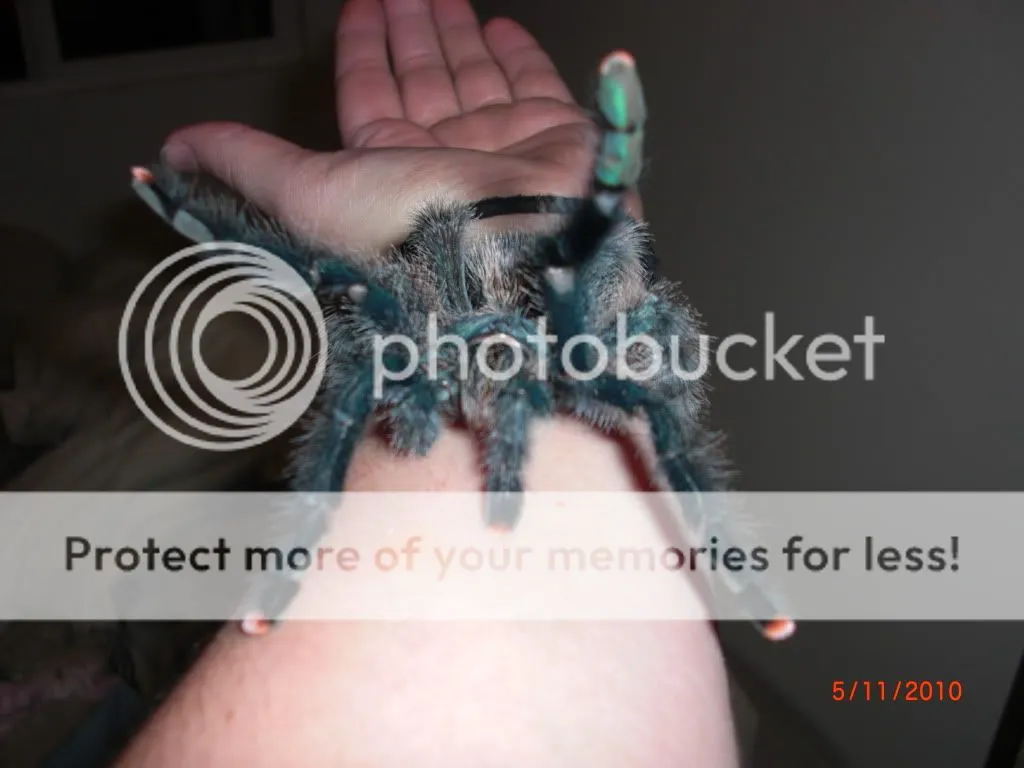
Pink Toe Tarantula Death Why Did It Happen
Discovering your beloved pink toe tarantula has passed away can be a heartbreaking experience. These captivating creatures, with their delicate pink toe pads and arboreal lifestyle, bring a unique joy to many hobbyists. Unfortunately, as with any pet, there are various reasons why a pink toe tarantula might die. Understanding these causes is crucial not only for mourning your loss but also for learning how to prevent such tragedies in the future. This article delves into the most common factors contributing to pink toe tarantula mortality, offering insights and solutions to help you ensure your future tarantulas thrive. From environmental conditions to health issues, we will explore the key aspects of pink toe tarantula care to help you understand the potential pitfalls and how to avoid them.
Improper Husbandry Environmental Factors
One of the leading causes of death in pink toe tarantulas is improper husbandry, particularly concerning the environmental conditions within their enclosure. These tarantulas are highly sensitive to their surroundings, and even slight deviations from their ideal habitat can lead to stress, illness, and ultimately, death. Maintaining the correct temperature, humidity, and ventilation is crucial for their well-being. Neglecting these aspects can create a hostile environment, making your tarantula vulnerable to various health problems. It’s important to remember that pink toe tarantulas originate from tropical environments, and their needs reflect this origin. Replicating these conditions is the first step to ensure their survival.
Temperature and Humidity Guidelines

Pink toe tarantulas thrive in a specific range of temperature and humidity. The ideal temperature range is typically between 75-80°F (24-27°C). Maintaining this temperature is vital for their metabolism and overall health. Ensure the enclosure is kept at a consistent temperature, avoiding drastic fluctuations. High humidity is also essential; aim for a humidity level of 70-80%. This can be achieved by misting the enclosure with dechlorinated water a few times a week, or as needed, and ensuring proper ventilation to prevent mold growth. Use a hygrometer to monitor humidity levels accurately. Failure to maintain the correct temperature and humidity can lead to dehydration, respiratory problems, and weakened immune systems, making the tarantula susceptible to infections and other diseases.
Ventilation Importance
Proper ventilation is just as critical as temperature and humidity. Stagnant air can lead to the buildup of harmful bacteria and mold, creating an unhealthy environment. The enclosure should have adequate ventilation to allow for airflow, which helps regulate humidity and prevents the growth of mold. This can be achieved by providing cross-ventilation, such as holes or mesh on opposite sides of the enclosure. Avoid enclosures that trap moisture, such as those with completely sealed lids, which can lead to a build-up of condensation and create a breeding ground for harmful pathogens. Regularly inspect the enclosure for any signs of mold or excessive condensation, and adjust ventilation as needed to maintain a healthy environment for your pink toe tarantula. This is important for Pink Toe Tarantula Health
Substrate & Enclosure Selection
The choice of substrate and enclosure is also vital for the health of your pink toe tarantula. The enclosure should be appropriately sized, providing enough space for your tarantula to move and feel secure. A taller enclosure is preferable, as pink toes are arboreal and prefer to climb. The substrate should retain moisture and provide a comfortable environment. Good options include coconut fiber, peat moss, or a mixture of both. Avoid substrates that can harbor mold or retain excessive moisture if not properly maintained. The substrate should be deep enough for the tarantula to burrow if it chooses to, and it should be replaced periodically to maintain hygiene and prevent the build-up of waste products. Proper enclosure setup is the first step to tarantula care.
Dehydration and Lack of Water

Dehydration is a common cause of death in pink toe tarantulas. These creatures require a constant supply of fresh water to stay hydrated and healthy. Dehydration can quickly lead to organ failure and death if left unaddressed. It’s essential to provide a shallow water dish in the enclosure, ensuring it’s always filled with clean, dechlorinated water. Regular monitoring of water levels and the tarantula’s behavior is vital. Dehydration can be a silent killer, so proactive measures are key to preventing this problem. Water should always be available, especially after feeding, and during molting cycles. Also it is very important to consider enclosure humidity for proper hydration.
Signs of Dehydration
Recognizing the signs of dehydration is crucial for timely intervention. A dehydrated pink toe tarantula may exhibit several symptoms, including a wrinkled abdomen, lethargy, and a lack of appetite. The tarantula may also appear listless, and its movements might be sluggish. In severe cases, the tarantula might curl up and stop moving altogether. If you observe any of these signs, it is crucial to take immediate action. Dehydration is a serious condition, and the faster you react, the better the chances of saving your tarantula. Regular observation will help to recognize the early signs of dehydration. A dehydrated pink toe tarantula must be treated quickly.
How to Provide Water
Providing water is a straightforward but critical aspect of pink toe tarantula care. A shallow water dish, such as a bottle cap or a commercially available tarantula water dish, should always be available. Ensure the water dish is easily accessible to the tarantula. Refill the dish regularly with fresh, dechlorinated water. Avoid using tap water unless it has been treated with a water conditioner to remove chlorine and chloramine, which can be harmful to tarantulas. You can also mist the enclosure lightly with dechlorinated water a few times a week, especially during molting, to provide additional hydration. Make sure to mist the sides of the enclosure and not directly on the tarantula. Always monitor the water source to make sure it is clean and free of debris or bacteria. This is a critical step to any successful pink toe tarantula care.
Molting Issues Difficulties

Molting is a natural process for pink toe tarantulas, where they shed their exoskeleton to grow. However, molting can become a dangerous time, leading to death. Molting issues can arise due to various factors, including improper humidity, stress, or underlying health problems. Providing the right environment and support during molting is vital. A successful molt is essential for their growth and overall health, so understanding and managing this process is an integral part of responsible tarantula ownership. Difficulties can be triggered by many factors, and knowing how to prepare your tarantula is essential.
Molting Cycle Understanding
Understanding the molting cycle is crucial for providing the right care. Before molting, your tarantula may stop eating, become less active, and develop a darker appearance. They may also build a web mat in preparation for the molt. The molting process itself can take several hours or even days. During this time, the tarantula is incredibly vulnerable. It is important to maintain high humidity during molting and avoid disturbing the tarantula. After molting, the tarantula’s new exoskeleton will be soft, and it will take time for it to harden. Do not feed your tarantula until its fangs have fully hardened, which can take several days or even a week. Proper preparation is essential for a successful molt.
Assisting with Molting
In most cases, pink toe tarantulas will molt successfully without any intervention. However, there are situations where you may need to assist them. If the tarantula seems to be struggling to shed its exoskeleton, you can gently increase the humidity in the enclosure. Never attempt to pull the tarantula out of its old skin, as this can cause severe injury or even death. If the tarantula is stuck during molting, it’s best to consult with an experienced tarantula keeper or a veterinarian specializing in exotic animals. Providing a stress-free environment and proper conditions during the molting cycle will dramatically increase your tarantula’s chances of a successful molt. Be patient and avoid unnecessary handling during this vulnerable time.
Parasites, Diseases, and Infections

Like any living creature, pink toe tarantulas are susceptible to parasites, diseases, and infections. These health problems can weaken the tarantula, making it more vulnerable to other stressors and ultimately leading to death. Recognizing the signs of illness and taking prompt action is critical. Prevention is key; maintaining a clean and healthy environment can significantly reduce the risk of these issues. Regular observation and a proactive approach to health management are essential for ensuring your tarantula’s well-being. Understanding the common health issues in pink toe tarantulas is vital for all owners.
Recognizing Parasite Infestation
Parasites can negatively affect the health of your pink toe tarantula. Common parasites include mites and nematodes. Signs of a mite infestation include small, moving dots on the tarantula’s body or in the enclosure. Nematodes can be harder to detect but can cause internal damage. If you suspect a parasite infestation, isolate the affected tarantula immediately and consult with a veterinarian specializing in exotic animals. Treatment options may include specific medications or environmental adjustments. Preventing parasite infestations involves quarantining new tarantulas, using clean substrate, and maintaining good hygiene in the enclosure. Always examine new tarantulas closely before introducing them to your collection to prevent the spread of parasites. Also, you need to keep the enclosure clean to ensure pink toe tarantula health.
Disease Prevention
Disease prevention is paramount in tarantula care. Maintaining a clean and hygienic enclosure is the first step. Remove any uneaten food promptly to prevent the growth of bacteria and fungi. Ensure proper ventilation to prevent the build-up of mold and humidity. Provide fresh water at all times. Avoid overcrowding, as this can increase the risk of disease transmission. Quarantine new tarantulas for several weeks before introducing them to your collection, observing them for any signs of illness. A balanced diet and proper environmental conditions will help boost the tarantula’s immune system. Consult with a veterinarian if you notice any unusual symptoms, such as lethargy, loss of appetite, or unusual behavior. With proper care, disease is preventable.
Toxic Exposure and Poisoning

Pink toe tarantulas are highly sensitive to toxins. Exposure to even small amounts of certain substances can be fatal. It is crucial to be aware of potential toxins in your home and enclosure and to take steps to prevent exposure. Accidental poisoning can occur through various means, so vigilance and caution are essential. A safe environment is the key to keeping your tarantula healthy. Keep your tarantula away from any potential toxins.
Common Household Toxins
Many common household items can be toxic to pink toe tarantulas. Avoid using any insecticides, pesticides, or cleaning products near the enclosure. Aerosol sprays, such as air fresheners and hairspray, can also be dangerous. Essential oils and strong fragrances can be harmful. Also, be cautious of the substrate and any decor you introduce to the enclosure, ensuring they are non-toxic. Always wash your hands thoroughly before handling your tarantula or its enclosure to avoid transferring any chemicals. Keep the enclosure in a well-ventilated area away from potential sources of toxins.
Preventing Toxic Exposure
Preventing toxic exposure involves several precautions. Carefully consider the location of the enclosure. Keep it away from areas where you use chemicals, such as kitchens or bathrooms. Store all cleaning products, insecticides, and other potentially toxic substances in a secure location, out of reach of the tarantula. When cleaning the enclosure, use only water and a mild, unscented soap, rinsing thoroughly. Never use any chemicals or detergents to clean the enclosure. Always observe your tarantula for any signs of illness or unusual behavior, and take immediate action if you suspect toxic exposure. By taking the appropriate steps, you can ensure that your pink toe tarantula is in a safe and healthy environment.
Old Age and Natural Causes

While proper care can significantly extend a pink toe tarantula’s lifespan, old age is inevitable. As with any living being, tarantulas will eventually reach the end of their natural lifespan. Knowing the typical lifespan of these creatures is important for setting realistic expectations. While providing the best possible care can help them live longer, the aging process will eventually take its toll. This is not always something you can avoid. Being prepared for this is part of the responsibility of pet ownership.
Lifespan of Pink Toe Tarantulas
The lifespan of a pink toe tarantula varies depending on factors such as sex and care. Females generally live longer than males. On average, female pink toe tarantulas can live for 10-12 years, and sometimes even longer. Male pink toe tarantulas typically have a shorter lifespan, often living only 3-5 years. As your tarantula ages, it may become less active and exhibit other signs of old age. Providing the best possible care throughout its life will help ensure its well-being and allow it to live out its natural lifespan. While you cannot stop the aging process, you can certainly provide the best possible living conditions to promote a long and healthy life.
In conclusion, the death of a pink toe tarantula is a sad event, but understanding the potential causes can help prevent such tragedies in the future. By paying close attention to husbandry, ensuring proper temperature, humidity, ventilation, providing fresh water, preventing molting issues, safeguarding against parasites and diseases, and creating a toxin-free environment, you can significantly increase your tarantula’s chances of a long and healthy life. Remember, responsible tarantula ownership involves continuous learning and a commitment to providing the best possible care. Always prioritize the well-being of your tarantula and seek expert advice when needed to ensure it thrives. If you have any concerns or questions, contact your local tarantula experts. With proper care, you can enjoy the unique pleasure of owning these wonderful creatures for many years to come.