Pink Toe Tarantula Top 5 Care Secrets
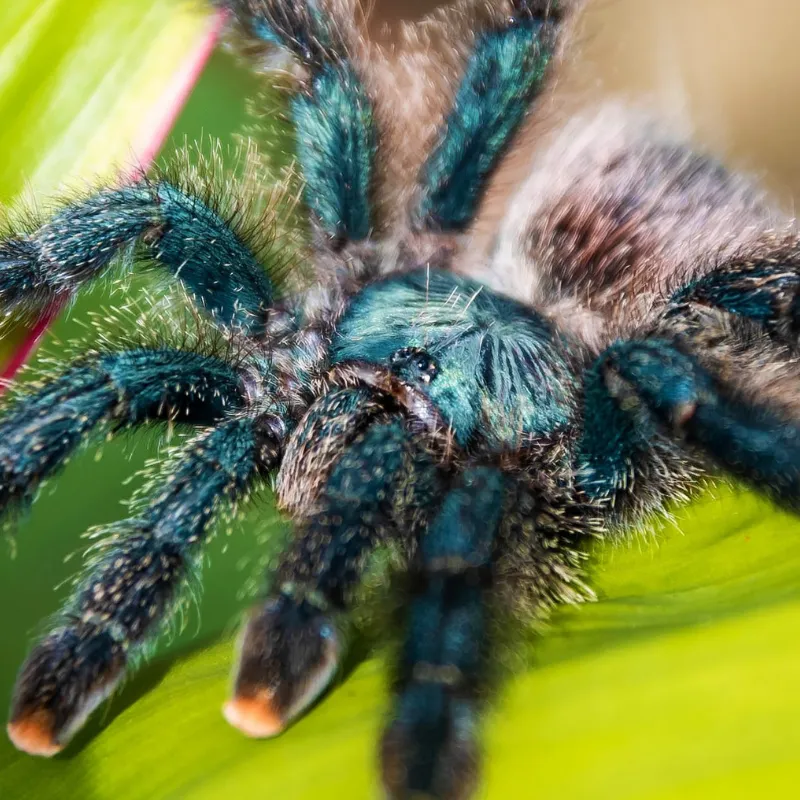
The Pink Toe Tarantula, scientifically known as Avicularia versicolor, is a captivating and popular pet among tarantula enthusiasts. Their vibrant coloration and relatively docile nature make them appealing, but successful care requires understanding their specific needs. This guide reveals the top 5 secrets to ensure your Pink Toe Tarantula thrives, covering everything from habitat setup to health management. By following these tips, you can provide a comfortable and enriching environment for your beautiful arboreal spider, allowing you to enjoy its unique beauty for years to come. Remember that proper care is crucial for their well-being, helping them to live long and healthy lives within your care, making the experience incredibly rewarding.
Secret 1 Habitat Setup
Creating the right habitat is the foundation of Pink Toe Tarantula care. Their natural arboreal lifestyle dictates the enclosure’s design, which is why it’s crucial to mirror the environmental conditions of their native habitats. Incorrect housing can lead to stress, poor health, and even a shortened lifespan, therefore understanding the critical elements for creating an ideal enclosure is the cornerstone to their successful upkeep. The enclosure must replicate the natural environment they would thrive in, providing them with a safe, secure, and comfortable living space.
Enclosure Size and Type

Pink Toe Tarantulas are arboreal, so a tall enclosure is essential. For juveniles, a container approximately 6x6x8 inches is sufficient, but as they grow, the enclosure should be upgraded. Adults require a terrarium that is at least 12x12x18 inches, providing ample vertical space for climbing and web-building. The enclosure should be well-ventilated, with a secure lid to prevent escapes. Glass or acrylic enclosures are suitable, but ensure proper ventilation holes are present to prevent excessive humidity buildup, as this can be a health risk to your Pink Toe Tarantula, leading to infections and respiratory issues.
Substrate and Decor
The substrate should be a mix that retains moisture while allowing for drainage. A combination of coco fiber, peat moss, and a small amount of vermiculite works well. Avoid using soil with fertilizers or pesticides. Decorate the enclosure with vertical elements like cork bark, branches, and artificial plants to mimic their natural habitat and allow them to climb and web-build. These elements not only add visual interest but also provide hiding places, which are critical for reducing stress. Ensure that any decorations are securely placed to prevent them from falling and potentially harming the tarantula. Remember that Pink Toe Tarantulas are avid web-builders, and the decor should encourage this natural behavior.
Secret 2 Humidity and Temperature
Maintaining the correct humidity and temperature is vital for your Pink Toe Tarantula’s health and well-being. These conditions directly impact their ability to molt successfully, their activity levels, and overall comfort. Improper humidity and temperature can lead to dehydration, respiratory problems, and even death. Monitoring these factors carefully and adjusting them as needed ensures that your tarantula thrives and lives a long life.
Maintaining Humidity Levels

Pink Toe Tarantulas require moderate humidity levels, typically around 70-80%. Achieve this by lightly misting one side of the enclosure every 1-2 days, allowing the other side to remain drier. The frequency of misting depends on the ventilation in the enclosure; more ventilation means more frequent misting. Use a hygrometer to monitor humidity levels accurately. Avoid over-misting, as excessive moisture can lead to fungal growth and respiratory issues. The substrate should be damp but not soggy. Proper ventilation, along with careful misting, strikes a balance that keeps your Pink Toe Tarantula healthy.
Ideal Temperature Range
The ideal temperature range for Pink Toe Tarantulas is between 75-85°F (24-29°C). A consistent temperature is essential; avoid placing the enclosure near windows or vents, as these can cause temperature fluctuations. Use a thermometer to monitor the temperature. Supplemental heating may be required in cooler climates, but always use a low-wattage heat source like a heat mat attached to the side of the enclosure, not directly underneath. Never use a heat lamp, as this can overheat and be dangerous. Monitoring temperature ensures the tarantula is comfortable and metabolizing food correctly.
Secret 3 Feeding Your Pink Toe
Proper feeding is crucial for your Pink Toe Tarantula’s health, growth, and overall vitality. A well-nourished tarantula is more likely to molt successfully and exhibit vibrant colors. Overfeeding or feeding inappropriate prey can lead to various health issues, so understanding the right approach is key to their care and longevity. By carefully managing your tarantula’s diet, you can create a feeding regimen that supports its well-being.
Choosing the Right Prey

The primary diet for Pink Toe Tarantulas consists of live insects. Crickets, roaches, and mealworms are all suitable options. The size of the prey should be appropriate for the size of the tarantula; as a general rule, the prey should be no larger than the tarantula’s body length. Always gut-load the insects before feeding them to your tarantula; this means feeding the insects nutritious food for at least 24 hours before offering them to your pet. This enriches the nutritional value for your tarantula, and helps provide a more balanced diet. Avoid feeding wild-caught insects, as they may carry parasites or pesticides, which can be harmful to your pet.
Feeding Frequency
Juvenile Pink Toe Tarantulas should be fed 2-3 times per week, while adults can be fed once or twice a week. Adjust the feeding frequency based on the tarantula’s appetite and abdomen size. If the abdomen appears plump, reduce the frequency. Remove any uneaten prey within 24 hours to prevent stress and potential harm to your tarantula. Always have a shallow water dish available, filled with fresh water, for your tarantula to drink from. Remember that your tarantula’s needs change as it grows; adjust its feeding regimen accordingly to match its stage of life.
Secret 4 Handling and Interaction
Handling Pink Toe Tarantulas should be approached with caution. While they are generally considered less aggressive than some other tarantula species, they are still venomous, and their bites can be painful. Understanding their behavior and practicing safe handling techniques are essential to ensure your safety and minimize stress for your tarantula. Careful observation and a deep respect for their needs will create a positive experience for both you and your pet.
Safe Handling Practices

Handling Pink Toe Tarantulas is best avoided unless absolutely necessary, such as for enclosure cleaning or health inspections. If you must handle them, do so over a soft surface like a bed or a couch to minimize the risk of injury if the tarantula falls. Gently encourage the tarantula to walk onto your hand rather than grabbing or forcing it. Wash your hands thoroughly before and after handling to prevent the spread of bacteria. Be aware of the tarantula’s position at all times, and avoid sudden movements that could startle it. Always respect the tarantula’s boundaries and understand that their primary instinct is self-preservation, which means that a bite may occur if they feel threatened.
Understanding Tarantula Behavior
Observe your Pink Toe Tarantula’s behavior to understand its mood and needs. If it displays a defensive posture, such as raising its front legs or flicking hairs (a defense mechanism called urticating hairs), it means it feels threatened, and you should leave it alone. A stressed tarantula may also hide or refuse food. A healthy and happy tarantula will typically be active, exploring its enclosure and eating regularly. Learning to recognize these behaviors is critical to providing appropriate care and interacting safely. Patience and observation are key to building a positive relationship with your tarantula and understanding its signals.
Secret 5 Health and Common Issues
Like any pet, Pink Toe Tarantulas can experience health issues. Knowing how to recognize signs of illness and take appropriate action is important for their well-being. Regular observation, combined with preventative care, can help you identify and address potential problems quickly. By paying close attention to your tarantula’s behavior, appearance, and environment, you can catch health issues early and provide your pet with the care it needs to live a long and healthy life.
Recognizing Molting Signs

Molting is a natural process where tarantulas shed their exoskeletons to grow. During this period, your tarantula may stop eating, become less active, and may spend more time on the ground. The abdomen may appear darker. Provide a humid and undisturbed environment during molting. Avoid feeding the tarantula until its new exoskeleton has hardened, typically a week or two after molting. Never try to assist a tarantula during molting, as this can be extremely dangerous. Once the molt is complete, the tarantula will be more vulnerable, and the proper environment is crucial to ensure that they can successfully get through this process.
Treating Common Ailments
Pink Toe Tarantulas can be susceptible to certain ailments, such as parasites, mites, and fungal infections. If you notice unusual behavior, such as lethargy, loss of appetite, or visible parasites, consult an experienced tarantula keeper or a veterinarian familiar with exotic pets. Ensure the enclosure is clean and well-maintained to prevent health issues. Early detection and treatment are critical for a successful outcome, so keep a close eye on your tarantula’s overall health. Maintaining optimal environmental conditions and providing a balanced diet will also help your tarantula thrive, and stay healthy.
In conclusion, caring for a Pink Toe Tarantula is a rewarding experience that requires dedication and knowledge. By focusing on proper habitat setup, maintaining the right humidity and temperature, providing a balanced diet, practicing safe handling, and being vigilant about health, you can create an environment where your tarantula thrives. Remember that each Pink Toe Tarantula is unique, and learning to understand its individual needs is essential for providing the best possible care. With these top 5 secrets, you are well on your way to enjoying the beauty and fascination of these amazing creatures for years to come.