
Pet Tarantulas Top 7 Facts
Bringing a tarantula into your home is a unique experience, and it’s crucial to be well-informed. These fascinating creatures, often misunderstood, can be rewarding pets for those who understand their needs and behaviors. This guide unveils seven key facts about tarantulas, transforming you from a novice to a knowledgeable tarantula enthusiast. From their biology to their care, these facts will provide a solid foundation for understanding and appreciating your eight-legged companion. Let’s dive in and explore the captivating world of tarantulas!
1. Tarantulas Aren’t Insects
One of the most common misconceptions is that tarantulas are insects. This is incorrect. Tarantulas belong to the class Arachnida, making them arachnids. This means they are more closely related to spiders, scorpions, mites, and ticks. Insects have three body segments (head, thorax, and abdomen) and six legs, while arachnids have two body segments (cephalothorax and abdomen) and eight legs. Understanding this fundamental difference is the first step in properly caring for your tarantula. They are not insects, and their needs are very different. Knowing that they are arachnids helps you better understand their biology and care requirements. The cephalothorax, a fusion of the head and thorax, is a key feature of their anatomy, housing vital organs and supporting their legs and mouthparts.
They are Arachnids

As arachnids, tarantulas share several characteristics with other members of this class. The presence of eight legs is perhaps the most obvious, but they also have a pair of pedipalps, which are used for sensory purposes and handling food. Tarantulas, like all arachnids, lack antennae and possess book lungs or trachea for respiration. Their exoskeletons, made of chitin, provide protection but also necessitate molting for growth. This exoskeleton doesn’t grow, so as the tarantula matures, it sheds its old one and reveals a new, larger one. This is a crucial part of their life cycle. These are just a few characteristics that set them apart from insects and provide clues to the specific needs of a pet tarantula.
2. They Can Live a Long Time
One of the most intriguing aspects of owning a tarantula is their potential lifespan. Unlike many pets, certain tarantula species can live for a very long time, offering a long-term companionship unlike other pets. This longevity is a significant factor to consider before bringing a tarantula home, as it represents a considerable commitment. The lifespan varies greatly depending on the species and sex of the tarantula. Female tarantulas tend to live much longer than males, often several decades. This remarkable longevity is a testament to their resilience and adaptability, making them fascinating subjects of study and observation for anyone interested in arachnids. This long lifespan adds to the overall appeal of tarantulas as pets, but requires owners to understand and plan for a long-term responsibility.
Lifespan of Tarantulas
The lifespan of a tarantula can range from a few years to over 20 years, and sometimes even longer. Male tarantulas typically have a shorter lifespan, often only living for a few years after reaching maturity. Females, on the other hand, can live for 10-30 years or more, depending on the species. Factors that can affect lifespan include the species, diet, and environmental conditions. Proper care and a suitable habitat can greatly influence a tarantula’s longevity. Species like the Chilean Rose Hair tarantula are known for their relatively long lifespans, while others, like some of the more tropical species, may have shorter lifespans. Researching the specific species you’re interested in is essential for understanding their expected lifespan and providing them with the best possible care.
3. Tarantulas Have Venom

It is important to clarify that all tarantulas have venom, but the vast majority are not considered dangerous to humans. The venom is primarily used to subdue prey, not to defend against larger threats. The potency of the venom varies depending on the species, but most tarantula bites are comparable to a bee sting. However, individual reactions can vary, and some people may experience more significant symptoms. Understanding the potential risks and how to minimize them is critical for responsible tarantula ownership. While they are not aggressive creatures, they may bite if they feel threatened. It is important to handle them with care and respect their space.
Venom Effects
The effects of a tarantula bite are typically localized, with symptoms including pain, redness, and swelling at the bite site. In some cases, there may be muscle cramps or mild systemic symptoms. Serious reactions are rare, but it is always advisable to monitor any bite and seek medical attention if symptoms worsen or if there are signs of an allergic reaction. Prevention is key when interacting with tarantulas. Avoid provoking them, and always use caution when handling or working near them. Some species may also have urticating hairs, which can cause skin irritation and discomfort. Understanding the potential effects of venom and implementing safety measures will help you enjoy your pet tarantula without unnecessary risks.
4. They Molt
Molting is a natural process for tarantulas, as they shed their exoskeletons to grow. This process is fascinating to observe, but it can also be a vulnerable time for the tarantula. The frequency of molting depends on the age and growth rate of the tarantula. Young tarantulas molt more often, while adults molt less frequently. Providing the right environment and avoiding disturbances during molting are important for the tarantula’s health. Molting is essential for growth, as the exoskeleton does not expand. The tarantula will create a new, larger exoskeleton beneath the old one. This process is a sign of a healthy tarantula and a testament to its resilience.
Molting Process
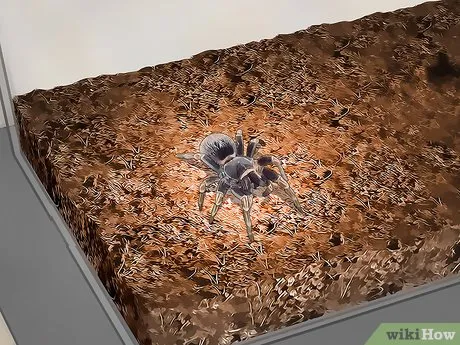
The molting process typically begins with the tarantula lying on its back. The old exoskeleton splits open, and the tarantula slowly emerges, revealing a new, softer exoskeleton. This new exoskeleton is highly vulnerable, and the tarantula will remain in hiding for several days while it hardens. During this period, it is crucial to avoid disturbing the tarantula. Providing adequate humidity and avoiding handling are essential. After molting, the tarantula’s colors may appear brighter, and it may seem larger. The discarded exoskeleton can be kept as a fascinating memento. The entire process can take anywhere from a few hours to a few days, depending on the size of the tarantula and its molting stage. Molting shows that they are growing and thriving.
5. Tarantulas Eat a Variety of Insects
Tarantulas are primarily carnivores, and their diet consists of a variety of insects. Crickets, mealworms, and roaches are common staples in their diet, but they can also eat other insects such as grasshoppers and moths. The size of the prey should be appropriate for the size of the tarantula. Overfeeding and underfeeding are both harmful, and it is important to monitor their eating habits to ensure they are receiving the right amount of food. The diet should be varied to provide a range of nutrients, and the insects should be gut-loaded before being fed to the tarantula. Providing a varied and nutritious diet is crucial for the tarantula’s overall health and well-being. Fresh water should also be provided at all times.
Tarantula Diet
The specific insects offered to your tarantula will depend on the species and their individual preferences. Crickets and roaches are a good staple diet because they are relatively easy to obtain and are packed with nutrients. Before feeding, it is essential to gut-load the insects by feeding them nutritious food such as vegetables and grains. This enriches the nutritional value of the insects and passes the nutrients on to the tarantula. Overfeeding can lead to health problems, while underfeeding can stunt growth. Monitor your tarantula’s abdomen size, as it will become plumper after a meal. Providing a varied diet and appropriate feeding schedule is essential for ensuring your pet tarantula’s health and longevity. Remove any uneaten food within 24 hours to prevent mold and mites.
6. Tarantulas Have Hairs
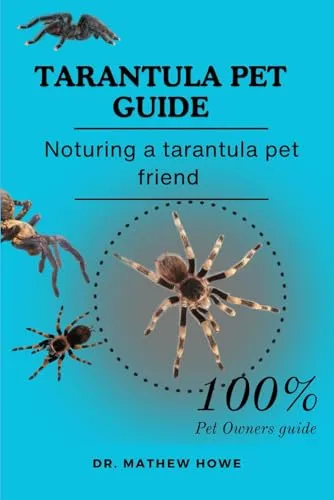
Tarantulas are covered in hairs, which serve several purposes, including sensory perception and defense. There are different types of hairs, including urticating hairs, which are a defense mechanism against predators. These hairs can be irritating to the skin and eyes of humans and other animals. Understanding the types of hairs and how they function is important for safe handling and care. Some tarantulas will flick these hairs off of their abdomen when threatened. These hairs can cause a lot of discomfort. Avoiding direct contact and taking precautions will protect your tarantula and yourself from irritation.
Types of Hairs
Urticating hairs are the most significant type of hairs in terms of defense. These hairs are barbed and can be flicked off the tarantula’s abdomen when it feels threatened. When these hairs come into contact with skin or eyes, they can cause intense itching and irritation. Some tarantulas have urticating hairs that are more irritating than others. The other types of hairs are primarily for sensory purposes, allowing the tarantula to feel vibrations and detect movement. When handling tarantulas, it’s best to avoid brushing against their abdomen to prevent the release of these irritating hairs. In addition, always wash your hands thoroughly after handling and avoid touching your face or eyes.
7. Tarantulas Are Relatively Low Maintenance
One of the appealing aspects of owning a tarantula is that they are relatively low-maintenance pets compared to many other animals. They don’t require daily walks, constant attention, or excessive grooming. However, they do require proper housing, a suitable diet, and regular maintenance of their habitat. Providing a safe and appropriate enclosure, monitoring humidity and temperature levels, and ensuring a clean environment are essential for their health. While they don’t demand a lot of time, they do require informed care and attention to ensure their well-being. While the initial setup may take a bit of time, maintaining a tarantula is a reasonably straightforward process once you know how to do it.
Caring for your tarantula
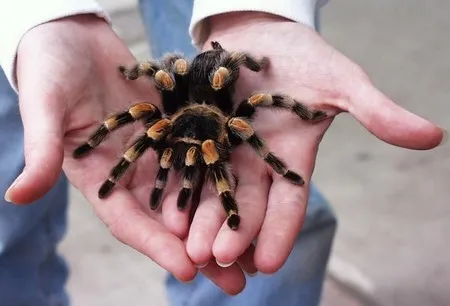
Caring for a tarantula involves several key aspects. These include providing a proper enclosure with appropriate substrate, maintaining the correct temperature and humidity levels, and feeding them a suitable diet. Regular cleaning of the enclosure is also necessary to prevent the build-up of waste and mold. Water should be available at all times, usually in a shallow dish. Observe your tarantula regularly for signs of illness or stress. Researching the specific needs of your tarantula species is crucial to providing the best possible care. Ensuring a comfortable and stimulating environment will help your tarantula thrive. While low-maintenance, they do require attentive care.
In conclusion, owning a pet tarantula can be a rewarding experience for those who take the time to learn and understand their unique needs. From their biology to their care, these seven facts provide a solid foundation for becoming a responsible and knowledgeable tarantula owner. With the proper knowledge, you can create a thriving habitat for your eight-legged friend, ensuring a fulfilling and long-lasting companionship. Enjoy the fascinating world of tarantulas, and remember to always prioritize their well-being and safety!