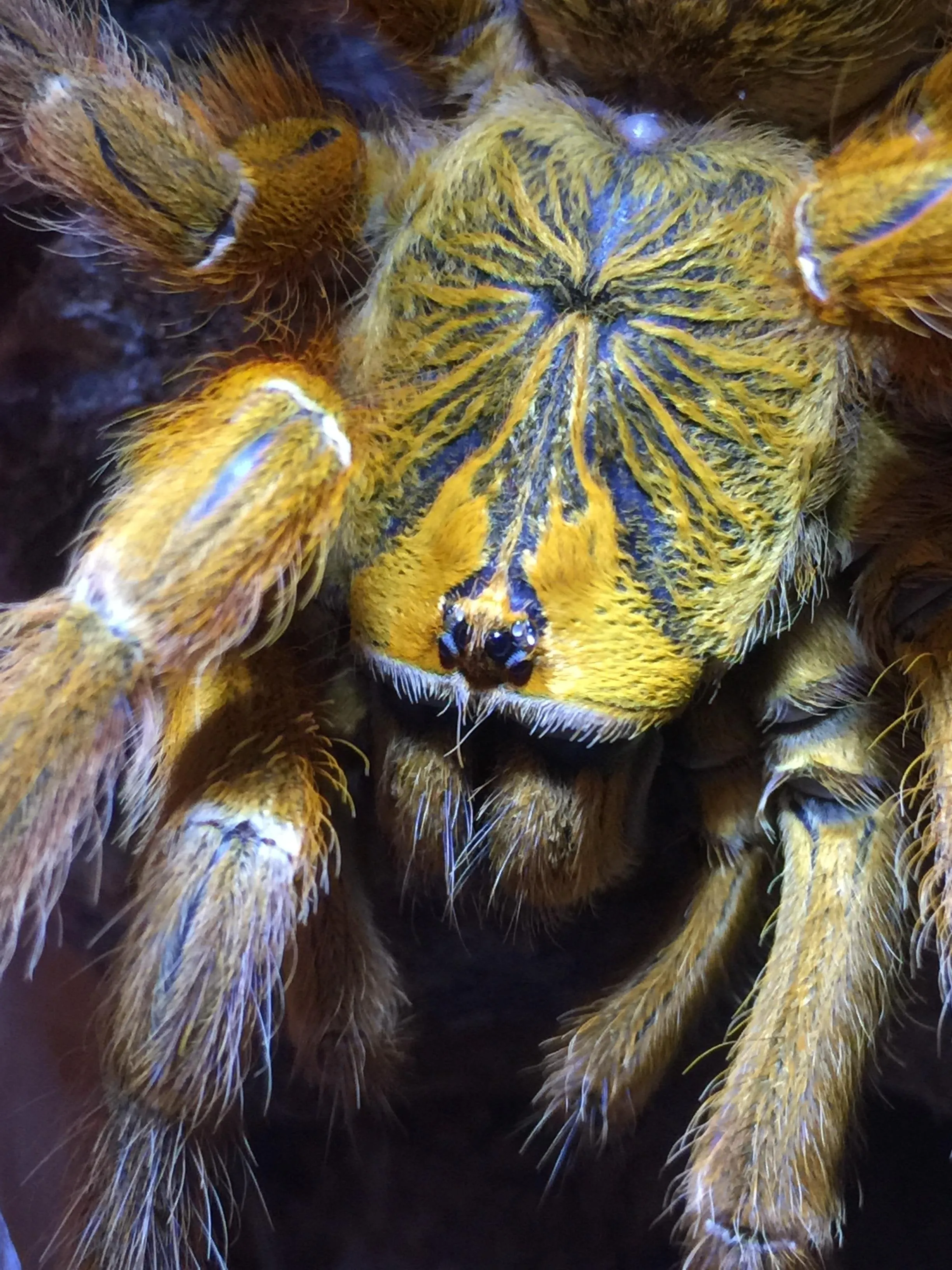
OBT Tarantula Lifespan Unveiled
The Orange Baboon Tarantula (OBT), scientifically known as Pterinochilus murinus, is a captivating species, drawing both fascination and respect from arachnid enthusiasts. One of the most common questions regarding this spider is how long they live. Understanding the OBT tarantula lifespan is crucial for any potential owner, as it directly influences the commitment required for its care. This article delves into the factors that shape an OBT’s longevity, providing a comprehensive guide to ensure these fascinating creatures thrive for as long as possible. We’ll explore everything from the impact of gender to environmental factors and provide valuable tips for maximizing their lifespan. Preparing to welcome an OBT requires understanding its needs. Knowledge of its potential lifespan will guide you toward an informed decision and prepare you to provide the best possible care, ensuring your tarantula’s well-being throughout its life.
Factors Affecting OBT Tarantula Lifespan
Several interconnected factors influence the OBT tarantula lifespan. These factors, ranging from genetics to environmental conditions, play a significant role in determining how long an individual spider will live. Recognizing and managing these elements is essential for responsible OBT ownership. The lifespan of an OBT isn’t a fixed number but rather a range, and understanding these influencing factors helps in providing the best possible environment and care. By paying close attention to these details, you can increase the likelihood of your OBT living a long and healthy life. Let’s delve deeper into the key factors to give your OBT the best possible chance.
Gender Differences in Lifespan

One of the most significant factors affecting the OBT tarantula lifespan is its gender. There’s a marked difference between the longevity of males and females. This variance is typical among tarantula species, and understanding it is important when considering an OBT as a pet. The differences in lifespan are primarily linked to their respective roles in reproduction and overall physiology.
Female OBT Tarantulas
Female OBT tarantulas typically live significantly longer than males. Under optimal conditions, a female OBT can live for up to 12-15 years. This extended lifespan is due to several physiological factors. They do not expend energy on reproduction as often as males, allowing them to conserve resources. They also experience fewer metabolic stresses compared to males. This longer lifespan makes female OBTs a more long-term commitment for owners. Proper care and consistent environmental conditions are crucial to maximizing the lifespan of female OBTs. A well-cared-for female OBT can be a rewarding pet for many years, offering a unique and engaging presence in your home. Ensuring a suitable habitat and diet are paramount for the longevity of these creatures.
Male OBT Tarantulas
Male OBTs, unfortunately, have a much shorter lifespan than females. After reaching maturity, male OBTs usually only live for about 1-2 years. This shorter lifespan is a result of their biological purpose. Male OBTs focus their energy on finding mates. This behavior significantly impacts their overall health and longevity. The stresses of searching for mates, coupled with the physical demands of mating, contribute to their shorter lifespans. Male OBTs often stop eating as they mature, further reducing their lifespan. While the shorter lifespan may be a downside, the unique behaviors of male OBTs during their mating period can be fascinating. Recognizing this difference is key to understanding the overall lifecycle of OBTs and adjusting your care accordingly. Males are usually not kept as pets for as long as females due to these life cycle differences.
Environmental Influences on Lifespan

Environmental conditions significantly impact an OBT’s health and lifespan. Maintaining optimal environmental conditions can significantly extend a tarantula’s lifespan, while poor conditions can lead to health issues and a shorter life. The most critical environmental factors include temperature, humidity, diet, and housing. Creating a stable and appropriate environment is a cornerstone of OBT tarantula care and will heavily influence how long your spider will live. Paying close attention to these factors will give your OBT the best possible chance at a long and healthy life.
Temperature and Humidity
OBTs thrive in specific temperature and humidity ranges. The ideal temperature for an OBT is between 75-85°F (24-29°C). Maintaining this temperature range is crucial for their metabolism, growth, and overall well-being. Humidity is also vital. An OBT needs a humidity level of 65-75%. This can be maintained by periodically misting the enclosure. Fluctuations in temperature and humidity can stress the spider and compromise its health. Using a thermometer and hygrometer to monitor conditions is essential. Ensure proper ventilation to prevent mold growth while maintaining humidity. Consistent conditions are a key aspect of OBT tarantula care.
Diet and Nutrition
A balanced diet is crucial for an OBT’s health and longevity. OBTs are opportunistic feeders, meaning they will eat almost anything they can catch. A diet primarily consisting of insects like crickets, cockroaches, and mealworms is ideal. Feed your OBT appropriately sized insects, avoiding those that are too large. Overfeeding can lead to health problems, while underfeeding can stunt growth. Provide fresh water at all times. A shallow water dish should be readily available. Monitor your tarantula’s feeding habits and adjust the diet as necessary. Proper nutrition is a cornerstone of OBT tarantula care, and the right diet will help your spider thrive.
Housing Conditions

Proper housing is vital for an OBT’s lifespan. The enclosure should be large enough for the tarantula to move and grow. A secure, well-ventilated enclosure is essential. The substrate should be appropriate. A mixture of peat moss, vermiculite, and coconut fiber works well, and it helps maintain humidity. Provide hiding places such as cork bark or artificial plants. The enclosure should be kept clean. Remove uneaten food and waste regularly to prevent disease. A well-designed and maintained enclosure significantly contributes to an OBT’s overall health and longevity. The right setup promotes a stress-free environment, which in turn contributes to a longer lifespan. See image: obt-tarantula-habitat.webp
Lifecycle Stages and Lifespan
Understanding the different stages of an OBT’s life cycle provides insight into its lifespan. Each stage, from the egg sac to adulthood, comes with unique characteristics and care requirements. Awareness of these phases helps owners provide the best possible environment for their tarantula at every stage of its life. Recognizing the changes in behavior and appearance at each stage is crucial for responsible OBT ownership.
Egg Sac and Spiderling Stage
The lifecycle begins with the egg sac. After mating, a female OBT will create an egg sac, which can contain hundreds of eggs. Once the spiderlings hatch, they go through several molts before becoming independent. The spiderling stage requires careful management of humidity, temperature, and feeding. Providing small insects is crucial during this phase. Maintaining a safe and controlled environment for the spiderlings maximizes their chances of survival and development into healthy juveniles. Image: obt-tarantula-spiderling.webp
Juvenile Stage

During the juvenile stage, OBTs grow rapidly. They undergo several molts as they develop, increasing in size with each molt. Providing a varied diet and a suitable enclosure during this stage is essential for healthy growth. This is a critical time for establishing the foundation of your OBT’s health. Regularly monitor the tarantula’s eating habits and overall behavior. Ensure the enclosure meets the growing needs of the spider. This stage lays the groundwork for a longer lifespan, as proper care supports healthy development. The juvenile stage is a time of rapid growth, so proper care is of utmost importance.
Adult Stage
The adult stage marks the reproductive phase for both male and female OBTs. Females may continue to molt and grow larger, while males focus on finding a mate. During this stage, it’s important to maintain the right environment and continue offering a proper diet. Understanding the behaviors specific to this stage, particularly with regards to reproduction, is key. The care provided in the adult stage plays a crucial role in determining how long the OBT lives. Providing the right conditions supports their health. In adult females, proper care directly contributes to their longer lifespan. See image: obt-tarantula-female.webp
Signs of Aging in OBT Tarantulas
As OBTs age, they exhibit several signs that reflect their changing physical condition and behavior. Recognizing these signs can help owners adjust their care and provide support during the later stages of their pet’s life. Knowing what to expect can enable you to make informed decisions about the well-being of your tarantula. Keep an eye out for these signs, as early detection can aid in providing the necessary adjustments to their living conditions.
Behavioral Changes

Older OBTs may display changes in their behavior. This can include reduced activity levels, a decrease in appetite, or less frequent molting. They might become less likely to explore their enclosure and spend more time in their hide. Observe the tarantula’s behavior patterns. Changes in these patterns can indicate it is entering its senior years. While some changes are natural, significant shifts in behavior should be noted. Regular observation helps ensure you notice any changes and can take action to maintain your pet’s quality of life. See image: obt-tarantula-health-check.webp
Physical Changes
Physical changes can occur as OBTs age. These may include changes in the appearance of the exoskeleton, such as dulling of colors or slight deformities. Older tarantulas may have difficulty molting. They also may experience a loss of some of their leg hairs (setae). Be sure to carefully monitor the molting process and ensure appropriate humidity levels. Any noticeable physical changes should be monitored and addressed. The exoskeleton might show signs of wear or become slightly less resilient over time. These physical changes indicate the aging process and provide an opportunity to assess how well your tarantula is aging.
Tips for Maximizing Your OBT’s Lifespan
Providing optimal care is essential for extending an OBT’s lifespan. While the lifespan of an OBT is naturally influenced by genetics and gender, there are several steps owners can take to create an environment where their tarantula can thrive. Applying these tips will improve your OBT’s quality of life and will assist in maintaining its health for as long as possible. These proactive measures can contribute to a longer, healthier life for your OBT. The effort you put into their care directly influences their overall health and well-being.
Proper Care and Maintenance

Consistent care is the cornerstone of extending an OBT’s lifespan. This includes maintaining the correct temperature and humidity levels, providing a balanced diet, and ensuring a clean and secure enclosure. Regular spot cleaning and complete enclosure cleaning are necessary for your OBT. Proper maintenance can reduce stress and prevent the buildup of harmful bacteria. Ensure that the enclosure remains stable to provide a suitable habitat. A proper and clean habitat will not only prevent disease but will give your OBT a better quality of life. Keeping the enclosure clean is extremely important for your pet’s overall health. See image: obt-tarantula-habitat.webp
Regular Health Checks
Regular health checks are crucial to ensure that your OBT is in good health. Observing your tarantula’s behavior, eating habits, and physical appearance is important. Check for any signs of illness. Catching health issues early can often improve the likelihood of a successful recovery. Check the tarantula’s abdomen, legs, and fangs for any abnormalities. Regular observations enable you to recognize any changes in your tarantula’s health promptly. This allows for early intervention and preventative care. See image: obt-tarantula-health-check.webp
Common Health Issues and Prevention
Understanding common health issues and their prevention is crucial. OBTs can be susceptible to various health problems, including mites, fungal infections, and injuries. A proactive approach to health management minimizes the risk and increases the likelihood of a long, healthy life for your OBT. Regular observation, proper hygiene, and environmental controls all contribute to health management. Prevention is always better than cure when it comes to keeping your tarantula healthy. The goal is to provide a thriving environment to allow it to live its best life.
- Mites are a common problem. Regularly check your tarantula and its enclosure for mites. If detected, isolate the tarantula and treat the enclosure. Use a mite-specific treatment.
- Fungal infections can occur due to excessive humidity or poor ventilation. Ensure proper airflow. Clean the enclosure regularly.
- Injuries can happen due to falls or bites from prey. Provide appropriate enclosure furnishings. Carefully handle the tarantula. Feed pre-killed prey items.
- Maintain optimal temperature and humidity levels.
- Provide a varied and balanced diet. Avoid overfeeding.
By following these guidelines, OBT owners can create an environment where their tarantulas can thrive for many years. The lifespan of an OBT is a result of a combination of factors. With the right care, these captivating creatures can live long, fulfilling lives, bringing joy to their owners. Consider the commitment required to take care of these wonderful creatures, and you will have many happy years ahead with your pet. Image: obt-tarantula-feeding.webp