Choosing Your Mexican Red Knee Tarantula
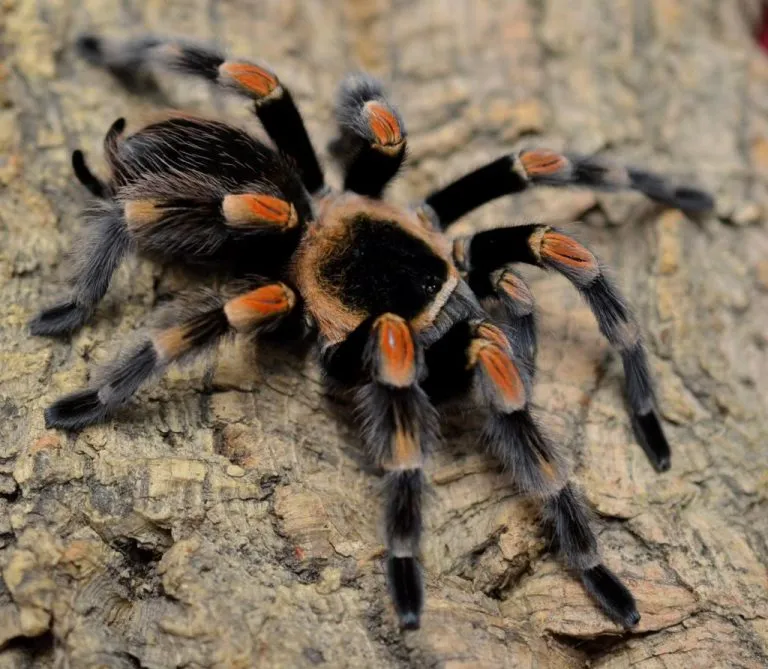
The Mexican Red Knee Tarantula (Brachypelma hamorii) is a popular choice for beginner tarantula keepers due to its docile nature and striking appearance. Before bringing one home, it’s crucial to learn how to choose a healthy specimen. A healthy tarantula will thrive in your care, providing you with years of enjoyment and minimizing potential health issues. This guide will walk you through every step, ensuring you’re well-prepared to welcome this fascinating creature into your life.
Selecting a Healthy Tarantula
When selecting a Mexican Red Knee, observe its behavior and physical condition carefully. Look for an active tarantula that moves with purpose and isn’t sluggish or lethargic. Check for any signs of injury, such as missing legs or damaged fangs. It is always best to source your tarantula from a reputable breeder or pet store that specializes in exotic pets. This increases the likelihood of obtaining a healthy specimen, along with information on the spider’s age and care history.
Identifying a Healthy Tarantula

A healthy Mexican Red Knee should have a plump abdomen, which indicates it’s well-fed and hydrated. The legs should be intact, and the fangs should be in good condition. Look for clear, bright eyes, and a generally alert demeanor. The tarantula’s colors should be vibrant and true to the species. Avoid tarantulas that appear thin, have a shriveled abdomen, or show signs of parasites or mites. If possible, ask the seller about the tarantula’s feeding and molting history.
Quarantine and Acclimation
Once you’ve chosen your tarantula, it’s best to quarantine it in a separate enclosure for a few weeks. This helps prevent the spread of any potential diseases or parasites to other pets you may own. During quarantine, observe the tarantula’s behavior, feeding habits, and overall health. Provide a suitable habitat with appropriate temperature, humidity, and substrate. This acclimation period allows the tarantula to settle into its new environment and reduces stress.
Setting Up the Perfect Habitat
Creating the right environment is key to your Mexican Red Knee’s well-being. The enclosure should mimic the tarantula’s natural habitat to ensure its comfort and health. Factors such as enclosure size, substrate, temperature, and humidity all play essential roles. Providing the right conditions will help your tarantula thrive, exhibit its natural behaviors, and live a long, healthy life. A well-designed habitat will also make your tarantula easier to observe and care for.
Choosing the Right Enclosure

The enclosure should be appropriately sized for your tarantula. A terrestrial species like the Mexican Red Knee doesn’t need a tall enclosure, but it should be wide enough for it to move around comfortably. A good rule of thumb is to provide an enclosure that is at least twice the tarantula’s leg span in width and length. The enclosure should have a secure lid to prevent escapes. Ensure that there are adequate ventilation holes to allow for airflow without compromising humidity levels. A clear enclosure will allow you to easily observe your tarantula.
Substrate and Decor
The substrate should be a moisture-retaining material that allows your tarantula to burrow. Suitable options include a mix of coconut fiber, peat moss, and a little bit of vermiculite. The substrate layer should be deep enough for the tarantula to burrow, usually 4-6 inches deep. Provide a hide, such as a cork bark, half log, or a commercially available hide, for the tarantula to feel secure. Decorate the enclosure with artificial plants, branches, or other natural-looking elements, avoiding anything sharp or toxic.
Maintaining Temperature and Humidity
Mexican Red Knees thrive in a temperature range of 75-85°F (24-29°C). You can maintain this temperature using a heat mat or a low-wattage heat lamp. Place the heat source on the side of the enclosure, not underneath, to prevent overheating. Humidity levels should be maintained between 60-70%. You can achieve this by misting the enclosure lightly with water once or twice a week, depending on the humidity in your home. Always monitor the temperature and humidity with a reliable thermometer and hygrometer.
Feeding Your Mexican Red Knee

Proper nutrition is crucial for the health and well-being of your Mexican Red Knee Tarantula. Providing the right type of food and adjusting the feeding schedule based on the tarantula’s age and appetite is essential. Overfeeding can lead to health problems, while underfeeding can stunt growth. Understanding the dietary needs of your tarantula will ensure it lives a long, healthy life. It’s a simple process but needs to be done right.
What to Feed Your Tarantula
The primary food source for your Mexican Red Knee should be insects. Crickets, mealworms, dubia roaches, and other commercially available insects are excellent choices. Ensure the insects are gut-loaded before feeding them to your tarantula. Gut-loading involves feeding the insects nutritious foods, such as vegetables and grains, which pass on essential nutrients to your tarantula. Avoid feeding wild-caught insects, as they may carry parasites or pesticides. You can also provide a small water dish for drinking.
Feeding Frequency
The feeding frequency depends on the tarantula’s age and size. Spiderlings (young tarantulas) should be fed 2-3 times a week. Sub-adults (growing tarantulas) can be fed once or twice a week. Adults can be fed once every one to two weeks, depending on their appetite and abdomen size. A well-fed tarantula will have a plump abdomen. Remove any uneaten food within 24 hours to prevent mold or mites from developing in the enclosure. Adjust the feeding schedule as needed based on the tarantula’s molting cycle.
Watering Your Tarantula

Clean, fresh water is essential for your tarantula’s hydration. Provide a shallow water dish with a sponge or pebbles to prevent the tarantula from drowning. Refill the water dish regularly, at least once a week, and more frequently if the water evaporates quickly. You can also mist the enclosure lightly with water, especially during molting, to help maintain the required humidity levels. Always use dechlorinated water to avoid harming your tarantula.
Handling and Safety
While Mexican Red Knees are known for their docile nature, it’s essential to handle them with caution. Tarantulas are delicate creatures, and a fall can be fatal. Proper handling techniques and understanding your tarantula’s behavior can minimize the risk. Always prioritize the safety and well-being of both yourself and your tarantula. Observing safety practices will help ensure that both you and your tarantula remain safe and stress-free.
Safe Handling Practices
It’s generally not recommended to handle Mexican Red Knees frequently, as it can stress them. If you choose to handle your tarantula, do so while sitting close to the ground to minimize the risk of injury if it falls. Always move slowly and gently, and avoid sudden movements. Never force the tarantula to move or pick it up if it’s not willing. Wash your hands thoroughly before and after handling your tarantula to prevent the transfer of oils or chemicals.
Recognizing Stress Signs

Learn to recognize the signs of stress in your tarantula. If the tarantula flicks hairs off its abdomen (a defensive behavior), it’s best to leave it alone. Other signs of stress include a defensive posture (raising its front legs and fangs), rapid movement, or attempting to escape. If your tarantula displays these behaviors, return it to its enclosure immediately and allow it to calm down. Avoid handling the tarantula when it’s molting or immediately after molting, as it is vulnerable during these periods.
Common Health Issues and Solutions
While Mexican Red Knees are relatively hardy, they can still experience health issues. Identifying and addressing these problems early is essential for your tarantula’s well-being. Common problems include issues related to molting, parasites, and diseases. Knowing the signs and symptoms, and how to respond, will help you provide the best care for your pet. Proper care and environmental control greatly reduce the risk of these issues.
Molting Process
Molting is a natural process where tarantulas shed their exoskeletons to grow. Before molting, the tarantula may stop eating, become less active, and develop a darker coloration. It might also create a web mat on the substrate. During molting, it will lie on its back. Do not disturb your tarantula during this time. It can take several hours or even days for a tarantula to complete the molting process. After molting, the tarantula’s exoskeleton will be soft. Do not feed your tarantula for a week or two until its fangs have hardened. Provide plenty of water during and after molting.
Parasites and Diseases

Tarantulas can be susceptible to parasites, such as mites, which can infest the tarantula and its enclosure. To prevent mites, maintain a clean enclosure and quarantine any new insects before feeding them to your tarantula. If mites are present, you may need to replace the substrate and clean the enclosure thoroughly. Diseases are rare, but fungal infections can occur in humid environments. If you notice any unusual symptoms, such as lethargy, loss of appetite, or discoloration, consult a veterinarian or an experienced tarantula keeper for advice.
Conclusion
Caring for a Mexican Red Knee Tarantula is a rewarding experience. By providing the right environment, proper nutrition, and handling with care, you can ensure that your tarantula lives a long and healthy life. Remember to research and learn as much as you can. Always be observant of your tarantula’s behavior and adjust your care practices as needed. With patience and dedication, you can enjoy the fascinating world of tarantula keeping and the unique beauty of your Mexican Red Knee Tarantula. Enjoy your new pet!