Understanding the Lasiodora Birdeater Tarantula
The Lasiodora parahybana, often referred to as the Brazilian salmon pink birdeater, is one of the largest tarantula species in the world, making them a fascinating but demanding pet. Their imposing size and impressive appearance contribute to their popularity among tarantula enthusiasts. This guide provides comprehensive care instructions to ensure the health and well-being of your Lasiodora birdeater, covering everything from habitat setup to breeding.
Origin and Habitat
Native to the rainforests of Brazil, Lasiodora parahybana thrives in warm, humid environments. Understanding their natural habitat is crucial for replicating their needs in captivity. In the wild, they construct burrows or utilize existing spaces under logs and rocks, where they ambush prey. Recreating these conditions is fundamental to providing a comfortable and healthy environment.
Physical Characteristics

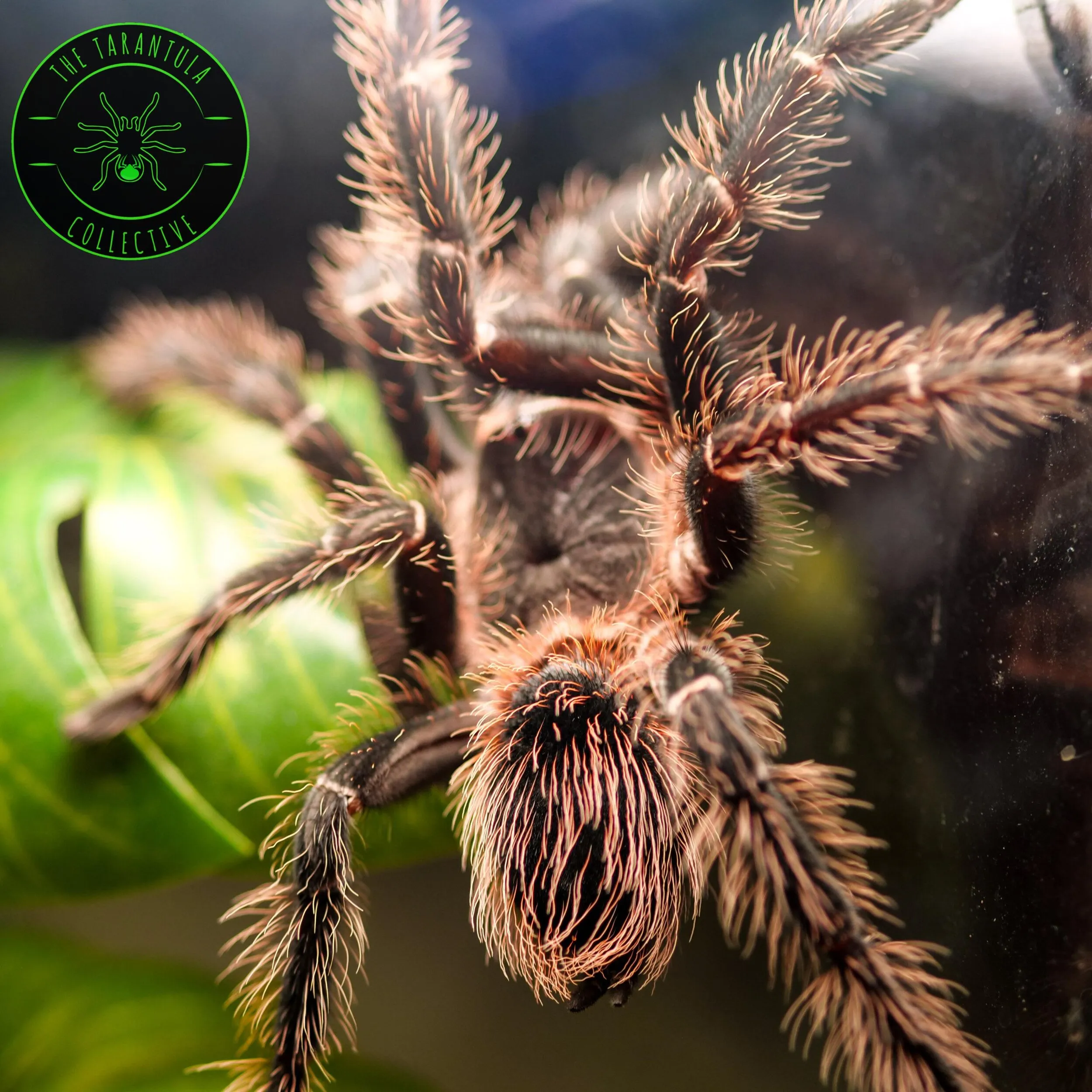
These tarantulas are known for their impressive size, with females often reaching a leg span of up to 10 inches. They have a robust build and are covered in hairs that can be urticating, causing irritation if they come into contact with skin. Their coloration typically includes shades of brown and pink, particularly on the legs and carapace. The males are generally smaller and have a different appearance than the females.
Setting Up the Perfect Habitat
Creating a suitable habitat is essential for the well-being of your Lasiodora birdeater tarantula. The enclosure should provide a secure, comfortable, and enriching environment that mimics their natural surroundings. Proper setup reduces stress and promotes healthy behavior. Consider all aspects, from the enclosure type to the temperature and humidity.
Enclosure Size and Type
Given their large size, Lasiodora birdeaters require spacious enclosures. A glass or acrylic terrarium that is at least 18x18x12 inches is suitable for an adult. Ensure the enclosure has a secure lid to prevent escape. Good ventilation is vital to prevent the build-up of mold and maintain air quality, but avoid drafts that can stress the tarantula. The enclosure must provide enough space for movement and enrichment.
Substrate and Furnishings

The substrate should be deep enough for burrowing if your tarantula chooses to do so. A mixture of coco fiber, peat moss, and a small amount of vermiculite is ideal. This mix retains moisture, which helps maintain humidity. Include a water dish, large enough for drinking and soaking. Provide a hide, such as a cork bark piece or a commercially available hide, for your tarantula to feel secure. Artificial or live plants can add to the aesthetic and provide extra cover.
Temperature and Humidity
Maintain a temperature between 75°F to 85°F (24°C to 29°C). This can be achieved using a heat mat attached to the side of the enclosure, controlled by a thermostat to avoid overheating. Humidity should be kept between 65% and 75%. This can be achieved by regularly misting the enclosure and ensuring the substrate remains slightly damp. A hygrometer is useful for monitoring humidity levels and making adjustments.
Feeding Your Lasiodora Birdeater
Proper nutrition is vital for the health and growth of your Lasiodora birdeater. Providing a balanced diet and appropriate feeding schedule can help ensure your tarantula lives a long and healthy life. Pay attention to the type of food, frequency, and quantity of the meals.
What to Feed

Lasiodora birdeaters are opportunistic feeders, meaning they will eat a variety of insects. Crickets, roaches, mealworms, and even small vertebrates are suitable food items. The size of the prey should be appropriate for the tarantula’s size – generally, the prey should be no larger than the tarantula’s body. Ensure the insects are gut-loaded with nutritious food before feeding your tarantula, which means feeding the insects a high-quality diet so your tarantula can benefit from the nutrients.
Feeding Frequency and Amount
Spiderlings should be fed 2-3 times a week, while juveniles can be fed once a week. Adult tarantulas can eat less frequently, typically once every 1-2 weeks. Adjust the feeding schedule based on your tarantula’s appetite and overall health. Always remove uneaten food within 24 hours to prevent mold and mites. Observe your tarantula for signs of overfeeding, such as a large abdomen, and adjust the diet accordingly.
Watering and Hydration
Provide a shallow water dish filled with clean, fresh water at all times. Change the water frequently to prevent bacterial growth. Some tarantulas may prefer to drink water droplets that are sprayed on the side of their enclosure. Ensure that the water source is always available, particularly when molting, as they need to stay hydrated during this process.
Handling and Safety Precautions

Handling a Lasiodora birdeater tarantula should be approached with caution. While not considered highly venomous, they possess urticating hairs and can bite if they feel threatened. Prioritize your safety and the tarantula’s well-being when handling.
Handling Risks
Tarantula bites can be painful, although their venom is not usually life-threatening to humans. The primary risk comes from the urticating hairs, which can cause skin irritation and respiratory issues. Tarantulas can also become stressed during handling, potentially leading to them dropping from a height and injuring themselves. Always handle them with great care.
Safe Handling Techniques
Handling should be kept to a minimum. If necessary, do so while sitting close to the ground to minimize the risk of injury if the tarantula falls. Never grab or startle the tarantula. Gently coax it onto your hand, allowing it to move at its own pace. Always wash your hands thoroughly before and after handling the tarantula.
Common Health Issues and Prevention

Keeping your Lasiodora birdeater healthy involves preventing common health problems. Regular observation and proactive care can go a long way in ensuring the well-being of your pet tarantula. Always be mindful of any changes in behavior or appearance.
Molting and What to Expect
Molting is a natural process where the tarantula sheds its exoskeleton to grow. During this period, the tarantula will become less active and may refuse to eat. Provide extra humidity during molting to assist the process. Never disturb the tarantula during molting. After molting, wait a few days for the new exoskeleton to harden before offering food.
Parasites and Diseases
While Lasiodora birdeaters are generally hardy, they can be susceptible to certain parasites and diseases. Mites can infest the tarantula or its enclosure; preventative measures include proper hygiene and quarantine for new additions. Fungal infections can occur if the environment is too humid. If you notice any unusual symptoms, such as lethargy, loss of appetite, or discoloration, consult with a veterinarian experienced with arachnids.
Breeding Lasiodora Birdeater Tarantulas

Breeding Lasiodora birdeaters is an advanced aspect of their care that requires careful preparation and attention. Successful breeding involves understanding the tarantula’s reproductive cycle and providing the necessary environment and care for both the adults and the spiderlings.
Sexing Your Tarantula
Sexing a tarantula is essential for breeding. This can be done by examining the underside of the tarantula for the presence of spermathecae (in females) or the presence of tibial hooks (in males). Examining the molt is another way. The presence of a spermatheca on the molt confirms that the tarantula is a female. Accurate sexing is essential for successful breeding.
The Breeding Process
Introduce the male tarantula to the female’s enclosure under close supervision. The female may be aggressive, and the male must be careful to avoid being eaten. If successful, the male will deposit sperm into the female’s spermathecae. After mating, remove the male to prevent the female from cannibalizing him. The female will then produce an egg sac, which you must carefully manage.
Caring for Spiderlings
Once the spiderlings hatch from the egg sac, provide them with small, appropriate food items like fruit flies or pinhead crickets. Keep them in a communal enclosure with adequate humidity and temperature. As they grow, they can be separated into individual enclosures to prevent cannibalism. Monitor their molting cycles and growth carefully. Spiderling care demands patience, dedication, and meticulous attention to detail.
Caring for a Lasiodora birdeater tarantula can be a rewarding experience for any arachnid enthusiast. By providing the right habitat, proper feeding, and safe handling practices, you can enjoy the beauty and fascinating behavior of these impressive creatures for years to come. Always prioritize the well-being of the tarantula and enjoy the journey of responsible pet ownership.