King Baboon Tarantula Care Top 5 Secrets
The King Baboon Tarantula ( Citharischius crawshayi) is a captivating and relatively hardy species, making it a popular choice among experienced tarantula keepers. Their impressive size, striking appearance, and unique burrowing behavior make them a fascinating addition to any collection. However, like all exotic pets, they require specific care to thrive. This guide unveils the top 5 secrets to successfully caring for your King Baboon Tarantula, covering everything from enclosure setup and feeding to health maintenance and responsible handling. Following these guidelines will help you provide your tarantula with a long, healthy, and enriching life, allowing you to appreciate the wonders of this remarkable species.
Choosing Your King Baboon Tarantula
The foundation of successful King Baboon Tarantula care begins with selecting a healthy specimen. This involves careful observation and a keen eye for detail. A healthy tarantula will exhibit specific behaviors and physical characteristics, indicating its overall well-being. It is essential to source your tarantula from a reputable breeder or dealer who prioritizes the health and welfare of their animals. Avoid purchasing from sources with questionable practices, as this could expose your tarantula to various health risks. Consider the age of the tarantula as well, as younger specimens may be more delicate and require extra care. By taking the time to choose a healthy tarantula, you’ll be setting the stage for a rewarding experience as a tarantula keeper.
Selecting a Healthy King Baboon Tarantula

When selecting a King Baboon Tarantula, the first step is to carefully examine the spider’s physical condition. Look for a plump abdomen, free of any wrinkles or indentations, which indicates proper hydration and nutrition. A healthy tarantula should have a shiny exoskeleton, with vibrant colors characteristic of its species. The legs should be intact, with all claws and hairs present. Avoid tarantulas with missing limbs or signs of injury. Furthermore, observe the spider’s activity level. A healthy King Baboon Tarantula should be alert and responsive to its environment, showing no signs of lethargy or weakness. They should also possess a good appetite, which is crucial for their growth and well-being. Observe the tarantula’s behavior, noting any unusual postures or movements.
Identifying a Healthy Tarantula
Besides visual inspection, you can also determine a tarantula’s health by observing its behavior. A healthy King Baboon Tarantula is typically active, especially during the evening or nighttime. They may display a curiosity about their surroundings, exploring their enclosure or responding to gentle disturbances. Check for any signs of parasites or pests, such as mites, which can be detrimental to the spider’s health. Respiratory issues are also something to look out for. A healthy tarantula should breathe with ease, without any wheezing sounds. In some cases, a tarantula might refuse to eat. However, a healthy tarantula that is comfortable in its enclosure and offered appropriate food will usually eat. Consider the spider’s overall posture. A healthy tarantula should hold its body upright, without any unusual tilting or contortions. A tarantula that is curled up tightly may be indicating a health problem.
The Right Enclosure Setup
Creating a proper enclosure is paramount for the health and well-being of your King Baboon Tarantula. Their needs are quite specific, and a well-designed habitat mimics their natural environment, allowing them to thrive. The enclosure must provide adequate space, proper substrate, temperature, and humidity levels. A secure enclosure is also crucial, as these tarantulas are powerful and can potentially escape if not properly contained. Consider the tarantula’s burrowing behavior when setting up the enclosure, as they are known to create elaborate tunnels. By taking care of the enclosure, you will ensure that your tarantula has a safe and comfortable habitat in which it can flourish, thus maximizing the likelihood of a long and enriching life.
Enclosure Size and Type

The size of the enclosure should be proportionate to the tarantula’s size, allowing ample space for movement and burrowing. A good rule of thumb is to provide an enclosure that is at least three times the tarantula’s leg span in width and length, and at least twice its leg span in height. For adult King Baboon Tarantulas, a 10-gallon or larger terrarium is typically recommended. The enclosure’s type should be secure, preferably made of glass or acrylic, with a secure lid to prevent escapes. Ensure that the lid has adequate ventilation to maintain proper air circulation. The enclosure should not have any sharp edges or potential hazards that could injure your tarantula. Regular cleaning of the enclosure is also vital to maintaining a healthy and hygienic environment.
Substrate Selection and Depth
Substrate is critical for burrowing behavior and maintaining proper humidity levels. The ideal substrate for a King Baboon Tarantula should consist of a mix of materials that allows for burrowing and moisture retention. A mixture of coco fiber, peat moss, and a small amount of vermiculite is a good option. The substrate depth is important; it should be deep enough to allow the tarantula to construct its burrow, ideally 6-8 inches deep for adults. The substrate should be kept slightly moist but not waterlogged, to maintain proper humidity levels. Avoid using substrates that are too dusty or can trap excessive moisture. Regularly check the substrate for mold or other signs of degradation. Replace the substrate at least once or twice a year to maintain a healthy environment and eliminate any accumulation of waste products.
Temperature and Humidity Control
Temperature and humidity are crucial for your King Baboon Tarantula’s health. The ideal temperature range for this species is between 75°F and 85°F (24°C and 29°C). You can maintain this temperature using a heat lamp or a heat mat. Ensure that the heat source is regulated with a thermostat to prevent overheating. Humidity levels should be kept between 60% and 70%. This can be achieved by misting the enclosure regularly, but avoid soaking the substrate. You can monitor humidity levels using a hygrometer. Ventilation is equally essential to prevent the buildup of excess moisture and the growth of mold. Avoid placing the enclosure in direct sunlight, as this can overheat the habitat. Consistent temperature and humidity levels will help your tarantula molt successfully and maintain its overall well-being.
Feeding Your King Baboon Tarantula
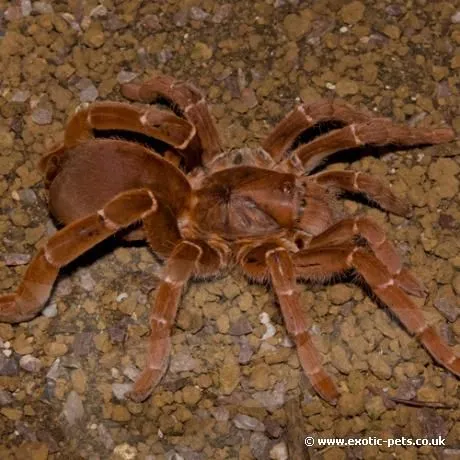
Feeding your King Baboon Tarantula the right food at the correct frequency is crucial for their growth and health. They are voracious eaters in the wild, and in captivity, their diet must be both nutritious and appropriate to their stage of life. The size of the food items must be appropriate for the spider. Overfeeding can lead to health problems and stress, while underfeeding can lead to nutritional deficiencies. Providing the right food is essential for a healthy and content King Baboon Tarantula. Always remove any uneaten food within 24 hours to prevent mold growth and maintain a clean environment. Remember, the tarantula’s feeding habits will also fluctuate with its molting cycle.
Appropriate Food and Frequency
The primary diet of a King Baboon Tarantula consists of insects, such as crickets, mealworms, and roaches. You can also offer larger prey items like small lizards or pinkie mice to adults, but only occasionally. The size of the prey should be no larger than the tarantula’s body length. The feeding frequency depends on the tarantula’s age and size. Young tarantulas should be fed 2-3 times a week, while adults can be fed once a week or every other week. Varying the diet with different types of insects is important to provide a balanced nutrition. It’s important to gut-load insects with nutritious foods before feeding them to your tarantula, as this can provide an additional nutritional boost. Ensure the insects are free of pesticides or other harmful substances before offering them to your tarantula.
Watering and Hydration
Hydration is vital for all tarantulas, and King Baboon Tarantulas are no exception. Provide a shallow water dish with fresh, clean water at all times. The water dish should be small enough to prevent the tarantula from drowning. Alternatively, you can provide water by misting the enclosure regularly, but avoid over-misting, which can lead to excess humidity. Always check the water dish daily and refill it as needed. Consider placing a small sponge or marbles in the water dish to prevent any accidental drowning. Keep the water dish clean and free from debris to maintain a healthy and sanitary environment. Ensure your tarantula has access to fresh water at all times to facilitate molting and overall health.
Handling and Interaction Guidelines

King Baboon Tarantulas are not typically recommended for frequent handling. They can be skittish and may bite if they feel threatened. While they can be observed and enjoyed, it’s essential to prioritize their safety and well-being. Understanding their behavior, practicing safe handling, and creating a stress-free environment are crucial for your tarantula’s welfare. While handling is not strictly prohibited, it should be kept to a minimum, and only undertaken by experienced keepers. Even with proper precautions, handling always carries a risk for both the keeper and the spider, as tarantulas can be delicate.
Understanding Tarantula Behavior
King Baboon Tarantulas, like all tarantulas, display certain behaviors that can signal their mood and intentions. Observing these behaviors can help you understand their needs and avoid unnecessary stress. A tarantula that is relaxed may be calmly moving around or sitting still. A defensive tarantula will often raise its front legs, lift its fangs, or flick hairs as a warning. A tarantula preparing to molt may lose its appetite, become less active, and may spend more time in its burrow. Understanding these behaviors allows you to adapt your care practices to meet your tarantula’s specific needs. Pay attention to these cues, which include behaviors such as leg positioning, abdominal posture, and overall activity level. Familiarizing yourself with these behaviors can also help to prevent unexpected interactions and injuries.
Safe Handling Practices
If you must handle your King Baboon Tarantula, do so with extreme caution. Always approach the tarantula calmly and gently, without making sudden movements. Use a soft brush or a long object to gently encourage it to walk onto your hand. Ensure your hands are clean and free from any lotions or perfumes. When handling, keep your hands close to the ground or a soft surface to minimize the risk of injury if the tarantula falls. Never handle a tarantula when it is in a defensive posture or showing signs of stress. It is crucial to respect the tarantula’s space and boundaries. Wash your hands thoroughly after handling your tarantula. Supervise children when handling the tarantula, and educate them on appropriate handling techniques. Always prioritize the safety and well-being of both yourself and your tarantula.
Common Health Issues and Prevention

Like any pet, King Baboon Tarantulas can be susceptible to certain health issues. Recognizing the signs of illness and taking preventative measures is essential for their long-term health and well-being. Common health issues include parasitic infections, fungal infections, and injuries. The majority of illnesses are preventable through good care practices. Regularly inspecting the enclosure, providing a balanced diet, and maintaining a clean environment will greatly reduce the risk of these issues. Furthermore, being informed about the common diseases that can affect your tarantula and the proper steps to take can lead to early detection and provide an opportunity for timely treatment, which greatly improves the chances of a successful recovery.
Recognizing Signs of Illness
Identifying signs of illness in a King Baboon Tarantula requires careful observation. Changes in behavior, such as a loss of appetite or lethargy, can be indicators of a potential problem. Other signs to watch for include abnormal movements, such as tremors or lack of coordination, or physical changes like lesions or swelling. Observe the tarantula’s molting process; difficulty molting can be a sign of underlying health issues. Any unusual discharge or discoloration should also be noted. If your tarantula exhibits any of these symptoms, it is advisable to consult with a veterinarian specializing in exotic animals. Early detection is key to successful treatment. Prompt intervention by a qualified professional can make a significant difference in ensuring a positive outcome and preventing the condition from worsening.
Preventative Measures and Veterinary Care
Preventative measures are key to maintaining your King Baboon Tarantula’s health. Maintaining a clean and appropriate environment, as described earlier, is the first step. Providing a balanced diet and fresh water is also crucial. Quarantine new tarantulas to prevent the introduction of parasites or diseases into your existing collection. Handle your tarantula with care to avoid injuries. Regular inspections of the enclosure and the tarantula itself can help to identify potential problems early on. If you suspect your tarantula is ill, consult a veterinarian specializing in exotic animals. They can provide a diagnosis and recommend appropriate treatment. Keep a record of your tarantula’s health, including any observations, treatments, and veterinary visits. This will enable you to identify any trends and take appropriate action promptly. Early intervention and preventative care are key to ensuring a long and healthy life for your King Baboon Tarantula.
Conclusion

Caring for a King Baboon Tarantula can be a rewarding experience for the dedicated hobbyist. By adhering to these Top 5 Secrets, you’re well-equipped to provide a safe, stimulating, and enriching environment for your pet. From enclosure setup and feeding to health maintenance and responsible handling, each element plays a crucial role in their well-being. Remember that consistency is key; regular observation, proper care, and a willingness to learn are the cornerstones of responsible tarantula ownership. Enjoy the unique experience of observing and appreciating the captivating world of these incredible creatures and provide them with the best care possible, which will allow you to enjoy your King Baboon Tarantula for many years to come.