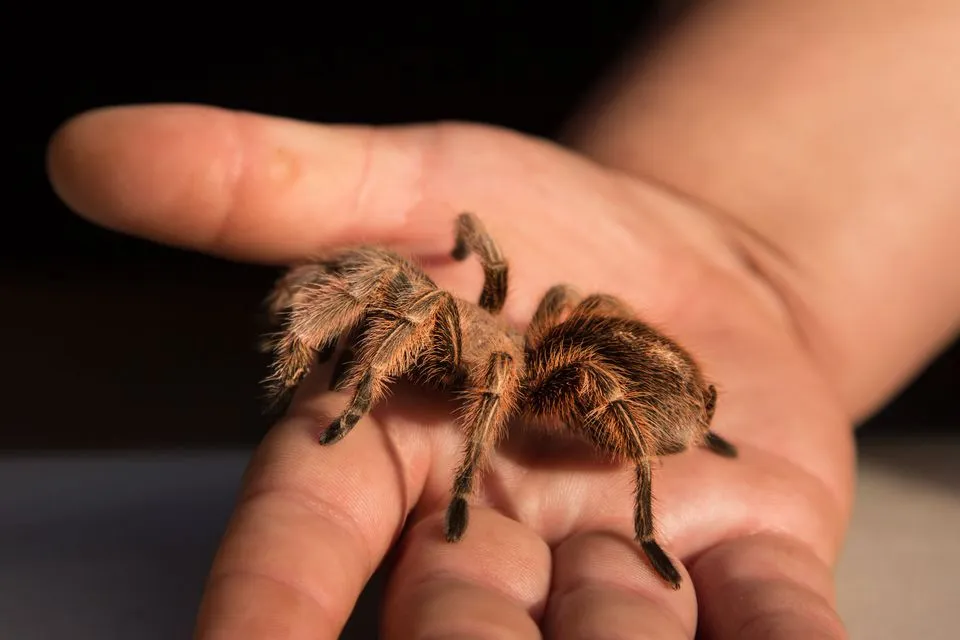
Top 5 Amazing Benefits of Keeping Tarantulas as Pets
Considering a unique pet? Tarantulas, often misunderstood, offer a fascinating and rewarding experience for many pet owners. Beyond their intriguing appearance, keeping a tarantula can bring a host of unexpected benefits. This guide explores five compelling reasons why a tarantula might be the perfect pet for you, dispelling common myths and highlighting the positive aspects of tarantula ownership. From ease of care to their educational value, discover why these eight-legged creatures are gaining popularity as captivating companions.
Reduced Allergies and Asthma Triggers
One of the lesser-known advantages of owning a tarantula is their potential to reduce exposure to common allergens. Unlike furry pets, tarantulas don’t produce dander, a primary trigger for allergies and asthma. This makes them a great alternative for individuals with sensitivities to traditional pets. The absence of fur also means less shedding and a cleaner environment, contributing to improved indoor air quality. Careful handling of the tarantula itself is crucial, and you must always wash your hands after handling them. The enclosure does need to be cleaned, however.
Understanding the Science Behind It

The hypoallergenic nature of tarantulas stems from their exoskeletons, which are composed of chitin, a substance that doesn’t trigger allergic reactions in most people. This contrasts sharply with mammals, which constantly shed dander containing allergens like proteins. By choosing a tarantula, you avoid many of the common allergy issues associated with cats, dogs, and other pets. Always research individual species and your own sensitivities, but tarantulas are a good option for allergy sufferers.
Creating a Safe Environment
To maximize the allergy-reducing benefits, ensure a clean and well-maintained enclosure. Regular cleaning of the habitat is vital to prevent mold and dust buildup, which can still trigger allergies. Using appropriate substrates like coco coir or reptile-safe paper towels, also helps minimize potential allergens. Consistent handwashing after handling the tarantula or interacting with its habitat further reduces any risk of allergic reactions. Always use gloves when cleaning.
The Psychological Benefits
Beyond the practical advantages, tarantula ownership can offer several psychological benefits. Caring for a pet, any pet, provides a sense of purpose and responsibility, which can boost self-esteem and reduce feelings of loneliness. The unique nature of tarantulas can be particularly engaging, providing an outlet for curiosity and fascination. The act of observing and interacting with a tarantula, even in a limited way, can be a form of mindful meditation, encouraging calm and focus.
Stress Reduction and Relaxation

The quiet observation of a tarantula can be a surprisingly effective stress reliever. Watching these creatures move, eat, and interact with their environment can have a calming effect. The low-maintenance nature of tarantulas compared to other pets means less stress related to their care. The simple routine of providing food and water, and occasionally cleaning the habitat, can become a therapeutic ritual, helping to de-stress after a long day. You can gain a sense of accomplishment by taking care of a tarantula.
A Unique and Interesting Pet
Tarantulas offer a distinct and engaging pet ownership experience, differing greatly from traditional pets. Their unusual appearance and behaviors spark curiosity and provide an opportunity to learn about the natural world. Tarantulas, with their diverse species and unique characteristics, provide a constant source of fascination for those interested in the wonders of nature. Their presence can introduce a unique element of excitement and conversation to your home, making them a unique pet.
The Wow Factor and Conversation Starter
Owning a tarantula is a surefire way to become the center of attention. Their unique appeal often leads to intriguing conversations and provides a great way to share your passion for arachnids with others. People are naturally curious about these creatures, offering an opportunity to educate and inspire. Whether you are introducing friends to the beauty of a well-cared-for tarantula, or simply answering questions from strangers, owning a tarantula is sure to bring some interesting conversations.
Educational Opportunities

Keeping a tarantula opens doors to a world of learning and exploration. It’s a fantastic way to teach children and adults about arachnid biology, ecosystems, and responsible pet ownership. You can delve into the specific needs of different tarantula species, their natural habitats, and their behaviors, fostering a deeper understanding of nature. This hands-on experience provides invaluable learning opportunities that go beyond textbooks and lectures, making them engaging and rewarding.
Learning About Arachnids
Tarantulas present a chance to learn about the wider arachnid family, including scorpions, spiders, and mites. You can study their anatomy, their role in the environment, and their fascinating survival strategies. The more you learn about tarantulas, the more you will appreciate the diverse and intricate world of arachnids. Understanding how tarantulas fit into their ecosystems helps emphasize the importance of conservation efforts, creating a more well-rounded appreciation of nature.
Easy to Care For and Low Maintenance
Compared to many other pets, tarantulas are relatively easy to care for, requiring minimal daily attention. They do not need to be walked, bathed, or constantly entertained, making them ideal pets for busy individuals or those with limited space. Their simple needs typically involve regular feeding, providing fresh water, and maintaining a suitable habitat. These aspects make them a practical choice for many people.
Minimal Time Commitment

The biggest advantage of tarantulas is the minimal time investment required for their care. Unlike dogs and cats, tarantulas do not demand constant interaction. Once the habitat is set up, daily care involves feeding the tarantula (typically a few times a week) and ensuring there’s fresh water. The occasional habitat cleaning is necessary, but the overall time commitment is small compared to most pets. This simplicity allows for flexible pet ownership and is ideal for people with demanding schedules.
Understanding Tarantula Needs
Before acquiring a tarantula, it is essential to understand their specific needs to ensure they thrive. Different species have varying requirements, including temperature, humidity, and substrate preferences. Researching these factors will ensure you provide the correct environment for your tarantula. A well-informed approach to tarantula care will result in a healthy and happy pet.
Choosing the Right Tarantula Species
The first step is to choose the right species for your experience level and lifestyle. Some species are more docile and beginner-friendly, while others require more specialized care. Research the temperament, size, and environmental needs of different species before making a decision. This will help you select a species that aligns with your ability to meet their needs. You should also consider the size and cost of the species.
Beginner-Friendly Species

For beginners, species like the Chilean Rose Hair (Grammostola rosea) or the Pinktoe Tarantula (Avicularia avicularia) are often recommended due to their relatively docile temperaments and ease of care. These species are generally more tolerant of handling and require less stringent environmental conditions. They make excellent starting points to become familiar with tarantula care and gain confidence. It is important to research and select a species that is right for you.
Advanced Species and Their Needs
More experienced keepers might consider species that require more specialized care, such as arboreal or fossorial tarantulas. These species often need specific humidity and temperature levels, along with specialized enclosures. Research their needs thoroughly before acquisition. Some species are known for being more defensive or venomous, so they need to be approached with caution. By learning their specific needs, you can be well-equipped for caring for any species.
Setting Up the Tarantula Habitat
The habitat should mimic the tarantula’s natural environment, including appropriate substrate, temperature, and humidity. The size of the enclosure depends on the species and the size of the tarantula, it’s better to be larger than small. It is crucial to provide suitable conditions for your pet to thrive. Proper habitat setup plays a vital role in tarantula health and well-being.
Enclosure Size and Type

Choose an enclosure size that accommodates your tarantula’s adult size. Glass or acrylic enclosures are popular choices as they provide good visibility and can maintain temperature and humidity. Ensure the enclosure has a secure lid to prevent escapes. For arboreal species, taller enclosures are ideal, while terrestrial species need more horizontal space. Ventilation is important to prevent mold, but avoid excessive airflow.
Substrate and Decorations
The substrate should be appropriate for the species and should provide moisture and burrowing opportunities if needed. Common substrates include coconut fiber, peat moss, and vermiculite. Provide hiding places with cork bark, artificial plants, or other decorations to make your tarantula feel safe and secure. Always ensure any decorations are safe and free of chemicals, and avoid sharp or dangerous objects in the habitat.
Feeding Your Tarantula
Tarantulas are carnivores, and their diet consists primarily of insects. The frequency and type of food will depend on the tarantula’s species and age. Providing a varied and appropriate diet ensures that your tarantula remains healthy and thrives. Be careful to not overfeed, as this can lead to health problems.
Types of Food
Common food items include crickets, mealworms, roaches, and other insects. The size of the insects should be appropriate for the size of the tarantula, to prevent any potential injury. Pre-killed insects can be offered, which are also useful when the tarantula is in the process of molting. Always source food from a reputable supplier and make sure your tarantula’s food is healthy and disease-free.
Feeding Frequency and Amounts
Feeding frequency depends on the tarantula’s age and metabolism. Younger tarantulas may need to be fed more often than adults. Overfeeding can lead to obesity, while underfeeding can cause health problems. The appropriate amount is usually one or two insects every few days for adults. The best practice is to observe your tarantula’s eating habits and adjust the feeding schedule accordingly. Always remove uneaten food within 24 hours to prevent mold growth.
Handling and Safety
While tarantulas are not typically aggressive, it’s important to handle them with care and respect. Understanding their behavior, knowing when to avoid handling, and taking necessary precautions are essential for your safety and the well-being of your pet.
Understanding Tarantula Behavior
Tarantulas have different behaviors, and learning their cues can help you understand when they are stressed or feeling threatened. Observe their posture and movements. A defensive posture may involve rearing up or raising their front legs. If the tarantula is exhibiting defensive behavior, it is best to leave them alone and avoid handling. They may also flick hairs as a defense mechanism.
When to Avoid Handling
Avoid handling your tarantula when it is molting or about to molt. At this time, they are particularly vulnerable. Also, avoid handling a tarantula that appears stressed, agitated, or defensive. Never force a tarantula to be handled. Respecting your tarantula’s boundaries enhances your bond and ensures their safety.
Safety Precautions
If you choose to handle your tarantula, do so with caution, near the floor. Always wash your hands before and after handling your tarantula. Avoid handling a tarantula if you have any open cuts or sores on your hands. Be gentle, and move slowly. Handle your tarantula in a secure environment to prevent escape, and always supervise children when interacting with the pet. It’s important to approach the tarantula with respect and care.
Health and Well-being
Ensuring the health and well-being of your tarantula is crucial for its longevity. This involves recognizing common health issues and providing appropriate preventative care. Careful attention to the habitat, diet, and behavior of your tarantula can help to ensure your pet thrives. With proper care, tarantulas can live for many years.
Common Health Issues
Tarantulas can suffer from various health problems. These include parasitic infestations, fungal infections, and injuries. Be vigilant in monitoring your tarantula for any signs of illness. Regular observation and prompt treatment are essential to manage any health issues. With early intervention, many health issues can be resolved.
Recognizing Signs of Illness
Watch for a loss of appetite, lethargy, unusual behaviors, or changes in appearance, such as discoloration or swelling. Also, look for any unusual discharge or changes in molting patterns. Seek professional advice from an experienced veterinarian or a tarantula specialist if you notice any concerning symptoms. Early detection and treatment of health issues can often save your pet.
Preventative Care
Preventative care involves maintaining a clean and healthy habitat, providing a balanced diet, and preventing stress. Regular cleaning of the enclosure and proper humidity levels helps prevent fungal infections. A nutritious diet ensures your tarantula receives essential nutrients. Regular observation and quick response to any health issues. Good preventative care will enable your tarantula to live a long, healthy life.
Conclusion
Keeping a tarantula as a pet can be a rewarding experience. With an understanding of their needs and behaviors, you can enjoy the benefits these fascinating creatures offer. They’re low-maintenance, unique, and can bring a sense of wonder to your home. As you learn more about tarantulas, you can gain a greater appreciation of the natural world. Ultimately, tarantulas provide an engaging experience for pet owners looking for something different.