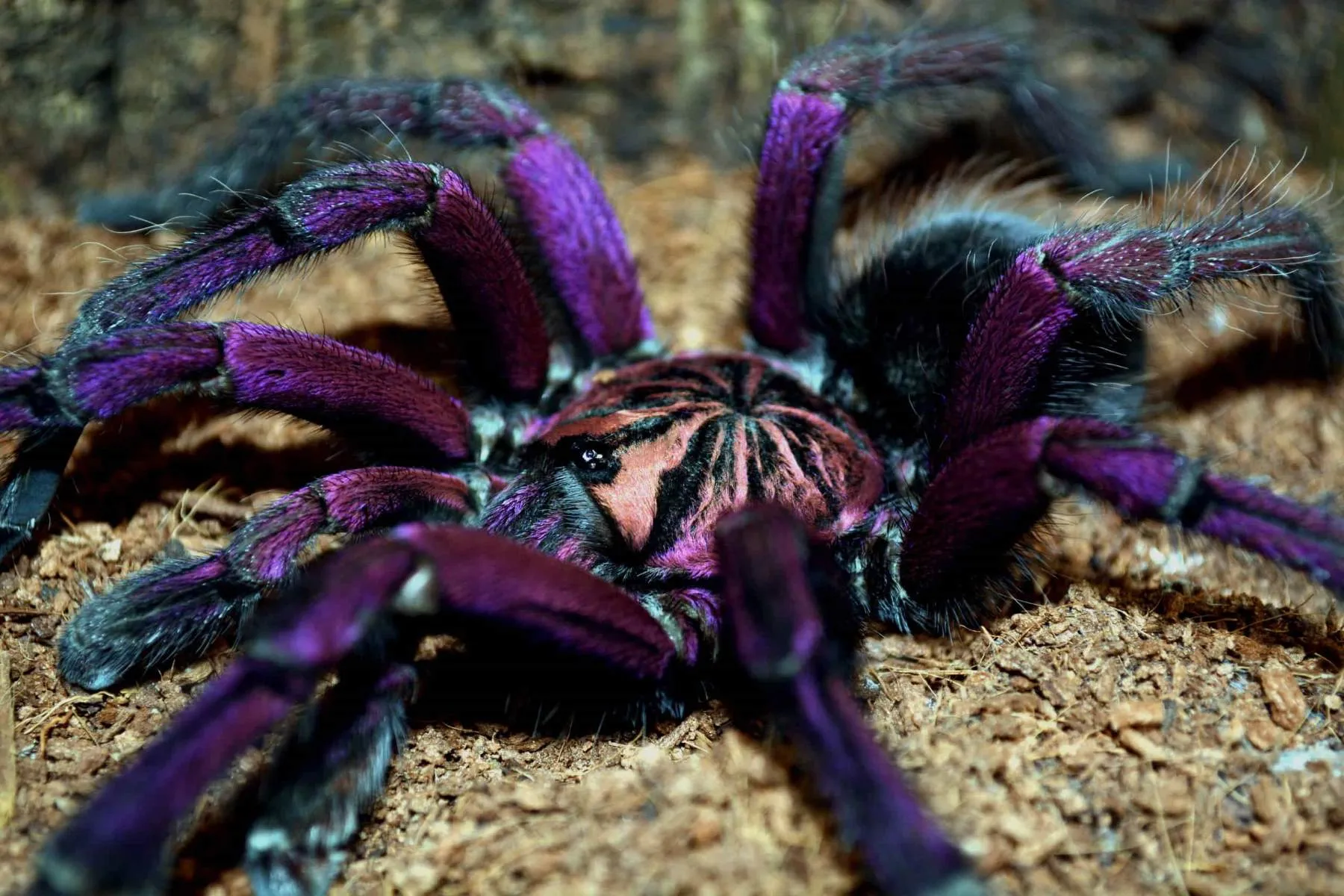
Jumping Spiders vs Tarantulas Fact 1 Size Differences
One of the most immediately noticeable differences between a jumping spider and a tarantula is their size. Jumping spiders are, as their name suggests, quite small, typically ranging from 1/16 to 3/4 of an inch in length. This diminutive size allows them to navigate complex environments with ease, and their small stature is part of their unique charm. They are easily overlooked, often mistaken for tiny specks moving around on walls or plants. Their compact size is a significant advantage when hunting and allows them to squeeze into narrow spaces. Their small size contributes significantly to their agility and ability to evade predators, making them highly successful hunters within their niche. This size disparity is a key feature that helps differentiate them.
Tarantulas, on the other hand, are giants in the spider world. These arachnids can have a leg span that reaches over 10 inches, making them substantially larger than even the biggest jumping spider. This size difference impacts their hunting strategies, habitat preferences, and overall lifestyle. The sheer bulk of a tarantula often makes it a more imposing predator, though they are generally not as agile as their smaller counterparts. Size is a critical factor in their ability to capture and consume larger prey. Because of their size, they often require different environmental conditions to thrive. Therefore, size is a fundamental characteristic distinguishing these two spider families.
Jumping Spiders vs Tarantulas Fact 2: Habitat and Distribution
Jumping spiders are incredibly adaptable and can be found in a wide variety of habitats worldwide. They thrive in environments ranging from tropical rainforests to suburban gardens. Their versatility is one of the reasons they are so successful. They often prefer areas with dense vegetation and sunlight, which provides ample cover and opportunities for hunting. They are often found on the surfaces of plants, fences, and walls, where they patiently wait for prey. Their ability to colonize diverse settings speaks volumes about their adaptability and survival skills, making them a common sight in many ecosystems. Their global presence highlights how well they have adapted to various climates and conditions.
Tarantulas also display a global distribution, but they are generally found in warmer climates. They are native to areas across the Americas, Asia, Africa, and Australia. They usually prefer habitats that provide them with shelter, such as burrows in the ground or under rocks and logs. Their distribution is often influenced by temperature and humidity, as they need specific environmental conditions to thrive. Some species of tarantulas have adapted to live in arid environments, while others prefer more humid, tropical settings. Their larger size often restricts them to specific ecological niches, where they can find adequate food and shelter. This limited niche contributes to their presence across different environments, which is distinct from the ubiquitous nature of the jumping spider.
Jumping Spiders vs Tarantulas Fact 3: Physical Characteristics

Jumping spiders are distinguished by their compact body shape and large, forward-facing eyes. These prominent eyes provide them with excellent vision, which is essential for their active hunting style. They possess a keen ability to perceive depth and distance, which enables them to accurately judge the distance needed for their signature jumps. They often have a colorful and diverse appearance, with patterns and hues that vary significantly across different species. Their bodies are covered in fine hairs, which help them sense their surroundings. Their overall design is tailored for agility, with relatively short legs compared to their body size. This design allows them to leap and stalk prey effectively. These characteristics make them very recognizable.
Tarantulas, in contrast, have a more robust appearance, with a larger body and longer, hairy legs. They possess eight eyes, but their vision is not as acute as that of jumping spiders. They rely more on sensory hairs on their legs and bodies to detect movement and vibrations. Their bodies are typically covered in dense hairs, which often have a warning coloration. Many species have a striking appearance, with a variety of colors and patterns. These hairs also serve a defensive function, acting as irritants when disturbed. Tarantulas’ physical build is geared more towards strength and a burrowing lifestyle. This contrast highlights the differences in their lifestyle, with tarantulas favoring a more defensive approach compared to the agile hunting style of jumping spiders.
Jumping Spiders vs Tarantulas Fact 4: Behavior and Hunting Styles
Jumping spiders are active hunters known for their unique hunting style. They stalk their prey, carefully assessing the distance before leaping onto their target. Their remarkable jumping ability is a crucial aspect of their hunting strategy, allowing them to pounce on unsuspecting insects and other small invertebrates. They have a high degree of intelligence for their size and have been observed demonstrating problem-solving skills in their hunting approach. They are curious creatures, often exploring their surroundings. Their daytime activity and active hunting style contrast sharply with the ambush tactics of many other spiders. They often employ silk lines for safety and to quickly retreat if they need to escape predators. Their agility makes them successful predators.
Tarantulas are generally ambush predators, though some species actively hunt. They often lie in wait, concealed in burrows or under cover, until prey comes within striking distance. They rely on their size and strength to subdue their prey, which can include insects, small lizards, and even small mammals. Their hunting behavior is often more deliberate and less reliant on agility than that of the jumping spider. They have specialized fangs that deliver venom to immobilize or kill their prey. Some tarantula species are nocturnal, while others hunt during the day. Their hunting style is characterized by patience and stealth, making them very successful predators in their own right. Their tactics are very different from jumping spiders.
Jumping Spiders vs Tarantulas Fact 5: Venom and Danger Level
Both jumping spiders and tarantulas possess venom, but its effects vary significantly. The venom of jumping spiders is generally considered harmless to humans. Their bites are often painless or cause only minor irritation. They use venom primarily to subdue their prey. While their bites may cause some localized discomfort, they are not medically significant. Their small size and relatively weak venom mean that they pose little threat to humans. They are generally considered beneficial creatures, controlling populations of other insects. Their venom is primarily designed for small invertebrate prey. Their limited impact makes them a safe companion.
Tarantulas have a more potent venom, though most species are not considered deadly to humans. Their bites can be painful and may cause symptoms like muscle cramps and swelling. While serious reactions are rare, it is still advisable to seek medical attention if bitten. The severity of the reaction depends on the species of tarantula and the individual’s sensitivity. Some tarantulas also possess urticating hairs, which they can flick at perceived threats. These hairs can cause skin irritation and other allergic reactions. Despite their size and venom, tarantulas are often docile and prefer to avoid confrontation. Their venom is designed to subdue larger prey. This combination of factors creates a higher level of risk compared to jumping spiders.
Jumping Spiders vs Tarantulas Conclusion

In summary, the simple answer is no, a jumping spider is not a tarantula. These arachnids differ greatly in size, habitat, physical characteristics, hunting styles, and the potential danger they pose to humans. Jumping spiders are small, agile hunters with a harmless bite, while tarantulas are larger, more robust spiders that rely on ambush tactics and have a more potent venom. While they are both spiders, their evolutionary paths have led to very distinct lifestyles and adaptations. Appreciating these differences helps in understanding the diversity of the spider world. By recognizing these differences, one can better appreciate the unique characteristics that each of these fascinating creatures brings to their respective ecosystems. Both play essential roles in their environments, helping to control insect populations and contributing to the overall biodiversity of their habitats.