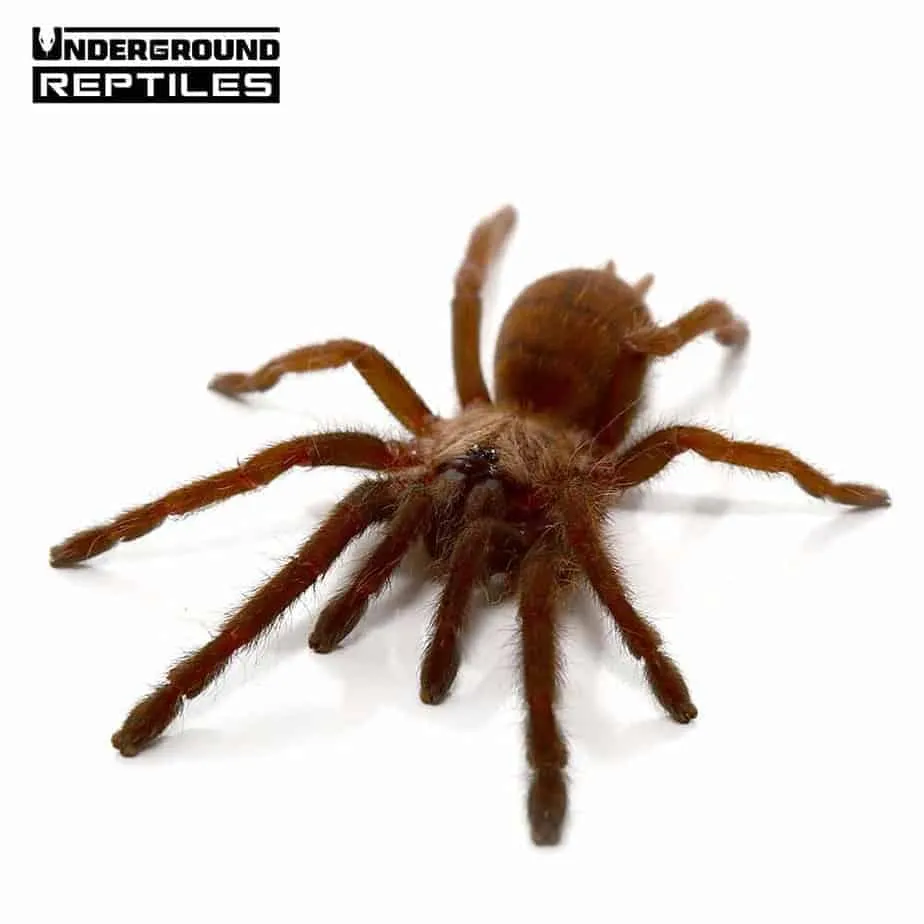
Indian Violet Tarantula Habitat Needs
Caring for an Indian Violet Tarantula involves understanding its specific habitat requirements. These fascinating creatures, native to the tropical regions, thrive when their environment closely mimics their natural surroundings. Providing the right habitat is crucial for their health, longevity, and overall well-being. This care sheet will outline the most critical elements for successfully keeping an Indian Violet Tarantula happy and healthy.
Enclosure Size
The size of the enclosure is one of the most important considerations. An adult Indian Violet Tarantula needs a terrarium that is at least 10 gallons, with dimensions of approximately 12x12x12 inches. While they are not particularly active, they still need enough space to move around, burrow (if a terrestrial species), and establish a comfortable territory. A larger enclosure is always preferable as it provides more space for enrichment and helps regulate humidity and temperature more effectively. Remember, a well-sized enclosure is essential for the tarantula’s psychological and physical health.
Substrate
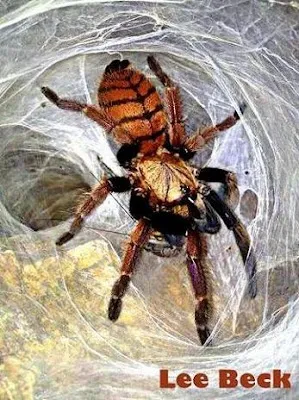
Choosing the right substrate is vital for maintaining the proper humidity levels and providing a comfortable environment. A mixture of coconut fiber, peat moss, and a small amount of vermiculite is ideal. This combination holds moisture well, allows for burrowing (if your tarantula likes to burrow), and provides a naturalistic look. The substrate should be deep enough, typically 3-4 inches, to allow the tarantula to burrow and feel secure. Avoid using substrates like sand or gravel, as they do not retain moisture well and can be abrasive.
Temperature and Humidity
Indian Violet Tarantulas thrive in a warm and humid environment. The ideal temperature range is between 75°F and 85°F (24°C and 29°C). You can use a heat mat or a low-wattage heat lamp to maintain the correct temperature. Ensure the heat source is regulated with a thermostat to prevent overheating. Humidity levels should be maintained between 70% and 80%. This can be achieved by misting the enclosure with dechlorinated water every few days and ensuring proper ventilation to prevent mold growth. A hygrometer is useful for monitoring humidity levels.
Feeding Your Indian Violet Tarantula
Proper nutrition is essential for your Indian Violet Tarantula’s health and growth. Providing a balanced diet of appropriate prey items will ensure it lives a long and healthy life. Overfeeding can be as harmful as underfeeding, so it’s important to establish a feeding schedule that suits your tarantula’s needs and life stage.
What to Feed

The primary diet for an Indian Violet Tarantula consists of insects. Crickets, dubia roaches, mealworms, and other commercially available feeder insects are suitable options. The size of the prey should be appropriate for the size of the tarantula; generally, the prey should be no larger than the tarantula’s abdomen. Gut-load the insects with nutritious food before feeding them to your tarantula to provide additional vitamins and minerals. Avoid feeding wild-caught insects, as they may carry parasites or pesticides.
Feeding Frequency
The feeding frequency depends on the tarantula’s age. Spiderlings (young tarantulas) may need to be fed two to three times a week, while adult tarantulas can be fed once a week or even less frequently. Observe your tarantula’s abdomen to determine if it is well-fed. A well-fed tarantula will have a plump abdomen. If the abdomen is very thin, increase the feeding frequency. Remove uneaten prey within 24 hours to prevent stress on the tarantula.
Watering and Hydration
Access to fresh water is crucial for your tarantula’s hydration. Provide a shallow water dish filled with fresh, dechlorinated water at all times. The water dish should be small enough to prevent the tarantula from drowning. Regularly check and refill the water dish, cleaning it as needed to prevent bacteria growth. In addition to a water dish, misting the enclosure occasionally will help maintain the necessary humidity levels and allow the tarantula to drink water droplets.
Handling and Interaction

While Indian Violet Tarantulas are fascinating creatures, it’s essential to handle them with caution. They are not generally considered handleable pets, and direct interaction should be minimized to reduce the risk of bites and stress to the tarantula. Understanding their behavior and knowing how to approach them safely is key to a positive experience.
Do Indian Violet Tarantulas Bite
Yes, Indian Violet Tarantulas can bite, though it is not very common. Bites can be painful, but their venom is generally not considered medically significant to humans. However, individual reactions to the venom can vary. The tarantula may bite if it feels threatened or startled. Therefore, it’s important to avoid sudden movements and to respect the tarantula’s space.
Safe Handling Practices
If handling is necessary (e.g., for enclosure maintenance), do so with extreme care. Always use a soft, wide paintbrush to gently guide the tarantula into a container or avoid handling altogether if possible. Never grab or squeeze the tarantula. Handle them close to the ground or a soft surface to minimize the risk of injury from a fall. Wash your hands thoroughly before and after handling to prevent the spread of diseases.
Common Health Issues
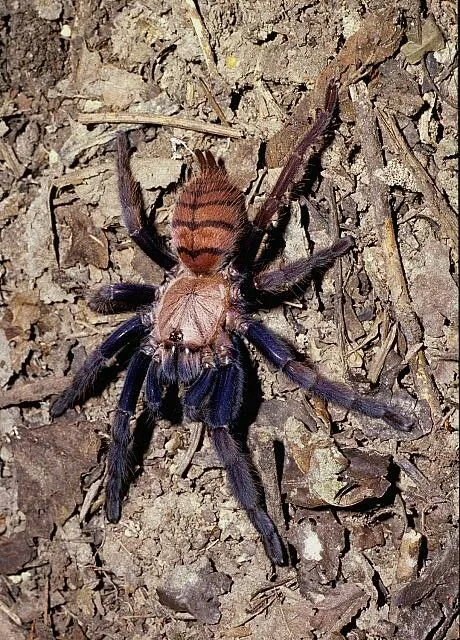
Like any pet, Indian Violet Tarantulas can be susceptible to certain health issues. Recognizing these potential problems and knowing how to address them is crucial for ensuring your tarantula’s well-being. Proper care, including providing a suitable environment and appropriate diet, will help prevent many of these issues.
Moulting Process
Moulting is a natural process where tarantulas shed their exoskeleton to grow. During this time, the tarantula will usually stop eating and may appear sluggish. The tarantula will flip onto its back, and the old exoskeleton will split open. Do not disturb the tarantula during moulting. Provide a humid environment and avoid feeding the tarantula until its fangs have hardened, usually a week after moulting. The discarded exoskeleton can provide insights into the tarantula’s health and growth.
Parasites and Diseases
While relatively disease-resistant, tarantulas can be affected by parasites such as mites. Mites can be introduced through contaminated substrate or insects. Regularly inspect the tarantula for any signs of infestation. If mites are present, isolate the tarantula and remove the infested substrate. Clean the enclosure thoroughly, and consider using mite-killing solutions specifically designed for reptiles and arachnids. Ensure proper ventilation and avoid overcrowding to reduce the risk of disease.
Creating a Thriving Habitat

Creating an environment that mimics the tarantula’s natural habitat is essential for its well-being. This includes providing proper shelter, a suitable substrate, and appropriate décor. A well-designed enclosure provides enrichment and allows the tarantula to exhibit natural behaviors, contributing to its overall health and happiness.
Decorating the Enclosure
Adding decorations to the enclosure provides enrichment and allows the tarantula to feel secure. Include items such as cork bark, artificial plants, and hides. These elements provide hiding places, which are crucial for the tarantula’s sense of security and allow it to regulate its environment. Arrange the décor in a way that allows the tarantula to move around easily and does not obstruct its access to food and water. Avoid sharp objects that could injure the tarantula.
Maintaining Cleanliness
Regular cleaning is vital for maintaining a healthy environment and preventing the buildup of harmful bacteria. Spot clean the enclosure weekly by removing any uneaten food, fecal matter, and shed skin. Replace the substrate every few months, or sooner if it becomes soiled. Ensure the enclosure is well-ventilated to prevent mold growth. Use a mild, reptile-safe disinfectant to clean the enclosure. Always rinse the enclosure thoroughly after cleaning to remove any traces of cleaning agents.
Breeding and Reproduction

Breeding Indian Violet Tarantulas requires advanced knowledge and careful planning. The process involves several stages, from sexing the tarantulas to providing the appropriate environment for mating and egg-laying. Successful breeding requires a deep understanding of the tarantula’s biology and behavior.
Identifying Sex
Sexing tarantulas can be challenging, especially at a young age. The most reliable method involves examining the tarantula’s shed exoskeleton. Mature males have specialized structures called tibial hooks on their front legs, which they use to hold the female’s fangs during mating. Females have a spermathecae (sperm storage organs) visible on their underside after their final molt. If you are unsure, it is best to consult with an experienced breeder or veterinarian.
Mating Process
Mating Indian Violet Tarantulas is a delicate process. Introduce the male to the female’s enclosure, and observe their behavior carefully. The male will drum on the substrate to attract the female. If the female is receptive, she will allow the male to approach. After mating, separate the tarantulas to prevent the female from cannibalizing the male. The female will lay eggs in a silk egg sac, which she will fiercely protect. It takes a considerable amount of expertise to successfully breed tarantulas and raise spiderlings.
Caring for an Indian Violet Tarantula can be a rewarding experience. By providing the appropriate habitat, nutrition, and handling with care, you can ensure that your tarantula lives a long, healthy, and fulfilling life. Remember to always research and learn as much as possible about these fascinating creatures to provide the best possible care.