Understanding Tarantula Dietary Needs
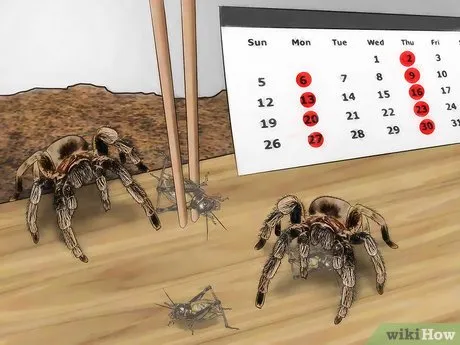
Feeding a tarantula might seem straightforward, but understanding their dietary needs is crucial for their health and longevity. Tarantulas are obligate carnivores, meaning their diet primarily consists of insects. Crickets are a popular and convenient food source, but the quantity and frequency of feeding depend on several factors. Providing the right nutrition and amount of food prevents health issues like obesity, molting problems, and even premature death. A well-fed tarantula is a healthy tarantula. Careful consideration of your tarantula’s specific needs is the foundation of responsible pet ownership.
Factors Influencing Cricket Feeding
Several key factors determine how often and how much you should feed your tarantula crickets. These factors include the tarantula’s size and species, its age and growth stage, and the environmental conditions in its enclosure. Ignoring these aspects can lead to problems, such as underfeeding, overfeeding, or poor molting cycles. Being aware of these influencing elements allows you to customize your feeding plan to best fit your tarantula’s individual requirements. Adjusting the plan periodically as your tarantula grows or conditions change is essential for its ongoing well-being.
Tarantula Size and Species
The size of your tarantula is a significant factor. A larger tarantula naturally requires more food than a smaller one. Additionally, different tarantula species have different metabolic rates and growth patterns. Some species, like the fast-growing Mexican Red Knee, may require more frequent feeding when young, while others, like some of the slower-growing species, might eat less frequently. Researching the specific needs of your tarantula species is a key step. Knowing the typical size and growth rate of your species lets you anticipate its food requirements.
Tarantula Age and Growth Stage
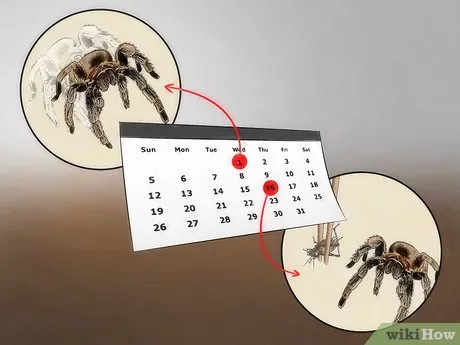
Tarantulas, like all living creatures, have varying nutritional needs depending on their life stage. Spiderlings (baby tarantulas) are actively growing and need more frequent feeding to support their development. As they mature into juveniles and adults, their feeding frequency can be reduced. During molting cycles, tarantulas typically stop eating altogether. Understanding these growth phases is crucial for avoiding both overfeeding and underfeeding. Adjust the feeding schedule as your tarantula grows to ensure it receives the right amount of food for each stage of its life.
Environmental Factors
Environmental conditions, such as temperature and humidity, can also impact a tarantula’s appetite. Higher temperatures generally increase metabolism, potentially increasing the need for food, while very low temperatures can slow down metabolism and appetite. Humidity levels can indirectly affect feeding. Dry environments can make it harder for a tarantula to molt, which can temporarily reduce its appetite. Maintaining optimal conditions within the enclosure ensures that your tarantula feels comfortable and is able to eat properly. Regularly monitor the environmental conditions, especially if you see any change in your tarantula’s feeding habits.
Determining the Right Cricket Size

Choosing the right size crickets is just as important as the number of crickets you feed. Crickets that are too large can be a hazard to your tarantula, while crickets that are too small may not provide adequate nutrition or be worth the effort for a larger tarantula. The rule of thumb is to offer crickets that are no longer than the tarantula’s body (excluding legs). Properly sized crickets allow the tarantula to hunt and eat comfortably, reducing the risk of injury. If the crickets are too big, the tarantula might get overwhelmed, or the crickets might injure it.
Cricket Size vs. Tarantula Size
Matching the cricket size to your tarantula’s body size is a crucial step. A good guideline is to use crickets that are roughly the same size as the tarantula’s abdomen or slightly smaller. For spiderlings, pinhead crickets (very small, newly hatched crickets) are ideal. Juvenile tarantulas can handle slightly larger crickets. Adult tarantulas can usually handle larger crickets, but still be cautious. Always observe your tarantula to see how well it handles the crickets. Adjust the size if the tarantula struggles to subdue and eat the prey.
Avoiding Overfeeding
Overfeeding is a common mistake and can lead to serious health problems. A tarantula that is too fat may experience molting difficulties, decreased mobility, and a shorter lifespan. Signs of overfeeding include a swollen abdomen, sluggish behavior, and a lack of interest in food. It is always better to slightly underfeed than overfeed. Providing the right amount of food will keep your tarantula healthy and active. Regularly observe your tarantula’s abdomen to monitor its weight. Adjust the feeding schedule accordingly if you notice any signs of overfeeding.
Creating a Cricket Feeding Schedule

Establishing a consistent feeding schedule is essential for your tarantula’s health and well-being. The frequency of feeding depends on the age and size of the tarantula. A regular schedule helps you monitor your tarantula’s eating habits and spot any changes that might indicate a health problem. It also helps maintain a stable environment within the enclosure. Consistency in feeding reduces stress on your tarantula. Remember to always adjust the schedule as needed, based on your tarantula’s growth, molting cycle, and overall health.
Feeding Frequency for Spiderlings
Spiderlings, the smallest and youngest tarantulas, require more frequent feeding to support their rapid growth. They should be fed every other day or even daily, providing them with small, appropriately sized crickets. It is important to offer only a few crickets at a time. Remove any uneaten crickets after a few hours to prevent them from bothering the spiderling. Monitor the spiderling’s abdomen to see if it is well-fed. Be ready to make adjustments to the feeding frequency according to the spiderling’s feeding habits.
Feeding Frequency for Juvenile Tarantulas
Juvenile tarantulas, which are older than spiderlings but not yet adults, can be fed less frequently than spiderlings. A good feeding schedule for juveniles is about twice a week, depending on the species and their appetite. The number of crickets per feeding can be increased as the tarantula grows. Always watch to make sure your tarantula eats its food without any problems. This stage is an important time for tarantulas to prepare for adulthood, so make sure to adjust the amount of food accordingly.
Feeding Frequency for Adult Tarantulas

Adult tarantulas have reached their full size, so their feeding needs decrease compared to earlier stages. Typically, adults only need to be fed once a week or even every other week. Some adult tarantulas may even eat less often than that, especially those approaching a molt. Always adjust the amount of food based on the species and the individual tarantula’s appetite. Some keepers feed their adults even less often. Remember to always have fresh water available. During molting periods, adult tarantulas will stop eating completely.
Cricket Preparation and Feeding Techniques
Proper preparation and feeding techniques can significantly enhance the health and safety of your tarantula. This includes gut-loading the crickets, removing uneaten crickets, and providing fresh water. These practices help to make the feeding process beneficial for your tarantula. By focusing on these details, you can ensure that the crickets are nutritious and safe for your pet. These techniques improve your tarantula’s diet and make the enclosure healthier.
Cricket Gut-Loading
Gut-loading involves feeding the crickets a nutritious diet before offering them to your tarantula. This process enhances the nutritional value of the crickets, providing your tarantula with essential vitamins and minerals. You can gut-load crickets with a commercial cricket food or a mix of fresh vegetables, fruits, and grains. Gut-loading significantly improves the quality of the meal. It ensures your tarantula receives a balanced diet, especially if the crickets are the primary food source. It is a very easy and important practice to improve your tarantula’s nutrition.
Removing Uneaten Crickets

Leaving uneaten crickets in the tarantula’s enclosure can pose several risks. Crickets can stress or even injure the tarantula, especially during molting. They can also contaminate the enclosure with their droppings and dead bodies, which can promote the growth of mold and bacteria. Remove uneaten crickets within 24 hours after feeding. This practice maintains a clean and safe environment for your tarantula. Use a pair of tongs to easily catch the crickets, keeping them from hiding in difficult-to-reach places within the enclosure. Clean the enclosure regularly, and any uneaten food.
Offering Water
Providing a constant supply of fresh water is a vital aspect of tarantula care. Tarantulas drink water to stay hydrated. A shallow water dish or a water-filled cotton ball, depending on the tarantula’s size, is ideal. Ensure the water source is shallow enough to prevent the tarantula from drowning. Refresh the water daily to avoid bacterial growth and to keep the enclosure clean. Water is essential for healthy molting. It helps prevent dehydration. Keep the water clean and accessible to keep your tarantula healthy and hydrated.
Monitoring Your Tarantula’s Health
Regularly monitoring your tarantula’s health is essential for catching any problems early and providing appropriate care. Observe their behavior, eating habits, and physical appearance. Early detection of health issues can lead to more effective treatment and improved outcomes. By keeping a close eye on your tarantula, you can respond promptly to any changes in its condition. Being aware of the signs of a healthy or unhealthy tarantula empowers you to provide the best possible care. Consistent monitoring builds your knowledge of the tarantula’s needs and helps to ensure a long, healthy life.
Signs of a Healthy Tarantula

A healthy tarantula is typically active and alert, though some species are more reclusive than others. It should exhibit a good appetite and readily accept food when offered. The abdomen should be plump but not excessively swollen. The tarantula’s movements should be coordinated, and it should have no difficulty climbing or moving around its enclosure. The appearance of a healthy tarantula is also important. The carapace and legs should be intact, with no missing limbs or other physical damage. The fangs should be clean and functional. Look for shiny and healthy skin, especially after a molt, as it is an important sign of well-being. A healthy tarantula shows a balanced and thriving state.
Signs of Overfeeding
Overfeeding can lead to several health issues, so it’s important to be aware of the signs. A tarantula that is overfed often has a noticeably distended abdomen. The abdomen may appear swollen and may not return to its normal size after eating. The tarantula might also become less active. If you notice these signs, reduce the feeding frequency. Another sign of overfeeding is a lack of interest in food, even when offered. If your tarantula stops eating, it can be a sign of a problem. Always monitor your tarantula’s body condition. Adjust the feeding schedule as needed to keep your tarantula in optimal health.
Troubleshooting Common Feeding Issues
Even with careful planning, you might encounter feeding issues. A tarantula refusing food, for example, could indicate a problem with the environment, health, or upcoming molt. If your tarantula refuses to eat, check the temperature, humidity, and cleanliness of the enclosure. If the enclosure is too dry or too cold, the tarantula might not feel like eating. If you suspect a health problem, consult with an expert. Providing proper care and addressing potential problems is a key component of responsible tarantula ownership. Understanding how to address common feeding challenges will equip you with the skills to give the best care.
In conclusion, knowing how many crickets to feed your tarantula is not just about the number, but also about the overall health and wellness of the spider. Considering factors like size, age, and environmental conditions will help you create a feeding schedule that keeps your tarantula healthy and happy. Always observe your tarantula’s behavior, adjust the schedule as needed, and seek expert advice if any concerns arise. Enjoy the journey of caring for your tarantula, and watch your pet thrive!