Understanding Dried Tarantulas
Embarking on a culinary adventure often leads to the discovery of unique and unexpected flavors. Among the more unconventional ingredients gaining attention is the dried tarantula. This article delves into the world of cooking dried tarantulas, offering a comprehensive guide for those curious about this exotic culinary practice. From understanding the origins and nutritional value to the step-by-step preparation and serving suggestions, this guide equips you with all the necessary knowledge to prepare and enjoy this unusual delicacy. Get ready to explore a world beyond the ordinary, where flavor and adventure meet on your plate.
What are Dried Tarantulas
Dried tarantulas are exactly what they sound like spiders that have been dried and preserved for consumption. They are a common food source in certain parts of the world, particularly in Southeast Asia, where they have a long history of culinary use. The process of drying often involves methods such as sun-drying or oven-drying, which removes moisture and helps to preserve the tarantula, enhancing its shelf life and making it suitable for various cooking methods. The flavor profile is often described as earthy, with a texture that can be crunchy on the outside and soft on the inside. Different preparation techniques can significantly alter the taste and texture, allowing for a diverse range of culinary experiences.
Nutritional Value of Dried Tarantulas

Surprisingly, dried tarantulas offer a decent nutritional profile. They are a source of protein, essential for building and repairing tissues in the body. They also contain fats, some of which are healthy. Additionally, dried tarantulas can provide minerals such as iron, zinc, and magnesium, which are vital for various bodily functions. The specific nutritional content can vary depending on the species of tarantula, their diet, and the preparation method. However, the inclusion of these arachnids in a balanced diet can contribute to meeting daily nutrient requirements. As with any food, moderation and awareness of potential allergens are key.
Where to Source Dried Tarantulas
Sourcing dried tarantulas can be a unique experience. For those in regions where tarantulas are traditionally consumed, local markets might offer them. Otherwise, specialty food stores that focus on exotic ingredients are an option. Online retailers specializing in unusual foods or insect-based products may also carry dried tarantulas. When purchasing, it’s crucial to ensure that the tarantulas are sourced responsibly, from reputable suppliers who follow proper handling and preservation practices. Check for certifications or quality assurance to ensure safety and freshness. Always research the seller and read reviews to verify the product’s quality and the seller’s reliability before making a purchase.
Preparing for Your Dried Tarantula Recipe
Essential Equipment

Preparing dried tarantulas requires a few specific tools and equipment. First, you’ll need a good quality oven or a cooking surface suitable for roasting. A non-stick pan is helpful to prevent the tarantulas from sticking during the cooking process. Tongs are essential for handling the tarantulas safely while cooking. A small knife or scissors can be used for trimming or preparing the tarantulas, removing any unwanted parts. A mixing bowl is useful for seasoning and marinating the tarantulas. Lastly, a plate or serving dish is necessary for presentation. Ensuring you have all the right equipment will make the cooking process smooth and efficient.
Cleaning and Handling Tarantulas
Before cooking, cleaning the dried tarantulas is an important step. Inspect each tarantula carefully, removing any dirt, debris, or unwanted parts. Some cooks remove the fangs, though this is a matter of preference. If the tarantulas have been stored improperly, there might be dust or other contaminants. Handle the tarantulas with care, using tongs or gloves to maintain hygiene and prevent contamination. Be aware that some people may be allergic to tarantulas, so precautions are necessary. Ensure your hands and all equipment are clean before starting. Proper cleaning ensures a safe and enjoyable culinary experience.
Key Ingredients
Beyond the dried tarantulas themselves, the ingredients you choose will shape the final flavor. Olive oil or a similar cooking oil is essential for roasting. Spices and seasonings are key to enhancing the taste; consider options like salt, pepper, garlic powder, onion powder, paprika, or chili flakes. Fresh herbs such as rosemary or thyme can add depth. Lemon or lime juice can provide a touch of acidity. Depending on the recipe, you might also include sauces, such as soy sauce or a sweet chili sauce. The key is to balance the flavors to complement the tarantula’s natural taste. Experimenting with different spice combinations can lead to a personalized and delicious dish.
The Delicious Dried Tarantula Recipe

Step 1 Roasting the Tarantulas
Preheat your oven to a moderate temperature, typically around 350°F (175°C). Place the cleaned and prepared tarantulas on a baking sheet lined with parchment paper. Lightly drizzle them with olive oil and ensure they are evenly coated. Roast the tarantulas in the preheated oven for about 15-20 minutes, or until they turn golden brown and crispy. The exact cooking time may vary depending on the size of the tarantulas. Keep a close watch during this stage to prevent burning. Roasting helps to bring out the natural flavors and textures of the tarantulas, making them more appealing to the palate.
Step 2 Seasoning and Spicing
While the tarantulas are roasting, prepare your seasonings. In a small bowl, combine your chosen spices such as salt, pepper, garlic powder, and any other ingredients you like. Once the tarantulas are slightly roasted, remove them from the oven. Sprinkle the seasoning mixture evenly over the tarantulas. Gently toss or turn them to ensure that all sides are well-coated. The seasoning stage is crucial for enhancing the overall flavor of the dish. Be generous with your spices, as they will permeate the tarantulas during the final cooking phase. Adjust the seasoning to your personal taste preferences for the best results.
Step 3 The Cooking Process

After seasoning, return the tarantulas to the oven. Continue roasting them for another 10-15 minutes, or until they are fully cooked and the spices have melded with the tarantulas. The cooking process is complete when they are crispy on the outside and heated through. Use a food thermometer to ensure the internal temperature reaches a safe level. You can also cook the tarantulas in a pan on a stovetop; this can enhance the texture and flavor. The cooking process is crucial for achieving the desired texture and ensuring the tarantulas are safe to eat. The key is to monitor them closely to avoid overcooking or burning.
Step 4 Taste Test and Adjustments
Before serving, taste a small portion of the cooked tarantulas. Evaluate the flavors and textures. If necessary, make adjustments to the seasoning. You might add more salt, pepper, or any other spices to enhance the taste. You can also adjust the cooking time to achieve the desired crispiness. This is a crucial step, as it ensures that the final dish meets your taste preferences. If the tarantulas are too dry, you could add a sauce or a squeeze of lemon juice. Make sure to take detailed notes on each step to replicate the dish perfectly next time.
Serving and Enjoying Your Dish
Plating and Presentation

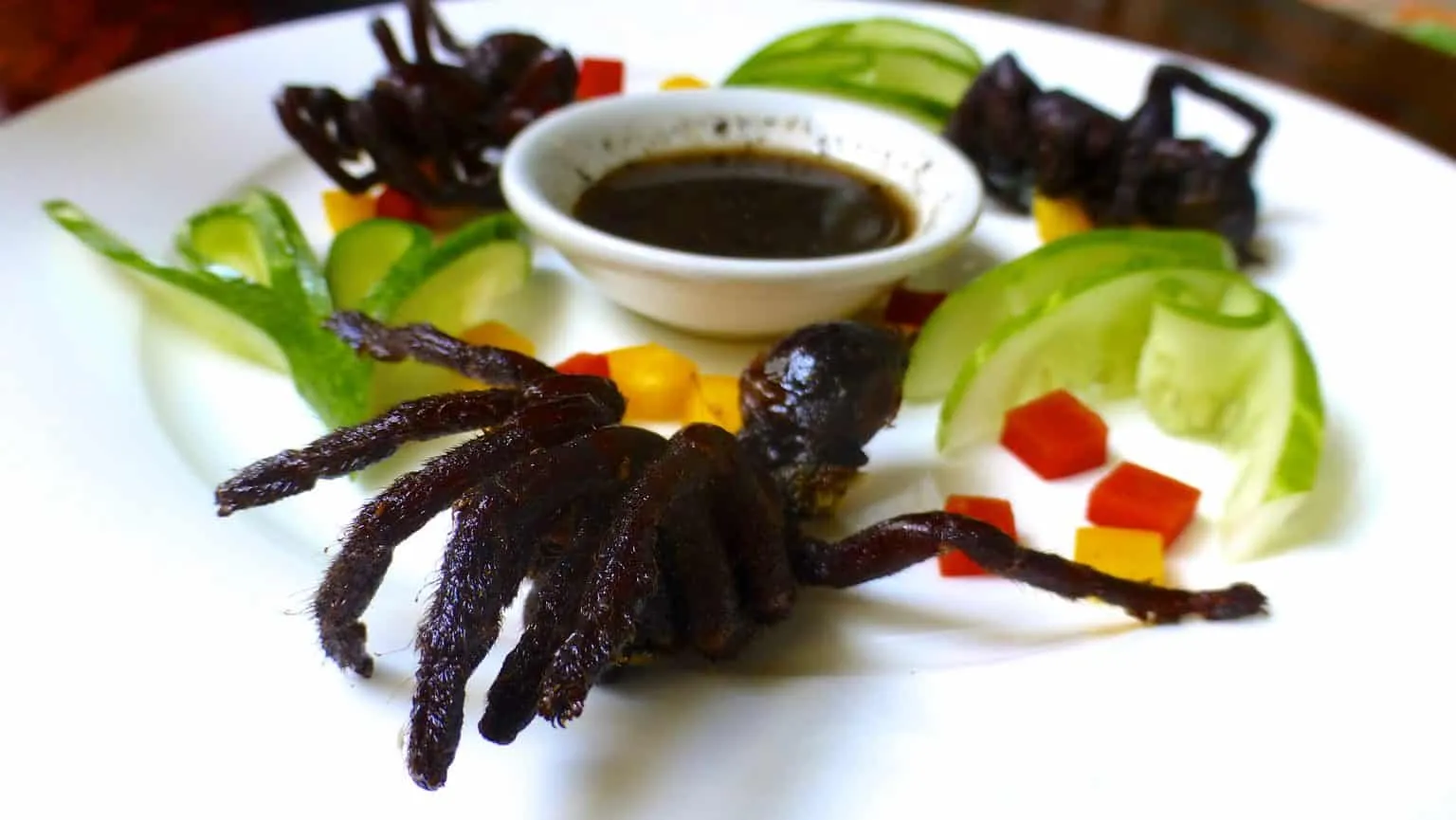
Presentation can elevate the dining experience. Arrange the cooked tarantulas on a plate in an appealing way. You can garnish the dish with fresh herbs such as parsley or cilantro to add color and freshness. Consider adding a dipping sauce, such as a sweet chili sauce or a garlic-infused oil, for those who enjoy extra flavor. The presentation should be inviting and aesthetically pleasing. Take your time to create a visually attractive dish, and you’ll find that it enhances the overall enjoyment of the meal. Consider contrasting colors to make your dish pop.
Pairing with Drinks
Pairing dried tarantulas with the right beverages can enhance the dining experience. Light beers, particularly lagers, can cleanse the palate and complement the earthy flavors. White wines, such as Sauvignon Blanc, also provide a refreshing balance. For those who prefer something non-alcoholic, consider sparkling water with a slice of lime or a ginger-infused drink. The right beverage will not only complement the flavor of the tarantulas but also create a balanced and enjoyable culinary experience. Choosing the right drink adds a layer of complexity to your meal.
Safety Precautions
Allergy Considerations

Like all foods, dried tarantulas can trigger allergic reactions in some individuals. If you are allergic to shellfish or other insects, you may be more likely to have an allergic reaction. Symptoms of an allergic reaction include skin rashes, itching, swelling, and difficulty breathing. It’s crucial to be aware of potential allergens and proceed with caution, especially if you have a known history of allergies. Always start with a small portion to assess your body’s reaction. If you experience any adverse effects, discontinue eating immediately and seek medical attention.
Safe Handling Practices
Safe handling is paramount when preparing any food, and dried tarantulas are no exception. Always wash your hands thoroughly before handling the tarantulas. Use clean utensils and equipment to avoid cross-contamination. Ensure that the tarantulas are cooked to a safe internal temperature to eliminate any potential pathogens. Store any unused portions properly to prevent spoilage. Follow recommended food safety guidelines at every stage. Safe handling practices minimize the risk of foodborne illnesses and ensure that the dining experience is enjoyable and safe. Keep raw and cooked tarantulas separate, and always use different cutting boards for each.