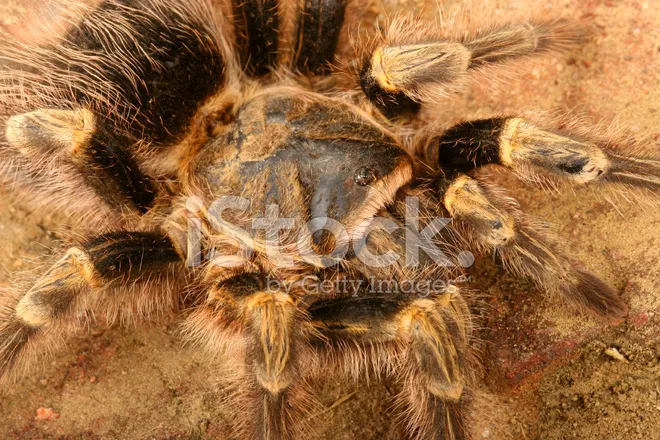
Understanding Chaco Golden Knee Tarantula Humidity Needs
The Chaco Golden Knee Tarantula (Grammostola pulchripes) is a popular pet spider known for its docile temperament and striking appearance. Native to the grasslands of Argentina and Paraguay, these terrestrial tarantulas thrive in specific environmental conditions, with humidity playing a crucial role in their health and well-being. Proper humidity management is essential for successful tarantula keeping. Providing the right humidity level helps them with molting, prevents dehydration, and keeps them healthy. It is a vital aspect of their care, impacting their overall health and longevity. Understanding their humidity needs is the first step toward providing a comfortable and healthy environment.
Why Humidity Matters for Your Tarantula
Humidity is not merely a comfort factor for Chaco Golden Knee Tarantulas; it’s a necessity. These tarantulas, like all arthropods, have an exoskeleton that doesn’t allow them to retain moisture effectively. Humidity helps them shed their exoskeletons during the molting process, which is essential for growth. Insufficient humidity can lead to molting problems, where the tarantula struggles to shed its old skin, potentially resulting in serious health complications or even death. Furthermore, proper humidity prevents dehydration, ensuring the tarantula’s internal organs function correctly and that the tarantula remains active and healthy. It aids in the overall well-being of the tarantula.
The Risks of Low Humidity

Low humidity poses several risks to your Chaco Golden Knee Tarantula. The most immediate danger is dehydration. A dehydrated tarantula may become lethargic, lose its appetite, and become less responsive to its environment. Prolonged dehydration can be fatal. Low humidity also severely complicates the molting process. The exoskeleton may become too dry and rigid, preventing the tarantula from successfully shedding its old skin. This condition, known as a failed molt, can lead to the tarantula being trapped in its old exoskeleton, leading to injury, infection, or death. Moreover, low humidity can exacerbate respiratory issues and make the tarantula more susceptible to other health problems. Prevention is the key to healthy tarantulas.
Identifying Signs of Humidity Problems
Recognizing the signs of humidity issues is critical for prompt intervention. A dehydrated tarantula often appears sluggish and may not eat. Look for a shrunken abdomen, which indicates a loss of fluids. Difficulty or failure to molt is another clear sign of low humidity. The tarantula might appear stuck in its old skin, or you might observe pieces of the old exoskeleton remaining on the tarantula. Additionally, the tarantula may be seen spending excessive time near its water dish, trying to rehydrate. Another sign is the substrate appearing excessively dry, even after watering. Any of these signs should prompt immediate action to increase the humidity levels in the enclosure.
Methods to Boost Chaco Golden Knee Tarantula Humidity
Proper Substrate Selection

The substrate, the material that lines the bottom of your tarantula’s enclosure, plays a crucial role in maintaining humidity. The right substrate absorbs and retains moisture, gradually releasing it back into the enclosure. Choosing a substrate with good water-retention properties is essential for creating the humid environment your Chaco Golden Knee needs. The type of substrate you choose will have a direct impact on how easily you can maintain the necessary humidity levels. A good substrate choice simplifies the process, making it easier to keep your tarantula healthy.
Substrate Types and their Humidity Retention
Several substrate options are suitable for Chaco Golden Knee Tarantulas. Coco fiber (or coir) is an excellent choice, known for its superior water retention and natural properties. Sphagnum moss is another option, providing excellent humidity and a naturalistic aesthetic, but it may need more frequent replacement. A mix of coco fiber and peat moss can also work well, offering a balance of water retention and drainage. Avoid substrates that are dusty or treated with chemicals, as these can harm your tarantula. Consider the humidity-retention capabilities of each substrate when making your selection, choosing the one that best suits your tarantula’s needs and your lifestyle.
Substrate Depth and its Impact
The depth of the substrate affects humidity levels. A deeper layer of substrate holds more moisture and releases it over time, contributing to more stable humidity levels. Aim for a substrate depth of at least 4-6 inches for a juvenile or adult Chaco Golden Knee. This depth allows the tarantula to burrow, which is a natural behavior, and helps to create a humidity gradient within the enclosure. The bottom layers of the substrate will retain more moisture, which gradually diffuses upwards. A deeper substrate bed provides a more consistent and stable humidity environment, which is beneficial for the tarantula’s health. Ensure the substrate is packed down gently to maintain its structure.
Watering Techniques for Optimal Humidity

Watering is a critical part of maintaining proper humidity. The method and frequency of watering are crucial to ensure that the substrate stays appropriately moist without becoming waterlogged. The goal is to maintain a consistent level of humidity without creating conditions that could lead to mold or bacterial growth, which are detrimental to the tarantula’s health. Proper watering not only provides hydration but also assists in maintaining a healthy living environment for your pet. Balancing these two aspects is a key to successfully boosting humidity.
Misting Frequency and Amount
Misting is a common method for increasing humidity. The frequency of misting should be adjusted based on the humidity levels in your enclosure. Misting once or twice a week, depending on the environmental conditions and the substrate’s moisture retention, is typically sufficient. When misting, lightly spray the substrate, avoiding soaking it. The goal is to dampen the top layer of the substrate and the enclosure walls, allowing moisture to evaporate and increase humidity. Over-misting can lead to excessive humidity, which can be just as harmful as low humidity. Monitor humidity levels closely and adjust your misting frequency accordingly. Always use dechlorinated or bottled water to avoid introducing harmful chemicals.
Water Dish Placement and Size
A water dish is an essential element for tarantula care, providing a constant water source and contributing to humidity levels. Choose a water dish that is shallow enough to prevent the tarantula from drowning but large enough for it to comfortably drink. The dish should be placed on the substrate, ideally away from direct heat sources to minimize evaporation. Regularly refill the water dish with fresh, clean water. The size of the water dish can also influence humidity; a larger dish will contribute more moisture to the enclosure. Consider the size of your tarantula and its enclosure when selecting a water dish, balancing its hydrating needs with humidity control.
Enclosure Ventilation and Humidity Control

Ventilation plays a vital role in humidity control. It’s a delicate balancing act: while you need sufficient humidity, you also need adequate airflow to prevent mold and bacterial growth. The enclosure’s ventilation design affects how well you can control humidity. Ventilation helps regulate the exchange of air, preventing the build-up of stagnant, humid air that could lead to problems. Proper ventilation is a key factor in maintaining a healthy and balanced environment for your Chaco Golden Knee.
Adjusting Ventilation for Humidity
Adjusting the ventilation in your tarantula’s enclosure is essential for humidity control. Most enclosures come with ventilation holes or mesh. If the humidity is too low, you can partially cover these ventilation areas to reduce airflow and increase humidity. However, it’s crucial not to completely block the ventilation, as this can lead to excessive humidity and the growth of harmful organisms. If humidity is too high, you might need to increase ventilation by uncovering more of the ventilation area. Monitor the humidity levels closely and make small adjustments to the ventilation as needed to maintain the optimal conditions.
Using a Hygrometer to Monitor Humidity
A hygrometer is an invaluable tool for monitoring humidity levels. A hygrometer is a device that measures the humidity within the enclosure. A reliable hygrometer allows you to track the humidity levels accurately, enabling you to make informed decisions about adjusting your humidity control methods. Using a hygrometer is a proactive approach to ensure the wellbeing of your tarantula. It provides valuable insights into the enclosure’s environment, allowing you to make adjustments as needed to maintain optimal conditions and keep your pet healthy.
Understanding Hygrometer Readings

Understanding your hygrometer readings is fundamental to providing the right environment for your Chaco Golden Knee. For this species, the ideal humidity range typically falls between 65% and 75%. Readings above 75% could indicate excessive humidity, potentially leading to mold or bacterial growth. Readings below 65% indicate insufficient humidity, increasing the risk of dehydration and molting issues. Regularly check the hygrometer, and record the humidity levels to identify trends. Use these readings to adjust your humidity control methods, such as misting frequency and ventilation, to keep the humidity within the optimal range.
Maintaining Consistent Humidity Levels
Maintaining consistent humidity levels is key to the long-term health and well-being of your Chaco Golden Knee Tarantula. Fluctuations in humidity can stress the tarantula and create challenges during molting. By establishing a consistent routine for monitoring and adjusting humidity, you can provide a stable and healthy environment. Consistency also helps you to identify any changes quickly and address them proactively, protecting your tarantula from potential harm. A consistent approach to humidity management ensures the best possible care.
Daily and Weekly Humidity Checks
Make it a habit to check the humidity levels in your tarantula’s enclosure daily and weekly. Daily checks involve a quick visual inspection of the substrate and a glance at the hygrometer. Note any changes in the substrate’s moisture or the humidity reading. Weekly checks should involve a more thorough assessment, including checking the water dish, observing the tarantula’s behavior, and reviewing the humidity readings over the past week. These regular checks will enable you to make timely adjustments and prevent any potential issues. Consistent monitoring allows you to quickly catch any issues before they become major problems.
Troubleshooting Humidity Issues

Sometimes, despite your best efforts, humidity issues may arise. If the humidity is too low, increase misting frequency, ensure the water dish is full, and consider partially covering the ventilation. If the humidity is too high, reduce misting, increase ventilation, and ensure good airflow within the enclosure. Monitor the tarantula for signs of stress or health issues and address any problems immediately. If mold appears, remove the affected substrate and replace it with fresh, dry substrate. Addressing issues quickly is crucial to prevent problems from escalating. Correcting humidity issues quickly is a fundamental aspect of responsible tarantula keeping.
When to Seek Expert Advice
While this guide provides comprehensive information, there may be situations where seeking expert advice is necessary. If you encounter persistent humidity problems that you can’t resolve, or if your tarantula shows signs of serious illness, consult a veterinarian or a tarantula specialist. A specialist can offer personalized guidance and help you diagnose any underlying health issues. Always err on the side of caution and seek professional help when needed to ensure the health and well-being of your Chaco Golden Knee Tarantula. A specialist can provide valuable expertise and prevent more serious issues from developing.
In conclusion, successfully boosting and maintaining the correct humidity levels for your Chaco Golden Knee Tarantula involves understanding its needs, employing appropriate techniques, and consistently monitoring the environment. By following these guidelines, you can create a thriving habitat that ensures your tarantula’s health, happiness, and longevity. Regular care, vigilance, and a proactive approach will make sure your tarantula lives a long and healthy life. Remember that providing the right environment is a vital part of being a responsible tarantula owner.