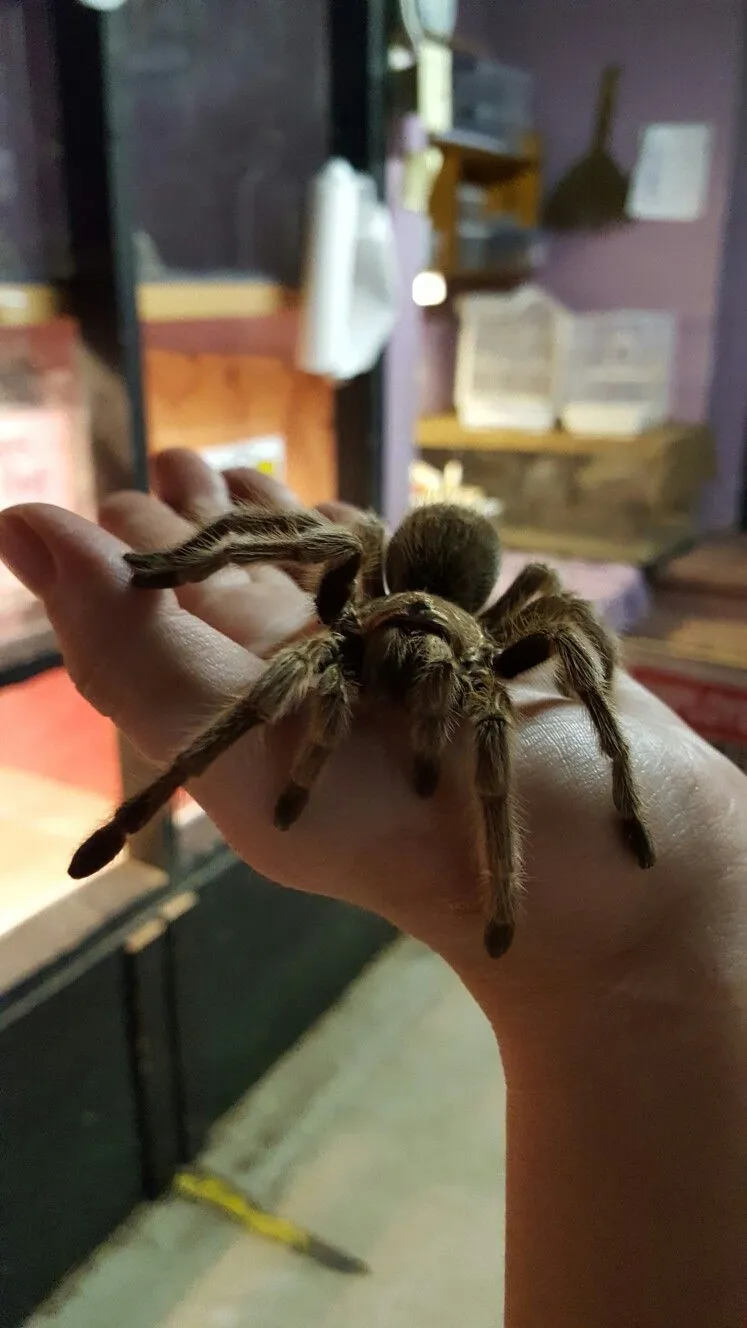
Understanding Rose Hair Tarantula Feeding Needs
Caring for a Rose Hair Tarantula involves several key aspects, and one of the most crucial is understanding their feeding requirements. These fascinating creatures, native to the deserts of South America, have specific needs that must be met to ensure their health and longevity. The frequency with which you feed your Rose Hair Tarantula is not a one-size-fits-all answer; it depends on a variety of factors. These beautiful arachnids are relatively low-maintenance pets, but proper feeding is essential for their well-being. This guide will delve into the nuances of feeding your Rose Hair Tarantula, providing you with the knowledge to keep your pet thriving. The goal is to provide a feeding regime that mirrors their natural environment, encouraging natural behaviors and optimal health. Understanding the biology of the Rose Hair Tarantula is the first step to proper care.
Factors Influencing Feeding Frequency
Several factors play a significant role in determining how often you should feed your Rose Hair Tarantula. Paying attention to these elements will help you tailor a feeding schedule that suits your tarantula’s specific needs. Ignoring these factors can lead to overfeeding or underfeeding, both of which can have negative consequences for the tarantula. The environment in which they live, as well as their age and size, have considerable effects. Understanding the interconnectedness of these elements allows you to provide the best possible care.
Age of the Tarantula

A tarantula’s age is a primary determinant of its feeding frequency. Spiderlings, the youngest tarantulas, require more frequent feedings compared to adults. As they grow, their metabolism slows down, and their feeding needs change. Adjusting the feeding schedule based on the age of your Rose Hair Tarantula is a fundamental aspect of responsible pet ownership. The younger the tarantula, the more frequently they need to eat to support their rapid growth. It’s a balancing act, ensuring they receive enough nutrients without overfeeding them.
Size of the Tarantula
The size of your Rose Hair Tarantula is directly related to its feeding requirements. Larger tarantulas need more food to sustain their larger bodies. The size of the prey you offer should also be appropriate for the size of the tarantula. An adult tarantula will require a much larger meal than a juvenile. Monitoring your tarantula’s size and adjusting the food’s size accordingly is essential for providing proper nutrition. As they grow, their nutritional needs increase in line with their size, thus dictating the need for adjusted feeding protocols.
Temperature and Humidity
Temperature and humidity within the tarantula’s enclosure can affect its metabolism and appetite. In warmer temperatures, tarantulas tend to have a faster metabolism, potentially requiring more frequent feeding. Conversely, lower temperatures may slow down their metabolism, reducing the need for food. Humidity levels also play a role, affecting the tarantula’s ability to process food and stay hydrated. Maintaining optimal temperature and humidity levels is crucial for ensuring your tarantula’s health and regulating its feeding schedule. Regularly monitoring these environmental conditions is critical for informed decisions.
Molting Cycle

Tarantulas periodically shed their exoskeleton through a process called molting. During the molting cycle, they typically stop eating. It’s important to recognize the signs of an upcoming molt and adjust the feeding schedule accordingly. Attempting to feed a tarantula that is about to molt can stress the animal and potentially cause harm. Once the molting process is complete, you can gradually resume feeding. Understanding the molting cycle and knowing when to adjust your feeding schedule is another important aspect of caring for your Rose Hair Tarantula. The molting process is a sensitive time, and proper care minimizes the risk of complications.
Recommended Feeding Schedule
Creating a feeding schedule tailored to your Rose Hair Tarantula’s life stage is essential for its well-being. These schedules are general guidelines, and you might need to adjust them based on individual tarantula’s behavior and needs. Observation is key; watch for cues like the tarantula’s appetite and activity levels to determine if the schedule needs modification. A consistent feeding routine helps maintain a healthy metabolism and prevents overfeeding or underfeeding. The right feeding schedule aligns with the tarantula’s natural rhythms and life cycles.
Spiderlings
Spiderlings, being the youngest and fastest-growing, need more frequent feeding. They may be fed every other day or every two to three days. The prey should be appropriately sized, such as small pinhead crickets or fruit flies. Ensure the prey is small enough for the spiderling to handle easily. Regularly feeding at this stage is critical to ensure they have the resources needed for growth. Careful observation of the spiderling’s behavior is vital for determining how much and how often to feed. Adequate food is key to the early development of the tarantula.
Juveniles

Juvenile tarantulas can be fed less frequently, typically once or twice a week. The prey size should increase as the tarantula grows. Offer prey items like small crickets or mealworms, adjusting the size according to the tarantula’s size. Maintaining a consistent feeding schedule at this stage supports their growth and development. Regular monitoring of their appetite and growth will help adjust the feeding regimen as needed. Proper nutrition during the juvenile phase lays the foundation for a healthy adult life.
Adults
Adult Rose Hair Tarantulas generally require feeding once a week or every other week. The prey items should be appropriately sized, such as adult crickets, roaches, or even a small pre-killed pinky mouse, although this is less common. It’s important to monitor the tarantula’s abdomen; an engorged abdomen indicates the tarantula is well-fed. Overfeeding can lead to health issues, so it’s crucial to maintain a balanced feeding schedule. During adulthood, maintaining a stable and predictable feeding cycle is an essential element of responsible pet ownership.
Appropriate Food Items for Rose Hair Tarantulas
The diet of your Rose Hair Tarantula is another critical factor in its health. Offering a variety of appropriate food items ensures the tarantula receives the necessary nutrients. Avoid feeding your tarantula anything that could be harmful, such as insects collected from outdoors that may have been exposed to pesticides. The quality and variety of food directly impact the tarantula’s overall health and longevity. Providing the right foods also stimulates the tarantula’s natural hunting instincts.
Live Insects

Live insects are the primary food source for Rose Hair Tarantulas. They provide the natural stimulation of the hunt. Ensure that the insects are healthy and free from parasites or pesticides. Crickets, mealworms, and roaches are commonly used. The size of the insect should be appropriate for the size of the tarantula. Introducing live prey also allows the tarantula to express its natural hunting behavior, which is beneficial for its psychological well-being. Make sure to remove uneaten prey after a day to avoid stressing the tarantula.
Crickets
Crickets are a popular choice due to their availability and nutritional value. They should be gut-loaded before feeding them to your tarantula. Gut-loading involves feeding the crickets a nutritious diet, which increases their nutritional value for your tarantula. The size of the crickets should be proportional to the size of the tarantula; avoid using crickets that are too large, as they might injure the tarantula. Gut-loaded crickets provide a balanced diet, making them a staple food option for many Rose Hair Tarantula owners. Always ensure that the crickets are healthy and active before feeding them to your pet.
Mealworms
Mealworms are another readily available food source. While nutritious, they are higher in fat and should be given in moderation. They are easy to care for and can be kept in a container with some oats or bran. Like crickets, the size of the mealworm is very important. It should be suitable for the tarantula’s size. Mealworms are a good alternative to crickets and can be used to provide variety in your tarantula’s diet. Moderation is the key when feeding mealworms.
Roaches
Roaches are another good option for feeding. They have a good nutritional profile and can be easier to manage than crickets. There are several species of roaches that are suitable, such as Dubia roaches, which are commonly used. Like crickets and mealworms, you should choose the correct size for your tarantula. Roaches are a more robust food source and can provide a varied diet for your Rose Hair Tarantula. Roaches require a specific setup, but many keepers find them worthwhile.
Pre-killed Food
Pre-killed food can be offered, especially if you’re not comfortable with live feeding or if you need to ensure the prey doesn’t injure the tarantula. This includes pre-killed insects or, occasionally, small pre-killed pinky mice for adult tarantulas. The key is to ensure the food is fresh and of a suitable size. Pre-killed food is a convenient option, but the tarantula might not show the same hunting interest. It is important to monitor their acceptance of this food source and adjust accordingly.
How to Feed Your Tarantula
The way you feed your Rose Hair Tarantula is just as important as what you feed them. The right technique ensures the safety of both the tarantula and the handler. Handling the tarantula should be minimized to avoid stress. Proper technique also allows you to assess the tarantula’s appetite and overall health. Providing a safe and comfortable feeding environment contributes to the well-being of your pet.
Feeding Technique

When feeding live insects, it’s best to use long tongs to safely introduce the prey into the enclosure. This reduces the risk of the tarantula biting the handler. Avoid disturbing the tarantula too much during the process. If you’re offering pre-killed food, place it near the tarantula. Observe whether the tarantula shows interest in the food. Leaving the food in the enclosure for too long can lead to mold or mites, so remove uneaten food after a day. Proper feeding technique ensures the tarantula feeds safely and efficiently, fostering a positive feeding experience.
Frequency of Feeding
As discussed previously, the frequency of feeding depends on factors like the tarantula’s age, size, and molting cycle. Stick to the feeding schedule outlined earlier, making adjustments as needed. Monitor your tarantula’s abdomen to gauge its feeding needs. An engorged abdomen often indicates a well-fed tarantula, while a thin abdomen might suggest underfeeding. Always adjust the frequency based on your observations. A consistent and appropriate feeding schedule ensures the tarantula receives the required nutrition without overeating, which could be detrimental to their health.
What to Do if Your Tarantula Refuses Food
Sometimes, a Rose Hair Tarantula may refuse food. This can be due to several reasons, ranging from a natural molt to environmental stressors. Recognizing why a tarantula is not eating is the first step in addressing the issue. Understanding the causes can help in taking appropriate action. There are often simple solutions. Knowing what to do when a tarantula refuses food is a crucial aspect of pet ownership and can prevent unnecessary worry.
Common Reasons for Refusal
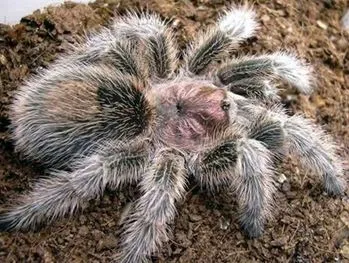
Several factors can cause a Rose Hair Tarantula to refuse food. One of the most common is the molting process. As mentioned earlier, tarantulas typically stop eating before molting. Other potential causes include environmental stress, such as a change in temperature, humidity, or disturbances to their enclosure. Additionally, a tarantula may refuse food if it is not feeling well or is preparing to molt. It’s also important to remember that Rose Hair Tarantulas can go for extended periods without eating, particularly adults. Identifying the underlying cause is essential.
Troubleshooting Tips
If your tarantula refuses food, start by checking the environmental conditions in its enclosure to ensure they are ideal. Make sure the temperature and humidity are within the recommended range. Also, check if the tarantula is in premolt; look for a darkening abdomen or a change in behavior. Avoid handling or disturbing the tarantula excessively. Offer a different prey item to see if the tarantula is more interested. If the refusal persists for an extended period, consult with a veterinarian specializing in exotic pets. Careful observation, environmental adjustments, and patience are often key to resolving the issue.
Water and Hydration
Water is a vital aspect of a Rose Hair Tarantula’s care, just like food. Ensure the tarantula always has access to fresh, clean water. Dehydration can be very dangerous for tarantulas. Providing a shallow water dish is essential, especially during the molting process when they need to stay hydrated. The water dish should be easily accessible and regularly cleaned to prevent contamination. The water helps with hydration, and humidity inside the enclosure. Water is a key element in your tarantula’s overall well-being.
In conclusion, understanding how often to feed your Rose Hair Tarantula involves a holistic approach, considering factors like age, size, and the molting cycle. By following these guidelines and carefully observing your tarantula, you can create a feeding schedule that supports its health and ensures its longevity. Remember that consistent care and attention to detail are the hallmarks of responsible tarantula ownership. Proper feeding is a cornerstone of responsible pet ownership, ensuring that your Rose Hair Tarantula thrives. Take the time to learn and adapt to your pet’s specific needs, and you’ll be well-rewarded with a healthy and fascinating companion.