The Myth of Tarantulas Living Underwater
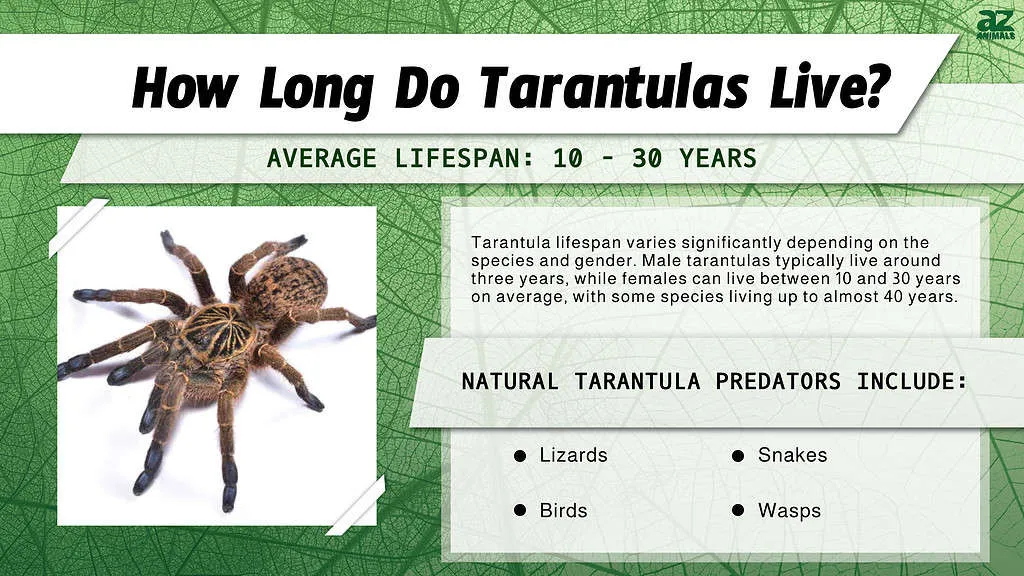
The question of how long a tarantula can survive underwater is a fascinating one, often fueled by the common misconception that these arachnids are aquatic creatures. In reality, tarantulas are terrestrial animals, and their physiology is not adapted for prolonged submersion. While they might encounter water in their natural environment, their survival underwater is limited. This article aims to demystify the truth about tarantulas and water, providing insights into their survival capabilities and the factors that influence them. Understanding these aspects is crucial for tarantula owners and anyone interested in these amazing creatures.
Tarantula’s Natural Habitat and Water
Tarantulas are found in a variety of habitats, including tropical rainforests, deserts, and grasslands. In their natural environments, they encounter water sources like dew, rain, and puddles. However, they are not designed to live submerged. Their primary need for water is met by drinking droplets or absorbing moisture from their environment. The humidity level in their enclosure needs to be carefully controlled to mimic the environment they are accustomed to, without necessarily including large bodies of water where they could submerge for a prolonged period.
How Tarantulas Breathe

Tarantulas, like other arachnids, breathe through structures called book lungs. These are located on the underside of their abdomen and are designed to facilitate gas exchange in an air environment. The book lungs have many thin, plate-like structures that resemble the pages of a book. When a tarantula is underwater, these delicate structures become compromised, which stops the exchange of oxygen and carbon dioxide, which is vital to their survival. This difference in breathing mechanism compared to aquatic creatures is the critical factor when dealing with water.
The Role of Book Lungs
Book lungs are essential for tarantula respiration, taking in oxygen from the air and releasing carbon dioxide. When exposed to water, these structures become clogged, making it difficult for the tarantula to breathe. The plates within the book lungs stick together, preventing efficient gas exchange. This quickly leads to oxygen deprivation and the buildup of carbon dioxide, which is lethal to the tarantula. The time a tarantula can survive underwater is directly related to how long it can hold its breath and how quickly its book lungs are compromised.
How Long Can Tarantulas Survive Underwater
Short-Term Survival

In the short term, tarantulas can survive brief periods underwater, such as might occur if they accidentally fall into a water bowl or a small puddle. The exact duration varies based on several factors, but typically it is a matter of minutes, not hours or days. During this time, the tarantula will try to conserve oxygen and look for a way out. However, prolonged submersion quickly leads to physiological distress and, eventually, death. This is why it’s important to create and maintain a safe environment, especially when they are kept in captivity.
Factors Affecting Survival
Several factors influence how long a tarantula can survive underwater. The temperature of the water, the water chemistry, and the tarantula’s overall health all play significant roles. Healthy tarantulas in warm water might survive a bit longer than those in cold water, and the chemistry of the water can also impact their ability to breathe. These factors interact to determine the ultimate fate of the tarantula. Understanding these elements can help in pet care situations.
Water Temperature
Water temperature is an important factor. In colder water, the tarantula’s metabolism slows down, which slightly increases its survival time because it requires less oxygen. Conversely, in warmer water, metabolic processes are faster, and the tarantula consumes oxygen more rapidly, thus shortening its survival time. The ideal environment is a controlled temperature to ensure a stable metabolic state.
Water Chemistry

The chemistry of the water also affects survival. Water with high levels of contaminants or chemicals can be detrimental to a tarantula. These substances can damage the book lungs or be absorbed through the exoskeleton, leading to poisoning. Clean water, preferably dechlorinated, is essential for tarantula well-being, both in their enclosure and in any accidental water exposure.
Long-Term Consequences
Even if a tarantula survives being underwater, it can suffer long-term consequences. These can range from health issues to behavioral changes. The extent of these consequences depends on the duration of the submersion and the overall condition of the tarantula.
Health Impacts
Prolonged exposure to water can damage the tarantula’s book lungs, making it difficult to breathe and leading to respiratory infections. Also, water can affect the exoskeleton, and the tarantula’s ability to molt correctly. These effects can significantly shorten the tarantula’s lifespan and quality of life. The internal organs can also be affected if water gets ingested or enters the body through vulnerable areas.
Behavioral Changes

Tarantulas that have experienced submersion may exhibit behavioral changes. They might become more reclusive, less active, or show a decreased appetite. These behavioral changes are a sign that the tarantula is under stress and may not be thriving. It’s important to observe and assess these changes and adjust the care to help the tarantula recover.
Survival Strategies of Tarantulas
Seeking Dry Land
When a tarantula finds itself in water, its primary survival strategy is to get to dry land as quickly as possible. They actively try to reach the nearest surface, such as the side of their enclosure or any object they can climb on. Their instinct is to escape the water as quickly as possible. This behavior underlines the importance of appropriate enclosure design to prevent accidental falls into water sources.
Climbing and Escape
Tarantulas are agile climbers, and they will use their legs and claws to grip any available surface to escape the water. In a natural environment, this might be a rock or a plant stem. In captivity, it is the enclosure walls or decorations. The presence of appropriate climbing surfaces can be crucial to their survival in an accidental water exposure scenario.
What to Do if Your Tarantula Gets Wet
Immediate Actions
If your tarantula gets wet, quick action is crucial. Gently remove the tarantula from the water. Use a soft, absorbent material like a paper towel to pat the tarantula dry, paying close attention to the book lungs on the underside of its abdomen. Avoid rubbing, as this can damage the delicate structures. Place the tarantula in a warm, dry environment, but avoid direct heat sources.
Drying Your Tarantula

After removing the tarantula from the water, ensure it is thoroughly dried. Use a soft, clean cloth or paper towel to gently pat its body, especially the book lungs. Make sure that all parts of the tarantula are dry. This process helps to prevent respiratory issues and other complications. Monitor the tarantula for any signs of distress. Consider moving it to a drier area or adjusting the humidity to help it recover.
Long-Term Care
After the initial drying, monitor your tarantula for any signs of illness or stress, such as lethargy, loss of appetite, or difficulty breathing. Ensure the enclosure has the correct humidity and temperature levels. Provide access to fresh water, but ensure that the water dish is shallow enough to prevent accidental submersion. Consult with a veterinarian or a tarantula expert if you notice any concerning symptoms.
Interesting Facts About Tarantulas
Tarantulas and Swimming

While tarantulas are not natural swimmers, they can sometimes be observed moving across small bodies of water. They do this by using their legs to create a paddling motion, but this is more of a desperate attempt to reach dry land than an intentional swimming behavior. Their movements are inefficient and short-lived, which highlights their poor adaptation to an aquatic environment. They are not built to swim and do so out of necessity rather than preference. This is why it is important to provide a safe environment for them.
In conclusion, tarantulas are not adapted for life underwater, and their survival in such conditions is limited. While they can survive brief exposure to water, prolonged submersion is lethal. Understanding their physiology and behavior is essential for providing proper care. Always prioritize a dry, safe environment to ensure the health and well-being of your tarantula. Keep the information in this article as a reference to ensure you provide the best care to your tarantula.