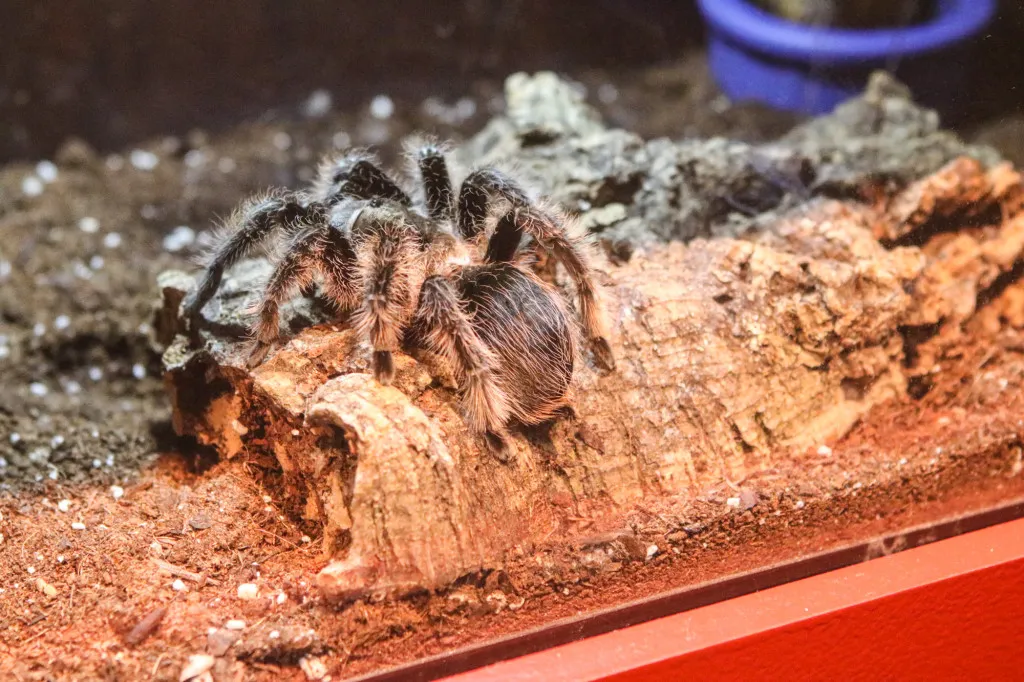
Understanding Tarantula Wellbeing
Owning a tarantula can be a rewarding experience, but ensuring your eight-legged friend’s happiness and health is paramount. Unlike dogs or cats, tarantulas communicate their well-being through subtle cues. As a responsible tarantula owner, learning to recognize these signs is crucial. This guide delves into the top five indicators of a happy tarantula, helping you provide the best possible care and create a thriving environment for your pet. Understanding these signs will not only enhance your tarantula keeping skills but also deepen your appreciation for these fascinating creatures. A happy tarantula is an active tarantula, exhibiting behaviors that demonstrate its comfort and contentment within its enclosure. Observe closely, and you will find that your tarantula is communicating with you.
Appetite and Eating Habits
A healthy appetite is often the most noticeable sign of a happy tarantula. Tarantulas, being opportunistic feeders, typically have a robust appetite. A refusal to eat or a lack of interest in food can indicate stress, illness, or environmental issues. Regular feeding is essential, and observing your tarantula’s eating habits will provide valuable insights into its overall health. The way a tarantula eats, how frequently, and what types of prey it prefers can all be indicators of its happiness and well-being. However, it’s important not to overfeed a tarantula, as obesity can lead to health problems.
Observing Feeding Frequency

The frequency with which your tarantula eats is a key indicator. Juvenile tarantulas need to be fed more often, sometimes multiple times a week, while adults can eat less frequently, perhaps once a week or even less. A sudden decrease in appetite, or refusal to eat for an extended period, could signify an issue, and you should check the tarantula’s enclosure and conditions, and health for any potential underlying cause. Regular monitoring helps you establish a baseline for your tarantula’s eating patterns, making it easier to spot anomalies. Factors such as the tarantula’s age, species, and molting cycle also affect its appetite.
Assessing Prey Consumption
Observe how your tarantula consumes its prey. A happy tarantula will usually capture and consume its food quickly and efficiently. Look for a strong feeding response, where the tarantula actively hunts and subdues its prey. A tarantula that seems uninterested in hunting, or that struggles to capture or eat its food, might be stressed or unwell. Regularly remove any uneaten prey items to prevent them from stressing your tarantula or potentially harming it. The speed and enthusiasm with which a tarantula consumes prey, from crickets to roaches, are indicators of its comfort and health within its enclosure. Take a look to see it on image :
Molting Cycle and Behavior
Molting is a natural process for tarantulas, and how a tarantula molts can reveal a lot about its wellbeing. A healthy molt signifies that the tarantula is growing and thriving. Before molting, a tarantula will typically stop eating, become less active, and may create a web mat or seal itself in a burrow. A successful molt is crucial for a tarantula’s growth and health, and any problems during this process can be a sign of stress or other health issues. During this period, it is important to provide a stress-free environment and avoid disturbing the tarantula. A successful molt also indicates that the tarantula is receiving proper nutrition and environmental conditions, hence, the happiness of the tarantula.
Signs of a Healthy Molt

A healthy molt is characterized by a complete and intact shed of the exoskeleton. After the molt, the tarantula should appear vibrant and fresh, with brighter colors and a clean appearance. Examine the discarded exoskeleton for any deformities or signs of damage. A successful molt is also evident when the tarantula quickly regains its appetite and resumes normal activities. Look for the tarantula to be active and exploring its enclosure, after molting, and is a sign that the tarantula has molted successfully. A healthy molt suggests the tarantula is well-fed, and its environment is suitable for it to grow and shed the exoskeleton.
Post-Molt Activity and Appearance
After molting, a happy tarantula will gradually become more active as its new exoskeleton hardens. Its colors will appear more vibrant and defined. The tarantula should move with ease and begin exploring its enclosure. A tarantula that has molted successfully should regain its appetite within a few days, indicating its return to good health. Observe the tarantula’s behavior; a healthy post-molt tarantula will resume normal activities, such as burrowing, web-spinning, or simply exploring its environment. The appearance of the tarantula post-molt and its activity levels provide insights into the success of the molting process, hence providing us if the tarantula is happy or not.
Overall Activity Levels and Behavior
A happy tarantula exhibits active behavior, exploring its enclosure and interacting with its environment. While tarantulas are generally not highly active creatures, a healthy tarantula will move around, rearrange its substrate, and occasionally display natural behaviors like web-spinning or burrowing. The level of activity can vary depending on the species, but a noticeable change in activity can indicate a problem. Pay close attention to how your tarantula moves and interacts with its surroundings. A tarantula that moves with ease and confidence, and shows normal behaviors, is likely a happy and healthy tarantula.
Active Exploration vs. Lethargy

Distinguishing between active exploration and lethargy is essential. A happy tarantula will move purposefully around its enclosure, investigating its environment and showing interest in its surroundings. Conversely, a lethargic tarantula may remain in the same spot for extended periods, with little or no movement. It might also display a loss of appetite and a general lack of response to stimuli. The presence of lethargy could be a sign of stress, illness, or unsuitable environmental conditions. Carefully observe your tarantula’s movements, paying attention to whether it is exploring its enclosure or remaining still and unresponsive. To understand more, lets see this image :
Defensive Postures and Temperament
Tarantulas can display defensive behaviors when feeling threatened, and understanding their temperament provides us if they are happy. A happy tarantula will not display defensive postures unnecessarily. However, a tarantula that is constantly in a defensive posture, such as raising its front legs or displaying its fangs, may be stressed or feel unsafe in its environment. Observe the tarantula’s response to disturbances or interactions. If the tarantula retreats or flees, it may be an indicator of distress. The tarantula’s defensive postures and temperament can often give a clear picture of how happy your tarantula is and can provide you with a good understanding.
Habitat and Environmental Factors
The tarantula’s habitat and environmental conditions play a crucial role in its overall happiness. A well-maintained enclosure that replicates the tarantula’s natural habitat will contribute significantly to its well-being. The proper enclosure includes appropriate substrate, hiding places, and enrichment items. Providing a comfortable and stimulating environment helps reduce stress and promote healthy behaviors. The correct temperature, humidity, and ventilation are essential to ensure that the tarantula thrives. Paying close attention to these factors will help your tarantula be happy and healthy, allowing it to thrive in its enclosure. You must consider how the conditions of the habitat will affect the happiness of your tarantula.
Proper Humidity and Temperature

Maintaining the correct humidity and temperature levels within the enclosure is vital for a tarantula’s health and happiness. Most species require specific temperature ranges, and the humidity level is also crucial. Incorrect humidity can cause molting problems and respiratory issues, while incorrect temperature can affect the tarantula’s metabolism and activity levels. Use a hygrometer and thermometer to monitor these conditions, and make adjustments as needed to ensure they are within the recommended range for your tarantula species. Check this image, it will give you some information :
Substrate Condition and Burrowing
The substrate condition and the tarantula’s burrowing behavior also impact its happiness. A healthy tarantula will often burrow or create a den, providing a secure and comfortable place to hide. The substrate should be appropriate for the species, providing both support and a suitable environment for burrowing. The substrate should also be kept clean and replaced regularly to prevent the buildup of waste and bacteria. Monitor the substrate for any signs of mold, pests, or excessive moisture. A happy tarantula is also likely to be found in the substrate, and if the tarantula has a nice burrow in the substrate, this can be an indicator that your tarantula is happy.
Conclusion
Recognizing the signs of a happy tarantula is critical for providing excellent care and creating a thriving environment. By observing your tarantula’s appetite, molting cycle, activity levels, and temperament, and by maintaining a suitable habitat, you can ensure its well-being. Take a look at this images : Remember, each tarantula is unique, and understanding your pet’s individual needs will further enhance its happiness and your enjoyment of owning this amazing pet. A happy tarantula is a healthy tarantula, which is rewarding for both you and your eight-legged friend.