Haitian Brown Tarantula Temperament Overview
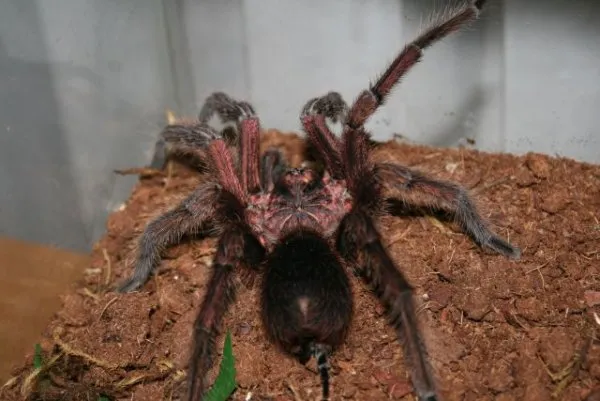
The Haitian Brown Tarantula ( Phormictopus cancerides) is a captivating species, popular among tarantula enthusiasts. Understanding its temperament is crucial for responsible ownership. This spider, native to Hispaniola (Haiti and the Dominican Republic), showcases a range of behaviors that are essential to recognize. Their temperament, like any other tarantula, is influenced by a variety of factors, including individual personality, environmental conditions, and the spider’s overall health. While generally considered a defensive species, their behavior can vary. The following facts will shed light on the key aspects of the Haitian Brown Tarantula’s temperament, helping owners and enthusiasts alike to better understand and care for these fascinating creatures. Learning the characteristics of this tarantula is the first step in providing it with a comfortable and safe life.
Temperament Fact 1 Defensive Behavior
Defensive behavior is a primary characteristic of the Haitian Brown Tarantula. This spider often displays a willingness to defend itself when feeling threatened. This doesn’t necessarily mean it will always be aggressive, but it’s important to be aware of the potential for defensive actions. It is crucial to remember that these spiders are not naturally inclined to interact with humans. Understanding their defensive mechanisms is the first step in safely interacting with them. Defensive behavior is a natural response to perceived threats, ensuring their survival in the wild. The tarantula’s behavior may vary, but the understanding of this primary trait will allow for a safer approach, whether it is for observation, or enclosure maintenance.
Defensive Postures and Actions

When feeling threatened, the Haitian Brown Tarantula can exhibit several defensive postures and actions. These behaviors serve as warnings to potential predators. One common posture is the ’threat pose,’ where the spider raises its front legs and fangs, appearing larger and more intimidating. They may also flick hairs from their abdomen (urticating hairs), which can cause skin irritation. A more direct action is biting, which, while not usually life-threatening to humans, can be painful. These postures and actions are vital for the tarantula’s protection. Observation of these actions allows the owner to know the current state of the tarantula. These actions are also indicators that the tarantula needs to be left alone.
Triggers for Defensive Behavior
Understanding what triggers defensive behavior in the Haitian Brown Tarantula is key to preventing bites or defensive displays. Several factors can provoke a defensive response. Sudden movements, loud noises, or vibrations near the enclosure can startle the spider. Direct handling, especially without proper experience, is a significant trigger, as the spider perceives a direct threat. Also, disturbances to their environment, such as changes in temperature, humidity, or the presence of unfamiliar objects, may also induce defensive behavior. Knowing these triggers allows the owner to create a stress-free environment for the tarantula. By minimizing these triggers, the spider can be kept calm, reducing the chances of a defensive reaction.
Temperament Fact 2 Venom Potency and Risks
The Haitian Brown Tarantula’s venom is another important aspect of understanding its temperament. Although not considered highly venomous to humans, the bite can still cause local pain, swelling, and muscle cramps. It’s essential to assess the risks involved. While the venom is not usually life-threatening, it can cause significant discomfort and may require medical attention. Being aware of the effects of the venom can help owners take the necessary precautions. It is important to remember that tarantulas use venom for both defense and to subdue prey. Understanding how the venom works can allow for a safer way of taking care of your pet.
Understanding the Venom

The venom of the Haitian Brown Tarantula is primarily composed of proteins and enzymes. These substances are injected through the fangs during a bite. The effects of the venom can vary based on the amount injected, the individual’s sensitivity, and the spider’s overall health. Generally, the venom causes local symptoms such as pain, swelling, and redness at the bite site. In some cases, more systemic symptoms like muscle cramps, nausea, and headaches may occur. While the effects are typically localized, it is important to be aware of the potential for allergic reactions or secondary infections. Knowing the composition and potential effects of the venom prepares you to deal with situations in a more informed manner.
Precautions and Safety Measures
To mitigate the risks associated with the Haitian Brown Tarantula’s venom, several safety measures should be adopted. First, avoid direct handling unless absolutely necessary, and if handling is required, use long forceps and wear gloves. Secondly, always keep the enclosure secure to prevent accidental escapes. Thirdly, maintain a safe distance and never provoke the spider. Should a bite occur, remain calm, clean the bite area with soap and water, and apply a cold compress to reduce swelling and pain. Seek medical attention if symptoms worsen or if you experience an allergic reaction. It’s always a good idea to be prepared by understanding the risks and knowing what to do in case of an incident.
Temperament Fact 3 Handling Considerations
Handling a Haitian Brown Tarantula is a significant consideration, and should be approached with caution and understanding. While some tarantula species are more tolerant of handling, the Haitian Brown Tarantula is generally not one of them. Their defensive nature makes handling risky. Therefore, it’s essential to determine if handling is truly necessary, and if so, to take appropriate precautions. Handling should be kept to a minimum, and done only when absolutely required, such as for enclosure cleaning or health checks. Recognizing the risks and taking precautions are vital for a positive experience with the pet.
Best Practices for Handling

If handling is unavoidable, follow these best practices. Firstly, always use long forceps to gently guide the tarantula. Avoid direct contact with your hands, as this can startle the spider and increase the likelihood of a defensive response. Secondly, handle the tarantula in a controlled environment, such as an enclosure or a secure area, to prevent escapes. Thirdly, move slowly and deliberately, avoiding any sudden movements or loud noises. Finally, always supervise handling sessions and ensure that children or inexperienced handlers are not involved. Prioritize the spider’s well-being and your safety by implementing these handling best practices.
Potential Risks of Handling
Handling a Haitian Brown Tarantula comes with potential risks. The most immediate risk is being bitten, which can cause pain, swelling, and other local reactions. Furthermore, even if a bite is avoided, the spider may flick urticating hairs, which can cause skin and eye irritation. Handling can also stress the tarantula, potentially affecting its health and behavior. In addition, there is always the risk of dropping the spider, which could result in injury or death. By understanding these risks, you can make informed decisions about handling and always prioritize safety for both yourself and the tarantula.
Temperament Fact 4 Environmental Impact
The environment plays a major role in shaping the temperament of a Haitian Brown Tarantula. The conditions within their enclosure have a direct impact on their behavior. A well-designed and maintained enclosure can reduce stress and promote a calmer temperament. Understanding the influence of the enclosure and carefully controlling temperature and humidity can provide a comfortable, and safe environment. Creating a suitable environment is about more than simply providing shelter; it’s about meeting the tarantula’s needs and ensuring its well-being.
The Influence of Enclosure

The design and setup of the enclosure can significantly influence the Haitian Brown Tarantula’s temperament. The enclosure should be appropriately sized, providing enough space for the spider to move around comfortably. It should also be secure, preventing escapes. The enclosure should include appropriate substrate, such as coconut fiber or peat moss, which allows the spider to burrow and feel secure. Hiding places, like cork bark or artificial plants, should be included to provide shelter and reduce stress. A cluttered enclosure can also make the spider feel safe, while also providing entertainment. A well-designed enclosure will make the spider feel safe and secure. A poorly designed enclosure can make the spider feel stressed and insecure.
Temperature and Humidity Effects
Temperature and humidity are critical environmental factors that influence the Haitian Brown Tarantula’s temperament. Maintaining the correct temperature range (75-85°F or 24-29°C) is essential for the spider’s health and well-being. Excessive heat or cold can stress the tarantula, potentially leading to defensive behavior. Humidity levels should be maintained at around 70-80%, which can be achieved by misting the enclosure regularly or using a water dish. Fluctuations in humidity can cause stress and discomfort. Regularly monitoring and adjusting these parameters will help create an environment that keeps the tarantula comfortable. Having the correct temperature and humidity levels is essential to helping the spider thrive.
Temperament Fact 5 Comparison with Other Tarantulas
Comparing the Haitian Brown Tarantula’s temperament with other tarantula species provides valuable context for understanding their unique characteristics. Tarantula temperaments vary widely, from docile species that tolerate handling to highly defensive ones that are best left alone. This comparison helps to place the Haitian Brown Tarantula in context, highlighting both its similarities and differences compared to other popular species. By understanding these differences, owners can better prepare themselves for the kind of tarantula they will be dealing with. The comparison also informs the owner on how to handle the tarantula.
Similarities and Differences

Like many tarantula species, the Haitian Brown Tarantula exhibits defensive behaviors such as threat poses and urticating hairs. However, compared to species like the Chilean Rose, Haitian Browns are often considered more defensive and prone to biting. They share basic needs like a suitable enclosure, proper temperature, and humidity with all tarantulas. The differences often lie in the degree of defensiveness, the speed of their reactions, and their tolerance for handling. Understanding these similarities and differences helps owners make informed decisions about their care and interaction.
How Temperament Varies
Temperament can vary among different tarantula species, and even among individuals of the same species. Some tarantulas are naturally more docile and less likely to display defensive behaviors. Others, like the Haitian Brown, are more prone to defensive actions. Environmental factors such as enclosure size, humidity, and the presence of hiding places also influence temperament. Some tarantulas may become calmer over time if handled correctly, whereas others may remain defensive. Understanding how these factors can influence the temperament allows owners to create an environment that meets the needs of their tarantula. The personality of each tarantula can be very unique, making each pet a unique member of the family.
Conclusion Caring for a Haitian Brown Tarantula
Understanding the Haitian Brown Tarantula’s temperament is crucial for responsible pet ownership. From defensive behaviors and venom potency to the effects of the environment and handling considerations, a comprehensive understanding of these factors will lead to a healthier, safer environment for both the spider and the owner. It is important to know the triggers and risks that may arise. This knowledge will help you to ensure a fulfilling experience with these fascinating creatures. Always prioritize their well-being, and appreciate their unique place in the world of exotic pets.