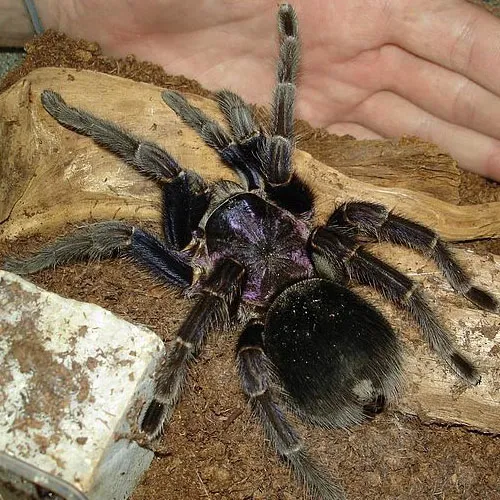
The Haitian Brown Tarantula (Phormictopus cancerides) is a fascinating arachnid native to the island of Hispaniola, which includes Haiti and the Dominican Republic. Known for its impressive size and striking appearance, this tarantula captivates both hobbyists and researchers. Understanding the size of the Haitian Brown Tarantula is key to appreciating its biology and how to care for it properly. This article will delve into five key facts about the size of the Haitian Brown Tarantula, providing a comprehensive overview of this impressive species. Whether you’re a seasoned arachnid enthusiast or a curious beginner, this guide will provide valuable insights into this amazing creature.
Haitian Brown Tarantula Size Range
The Haitian Brown Tarantula is one of the larger tarantula species, and the size can vary depending on various factors like sex, age, and overall health. Generally, these tarantulas exhibit sexual dimorphism, meaning the males and females have distinct size differences. The size range typically falls within a specific bracket, although individual specimens can sometimes exceed or fall short of these averages. It’s important to know this range to understand the health of your tarantula and compare to other species. This knowledge helps in setting up the appropriate habitat and provides a benchmark for monitoring growth and development.
Average Size of Adult Females
Adult female Haitian Brown Tarantulas are typically larger than their male counterparts. They can have a body length of up to 3 inches (7.6 cm), with a leg span that can reach up to 7-8 inches (18-20 cm). Their robust size is a key characteristic, making them a focal point in any tarantula collection. The larger size of females is related to their reproductive role. They carry eggs and need to store more energy, contributing to their larger overall size compared to males.
Average Size of Adult Males

Adult male Haitian Brown Tarantulas are generally smaller than females. They usually have a body length around 2-2.5 inches (5-6.3 cm), and their leg span is often slightly less than that of the females, ranging from 6-7 inches (15-18 cm). Male tarantulas also have a shorter lifespan, which impacts their ultimate size. Their primary goal is to reproduce. After reaching maturity, male tarantulas focus more on finding a mate than on continued growth.
Factors Influencing Tarantula Size
Several factors can influence the final size of a Haitian Brown Tarantula. These include genetic factors, environmental conditions, and the quality of care they receive. Understanding these factors can help you maximize your tarantula’s health and growth. Consistent monitoring and providing optimal conditions are essential to supporting these magnificent creatures.
Genetics and Lineage
Genetics play a significant role in determining the potential size of a Haitian Brown Tarantula. The genetic makeup of the spider will define the upper and lower limits of its size. Tarantulas from specific lineages or breeding lines may have slight size variations. This makes it essential to source tarantulas from reputable breeders to get a good understanding of their genetic background. Well-documented lineages often show a more predictable growth pattern and final size.
Diet and Nutrition

Diet and nutrition are paramount to a tarantula’s growth and size. A tarantula must consume a balanced diet of appropriate prey items to reach its full potential size. Crickets, cockroaches, and other insects are common food sources. Overfeeding can sometimes lead to rapid growth, but this should be avoided. A diet rich in essential nutrients will allow a tarantula to molt properly and attain its maximum size potential. Insufficient or poor-quality food can stunt growth and affect overall health, resulting in smaller sizes.
Environment and Habitat
The environment and habitat also impact the size of a Haitian Brown Tarantula. The correct temperature, humidity, and space are essential for successful molting and growth. A cramped enclosure can restrict a tarantula’s ability to move and grow. Proper temperature and humidity levels are also crucial; if they are not provided, it can cause the tarantula to experience health problems and difficulties molting, both of which can affect size. Maintaining these conditions is critical for your tarantula’s health and well-being. Provide a spacious enclosure with ample hiding places and suitable substrate.
How to Measure a Haitian Brown Tarantula
Accurately measuring a Haitian Brown Tarantula requires careful observation and gentle handling. Measuring their size is helpful in tracking their growth, comparing with others, and detecting any health issues. Measurements can give valuable insights into the spider’s overall health and development.
Measuring Body Length

To measure the body length, gently observe the tarantula when it’s relatively still. Use a ruler or a measuring tool to measure from the front of the cephalothorax (the head and thorax) to the end of the abdomen. It’s important to measure carefully and avoid stressing the spider. This measurement provides a good indication of the tarantula’s overall body size. Recording the body length over time can help to track growth and development.
Measuring Leg Span
The leg span is measured by gently extending the tarantula’s legs. Carefully measure the distance between the tips of the front legs on one side to the tips of the back legs on the other side. This measurement provides a clear picture of the tarantula’s overall size and can be easily compared with other tarantulas. Ensure that the tarantula is in a safe environment during measurement to prevent accidental injury.
Size Comparison to Other Tarantula Species
Compared to other popular tarantula species, the Haitian Brown Tarantula is considered a moderately large species. While not as large as Goliath Birdeater (Theraphosa blondi), it is significantly larger than many other commonly kept species. Understanding its size relative to other tarantulas provides a useful point of reference for both enthusiasts and newcomers to tarantula keeping. The size can greatly impact the setup of their enclosure and the space they need.
Threats and Size Impact

Various threats can impact the size of a Haitian Brown Tarantula, both in the wild and in captivity. These threats can affect growth rates, overall health, and even lifespan. Understanding these factors is crucial to providing the best care and ensuring the well-being of your tarantula.
Predators Impact on Size
In the wild, Haitian Brown Tarantulas face predation, which can directly impact their size. Predators may target smaller, more vulnerable tarantulas, preventing them from reaching their full potential. Human activities, like habitat destruction, can also indirectly influence the size of the tarantula population. Conservation efforts that protect their natural habitat can help reduce predation risks and support healthy growth.
Environmental Factors
Environmental factors like habitat loss, climate change, and other ecosystem disruptions can impact the Haitian Brown Tarantula size. A lack of food resources can stunt growth. In captivity, environmental factors, like proper enclosure setup and suitable climate, are critical to ensure health and proper growth.
Conclusion

The Haitian Brown Tarantula is an impressive species, and its size is one of its most striking features. Understanding the size range, the factors that influence it, and how to measure it provides invaluable insights for any enthusiast. From the average sizes of males and females to the importance of a proper diet and habitat, a solid grasp of these elements will help you provide the best care for your tarantula. By understanding and appreciating the details of the Haitian Brown Tarantula’s size, you will be well-equipped to be a responsible tarantula keeper and an informed admirer of this remarkable arachnid.