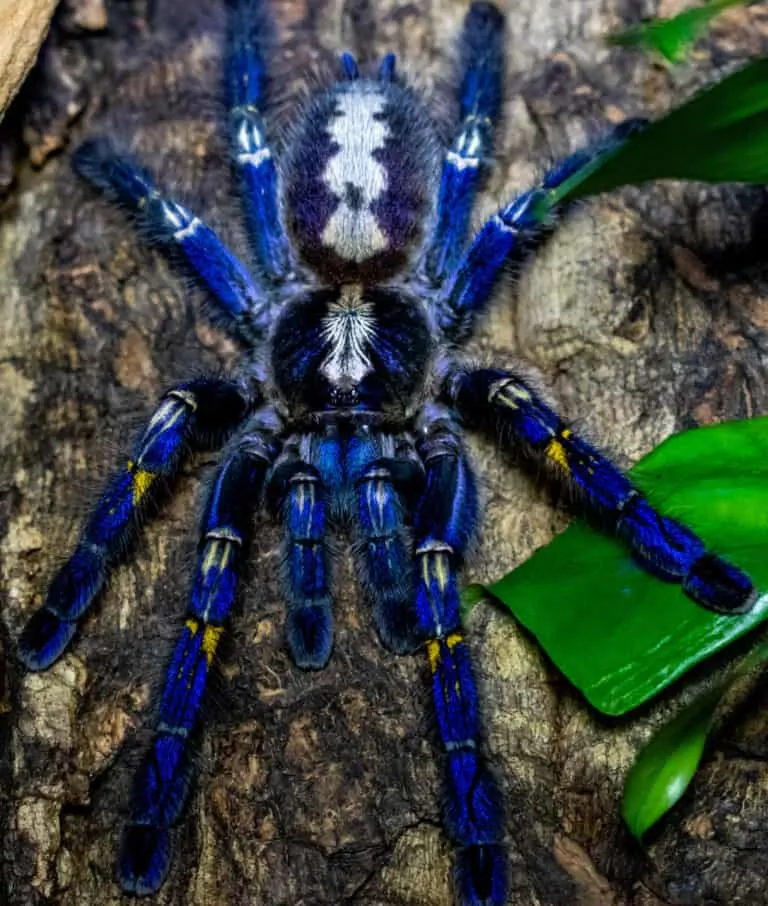
The Gooty Sapphire Tarantula, a stunning and sought-after species, captivates with its iridescent blue coloration. For potential owners, understanding the Gooty Sapphire Tarantula lifespan is crucial. This knowledge helps in providing proper care and setting realistic expectations. This guide will delve into various aspects influencing their longevity, debunk myths, and offer insights into maximizing their lifespan, ensuring a fulfilling experience for both the tarantula and its keeper. Proper care, environment, and awareness of their specific needs are key to enjoying these beautiful creatures for as long as possible.
Gooty Sapphire Tarantula Lifespan Overview
Understanding the typical lifespan of a Gooty Sapphire Tarantula is fundamental for any potential owner. These tarantulas, while beautiful, have a limited lifespan, and knowing the average range helps in planning and providing appropriate care. This section will provide a general overview, setting the stage for more detailed discussions on factors that impact longevity and how to best care for these unique arachnids. Remember that tarantulas, like all living creatures, are subject to various influences that can affect their lifespan, and understanding these is essential for responsible pet ownership.
Average Lifespan of Gooty Sapphire Tarantulas
The average lifespan of a Gooty Sapphire Tarantula varies depending on the sex. Generally, females live significantly longer than males. Female Gooty Sapphire Tarantulas can live for up to 12 years or even longer under optimal conditions. Males, on the other hand, have a much shorter lifespan, typically living only 3 to 5 years. This difference is primarily due to their biological roles, with males often dying shortly after reaching maturity and mating. Factors such as genetics, care, and environmental conditions can influence these averages, but sex remains a primary determinant of how long these tarantulas will live.
Factors Influencing Gooty Sapphire Tarantula Lifespan

Several factors significantly impact the Gooty Sapphire Tarantula’s lifespan. These elements, ranging from the tarantula’s sex to environmental conditions, collectively determine how long these spiders thrive. Awareness and management of these factors are vital for responsible ownership, allowing keepers to provide the best possible environment and care, thus maximizing their pet’s lifespan. Careful attention to these details can make a significant difference in the health and longevity of these fascinating creatures.
Sex of the Tarantula
As mentioned earlier, the sex of the Gooty Sapphire Tarantula is one of the most critical factors. Female tarantulas possess a longer lifespan due to their biological makeup, living significantly longer than their male counterparts. When acquiring a Gooty Sapphire Tarantula, knowing the sex is crucial as it helps in anticipating its lifespan and preparing for the long-term commitment of caring for the tarantula. While the sex cannot be changed, understanding its impact allows for tailored care, focusing on long-term health and well-being.
Diet and Nutrition
A balanced and appropriate diet is crucial for the health and longevity of a Gooty Sapphire Tarantula. These tarantulas are insectivores, and their diet should primarily consist of live insects, such as crickets, roaches, and mealworms. The size and frequency of feeding should be adjusted based on the tarantula’s size and growth stage. Overfeeding can lead to health problems, while underfeeding can stunt growth and reduce lifespan. Providing a varied diet ensures the tarantula receives essential nutrients, contributing to its overall health and lifespan.
Environmental Conditions

Environmental conditions play a pivotal role in the health and lifespan of a Gooty Sapphire Tarantula. Creating a suitable habitat that mimics their natural environment is essential. This includes maintaining appropriate humidity, temperature, and providing a secure enclosure. These conditions have a direct impact on the tarantula’s ability to thrive, molt successfully, and ward off illnesses. Neglecting these aspects can severely shorten their lifespan and negatively affect their overall well-being, highlighting the importance of a well-managed environment.
Humidity and Temperature
Humidity and temperature are critical environmental factors. Gooty Sapphire Tarantulas thrive in specific temperature and humidity ranges, reflecting their natural habitat. Maintaining these conditions is essential for their health. High humidity helps with molting and hydration, while a stable temperature supports metabolic processes. Regularly monitoring and adjusting these parameters is crucial, using tools such as hygrometers and thermometers. Deviations from the ideal ranges can cause stress, dehydration, and other health issues, shortening the tarantula’s lifespan.
Enclosure Size and Setup
The enclosure size and setup also play a significant role in the tarantula’s well-being. The enclosure should be adequately sized to allow the tarantula to move and behave naturally. A secure setup with proper ventilation and substrate is essential for creating a healthy environment. The substrate should be appropriate for burrowing, helping them to feel secure and regulate humidity. Providing hiding places, such as cork bark or artificial plants, further enhances the tarantula’s sense of security. An inadequate enclosure can lead to stress and health problems, impacting the lifespan.
Impact of Stress

Stress can significantly impact a Gooty Sapphire Tarantula’s lifespan. Tarantulas are sensitive creatures, and any changes in their environment, handling, or exposure to loud noises can cause stress. Stress weakens their immune system, making them susceptible to illnesses and reducing their longevity. Minimizing stress involves providing a stable environment, avoiding unnecessary handling, and creating a secure habitat. Regular observation can help identify signs of stress early, allowing for prompt intervention to protect the tarantula’s health.
Signs of a Healthy Gooty Sapphire Tarantula
Recognizing the signs of a healthy Gooty Sapphire Tarantula is crucial for ensuring its well-being and maximizing its lifespan. A healthy tarantula exhibits several key characteristics, including an active appetite, regular molting cycles, and a vibrant appearance. Observing these signs can help owners quickly identify any health issues and take appropriate measures. Regular monitoring and understanding these indicators are vital for responsible pet ownership.
Molting Cycle and Its Relation to Lifespan
The molting cycle is a critical aspect of a tarantula’s life, directly related to its health and lifespan. Molting involves shedding the exoskeleton, allowing the tarantula to grow and replace damaged parts. The frequency of molting decreases as the tarantula ages, and a healthy molting process indicates a well-nourished and thriving tarantula. Providing a suitable environment with appropriate humidity is essential for successful molting. Difficulties during molting can lead to stress and health issues, impacting the lifespan of the tarantula. Any issues with molting should be monitored closely.
Common Health Issues and Their Effects

Gooty Sapphire Tarantulas, like all living creatures, can experience various health issues. Common problems include injuries from falls, parasites, and infections caused by poor environmental conditions. Recognizing these issues early on and providing prompt treatment is vital for ensuring the tarantula’s health and extending its lifespan. A healthy tarantula should be monitored for any unusual behavior or physical changes, seeking veterinary advice if needed. Prevention through proper care and a clean environment is key.
How to Extend Your Gooty Sapphire Tarantula’s Lifespan
While the genetic and biological factors affecting a Gooty Sapphire Tarantula’s lifespan cannot be altered, specific practices can significantly contribute to their longevity. By providing optimal care and a stable environment, owners can maximize their pet’s lifespan and ensure a high quality of life. Focusing on these areas can lead to a longer, healthier life for your tarantula.
Providing Proper Housing
Proper housing is essential for maintaining a healthy and long-lived Gooty Sapphire Tarantula. The enclosure should be appropriately sized to allow for comfortable movement, with adequate ventilation to prevent the buildup of harmful gases. The substrate should be appropriate for burrowing, and the presence of hides like cork bark or artificial plants can provide security and reduce stress. A well-designed enclosure supports the tarantula’s physical and psychological well-being, promoting a longer lifespan.
Maintaining Optimal Conditions

Maintaining optimal environmental conditions is crucial to a Gooty Sapphire Tarantula’s health and longevity. This includes consistent temperature and humidity levels within the recommended ranges. Regular monitoring with a hygrometer and thermometer is necessary to ensure these parameters are stable. Providing the appropriate temperature and humidity helps with molting, hydration, and overall health. Making adjustments as needed helps prevent stress and illnesses, contributing to a longer lifespan.
Feeding a Balanced Diet
Feeding a balanced diet is vital for the tarantula’s well-being and lifespan. Provide a varied diet of live insects like crickets, roaches, and mealworms. The food should be appropriately sized for the tarantula, and the frequency should be adjusted depending on the tarantula’s age and growth stage. Avoid overfeeding, which can lead to health problems. Ensuring the tarantula receives adequate nutrients contributes to a stronger immune system and increased longevity. Supplements like calcium can also be beneficial.
Regular Veterinary Checkups
While tarantula-specific vets can be hard to find, regular checkups are beneficial for ensuring the health and longevity of your Gooty Sapphire Tarantula. Although not as common as with other pets, a knowledgeable veterinarian can identify potential health issues and provide guidance on proper care. This proactive approach can help address health concerns early, preventing them from worsening and thus extending the tarantula’s lifespan. Regular checkups give owners peace of mind.
Gooty Sapphire Tarantula Lifespan Myths and Facts

Many misconceptions exist regarding the lifespan of Gooty Sapphire Tarantulas. Separating myths from facts is essential for setting realistic expectations and providing appropriate care. This section will address common misconceptions and present accurate information, helping owners make informed decisions.
Debunking Common Myths
Several myths surround the lifespan of Gooty Sapphire Tarantulas. One common myth is that they can live indefinitely with proper care. Another is that handling them frequently extends their lifespan. Dispelling these myths is vital for promoting responsible ownership. The reality is that lifespan is largely influenced by genetics, sex, and environmental factors. Frequent handling can stress the tarantula and, ironically, shorten its lifespan. Understanding the facts is key.
Real Lifespan Data
Real lifespan data provides a more accurate picture of what owners can expect. Female Gooty Sapphire Tarantulas can live up to 12 years or more. Males typically live for about 3 to 5 years. These figures can vary slightly based on the quality of care and individual tarantula’s genetic makeup. Responsible owners should focus on providing the best possible care, which is the most effective way to maximize their pet’s lifespan. Being aware of this data helps set appropriate expectations.
In conclusion, understanding the Gooty Sapphire Tarantula lifespan is crucial for any potential owner. By focusing on factors such as sex, diet, environmental conditions, and minimizing stress, owners can significantly contribute to their tarantula’s health and longevity. While it’s impossible to guarantee a specific lifespan, responsible care, and proactive measures are key to enjoying these beautiful creatures for as long as possible. Debunking myths and understanding the real data will help you provide the best possible care for your Gooty Sapphire Tarantula.