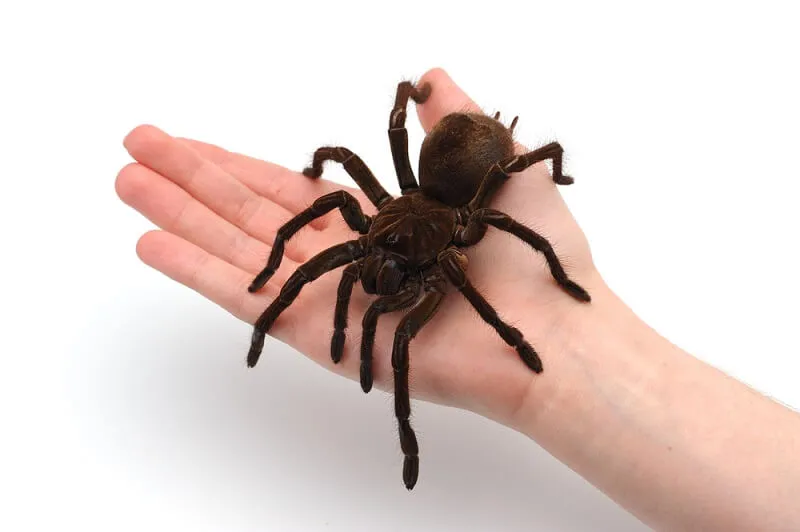
The Goliath Bird Eater Tarantula is one of the most fascinating and intimidating creatures in the world of arachnids. Its sheer size and unique characteristics make it a popular subject for videos, capturing the attention of both arachnid enthusiasts and the general public. This guide aims to provide a comprehensive overview of the Goliath Bird Eater Tarantula, including its habitat, behavior, and the best ways to create and share captivating videos of this amazing spider. We will cover everything from understanding the species to ensuring your safety while filming, offering valuable insights for anyone interested in learning more about this giant of the spider world.
What is a Goliath Bird Eater Tarantula
The Goliath Bird Eater Tarantula (Theraphosa blondi) is the largest known spider in the world, primarily known for its enormous size and impressive appearance. These spiders can have a leg span of up to 12 inches, with some individuals even exceeding this measurement. Native to the rainforests of northern South America, the Goliath Bird Eater gets its name from the occasional reports of them consuming small birds, though their diet mainly consists of insects, worms, and other invertebrates. The spider is covered in bristly hairs, which can cause irritation if they come into contact with skin, and they possess powerful fangs capable of delivering a painful bite. Despite their intimidating appearance, Goliath Bird Eaters are generally not aggressive but will defend themselves if threatened.
Habitat and Behavior
Where Goliath Bird Eaters Live

Goliath Bird Eaters are primarily found in the rainforests of northern South America, including countries such as Brazil, Venezuela, Guyana, Suriname, and French Guiana. They prefer humid environments and live in burrows that they create or find in the ground. These burrows provide shelter from the elements and protection from predators. The dense forest floor, with its abundance of leaf litter and decaying organic matter, is an ideal habitat for them, providing both food sources and camouflage. Their nocturnal nature means they spend the day hidden within their burrows, emerging at night to hunt for food.
Typical Behaviors in the Wild
In their natural habitat, Goliath Bird Eaters are primarily nocturnal hunters. They typically ambush their prey, waiting patiently near the entrance of their burrows or within the dense foliage. When an unsuspecting insect, worm, or small animal comes within reach, the tarantula will quickly pounce, injecting venom to immobilize its prey. They also exhibit defensive behaviors, such as raising their front legs and rubbing their legs against their abdomen to release urticating hairs if they feel threatened. These hairs are a form of defense mechanism designed to irritate potential predators, causing them to retreat. Their behavior is heavily influenced by environmental factors, such as humidity and temperature.
Common Characteristics of this Species
The Goliath Bird Eater Tarantula is characterized by its massive size, typically reaching a leg span of up to 12 inches. They have a dark brown coloration with reddish hairs on their legs and body. They possess large fangs, which they use to inject venom into their prey. Another notable characteristic is the presence of urticating hairs, which are tiny, barbed hairs that the tarantula flicks at potential threats. These hairs cause intense itching and irritation upon contact. They also have the ability to produce a hissing sound by rubbing their legs together, a defensive mechanism to ward off predators. These characteristics make them easily distinguishable from other tarantula species.
Understanding the Goliath Bird Eater Tarantula

Feeding Habits
The feeding habits of Goliath Bird Eaters primarily consist of insects, worms, and other invertebrates. They are opportunistic feeders, meaning they will consume whatever prey they can catch. While the name suggests they eat birds, this is rare; they will only consume birds if they are extremely small and defenseless. In their natural environment, their diet consists of a variety of insects and small animals that they encounter on the forest floor. In captivity, they are often fed a diet of crickets, mealworms, and roaches. The frequency of feeding depends on the spider’s size and age, with younger tarantulas needing to be fed more often than adults. Proper nutrition is critical for their health and longevity.
Hunting Techniques
Goliath Bird Eaters are ambush predators, using their burrows and camouflage to their advantage. They typically wait near the entrance of their burrows, patiently anticipating the arrival of potential prey. When a suitable target comes within reach, they launch a swift attack. They use their large fangs to inject venom into their prey, which paralyzes it. The spider then begins to digest the prey externally, secreting digestive enzymes onto it. They then suck up the liquefied remains. Their hunting techniques showcase their patience and efficiency. They are well-adapted to their environment, using their size and strength to secure their meals. They are not very active hunters; they prefer to wait for the prey to come to them.
Common Prey Items

The diet of Goliath Bird Eaters primarily consists of a variety of insects, including crickets, mealworms, and roaches. They may also eat worms and other invertebrates they encounter on the forest floor. In captivity, the most common prey items are easily obtained and provide the necessary nutrients for the spider. They are not particularly picky eaters. The size of the prey should be proportionate to the size of the tarantula to avoid any difficulties in capturing or consuming it. An occasional treat of a pinky mouse may also be provided for adult Goliath Bird Eaters. The key is to provide a balanced diet to ensure optimal health and growth.
Goliath Bird Eater Tarantula in Captivity
Keeping a Goliath Bird Eater Tarantula as a Pet
Keeping a Goliath Bird Eater Tarantula as a pet requires careful consideration due to its size and the specific needs of the species. Potential owners should be aware of the commitment involved in providing the correct environment, feeding schedule, and safety measures. Regular maintenance, including cleaning the enclosure and providing fresh water, is essential for their health. Researching and understanding the tarantula’s needs is critical before acquiring one as a pet. They are not recommended for beginners because of the size, special requirements, and the potential for bites. Despite their intimidating appearance, many owners find them to be rewarding pets, providing a unique opportunity to observe the behavior of these fascinating creatures.
Necessary Enclosure and Setup

The enclosure for a Goliath Bird Eater Tarantula should be spacious, secure, and mimic their natural habitat. A minimum size of a 20-gallon long tank is often recommended for juveniles, while adult specimens may require a larger enclosure, such as a 40-gallon breeder tank. The substrate should be several inches deep, consisting of a mixture of peat moss, coconut fiber, and sphagnum moss to maintain humidity and allow for burrowing. A hide, such as a piece of cork bark or a hollow log, should be provided for the tarantula to retreat to. The enclosure needs to be kept at a temperature of 75-85°F (24-29°C) with a humidity level of 75-80%. A shallow water dish should be available at all times, providing a constant source of fresh water.
Common Health Issues
Like all pets, Goliath Bird Eater Tarantulas can be prone to certain health issues. Dehydration can be a common problem if the humidity levels are not maintained correctly. Overfeeding can lead to obesity, which can shorten their lifespan. Mites and other parasites can infest the tarantula and its enclosure, causing irritation and stress. It is essential to monitor the tarantula for any signs of illness, such as loss of appetite, lethargy, or unusual behaviors. Regular cleaning of the enclosure and proper hygiene can help prevent many health problems. It is important to consult with an experienced tarantula keeper or a veterinarian specializing in exotic pets if you notice any health concerns.
Creating a Video
Best Equipment

To create high-quality videos of a Goliath Bird Eater Tarantula, the right equipment is essential. A good quality camera or smartphone with video capabilities is the first requirement. A tripod will help to stabilize the camera and ensure steady shots. Macro lenses are recommended for capturing detailed close-up shots of the tarantula. Additional lighting, such as LED lights, can help to improve the brightness and clarity of the video, especially when filming in low-light conditions. A high-quality microphone is crucial for capturing clear audio, such as the spider’s movements and any commentary. Always make sure your equipment is set up safely and won’t impact the spider.
Lighting and Setup
Proper lighting and setup are essential for filming Goliath Bird Eaters. The lighting setup should provide enough illumination to capture clear footage without causing the tarantula discomfort. LED lights are a good option. Avoid direct sunlight, which can overheat the enclosure. The setup should also include a clean and aesthetically pleasing background, preferably a naturalistic environment that mimics the tarantula’s natural habitat. Ensure the enclosure is clean and well-maintained to avoid distracting elements in the video. When filming, ensure the enclosure is secured. Good lighting will reveal the colors and textures of the spider, making the video more appealing. Adjust the lighting to remove shadows and uneven illumination to get the best results.
Video Recording Tips
When recording a video of your Goliath Bird Eater Tarantula, there are several tips to keep in mind. Start by planning the shots and angles you want to capture. Film in short segments to maintain viewer interest. Use slow, deliberate movements with the camera to avoid jarring the viewer. Focus on capturing the spider’s natural behaviors, such as feeding, burrowing, and moving. Make sure the video is in focus and properly exposed. Adding captions or a voiceover commentary can provide context and educational value to the video. Edit the footage to remove any unnecessary parts, creating a polished final product. Make sure the video respects the spider; avoid stressing the animal.
Where to Share

YouTube
YouTube is one of the most popular platforms for sharing videos of Goliath Bird Eater Tarantulas. When uploading your video, ensure you use a relevant title, description, and tags to increase its visibility. Create engaging thumbnails to attract viewers. Regularly upload new content to keep your audience interested. Engage with comments and feedback to build a community around your channel. Promoting your videos on other social media platforms can help drive traffic to your YouTube channel. Consider joining YouTube groups or forums related to tarantulas to connect with other enthusiasts. The YouTube platform provides a great avenue for sharing your passion.
Social Media
Social media platforms, such as Facebook, Instagram, and TikTok, offer excellent opportunities to share short video clips and reach a broader audience. Optimize your video content for each platform. Use relevant hashtags to increase the visibility of your posts. Engage with your followers by responding to comments and participating in discussions. Create engaging content that sparks interest and educates viewers about the Goliath Bird Eater Tarantula. Consider running contests or giveaways to increase engagement. Collaboration with other tarantula enthusiasts can help expand your reach. By regularly posting and interacting with your audience, you can build a strong presence on social media.
Other Platforms

Besides YouTube and social media, there are other platforms to consider sharing your Goliath Bird Eater Tarantula videos. Video-sharing websites like Vimeo are an option. You can also share your videos on specialized forums or websites dedicated to arachnids and tarantulas. Consider embedding your videos on your personal blog or website if you have one. Reaching out to animal education websites or organizations may also provide opportunities to share your content. Always check the platform’s guidelines to ensure your video meets their requirements. By diversifying your video-sharing efforts, you can reach a wider audience and maximize the impact of your content.
Important Safety Precautions
Handling the Tarantula
Handling a Goliath Bird Eater Tarantula should be done with extreme caution and only when necessary. Avoid handling the tarantula unless absolutely required, such as for a health check. Before handling, ensure you are calm and composed, as sudden movements can startle the spider. Use a soft, wide-brimmed container to safely move the tarantula if needed, never use your bare hands. Always handle the tarantula over a soft surface to prevent injury if it falls. Wash your hands thoroughly before and after handling, and make sure to keep it away from children and pets. Handling the tarantula is at your own risk, and it is best to observe the spider from a safe distance.
Avoiding Bites and Injuries
To avoid bites and injuries, maintain a safe distance from the Goliath Bird Eater Tarantula. When interacting with the enclosure, do so slowly and gently. Avoid making sudden movements that could startle the spider. If the tarantula displays defensive behaviors, such as raising its front legs or exposing its fangs, immediately back away. Never try to handle or provoke the spider if it seems agitated or stressed. Keep the enclosure secure to prevent escapes. Be aware of the urticating hairs, and avoid contact with your skin and eyes. By following these safety precautions, you can minimize the risk of bites and injuries, ensuring a safe and enjoyable experience for both you and the tarantula.
Conclusion
Creating videos of the Goliath Bird Eater Tarantula can be a rewarding experience, allowing you to share the beauty and complexity of this magnificent species with others. From understanding their habitat and behavior to setting up the perfect filming environment, this guide provides the knowledge and tips you need to create engaging and informative videos. Remember to prioritize the safety of both yourself and the tarantula, and always approach these creatures with respect and caution. By following the guidelines and safety precautions, you can create captivating content that educates and entertains viewers while promoting a greater understanding of this amazing spider. So, get your camera ready, and start documenting the fascinating world of the Goliath Bird Eater Tarantula.