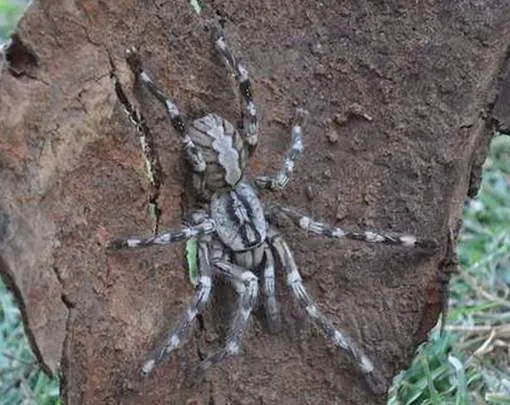
What Makes a Giant Tarantula?
Giant tarantulas, members of the Theraphosidae family, are some of the largest spiders in the world. These impressive arachnids are not just big; they also exhibit unique characteristics and behaviors that set them apart. Their size alone, with some species boasting leg spans exceeding 10 inches, makes them stand out in the arthropod world. But it’s not only their physical dimensions that define them. From their complex hunting strategies to their defensive mechanisms, giant tarantulas are fascinating creatures that have captured the attention of scientists and enthusiasts alike. Researchers are continually studying these spiders to understand their biology, behavior, and the role they play in their ecosystems. They offer insights into the intricate web of life on our planet, underscoring the importance of biodiversity and conservation.
Size and Appearance of Giant Tarantulas
The sheer size of giant tarantulas is often the first thing that catches the eye. Their bodies are typically covered in dense hairs, which provide both sensory input and a degree of protection. The coloration varies significantly depending on the species and habitat, ranging from earthy browns and blacks to vibrant oranges and blues. These colors serve as camouflage in their natural environments. Their legs are long and powerful, designed for both walking and climbing, enabling them to navigate their surroundings with ease. They also possess chelicerae, or fangs, that are used to inject venom into their prey. The overall appearance of a giant tarantula is a testament to its evolutionary adaptations, allowing it to thrive in a variety of environments. They can weigh up to 85 grams.
Habitat of Giant Tarantulas

Giant tarantulas are found in a variety of habitats across the globe, with a particularly high diversity in tropical and subtropical regions. They often inhabit burrows in the ground, under rocks, or within the hollows of trees. The specific habitat preferences vary depending on the species. Some prefer humid environments, while others thrive in drier climates. The availability of prey and suitable shelter are key factors in determining where these spiders live. Researchers have found them in places like the rainforests of South America, the arid deserts of the southwestern United States, and the grasslands of Africa. Understanding their habitats is crucial for conservation efforts, as changes in these environments can directly impact tarantula populations.
Where Giant Tarantulas Live
As mentioned before, they are found in diverse locations. South America, particularly the Amazon rainforest, is a hotspot for tarantula diversity. In North America, they are most common in the southwestern states. Parts of Africa, Asia, and Australia also host various species. Within these broader regions, their distribution is further influenced by factors like soil type, vegetation, and microclimates. Some species are highly specialized, occupying very specific niches, while others are more adaptable. Local environmental conditions, such as temperature, humidity, and the presence of predators or competitors, also play a crucial role in determining where they can survive. Thus, mapping their distribution helps in understanding their ecology and conservation needs. They do not live in the Antarctic.
Behavior and Characteristics of Giant Tarantulas
Giant tarantulas are generally nocturnal creatures, meaning they are most active during the night. They are ambush predators, waiting patiently for unsuspecting prey to come within striking distance. Their hunting strategies are finely tuned, using sensory hairs on their legs to detect vibrations in the ground, signaling the presence of potential meals. When prey is detected, they quickly pounce, using their fangs to inject venom. They are generally solitary creatures, except during mating season. They communicate through pheromones and, in some cases, by stridulating (rubbing body parts together) to produce sounds. They also exhibit territorial behavior, defending their burrows from intruders. They can live for over 20 years.
Hunting and Diet of Giant Tarantulas

The diet of a giant tarantula mainly consists of insects and other arthropods, such as crickets, beetles, and cockroaches. However, larger species are also known to prey on small vertebrates, including lizards, frogs, and even small birds or mammals. They use their venom to immobilize their prey, after which they inject digestive enzymes. The tarantula then sucks up the liquefied tissues, leaving behind the exoskeleton or bones. The hunting strategy of a tarantula is often highly opportunistic. They patiently wait for prey to come to them. Researchers have observed variations in hunting behavior depending on the species and available food sources.
Venom and Defense Mechanisms of Giant Tarantulas
While the venom of giant tarantulas is not typically lethal to humans, it can still cause a painful bite. The effects can include localized pain, swelling, muscle cramps, and nausea. The venom is primarily used to subdue prey. Besides their venom, giant tarantulas have other defense mechanisms. They have urticating hairs on their abdomen, which they can flick towards predators, causing intense itching and irritation. They also have a tendency to bite when threatened. Their size and the threat of a bite often serve as deterrents. They can also release urine if threatened. Understanding the defensive strategies of these spiders helps in developing safe handling practices for both researchers and enthusiasts.
5 Amazing Facts About Giant Tarantulas
Amazing Fact 1: Size and Strength

Some giant tarantula species can have a leg span of over 10 inches, making them among the largest spiders in the world. They are incredibly strong for their size, capable of subduing prey much larger than themselves. Their strength is a key factor in their ability to hunt and survive in their environments.
Amazing Fact 2: Lifespan
Female giant tarantulas can live for over 20 years, significantly longer than many other spider species. Males, however, typically have shorter lifespans, often only living for a few years after reaching maturity. This longevity contributes to the stability of their populations.
Amazing Fact 3: Venom and Danger Level
While their venom is not deadly to humans, a bite can be very painful and cause a range of unpleasant symptoms. The venom is primarily used to subdue prey, and its potency varies between different species. It’s not considered medically significant, but the potential for allergic reactions always exists.
Amazing Fact 4: Dietary Needs

Their diets can range from insects and arthropods to small vertebrates. Their feeding habits are a testament to their adaptability and their position in the food chain. They are opportunistic feeders, and their diet can vary depending on the availability of prey in their habitat.
Amazing Fact 5: Unique Defense Mechanisms
Besides their venom, they also use urticating hairs for defense. These hairs can cause intense irritation when they come into contact with skin or mucous membranes. They can also release urine if threatened. These hairs are a key adaptation to ward off predators and protect themselves.
Conservation and Future of Giant Tarantulas
Many giant tarantula species are facing threats from habitat loss, deforestation, and the pet trade. Conservation efforts are focused on protecting their natural habitats and educating the public about the importance of these creatures. Research is ongoing to understand the impacts of climate change and other environmental factors on their populations. By understanding their biology and the threats they face, we can work to ensure their survival for future generations. Supporting responsible pet ownership and habitat preservation is vital to the continued existence of these fascinating spiders.