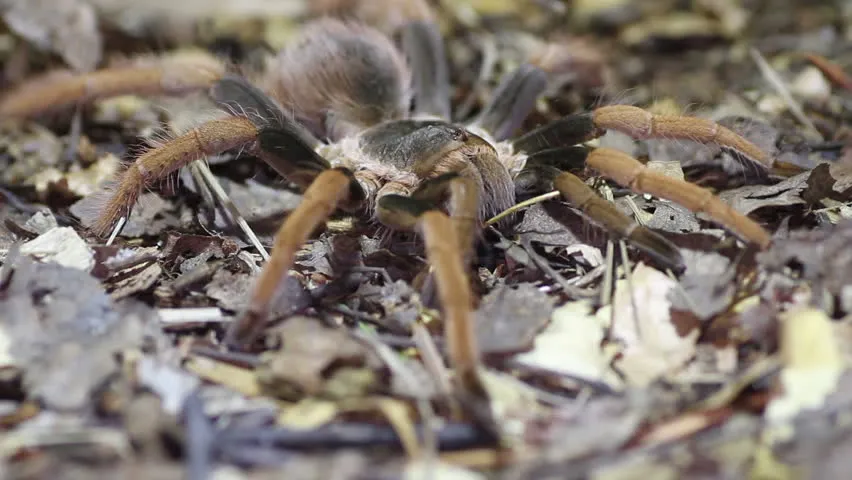
Understanding the Giant Red Bloom Tarantula
The Giant Red Bloom Tarantula, a captivating creature, is a popular choice for tarantula enthusiasts due to its striking appearance and relatively manageable care requirements. This comprehensive guide will delve into every aspect of caring for your Giant Red Bloom Tarantula, from setting up its ideal habitat to understanding its dietary needs, handling safely, and recognizing signs of illness. With the right knowledge and dedication, you can provide a thriving environment for your pet tarantula, ensuring its health and well-being for years to come. Before acquiring a Giant Red Bloom Tarantula, it’s crucial to research thoroughly and understand the responsibilities involved in owning an exotic pet. Proper planning and preparation are key to providing a suitable home for your new arachnid companion.
Habitat and Enclosure Setup
Creating the right habitat is paramount to the health and happiness of your Giant Red Bloom Tarantula. The enclosure should mimic its natural environment as closely as possible, providing ample space, appropriate temperature and humidity levels, and a safe place to retreat. A well-designed enclosure not only supports the tarantula’s physical needs but also provides enrichment, allowing it to exhibit natural behaviors. Remember, a stressed tarantula is more susceptible to health problems, so the enclosure setup is the foundation of good tarantula care.
Choosing the Right Enclosure

The size of the enclosure should be proportionate to the tarantula’s size. A general rule of thumb is that the enclosure should be at least three times the tarantula’s leg span in width. For a juvenile, a smaller enclosure might be suitable, while adults will need a larger space. Glass terrariums or clear plastic enclosures are excellent choices because they allow for easy viewing and proper ventilation. Ensure the enclosure has a secure lid to prevent escapes. The enclosure must be escape-proof, as tarantulas are skilled climbers and can squeeze through surprisingly small gaps. Always opt for a front-opening enclosure rather than a top-opening one, as it’s safer for both you and the tarantula during maintenance and handling.
Substrate Selection
The substrate serves as the flooring of your tarantula’s home and plays a vital role in maintaining humidity levels and providing a surface for burrowing. A good substrate should be absorbent, non-toxic, and easy to clean. Popular choices include a mix of coconut fiber (coir), peat moss, and a small amount of vermiculite. These materials are excellent at retaining moisture, which is essential for the tarantula’s health. Avoid using substrates like sand or gravel, as they can be difficult to clean and may cause injury. The depth of the substrate should be sufficient for the tarantula to burrow, which offers a sense of security and allows for natural behaviors.
Essential Enclosure Accessories
Besides the substrate, several accessories will enhance your tarantula’s habitat. A shallow water dish is crucial, providing a constant source of fresh water. Place the water dish in a location where it is easily accessible but not directly under the heat source. Decorate the enclosure with hides such as cork bark, artificial plants, or hollow logs. These provide shelter and security, helping the tarantula feel safe and reducing stress. Avoid using sharp or potentially harmful decorations. The goal is to create a naturalistic and enriching environment that mimics the tarantula’s native habitat. Ensure all accessories are non-toxic and can’t trap or harm your tarantula.
Temperature and Humidity Control

Maintaining the correct temperature and humidity levels is critical to the health and well-being of your Giant Red Bloom Tarantula. The ideal temperature range is between 75-85°F (24-29°C). Use a thermometer to monitor the temperature inside the enclosure. A heat mat placed on the side of the enclosure can provide supplemental heat, but avoid placing it directly under the enclosure. Humidity levels should be maintained between 60-70%. Monitor humidity using a hygrometer. You can increase humidity by misting the enclosure with water a few times a week, especially during molting. Ensure proper ventilation to prevent mold growth, but be careful not to let the enclosure dry out completely.
Feeding Your Giant Red Bloom Tarantula
Providing a proper diet is fundamental to the health and longevity of your Giant Red Bloom Tarantula. Understanding their dietary needs and feeding habits will help you ensure your tarantula thrives. Always provide fresh, nutritious food, and monitor your tarantula’s feeding behavior to ensure it is eating properly. A well-fed tarantula is a healthy tarantula. Regular feeding helps maintain their energy levels and supports their growth and development. Always remove any uneaten food within 24 hours to maintain a clean and healthy environment.
Dietary Needs
Giant Red Bloom Tarantulas are primarily insectivores, meaning their diet consists of insects. Crickets, mealworms, and roaches are excellent food sources. Varying the diet provides essential nutrients and prevents nutritional deficiencies. Always ensure the insects are gut-loaded with nutritious food like vegetables and commercial insect food before feeding them to your tarantula. This practice ensures your tarantula receives the vitamins and minerals it needs. Never feed your tarantula insects that have been exposed to pesticides or chemicals, as these can be harmful.
Feeding Frequency and Portion Size
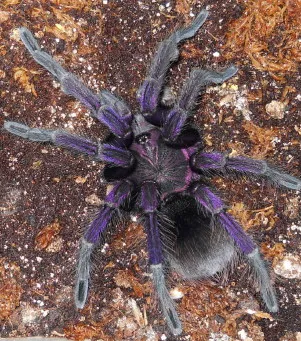
The feeding frequency depends on the age and size of the tarantula. Spiderlings and juveniles should be fed 2-3 times per week. Adults can be fed once a week or every other week. Observe your tarantula’s abdomen; if it appears round and plump, it is well-fed. The size of the prey should be appropriate for the tarantula’s size; the insect should be no larger than the tarantula’s body. Remove any uneaten insects within 24 hours to prevent them from bothering the tarantula. Overfeeding can lead to obesity and health problems. Adjust the feeding schedule based on your tarantula’s activity level and appetite.
Watering and Hydration
Fresh water is essential for your Giant Red Bloom Tarantula. Always provide a shallow water dish with fresh, clean water. The water dish should be easily accessible but not too deep, to prevent the tarantula from drowning. Change the water in the dish at least once a week, or more frequently if it becomes soiled. In addition to the water dish, you can mist the enclosure with water a few times a week to maintain humidity, particularly during molting. Ensure the enclosure does not become overly saturated to prevent mold growth. A well-hydrated tarantula is a healthy tarantula, so always make sure it has access to water.
Handling and Interaction
While Giant Red Bloom Tarantulas are fascinating creatures, they are not meant to be handled frequently. Handling can be stressful for them and may increase the risk of bites. Understanding how to handle your tarantula safely and recognizing when to avoid handling is crucial for both your safety and the tarantula’s well-being. Observing your tarantula from a distance is the best way to appreciate its beauty and behavior.
Safe Handling Techniques

If you must handle your Giant Red Bloom Tarantula, do so cautiously. Approach the tarantula slowly and gently. Never pick it up from above, as this can be perceived as a threat. Instead, gently encourage the tarantula to walk onto your hand. Always handle the tarantula over a soft surface, such as a bed or a carpet, in case it falls. Avoid sudden movements and loud noises, as these can startle the tarantula. Wash your hands thoroughly before and after handling to prevent the spread of bacteria.
Recognizing Stress Signals
Pay close attention to your tarantula’s behavior. If the tarantula is flicking its legs, raising its front legs, or showing a defensive posture, it is stressed and should not be handled. Other signs of stress include rapid movement, refusal to eat, and hiding constantly. If your tarantula displays any of these behaviors, it’s best to leave it alone and allow it to retreat to its hide. Providing a secure and stress-free environment will help your tarantula feel safe and comfortable. Avoid handling during molting, as they are particularly vulnerable during this time.
Health and Common Issues
Like any pet, Giant Red Bloom Tarantulas can experience health problems. Knowing how to identify and address these issues is crucial for providing the best possible care. Regular observation and preventative measures can help keep your tarantula healthy and thriving. Always consult a veterinarian specializing in exotic animals if you notice any concerning symptoms or changes in your tarantula’s behavior.
Identifying Potential Health Problems

Common health problems include parasites, fungal infections, and injuries. Parasites can manifest as tiny mites on the tarantula. Fungal infections often appear as discolored patches or lesions. Injuries can occur during molting or if the tarantula is dropped. Look for changes in behavior, such as lethargy, loss of appetite, or unusual movements. Inspect your tarantula regularly for any abnormalities. Early detection is essential for effective treatment. If you notice any signs of illness, isolate the tarantula and seek advice from an experienced tarantula keeper or veterinarian.
Preventative Care
Prevention is key to keeping your Giant Red Bloom Tarantula healthy. Provide a clean and well-maintained enclosure. Regularly clean the enclosure and remove any uneaten food or waste. Ensure proper ventilation to prevent the growth of mold or fungi. Feed your tarantula a varied and nutritious diet. Maintain the correct temperature and humidity levels. Avoid handling the tarantula unnecessarily, as this can cause stress. Quarantine new tarantulas before introducing them to your existing collection. Regular observation and a proactive approach to health care will help ensure your tarantula’s longevity and well-being.
Molting and What to Expect
Molting is a natural process where a tarantula sheds its exoskeleton to grow. Understanding this process and how to care for your tarantula during this time is critical. Molting can be a stressful time for tarantulas, so it’s essential to create a supportive environment to help them through this process. Avoid handling or disturbing the tarantula during this time. A successful molt indicates a healthy and growing tarantula.
Molting Process Explained

Before molting, the tarantula may become inactive and stop eating. It may also start to look dull and lose its appetite. The tarantula will often flip onto its back. This position allows it to shed its exoskeleton. The molting process can take several hours, or even a day or two. During molting, the tarantula is vulnerable, so avoid any disturbances. Once the molt is complete, the tarantula will be soft and fragile. Do not feed the tarantula until its fangs have hardened, usually a week or two after the molt.
Post-Molting Care
After molting, your tarantula will be soft and vulnerable. Allow the tarantula to rest undisturbed for a week or two to allow its exoskeleton to harden. Provide fresh water. Do not offer food until its fangs have hardened, usually after a week or two. Once the fangs are hard, offer food, starting with small prey items. Watch for any signs of issues after the molt, such as the inability to move or deformities. If you see any problems, seek professional help. Providing a stress-free environment after molting will support its recovery.
Caring for a Giant Red Bloom Tarantula can be a rewarding experience. By providing the right habitat, diet, and care, you can ensure your tarantula lives a long and healthy life. Remember to research, observe, and be patient. Enjoy the unique experience of owning this fascinating creature.