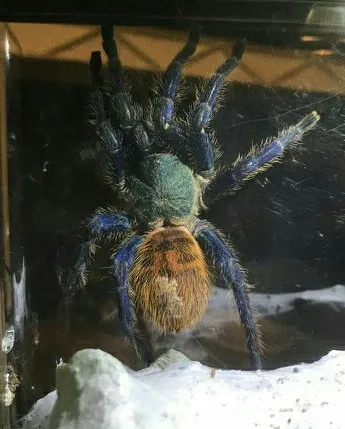
GBB Tarantula: Basic Information
The Greenbottle Blue Tarantula (GBB), scientifically known as Chromatopelma cyaneopubescens, is a visually stunning and captivating arachnid. Its vibrant coloration, with metallic blue legs and a bright orange abdomen, makes it a favorite among tarantula enthusiasts. Native to the semi-arid regions of Venezuela, the GBB tarantula is known for its relatively docile temperament, making it a rewarding pet for both novice and experienced keepers. This comprehensive care guide will provide all the necessary information to ensure your GBB tarantula thrives in captivity, covering everything from housing and feeding to health and breeding.
Origin and Habitat
Understanding the natural habitat of the GBB tarantula is crucial for replicating its needs in captivity. These tarantulas originate from the Paraguaná Peninsula in Venezuela, a region characterized by arid and semi-arid environments. They are primarily terrestrial, but are also known to create elaborate webs. They are accustomed to warm temperatures and relatively low humidity levels. The terrain is dotted with sparse vegetation and rocky outcrops. Replicating these conditions, particularly in terms of temperature and ventilation, is key to the GBB tarantula’s well-being and longevity.
Appearance and Characteristics

The GBB tarantula is easily identifiable due to its striking coloration. Juveniles exhibit a less pronounced color pattern, with the vibrant colors intensifying as they mature. Mature females typically display the most vivid colors, while males often exhibit slightly less intense hues. They are known for their relatively large size, with mature females reaching a leg span of up to 6 inches. Their bodies are covered in fine hairs, and they possess strong chelicerae, used for capturing and consuming prey. The GBB tarantula is a web-spinner, creating intricate webs that are both functional and aesthetically pleasing.
GBB Tarantula: Essential Care Guide
Housing Requirements
Proper housing is fundamental to the health and happiness of your GBB tarantula. The enclosure must provide adequate space for movement, facilitate web-spinning, and maintain optimal environmental conditions. Choose an enclosure that is secure, well-ventilated, and escape-proof to ensure the safety of both the tarantula and the keeper. Consider the size of the tarantula; larger individuals require larger enclosures, and provide the appropriate environment from the start.
Tank Size and Setup

For adult GBB tarantulas, an enclosure measuring at least 12x12x12 inches is recommended, with larger enclosures providing more space for web construction and activity. A front-opening terrarium is a good option, offering easy access for maintenance. Ensure the enclosure has a secure lid to prevent escapes. The setup should include proper ventilation to prevent the buildup of harmful gasses and maintain suitable humidity levels. Avoid using any material that could be harmful to the tarantula, such as adhesive tape.
Substrate and Decor
The substrate should be deep enough to allow the tarantula to burrow if it chooses. A substrate composed of a mix of coconut fiber, peat moss, and a small amount of vermiculite is ideal, as it retains moisture while allowing for proper drainage. Decorate the enclosure with a hide, such as a cork bark or a half log, to provide a secure retreat for the tarantula. Include a water dish of appropriate size for easy access to fresh water, and provide some artificial plants for aesthetics and to aid in web construction. The substrate should be spot cleaned regularly to remove any waste or uneaten food.
Temperature and Humidity
GBB tarantulas thrive in a temperature range of 75-85°F (24-29°C). Maintaining this temperature is essential, especially during colder months. A heat mat placed on the side of the enclosure (not underneath) can provide supplemental heat, but it’s crucial to monitor the temperature to prevent overheating. Humidity levels should be kept relatively low, around 50-60%. This can be achieved by ensuring good ventilation and lightly misting the enclosure once or twice a week, but it’s important to let the enclosure dry out between mistings to prevent mold growth.
Feeding Your GBB Tarantula

Feeding your GBB tarantula a nutritious and appropriate diet is crucial for its health, growth, and overall well-being. The tarantula’s feeding habits and preferences change over time. Providing live prey that is size-appropriate, readily available, and safe is essential. It is also crucial to remove uneaten prey to prevent stress and potential harm to the tarantula.
What to Feed
The GBB tarantula is a voracious eater and will readily accept a variety of live prey items. Crickets, mealworms, and roaches are common and readily available food sources. The size of the prey should be appropriate for the size of the tarantula. Generally, the prey item should be no larger than the tarantula’s body. Ensure the prey is gut-loaded with nutritious food prior to feeding, as this will benefit the tarantula. Avoid feeding wild-caught insects, as they may carry parasites or pesticides.
Feeding Frequency
Feeding frequency depends on the tarantula’s age and size. Spiderlings and juveniles should be fed more frequently, usually 2-3 times per week. Adult GBB tarantulas can be fed every 1-2 weeks, or even less often, depending on their appetite and overall condition. Observe your tarantula’s behavior; if it refuses food, it may be in pre-molt or not hungry. Always remove uneaten prey within 24 hours to prevent it from stressing the tarantula.
Watering Your GBB Tarantula

Providing fresh water is essential for your GBB tarantula’s hydration. A shallow water dish filled with clean water should be available at all times. Ensure the water dish is easy to access and is regularly cleaned to prevent bacterial growth. Additionally, lightly misting the enclosure every few days can help to maintain humidity levels, but be careful not to over-saturate the substrate. The tarantula will drink from the water dish or from droplets of water on the enclosure walls.
Health and Wellbeing
Maintaining the health and well-being of your GBB tarantula involves proactive measures. Regularly observing your tarantula’s behavior, appearance, and feeding habits can help you identify any potential health issues early on. A healthy tarantula should be active, eat well, and have a shiny appearance. It’s critical to act fast if you notice anything unusual, such as lethargy, loss of appetite, or changes in the abdomen.
Common Health Issues
Several health issues can affect GBB tarantulas. Parasites and mites can infest the tarantula, causing irritation and discomfort. Improper humidity levels can lead to mold growth, which can be harmful. Dehydration is a common problem, especially in enclosures with poor ventilation. Check for any unusual behavior such as shaking, curled legs, or lack of appetite. Prevention is key, so always keep the enclosure clean, maintain proper humidity levels, and provide a balanced diet.
Molting Process

Molting is a natural process where tarantulas shed their exoskeletons to grow. During this time, the tarantula will usually stop eating and become less active. It may also lie on its back. Never disturb a tarantula during molting. Provide a secure environment and ensure the proper humidity level. After molting, the tarantula’s new exoskeleton will be soft. Avoid feeding it for a few days until the new exoskeleton hardens completely.
Handling and Safety
GBB tarantulas are generally not aggressive, but they can bite if provoked. Handling them is generally not recommended, as it can cause stress to the tarantula and potentially lead to injury. If handling is necessary, do so gently and with extreme caution, always supervising the tarantula. Wash your hands thoroughly before and after handling your tarantula to avoid any potential contamination. Be mindful of urticating hairs, which can cause skin irritation.
GBB Tarantula Breeding
Breeding GBB tarantulas can be a rewarding experience, but it requires careful planning and preparation. It is crucial to understand the basics of tarantula breeding before attempting to breed GBBs. This includes sexing the tarantulas, providing the proper environment, and understanding the mating process. This is an advanced topic, so only undertake it if you’re prepared and have done your research.
Sexing Your Tarantula

Sexing a GBB tarantula is usually done by examining the tarantula’s molt. The presence of spermathecae (sperm-storage organs) in the female’s molt confirms its sex. The males have distinct tibial hooks on their front legs. Although it can be challenging to identify, these can be recognized on the molt. Mature males have a small structure in the pedipalps, a key indicator for sexing.
Breeding Process Overview
Breeding GBB tarantulas requires a mature male and female. Introduce the male into the female’s enclosure. Observe their behavior, and be prepared to separate them immediately if the female shows aggressive behavior. If mating is successful, the female will produce an egg sac. Provide a suitable environment, temperature, and humidity level to encourage the female to create an egg sac, and then, care for the spiderlings. The process requires a high level of experience and knowledge.
Conclusion
Caring for a GBB tarantula is a rewarding experience for those who are prepared to meet its specific needs. By providing the appropriate housing, feeding, temperature, humidity, and understanding its health, you can ensure that your GBB tarantula will thrive. With proper care, these stunning arachnids can be enjoyed for many years. Always remember to research and continue to learn about your tarantula to provide the best possible care.