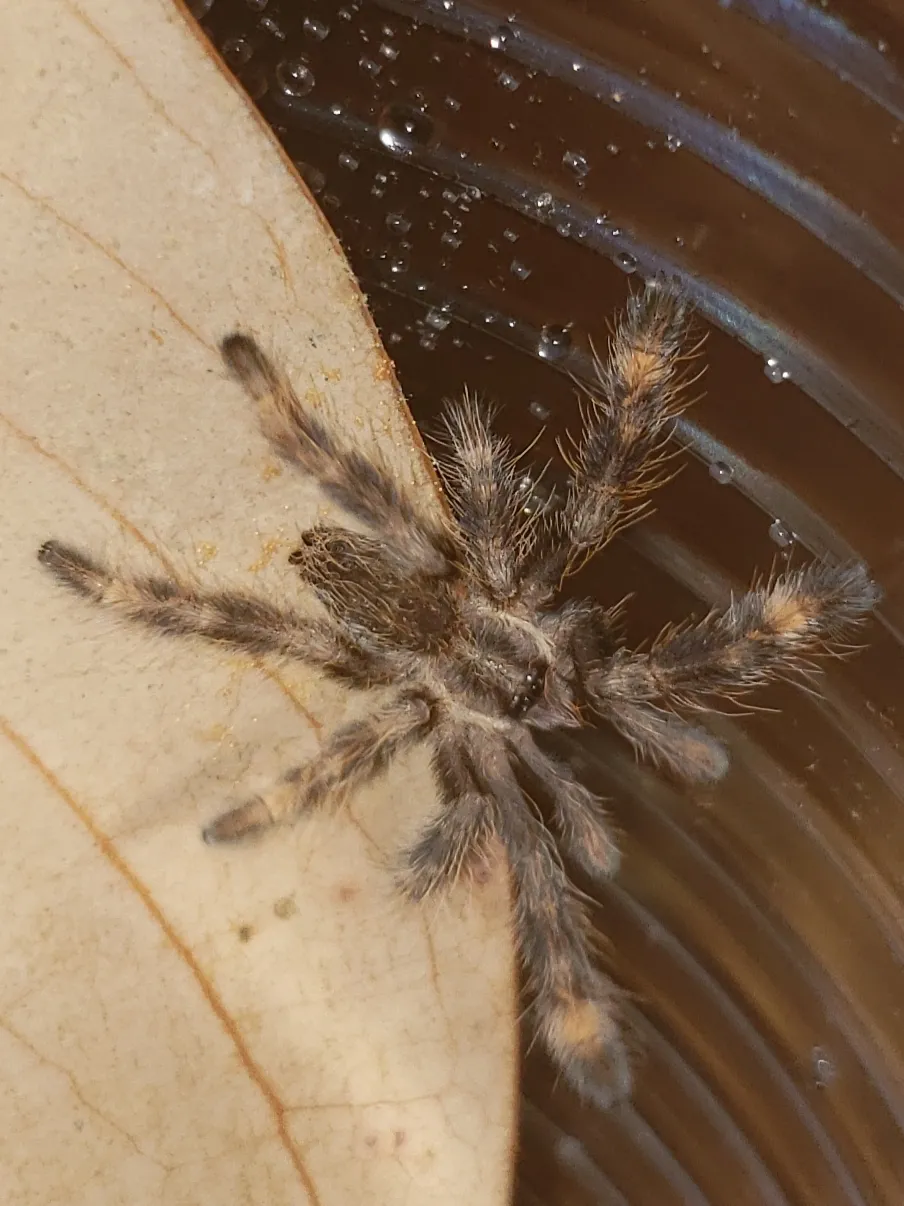
Fringed Ornamental Tarantula Overview
The Fringed Ornamental Tarantula (Poecilotheria ornata) is a captivating and visually striking species within the tarantula family. Known for its intricate patterns and relatively large size, this spider has become a favorite among arachnid enthusiasts. Originating from the tropical forests of Sri Lanka, the Fringed Ornamental Tarantula presents a fascinating blend of beauty and complex behavior. This article delves into five key facts about this amazing creature, providing insight into its appearance, habitat, behavior, and conservation status. Understanding these aspects is crucial for anyone interested in keeping or simply appreciating this remarkable spider. Get ready to explore the unique world of the Fringed Ornamental Tarantula, and discover why it’s such a beloved species among tarantula keepers worldwide.
Appearance and Characteristics
The Fringed Ornamental Tarantula is easily identified by its distinctive appearance. The spider’s body is a tapestry of intricate patterns, making it a visual delight for any observer. Its coloration often features a mix of grey, black, and yellow, with complex markings that are unique to each individual. The striking patterns, combined with its large size, create a memorable and eye-catching look. Its legs are adorned with “fringes” of hairs, adding to its ornamental appearance, and giving the species its name. This species is one of the most sought-after tarantulas in the hobby, with its striking appearance being a significant factor. These beautiful patterns and colorations make it stand out compared to other tarantula species.
Size and Coloration

Adult Fringed Ornamental Tarantulas can have a leg span of up to 8 inches, making them a relatively large tarantula species. Their body length alone can reach over 3 inches. The base color is typically a dark grey or black, contrasted by distinctive yellow or white patterns on their legs and carapace. The abdomen often displays a complex mosaic of markings, adding to the spider’s overall beauty. Juvenile tarantulas may have slightly different coloration than adults, but the basic patterns are usually present from a young age. The contrasting colors and intricate patterns are not only visually appealing but also serve as a natural camouflage in their jungle environment, allowing them to blend in with tree bark and foliage. The coloration can vary slightly depending on the individual tarantula and its specific environment.
Distinctive Features
One of the most distinctive features of the Fringed Ornamental Tarantula is the intricate pattern of markings on its legs and carapace. The leg patterns typically include yellow or white bands and spots against a darker background. The carapace, which is the top part of the cephalothorax, often displays a star-like pattern. These patterns serve as a form of camouflage, helping the tarantula blend in with its environment. Another notable feature is the presence of urticating hairs on the abdomen, which the spider can flick off as a defense mechanism. The hairs are small, barbed, and can cause skin irritation. In addition to their striking patterns and urticating hairs, Fringed Ornamentals have strong chelicerae, which are the mouthparts that they use to capture and consume prey. These chelicerae allow them to effectively grasp and subdue their meals.
Habitat and Distribution
Understanding the natural habitat of the Fringed Ornamental Tarantula is key to appreciating this species. They are native to the tropical forests of Sri Lanka, where they thrive in a specific environment. These tarantulas are well-adapted to their natural surroundings, and their behavior and appearance are deeply connected to their habitat. Conservation efforts must consider the importance of these habitats to ensure the survival of the species. The preservation of their natural environment is crucial for the health and sustainability of the fringed ornamental tarantula population, as they require a specific set of environmental conditions to survive and reproduce. Protecting their native habitats also benefits other species that share these ecosystems, promoting biodiversity.
Natural Habitat

Fringed Ornamental Tarantulas are arboreal spiders, meaning they primarily live in trees. In their natural habitat, they are found in the tropical rainforests of Sri Lanka, where they construct webs in the crevices of trees, under the bark, or among the branches. These spiders prefer humid environments and a moderate temperature range. The forest provides them with ample opportunities for hunting and shelter from predators. Their arboreal lifestyle is reflected in their body structure and behavior, as they are well-adapted for climbing and navigating vertical surfaces. Their habitat plays a critical role in their survival, offering everything they need to thrive, from food sources to protection from the elements.
Geographical Range
The geographical range of the Fringed Ornamental Tarantula is relatively limited, as they are exclusively found in Sri Lanka. Within Sri Lanka, they are most common in the central and southern regions, which are known for their dense rainforests. Their presence is often associated with areas that have high biodiversity and a stable ecosystem. As a result of habitat loss and deforestation, their natural range has been shrinking, leading to conservation concerns. Efforts to protect and restore their habitat are essential for ensuring the survival of these spiders in their natural environment. Understanding the geographical range and its limitations helps to emphasize the importance of conservation efforts.
Behavior and Temperament
The behavior and temperament of the Fringed Ornamental Tarantula are essential aspects to understand, especially for those considering keeping one as a pet. These spiders are known for being relatively fast and defensive, so caution is needed when handling them. While they are captivating to observe, it’s important to respect their space and understand their defensive mechanisms. Their behavior in captivity reflects their natural instincts, and recognizing these behaviors is crucial for their care and well-being. Their complex behaviors make them intriguing to study and a unique addition to any tarantula collection. The understanding of their behavior also helps in managing them safely.
Defensive Mechanisms

Like many tarantulas, the Fringed Ornamental has several defensive mechanisms. One of the primary defenses is its ability to flick urticating hairs from its abdomen. These hairs are tiny and barbed and can cause skin irritation and discomfort if they come into contact with the skin or eyes. The spider can also display a threat posture, rearing up and showing its fangs when it feels threatened. In addition, they are known for their speed and can retreat quickly if they perceive a threat. They also possess venom, which they use to subdue their prey, but their bite is not considered to be life-threatening to humans, although it can be painful. This defense is important to protect them from predators.
Activity Patterns
Fringed Ornamental Tarantulas are primarily nocturnal creatures, meaning they are most active during the night. This behavior is a natural adaptation to their forest environment, where they hunt for prey under the cover of darkness. During the day, they usually stay hidden in their retreats, such as crevices in trees or under bark. They tend to be more active during the warmer months of the year, as they require a specific temperature range to thrive. Their activity patterns also involve web-building, where they create silken retreats to capture prey. Understanding their activity patterns is helpful for providing a suitable environment in captivity, as it allows keepers to cater to their needs and behaviors. In captivity, providing a dark, secure environment during the day can help replicate their natural behavior.
Diet and Feeding Habits
The diet and feeding habits of the Fringed Ornamental Tarantula are vital for its health and well-being. As predators, these spiders have specific needs to ensure they receive adequate nutrients. Understanding their dietary preferences and feeding frequency helps provide optimal care in captivity. The type of food offered and the frequency of feeding are crucial for ensuring their growth and survival. Their feeding habits are closely related to their behavior, as they are active hunters in their natural habitat. Providing appropriate nutrition and proper feeding schedules is crucial for their care and longevity in captivity.
Prey Preferences

In the wild, the Fringed Ornamental Tarantula feeds on a variety of insects and other invertebrates. Their diet typically consists of crickets, cockroaches, beetles, moths, and sometimes even smaller spiders. They are opportunistic hunters and will consume whatever prey is available in their habitat. In captivity, a varied diet of commercially available insects is recommended to ensure they receive the necessary nutrients. Crickets and cockroaches are frequently used as staple food sources, but mealworms, superworms, and other types of insects can also be provided. The size of the prey should be appropriate for the size of the spider, with younger tarantulas needing smaller prey items. Providing a diverse diet can promote better health and growth.
Feeding Frequency
The feeding frequency for Fringed Ornamental Tarantulas depends on their age and size. Spiderlings, which are young tarantulas, should be fed more often, typically every 2-3 days. As they grow older, the feeding frequency can be reduced. Adult tarantulas can usually be fed once or twice a week. It’s important to monitor the tarantula’s body condition. An overweight tarantula may have a swollen abdomen, while a hungry one may appear slender. It is essential to remove any uneaten prey after 24 hours to avoid stressing the spider or risking the possibility of the prey biting the tarantula. Providing fresh water is also important.
Conservation Status and Threats
The conservation status of the Fringed Ornamental Tarantula is an important factor to consider, as it helps highlight the need for habitat preservation. Understanding the threats they face is critical for conservation efforts. Addressing these threats is essential to ensuring the survival of this species. Habitat loss, climate change, and other factors pose significant risks to their survival, making it crucial to implement strategies to protect their natural environment and preserve their existence. Conservation efforts are vital to mitigate these threats and safeguard this remarkable species.
Current Conservation Status

The Fringed Ornamental Tarantula is currently listed as a species of conservation concern, with their population decreasing in their natural habitat. While not yet classified as endangered, ongoing habitat loss and other threats are causing significant concern. The International Union for Conservation of Nature (IUCN) has not yet assigned a specific conservation status, but many organizations and tarantula enthusiasts recognize the need for protective measures. Monitoring their populations and habitats is essential to ensure their survival. The conservation status is closely related to the overall health of their environment and the preservation of their natural habitat.
Threats to Survival
The Fringed Ornamental Tarantula faces several threats to its survival. Habitat loss is one of the most significant challenges, as deforestation and land clearing reduce their natural environment. Illegal collection for the pet trade also poses a considerable risk, as tarantulas are often captured from the wild and sold. Climate change may also impact their survival, as changes in temperature and rainfall can affect their habitat and food sources. Addressing these threats is crucial for the conservation of this species. Sustainable practices, habitat protection, and responsible pet trade policies are vital steps to ensure their survival. Collaborative efforts between conservation organizations, governments, and the tarantula community are essential for the long-term survival of the species.