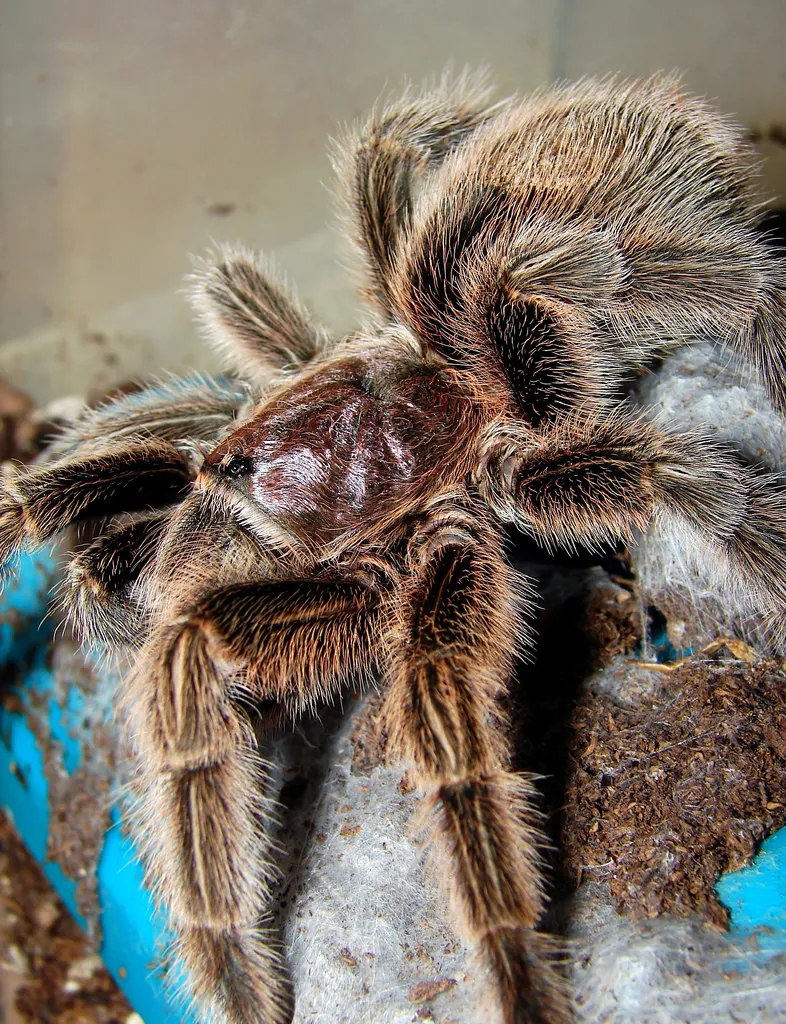
Understanding Chilean Rose Tarantula Feeding Needs
Feeding your Chilean Rose Hair Tarantula properly is crucial for its health and longevity. These captivating creatures, native to the deserts of Chile, have specific dietary needs that must be met to thrive in captivity. Understanding these needs goes beyond simply offering food; it involves considering various factors that influence their appetite and overall well-being. Providing the right nutrition and a suitable feeding environment will help ensure your tarantula lives a long, healthy, and fascinating life. Failure to do so could lead to health problems, stunted growth, or even premature death. This guide breaks down the key elements of successful Chilean Rose Hair Tarantula feeding, helping you become a responsible and informed tarantula keeper.
Factors Influencing Feeding Frequency
The frequency with which you feed your Chilean Rose Hair Tarantula isn’t a one-size-fits-all rule. Several factors play a role in determining the optimal feeding schedule. These include the tarantula’s age, size, and the environmental conditions in its enclosure. Observing your tarantula’s behavior and adjusting the feeding schedule accordingly is key to providing proper care. You must carefully monitor these different factors to ensure your tarantula receives adequate nutrition without overfeeding, which can lead to health issues. Getting the balance right will promote optimal growth and a long, healthy life for your pet tarantula.
Age of the Tarantula

Younger tarantulas, or spiderlings, require more frequent feeding because they are actively growing and have a higher metabolism. As they mature, their growth rate slows, and their feeding needs decrease. Spiderlings often need to be fed every few days, whereas adults can go longer between meals. Adjusting the feeding schedule based on the tarantula’s age is vital to providing the appropriate nutrition. Overfeeding a young tarantula can lead to premature molting or other health problems. Similarly, underfeeding can stunt growth and weaken the tarantula.
Size of the Tarantula
The size of your tarantula is directly related to the amount of food it needs. A larger tarantula requires more food per feeding compared to a smaller one. As the tarantula grows, you’ll need to increase the size of the prey items you offer. Additionally, the overall feeding frequency might need to be adjusted based on the tarantula’s size. A healthy tarantula will have a well-rounded abdomen, indicating it is receiving enough nutrients. Regularly assess your tarantula’s size and adjust your feeding accordingly. It is crucial to avoid overfeeding, which can be detrimental to their health. A tarantula with an overly large abdomen may have difficulty molting or experience other health complications.
Environmental Conditions
Environmental conditions, such as temperature and humidity, also play a role in a tarantula’s appetite and feeding frequency. Higher temperatures can increase a tarantula’s metabolism, leading to a greater need for food. Conversely, lower temperatures can slow down their metabolism, causing them to eat less frequently. Humidity levels can also affect the tarantula’s health and willingness to eat. A tarantula’s feeding habits will change based on conditions. Make sure that your enclosure is kept at optimal temperature and humidity levels. Monitoring these factors can help you fine-tune your feeding approach. Adjust the feeding schedule based on the season, and any changes in your home’s environment.
Step 1 Choosing the Right Food

Selecting the right food is the foundation of a healthy Chilean Rose Hair Tarantula diet. In the wild, these tarantulas are opportunistic feeders, consuming whatever insects they can catch. In captivity, you’ll need to provide a diet that mimics their natural feeding habits and provides them with essential nutrients. The type of food you offer, and its nutritional value, will directly impact the tarantula’s health and well-being. You must prioritize live insects as the primary food source, and consider factors such as prey size and nutritional content. The right choice will lead to a thriving and robust tarantula.
Appropriate Insects
The best food for Chilean Rose Hair Tarantulas is live insects. Crickets, mealworms, and roaches are all excellent choices. The size of the insects should be appropriate for the size of your tarantula. As a general rule, the prey should be no larger than the tarantula’s body length. Avoid feeding your tarantula insects that are too large, as they can pose a danger. It can make it difficult for the tarantula to subdue and consume the prey, and can even injure it. Always ensure the insects you provide are from a reputable source. Some insects from pet stores may have been exposed to pesticides or other harmful chemicals. By following these simple rules, you will make your tarantula healthier and more content.
Gut-Loading Prey
Gut-loading involves feeding the insects a nutritious diet before offering them to your tarantula. This process increases the nutritional value of the insects, passing those nutrients on to your tarantula. Gut-loading is one of the best ways to supplement your tarantula’s diet. A well-fed cricket, for instance, will be a more nutritious meal for your tarantula. Feed the insects a diet rich in vitamins, minerals, and calcium a few days before feeding them to your tarantula. Commercial gut-loading products are readily available at most pet stores. Supplementing with this will increase the overall health of your Chilean Rose Hair Tarantula.
Step 2 Proper Feeding Techniques

How you offer food to your Chilean Rose Hair Tarantula is just as important as what you offer. Safe and effective feeding techniques are crucial for both the safety of the tarantula and the ease of the feeding process. It also minimizes stress to the tarantula. Taking a few simple precautions can prevent injury and ensure your tarantula receives its meals without unnecessary difficulties. It’s essential to understand the tarantula’s natural behaviors and preferences to create a stress-free feeding environment. The best feeding practices will help you to observe and assess your tarantula’s well-being. Feeding will be easier with a few adjustments.
Offering Food
When feeding your tarantula, use long tongs to offer the prey. This keeps your hand at a safe distance from the tarantula’s fangs and minimizes the risk of a bite. Gently place the insect near the tarantula. If the tarantula is hungry, it will typically seize the prey. Avoid dropping the prey directly on the tarantula, as this may startle or stress it. Monitor the tarantula while it is eating. The process should be quick and without incident. By taking a careful approach, you’ll create a relaxed and beneficial feeding experience.
Removing Unconsumed Food
After a feeding, remove any uneaten insects within 24 hours. Leaving uneaten insects in the enclosure can stress the tarantula, and they can also potentially harm the tarantula during molting, or even bite the tarantula. Dispose of these insects humanely. Regularly check the enclosure for any leftover food. This will keep the enclosure clean and hygienic. Removing uneaten food will prevent the buildup of waste and reduce the risk of mites and other pests. Cleaning the enclosure regularly is essential for maintaining the health of your tarantula.
Step 3 Feeding Frequency Guidelines

Determining how often to feed your Chilean Rose Hair Tarantula depends on its life stage. Spiderlings require more frequent feedings than juveniles or adults, so establishing a feeding schedule is crucial for promoting their health. Regularly monitor the tarantula and adjust the feeding schedule. Adjusting to the growth, age, and individual needs of the tarantula is important. Overfeeding can cause health problems, while underfeeding can lead to stunted growth. These general guidelines can help you create a feeding schedule.
Spiderlings
Spiderlings, or young tarantulas, need to be fed more frequently. Feed spiderlings every 3-4 days. Provide them with small, appropriately sized prey items. The prey should be no larger than the spiderling’s body. Crickets and fruit flies are excellent options for spiderlings. You can adjust the frequency based on the spiderling’s appetite and growth rate. Ensure the spiderling has access to clean water. Careful attention during this stage is very important for their health. A proper diet will lead to a fast, healthy spiderling.
Juveniles
Juvenile tarantulas, which are sub-adults, can be fed less frequently than spiderlings. Feed juveniles every 5-7 days. You can gradually increase the size of the prey items as the tarantula grows. As they grow, you will need to increase the size of the prey items. Offer a variety of insects to ensure they receive a balanced diet. As with all feeding, monitor the tarantula’s body condition and adjust the feeding schedule accordingly. Overfeeding can lead to health issues, while underfeeding can cause stunted growth. You’ll discover what works best for the juvenile tarantula.
Adults
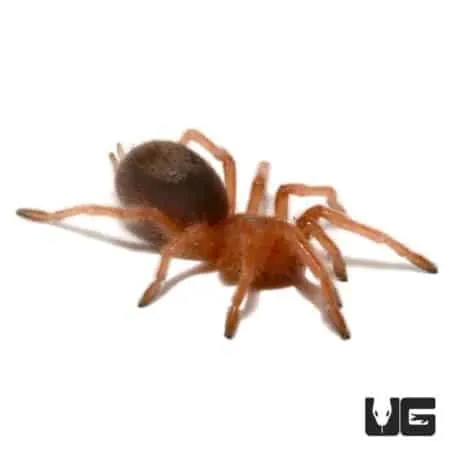
Adult Chilean Rose Hair Tarantulas can be fed less frequently. Feed adult tarantulas every 7-10 days. You can also provide them with larger prey items. Adult tarantulas have slower metabolisms, so they don’t require as much food. It’s perfectly normal for adult tarantulas to refuse food for extended periods, especially before molting. Always make sure the adult tarantula has access to clean water. Monitor the tarantula’s overall condition and adjust the feeding schedule as needed. Observe for any behavioral changes. You’ll see what works best for the adult tarantula.
Step 4 Ensuring Adequate Hydration
Providing fresh water is essential for the health of your Chilean Rose Hair Tarantula. Tarantulas, like all living creatures, require water to survive. Proper hydration supports essential bodily functions and aids in molting. Always make sure the tarantula has a reliable source of fresh, clean water. You must maintain the right humidity levels in the enclosure. Insufficient hydration and low humidity can lead to dehydration. Always make sure your tarantula gets the moisture it needs. You can ensure your tarantula thrives in its environment with proper hydration.
Water Sources
The best way to provide water is by using a shallow water dish. Make sure it’s shallow to prevent the tarantula from drowning. The water dish should be easily accessible. You can also use a water source, such as a cotton ball or a sponge, in the enclosure. Change the water daily or every other day to prevent bacterial growth. Ensure the water is clean and free of any additives. A clean water source is critical. You can give your tarantula what it needs with the right water source.
Humidity Levels

Chilean Rose Hair Tarantulas thrive in moderate humidity levels. The enclosure should have a humidity level of about 60-70%. You can monitor humidity levels with a hygrometer. Mist the enclosure with water every few days to maintain the right level of humidity. You should also provide a water source. Poorly regulated humidity can cause health issues, such as problems with molting. The right levels of humidity will lead to a much healthier and happier tarantula. Monitoring the humidity levels will help you maintain the right balance.
Step 5 Monitoring and Problem Solving
Regularly monitoring your Chilean Rose Hair Tarantula and being able to identify potential problems is essential for providing proper care. Pay attention to the tarantula’s behavior, appetite, and overall appearance. Familiarize yourself with the signs of common issues. Early detection and treatment can prevent more serious problems. It can also ensure your tarantula remains healthy and content. Staying proactive and informed will help you address any issues and keep your tarantula thriving. You’ll be able to adapt and provide optimal care.
Recognizing Refusal to Eat
A tarantula refusing to eat can be a sign of several issues. The tarantula may be about to molt. Before molting, tarantulas often stop eating. Check the tarantula’s abdomen for signs of pre-molt. Other reasons include stress, environmental factors, or illness. If your tarantula refuses to eat for an extended period, investigate the cause. Check the enclosure’s temperature and humidity levels. Look for any signs of illness or injury. Make sure that your tarantula is not stressed or disturbed by loud noises. Monitor the situation closely and adjust the care as needed.
Troubleshooting
If your tarantula is refusing to eat, there are several steps you can take. Make sure the enclosure’s temperature and humidity are at the appropriate levels. Ensure the tarantula isn’t being disturbed. Check the tarantula for any signs of illness or injury. Offer a different type of prey. If the refusal continues, consult with a veterinarian experienced in exotic animals. The right approach will allow your tarantula to eat again and get healthy. Sometimes, you may have to reach out to an expert.
Health and Well-being
Proper feeding is essential for your Chilean Rose Hair Tarantula’s health and well-being. This includes the right diet, feeding frequency, and providing adequate hydration. Monitoring your tarantula and being able to identify potential problems is also critical for providing care. By following these simple steps, you can ensure your tarantula lives a long, healthy, and happy life. Understanding the basics of Chilean Rose Hair Tarantula care is a rewarding experience. These fascinating creatures make wonderful pets. The more you know, the better you’ll understand their care and needs. Your efforts will provide a fulfilling experience.