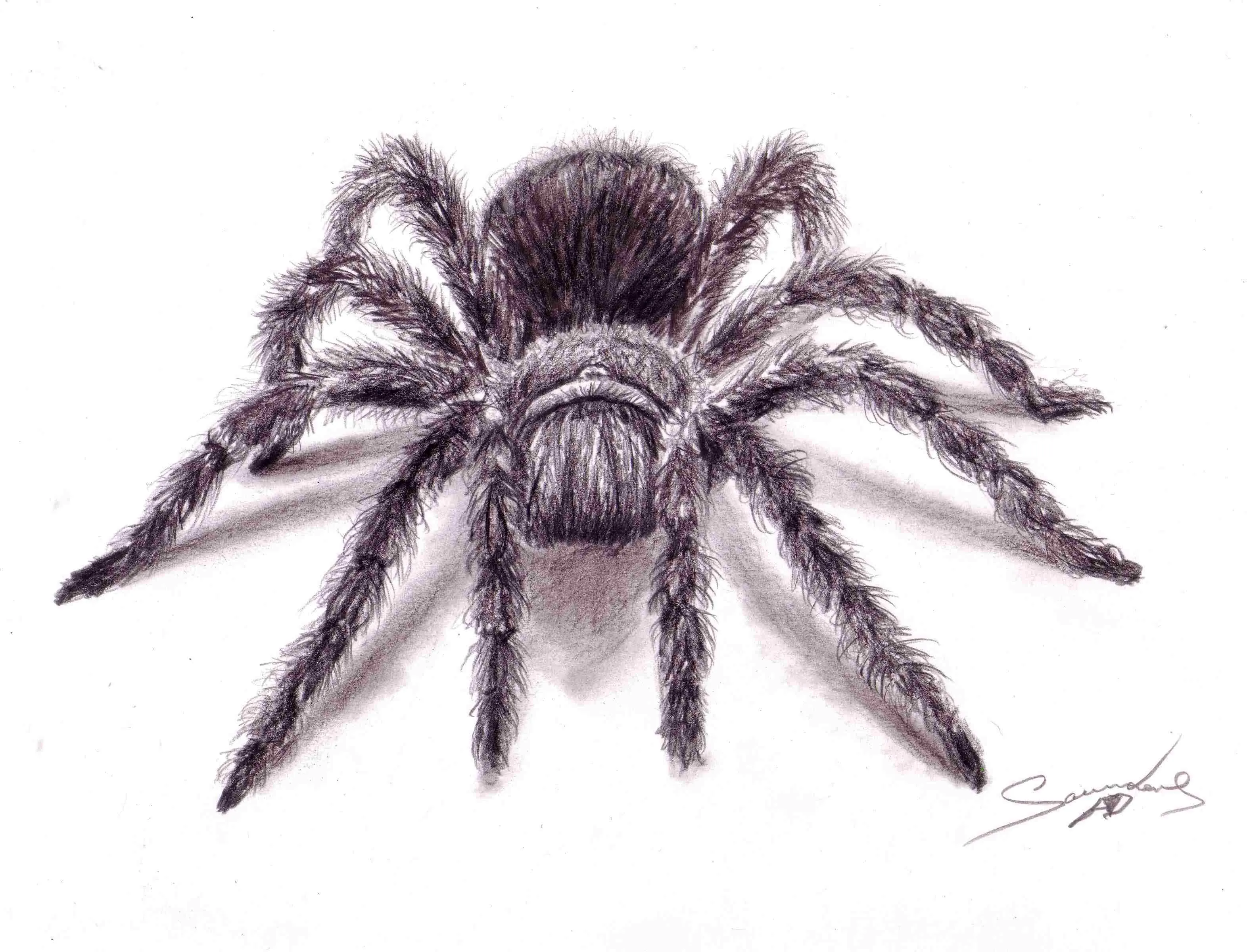
Gathering Your Supplies
Before you embark on your tarantula drawing journey, it’s essential to gather the right materials. Having the correct tools will not only make the process easier but also enhance the quality of your artwork. This section will guide you through the essential supplies you’ll need to get started, ensuring you’re well-equipped to bring your tarantula drawing to life. From pencils to paper, understanding the purpose of each item is key to achieving a successful drawing. Remember, the quality of your supplies can significantly impact the final outcome, so investing in good-quality materials is always a worthwhile endeavor. With the right tools at your disposal, you’ll be well on your way to creating stunning and realistic tarantula drawings.
Pencils and Paper
Pencils and paper are the foundation of any drawing endeavor. For tarantula drawings, a range of pencils with varying hardness levels is beneficial. Start with a set that includes pencils from 2H to 6B. The H pencils (2H, 4H) are harder and suitable for creating light, precise lines, ideal for the initial sketching and outlining of your tarantula. The B pencils (2B, 4B, 6B) are softer and darker, perfect for shading, adding depth, and creating the tarantula’s textured appearance. As for paper, choose drawing paper with a smooth to medium texture. Smooth paper is ideal for detailed drawings, allowing for fine lines and intricate details. Medium-textured paper provides a bit of tooth, which helps with blending and creating different shading effects. Consider using a sketchbook or individual sheets of drawing paper, depending on your preference and the size of your intended artwork. Remember to keep your pencils sharp to maintain control and accuracy throughout the drawing process.
Erasers and Sharpeners

Erasers and sharpeners are indispensable tools for any artist, especially when it comes to drawing detailed subjects like tarantulas. An eraser allows you to correct mistakes, refine lines, and create highlights. A kneaded eraser is particularly useful as it can be molded into different shapes to erase specific areas without damaging the paper. It’s great for lifting graphite and creating soft, subtle effects. A standard white eraser is also essential for cleaning up your drawing and removing any unwanted marks. A sharpener is equally important for maintaining the precision of your pencils. A high-quality sharpener will ensure your pencils are always ready for detailed work. Consider a mechanical pencil sharpener for consistent results or a traditional sharpener with a blade for more control over the point. Remember to sharpen your pencils frequently to maintain sharp lines and intricate details in your tarantula drawing. The right eraser and sharpener can significantly improve your drawing skills and help you achieve a professional finish.
Reference Material the Tarantula
Accurate reference material is crucial for drawing a tarantula that looks realistic and captures the intricate details of the subject. This involves gathering various visual aids, such as photographs, videos, and even live observation if possible. Look for high-quality photographs of tarantulas from different angles, including close-ups of their legs, body, and eyes. These detailed images will help you understand the spider’s anatomy and texture. Videos can also be incredibly helpful, providing dynamic views of how the tarantula moves and interacts with its environment. If you have the opportunity, observing a live tarantula (safely and ethically) can offer invaluable insights into its posture, colors, and overall appearance. When using reference material, pay close attention to the spider’s proportions, the way light reflects off its body, and the texture of its exoskeleton. Using multiple references will give you a more comprehensive understanding of the subject, allowing you to create a more accurate and detailed drawing. Remember to choose references that inspire you and provide the necessary information to bring your tarantula drawing to life.
Understanding Tarantula Anatomy
Understanding the anatomy of a tarantula is key to creating a realistic and accurate drawing. Unlike humans or other mammals, tarantulas have a unique exoskeleton and body structure. Familiarizing yourself with these features will significantly improve the quality of your drawing. Start by studying the basic components of a tarantula’s body, including the cephalothorax (fused head and thorax), the abdomen, and the eight legs. Pay attention to the different segments of the legs, the joints, and the way they connect to the body. Notice the presence of hairs and sensory structures on the legs and body. The chelicerae (fangs) and pedipalps (small appendages near the mouth) are also important features to include. Understanding the anatomy allows you to accurately depict the tarantula’s posture, movement, and overall appearance. By studying the structure, you can create a more detailed and visually appealing drawing that captures the essence of this fascinating creature. A good understanding of tarantula anatomy is a great foundation.
Basic Body Structure

The basic body structure of a tarantula consists of two main parts: the cephalothorax and the abdomen. The cephalothorax is the fused head and thorax, where the eyes, mouthparts, and legs are attached. It’s typically a solid, rounded structure that forms the front part of the tarantula’s body. The abdomen is the larger, more rounded rear part of the tarantula. It houses the internal organs and is often covered in hairs and markings. When sketching the basic body structure, start by lightly outlining the shape of the cephalothorax and abdomen. The proportions are crucial here; observe your reference material carefully to get the right size and shape. Remember that tarantulas come in various shapes and sizes, depending on the species. The abdomen is usually slightly larger than the cephalothorax, but the exact proportions can vary. Once you have established the basic structure, you can begin to add details, such as the eyes, fangs, and legs. Understanding and accurately representing the basic body structure will be fundamental to the rest of the drawing.
Leg and Joint Placement
The legs and joints of a tarantula are complex and essential features to capture accurately. Each leg is composed of multiple segments, including the coxa, trochanter, femur, patella, tibia, metatarsus, and tarsus. The placement and arrangement of these segments contribute to the tarantula’s posture and movement. When drawing the legs, start by lightly sketching the basic lines representing the leg segments. Pay close attention to the angles and curves of each segment, as these will define the leg’s overall shape. The joints are critical; ensure you accurately depict the way the segments connect and bend. Observe how the legs attach to the cephalothorax, noting the angle and position. Remember that tarantulas have eight legs, and their arrangement can vary depending on their posture. Refer to your reference material to guide your placement and arrangement. By carefully studying and representing the leg and joint placement, you’ll create a more realistic and dynamic tarantula drawing. Getting the legs right is key to creating the illusion of movement and life.
The Drawing Process
The drawing process involves several stages, from initial sketching to adding details and shading. Each stage builds upon the previous one, gradually bringing your tarantula drawing to life. This section will guide you through the key steps involved in the drawing process. Patience and attention to detail are essential throughout this process. You will learn how to start with basic shapes, refine the details, and ultimately create a realistic representation of your tarantula. By breaking down the process into manageable steps, you’ll find that drawing a tarantula is both achievable and enjoyable. By following these steps, you can transform a blank page into a stunning work of art.
Sketching the Basic Shape

Begin your tarantula drawing by sketching the basic shapes of the body. Lightly sketch the cephalothorax and abdomen using simple geometric forms like ovals or circles. Ensure you have the proportions correct, and use your reference material to guide you. This initial stage establishes the overall form and size of your tarantula. Next, add the legs, starting with basic lines to indicate their position and direction. Keep your lines light at this stage, as they will serve as a foundation for adding details later. Don’t worry about getting everything perfect in this initial sketch; the goal is to establish the fundamental shape and placement of the tarantula’s body and legs. Use a soft pencil (2H or HB) for this stage to make it easier to erase and refine your lines. As you sketch, continually check your proportions and make adjustments as needed. The basic shape is the foundation, so take your time and ensure it’s accurate before moving on to the more detailed aspects of the drawing. This stage helps you get the right form and set up your drawing for success.
Adding Details and Texture
Once you have the basic shape sketched, it’s time to add the details and texture that will bring your tarantula drawing to life. Refer to your reference material to identify the specific features you want to include, such as the eyes, fangs, hairs, and markings. Start by carefully drawing the eyes and fangs. Use sharp pencils and pay attention to the shape, size, and placement. Next, add the details to the legs and body. Tarantulas are covered in hairs, so use fine, short strokes to create the texture. Vary the length and direction of the strokes to simulate the different textures of the spider’s body. Don’t be afraid to zoom in and carefully observe your references for the finer details. Use a variety of pencils to add depth and dimension to your drawing. Experiment with hatching and cross-hatching techniques to create shadows and add a sense of realism. Adding details and texture takes time and patience, but it’s what separates a basic sketch from a stunning drawing. Make sure your drawing stands out from the rest with all the incredible details.
Shading and Creating Depth
Shading is essential to creating depth and realism in your tarantula drawing. Use a range of pencils to create different values, from light to dark. Start by lightly shading the areas that are in shadow. Use soft pencils (2B or 4B) for this purpose. Build up the shading gradually, adding layers of graphite to achieve the desired depth. Pay attention to the direction of the light source and how it affects the shadows on the tarantula’s body. Use blending techniques to soften the transitions between light and dark areas. You can use a blending stump, a cotton swab, or even your finger to blend the graphite and create a smooth, seamless effect. Use your eraser to lift the graphite and create highlights, which will further enhance the sense of depth. Adding shading and creating depth requires careful observation and patience. The shading techniques will not only make your drawing look more realistic but will also make it more attractive and catch the viewer’s eye. Experiment with different shading techniques to find the style that best suits your drawing.
Tips for Beginners

Drawing a tarantula can be challenging, but with the right approach, beginners can achieve impressive results. This section provides tips to help you succeed in your artistic journey. These tips cover the essentials. The tips will guide you through the process. Remember that practice, patience, and persistence are key to improving your skills. By incorporating these tips into your drawing routine, you’ll be well on your way to creating beautiful and realistic tarantula drawings.
Practice Regularly
Regular practice is essential for improving your drawing skills. Dedicate a specific time each day or week to practice drawing tarantulas. Even short sessions of 15-30 minutes can make a significant difference. Start with simple exercises, such as sketching basic shapes and lines. Gradually increase the complexity of your drawings as you gain confidence. Focus on different aspects of the tarantula’s anatomy, such as legs, body, and markings. Experiment with different shading techniques and materials. Don’t be discouraged if your drawings don’t look perfect initially; the key is to keep practicing and learning. The more you practice, the more comfortable you will become with the subject and the techniques involved. Regularly reviewing your drawings and identifying areas for improvement will also help you progress. Consistent practice is key to building confidence and honing your drawing skills. Through regular practice you will be able to draw your best work.
Start Simple
When starting to draw tarantulas, it’s best to begin with simple subjects and gradually increase the complexity. Focus on one aspect of the tarantula’s anatomy at a time. Start by sketching the basic shape of the body, then focus on the legs, and later add details and texture. Don’t try to draw the entire tarantula at once. Break down the drawing process into smaller, manageable steps. This will make the task less daunting and help you stay focused. Choose simple reference images, and avoid overly complex poses or compositions. As you gain experience and confidence, you can tackle more challenging drawings. Starting simple will help you build a solid foundation and prevent frustration. It allows you to focus on specific skills and techniques, making the learning process more enjoyable. By starting simple and gradually increasing the complexity, you’ll improve your skills and create stunning tarantula drawings.
Don’t Be Afraid to Experiment

Experimentation is a crucial part of the learning process. Try different techniques, materials, and styles to find what works best for you. Don’t be afraid to make mistakes; they are opportunities to learn and improve. Experiment with different pencil grades to see how they affect your shading and texture. Try using blending tools to soften the transitions between light and dark areas. Experiment with different types of paper to see how they affect the quality of your drawings. Explore different styles of tarantula drawings. Try drawing them in different poses, with varying levels of detail. The more you experiment, the more you’ll discover what you’re capable of. Keep exploring and pushing your boundaries. Remember that art is about expressing your creativity, so don’t be afraid to try new things and develop your unique style. Embracing experimentation will not only improve your skills but also make drawing a more enjoyable and rewarding experience.