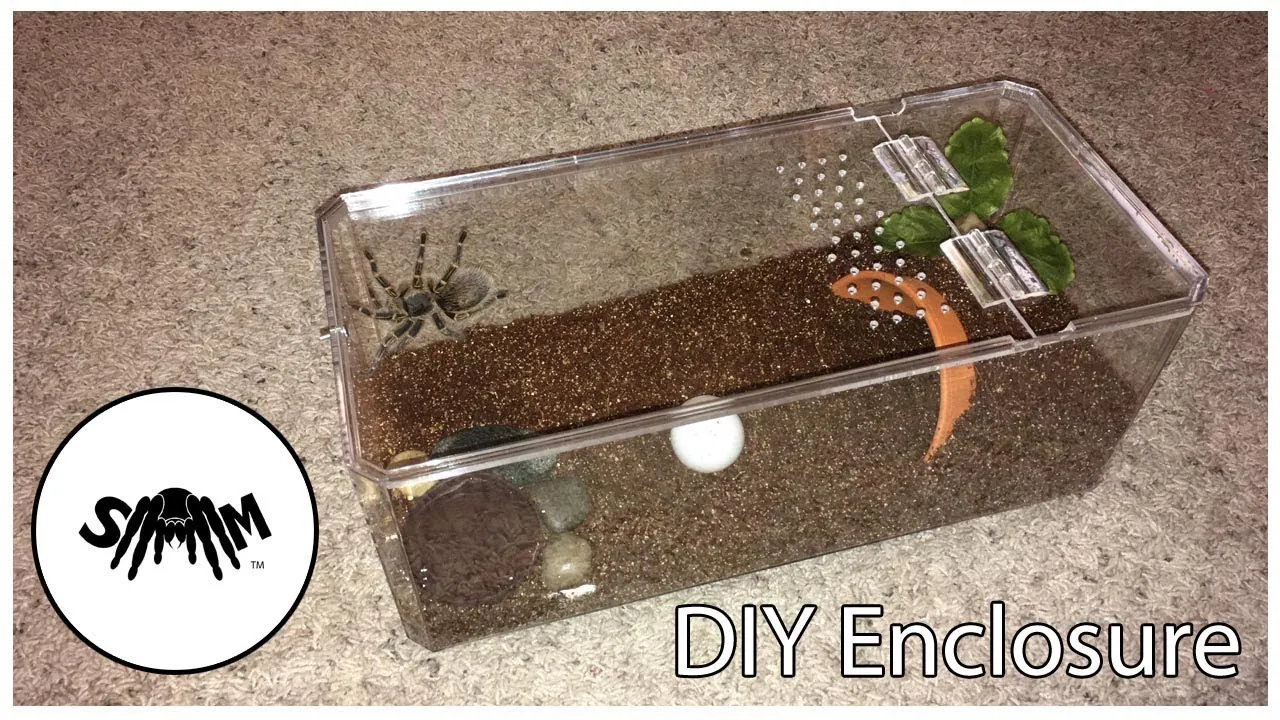
Creating a DIY tarantula enclosure is a rewarding experience that allows you to tailor the habitat to your specific needs and preferences. Building your own enclosure provides a cost-effective way to house your eight-legged friend, ensures proper ventilation, and offers a chance to personalize the living space. This guide provides top 5 tips and covers everything you need to know to build a safe, comfortable, and enriching environment for your tarantula. Following these guidelines will help you create a successful DIY enclosure, promoting the health and well-being of your pet.
Choosing the Right Materials for DIY Tarantula Enclosures
The materials you select are fundamental to the safety, longevity, and functionality of your tarantula enclosure. The right materials will withstand the conditions within the enclosure, offer clear visibility, and provide a secure environment. Both glass and acrylic are popular choices for tarantula enclosures, each with its own set of advantages and disadvantages. Consider the overall cost, ease of use, and the specific needs of your tarantula species when making your decision. The enclosure material influences temperature regulation, humidity control, and the ease with which you can observe your pet.
Glass vs Acrylic Which Is Best
The choice between glass and acrylic often comes down to a matter of preference and specific requirements. Glass is a classic choice, providing excellent clarity and scratch resistance. Acrylic, on the other hand, is lightweight and more resistant to shattering, making it a safer option. Both materials offer excellent visibility, allowing you to observe your tarantula. Think about durability, cost, and ease of working with the material before settling on one or the other. Think about the size of the enclosure, the ventilation needs, and whether you are aiming for a more elaborate or basic design.
Benefits of Glass Enclosures

Glass enclosures offer superior scratch resistance, maintaining clarity over time. Glass is also a relatively inexpensive option, making it a cost-effective choice for many hobbyists. The weight of glass can be a consideration, particularly for larger enclosures, but the overall durability and longevity make it a worthwhile investment. Glass is easy to clean and sanitize, which is crucial for maintaining a healthy environment for your tarantula. Make sure you choose a thickness that is strong enough to withstand the pressure of substrate and any climbing activities.
Advantages of Acrylic Enclosures
Acrylic enclosures are lightweight and shatter-resistant, making them a safer choice, particularly if you have other pets or children. Acrylic offers excellent insulation properties, helping to maintain a stable temperature and humidity. It’s also easier to work with, allowing for more customization and easier drilling for ventilation. While acrylic may be more prone to scratches than glass, the advantages of safety and insulation often outweigh this minor drawback. Consider the clarity and how it compares to glass. Many acrylics offer excellent visibility, allowing for clear observation of your tarantula.
Essential Tools and Equipment for DIY
Having the right tools and equipment is essential for a successful DIY tarantula enclosure build. Depending on your chosen materials and design, you will need basic tools such as a measuring tape, a saw (for cutting wood or acrylic), a drill (for creating ventilation holes or securing components), and a level. For assembling the enclosure, you might need adhesive, screws, or silicone sealant. Safety glasses and gloves are also essential to protect yourself during the building process. Having these tools prepared beforehand ensures that the building process is smooth and safe, which ultimately enhances the enclosure’s longevity and appeal.
Step-by-Step Guide to Building Your Enclosure

Creating a successful tarantula enclosure requires a systematic approach. The process involves careful planning, precise execution, and a keen eye for detail. Following a step-by-step guide will help you avoid common pitfalls and ensures a secure, comfortable, and aesthetically pleasing home for your tarantula. From the initial planning stages to the final touches, each step plays a crucial role in the overall success of the enclosure. It is important to take your time and focus on each step to get the best possible result. Proper planning ensures the enclosure meets all of the tarantula’s needs.
Planning and Design Phase
Before you begin, consider the size, species, and specific requirements of your tarantula. Research the ideal dimensions, ventilation needs, and substrate depth. Draw a detailed plan, including measurements and placement of features such as hides, water dishes, and ventilation holes. Consider the aesthetic aspects of your enclosure to make it appealing. A well-designed plan will save you time and effort. Consider how you’ll access the enclosure for feeding and cleaning. Accurate measurements ensure that all components fit together. A solid design will help you achieve a functional and visually appealing enclosure.
Cutting and Assembling the Sides
Carefully cut the sides, top, and bottom pieces according to your plan. Use the appropriate saw for the chosen material (glass cutter for glass, saw for wood or acrylic). Ensure precise cuts to create a tight fit. When assembling, use the correct adhesive or fasteners, such as silicone sealant for glass or screws for wood. Make sure to securely fasten all sides. Proper assembly ensures the enclosure’s structural integrity and prevents escapes. Take your time and double-check measurements and alignment. A well-assembled enclosure will last for years and provide a safe habitat for your tarantula.
Creating Ventilation for Optimal Airflow

Proper ventilation is critical for maintaining the health of your tarantula. Poor ventilation can lead to mold growth and other health issues. Drill ventilation holes or cut slots in the sides or top of the enclosure. The size and placement of these openings will depend on the species of your tarantula. Use a mesh or screen to cover ventilation holes to prevent escape and keep unwanted pests out. Consider the enclosure’s humidity levels when designing your ventilation system. Ensure that there is adequate airflow to reduce moisture buildup and maintain a healthy environment. Position ventilation so that fresh air circulates through the enclosure.
Installing the Top and Access Points
The top of your enclosure should be secure and provide easy access for feeding and cleaning. You can use a hinged lid, sliding lid, or a removable top, depending on your design. Make sure the lid fits snugly to prevent escapes and maintain humidity. If using a hinged or sliding lid, install a secure locking mechanism to keep your tarantula safe. For access points, consider using a small door or opening. The placement of the access points should be convenient for you, but secure enough that your tarantula cannot escape. The top should be durable and provide excellent ventilation to ensure the overall health of the tarantula.
Setting Up the Interior of Your DIY Enclosure
Creating the interior of your tarantula enclosure is just as important as building the enclosure itself. The proper interior setup will provide your tarantula with a comfortable and stimulating environment. It involves selecting and installing the right substrate, adding hides and decorations, and ensuring proper humidity and temperature. A well-designed interior replicates the tarantula’s natural habitat, promoting its health and well-being. The setup should encourage natural behaviors and provide a safe space for your tarantula to thrive.
Substrate Selection

The substrate provides a base for your tarantula’s habitat and plays a vital role in humidity control. The choice of substrate depends on your tarantula’s species. Popular options include coco fiber, peat moss, and a mix of soil and sand. The depth of the substrate should be sufficient for burrowing species. Make sure the substrate is non-toxic and free of harmful chemicals. The substrate should be able to retain moisture to maintain the appropriate humidity levels. A proper substrate supports the overall health of your tarantula, providing a natural environment for burrowing and other activities. Change the substrate regularly to prevent mold growth and maintain a clean habitat.
Adding Hides and Decorations
Provide hides and decorations that will enrich the environment and allow your tarantula to feel secure. Cork bark, hollow logs, and artificial plants are excellent choices. Place these items strategically to create hiding spots and climbing opportunities. Ensure that decorations are non-toxic and do not have any sharp edges. The hide should be appropriately sized to accommodate your tarantula’s size and provide a safe refuge. Adding a few decorations can help to mimic a natural environment. The hides will provide security and help your tarantula feel safe. The decorations will make the enclosure more appealing to the observer.
Maintaining Humidity and Temperature
Humidity and temperature are crucial for your tarantula’s health. The ideal humidity level varies depending on the species, so research your specific tarantula’s needs. Use a hygrometer to monitor humidity and a thermometer to measure temperature. Mist the enclosure regularly, especially for species that require high humidity. Ensure that there is adequate ventilation to prevent mold growth. If you live in a colder climate, you may need to use a heat source, such as a heat mat or ceramic heat emitter, to maintain the proper temperature. Consistent monitoring and adjustments will ensure the health of your tarantula. Stable conditions will promote the overall health and well-being of your pet.
Preventing Escapes and Ensuring Security

Preventing escapes and ensuring security are paramount when building a tarantula enclosure. These measures protect both your pet and yourself. Tarantulas are skilled escape artists, and a secure enclosure will prevent accidental escapes and the risks associated with it. From the design phase to the final construction, every step must prioritize safety. Take additional precautions to prevent escapes and keep your tarantula safe. Ensuring a safe enclosure is a fundamental part of responsible tarantula ownership.
Choosing the Right Lid and Locking Mechanism
A secure lid and locking mechanism are essential for preventing escapes. Choose a lid that fits snugly and has no gaps. Consider a locking mechanism, such as a latch or a clip. Ensure that the locking mechanism is secure enough to prevent your tarantula from opening the lid. Regularly check the lid and locking mechanism to ensure they are functioning correctly. The design should make it challenging for your tarantula to get out. The lid should be easy for you to open for maintenance, but not the tarantula. This adds an additional layer of safety and gives you peace of mind.
Regular Inspection and Maintenance
Regular inspection and maintenance are vital to ensure the enclosure remains secure. Check for any cracks or gaps. Inspect the lid and locking mechanism for any signs of wear and tear. Clean the enclosure regularly, removing any uneaten food or waste. Change the substrate as needed to prevent the buildup of harmful bacteria and mold. Always make sure that the enclosure is dry to help prevent diseases. Maintenance ensures a healthy environment and keeps your tarantula safe. Regular inspections will help you catch any problems before they escalate.
Building a DIY tarantula enclosure is a rewarding project, providing a safe, enriching, and visually appealing home for your pet. By following these tips, you can create an enclosure that meets the specific needs of your tarantula, promoting its health and well-being. Remember that careful planning, attention to detail, and regular maintenance are key to a successful DIY enclosure. Enjoy the process, and revel in the satisfaction of providing a great home for your eight-legged friend.