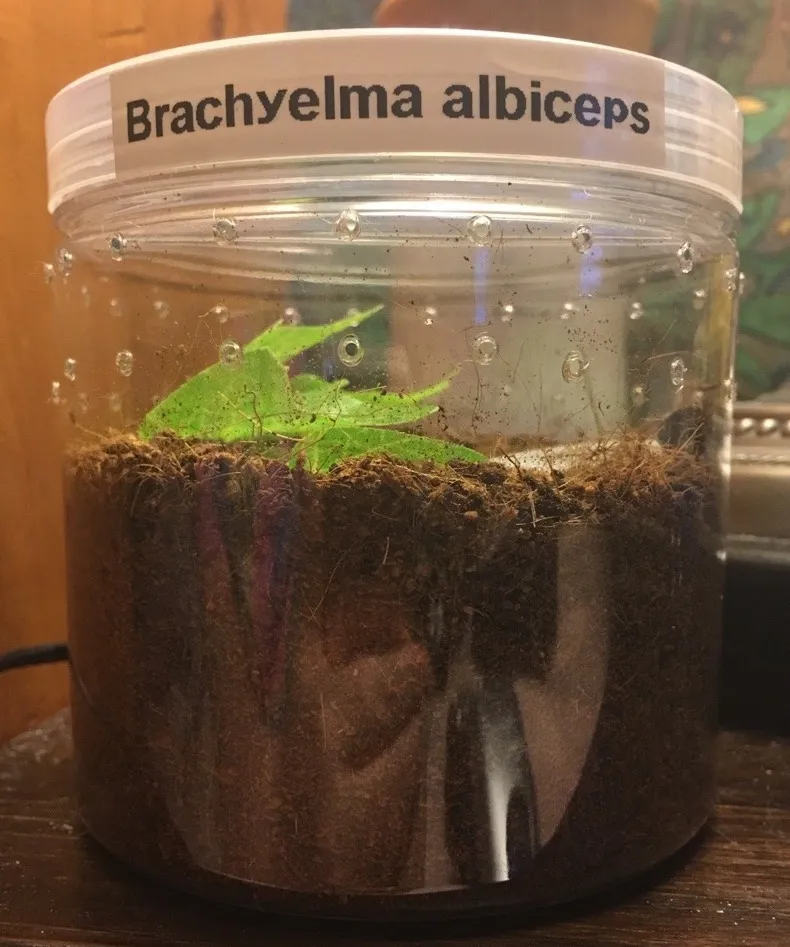
Owning a tarantula can be a rewarding experience, but like all pets, they require attentive care. One of the most critical aspects of tarantula care is maintaining proper hydration. Dehydration in tarantulas can be a serious issue, but recognizing the signs early and taking quick action can often save your pet’s life. This guide provides a comprehensive overview of how to identify, treat, and prevent dehydration in your tarantula, ensuring its health and well-being.
Signs of Dehydration in Tarantulas
Early detection is key when dealing with a dehydrated tarantula. Recognizing the symptoms promptly can significantly improve the chances of successful treatment. Several visual and behavioral cues indicate that your tarantula may be suffering from dehydration. Keep a close eye on your pet to catch these early signs. Regular observation is the most important step in identifying any health issues that may arise.
Lethargy and Lack of Movement
A dehydrated tarantula will often exhibit lethargy and a noticeable reduction in activity levels. It may move sluggishly or remain in one spot for extended periods. Healthy tarantulas are usually more active, especially during feeding times or when exploring their enclosure. A lack of movement, particularly when coupled with other symptoms, can be a strong indicator of dehydration. Always note how active your tarantula is during its normal routines.
Wrinkled Abdomen

One of the most telling signs of dehydration is a wrinkled abdomen. The abdomen, or opisthosoma, should appear plump and firm. When dehydrated, the abdomen will become shrunken and display noticeable wrinkles. This is a direct result of fluid loss. Carefully observe your tarantula’s abdomen, comparing its appearance to previous observations. A wrinkled abdomen is a critical sign that requires immediate attention and treatment to revive it quickly.
Loss of Appetite
Dehydrated tarantulas often lose their appetite and may refuse to eat. This is because their body is prioritizing water retention over other functions, including digestion. If your tarantula, which is usually a voracious eater, suddenly stops eating, it could be a sign of dehydration or another health issue. Monitor your tarantula’s feeding habits closely and consult a veterinarian or experienced tarantula keeper if you notice a prolonged loss of appetite, especially when accompanied by other symptoms.
What Causes Dehydration in Tarantulas
Understanding the causes of dehydration is crucial for prevention. Several factors can contribute to dehydration in tarantulas, including environmental conditions and improper care. Recognizing these causes allows you to create a suitable habitat and provide the necessary care to keep your tarantula healthy and hydrated. Making sure that you know the main causes is the best step to prevent any problems from arising in the first place.
Improper Humidity Levels

Humidity plays a critical role in tarantula health. Most tarantulas require specific humidity levels to thrive. If the humidity is too low, the tarantula can lose water through its exoskeleton, leading to dehydration. Regularly monitor the humidity levels in your tarantula’s enclosure using a hygrometer. Adjust the humidity as needed to match the species’ requirements. Misting the enclosure or using a substrate that retains moisture can help maintain optimal humidity.
Insufficient Water Supply
Providing a constant and accessible water source is essential. Tarantulas need fresh water to stay hydrated. If the water dish is too small, frequently empty, or not present at all, your tarantula may not be able to drink enough water. Always ensure that your tarantula has a shallow water dish filled with clean, fresh water. Replace the water regularly to prevent bacterial growth and keep the water source easily accessible.
Environmental Factors
Environmental factors, such as excessive heat or poor ventilation, can also contribute to dehydration. High temperatures can cause the tarantula to lose water more quickly. Poor ventilation can trap stale, dry air inside the enclosure, further reducing humidity. Ensure that the enclosure is placed in a stable environment away from direct sunlight or heat sources. Provide adequate ventilation to maintain a healthy environment. Monitor the enclosure’s temperature and humidity levels to make any necessary adjustments.
Immediate Steps to Revive a Dehydrated Tarantula

If you suspect your tarantula is dehydrated, quick action is essential. The following steps can help you revive a dehydrated tarantula and prevent further complications. The sooner you start to provide adequate water, the better the chances of the tarantula returning to its normal routines. It’s important to be prepared to take quick action if it is a common problem in your enclosure.
Providing Fresh Water
The first step is to provide a readily accessible water source. Ensure that the water dish is clean and filled with fresh water. If your tarantula is very weak, you can carefully drip water near its mouth using a syringe or dropper. Observe the tarantula to see if it begins to drink. Sometimes, a tarantula may have trouble getting to the water dish. Make sure it is in an easily accessible spot.
Misting the Enclosure
Misting the enclosure can help increase humidity and provide a source of water for the tarantula. Use a spray bottle filled with clean water to mist the enclosure gently. Avoid spraying the tarantula directly. Instead, mist the sides and substrate of the enclosure to raise the humidity levels. Be careful not to oversaturate the enclosure, which can lead to other issues, such as mold growth. Misting may be a daily routine in some cases to help with moisture.
Increasing Humidity

Increase the humidity levels in the enclosure to help the tarantula rehydrate. You can do this by misting the enclosure more frequently, adding a larger water dish, or using a substrate that retains moisture, such as coconut fiber. Monitor the humidity levels with a hygrometer to ensure they are within the appropriate range for your tarantula species. A higher humidity helps the tarantula to absorb moisture from its environment. Humidity is one of the most important factors to monitor for any tarantula.
Identifying the Severity of Dehydration
The treatment approach varies depending on the severity of dehydration. Recognizing the degree of dehydration is crucial to administering the correct treatment. Determining the severity will help you to treat the issue quickly, and prevent any more severe damage to the tarantula. Assess the symptoms and take immediate action accordingly.
Mild Dehydration Treatment
For mild dehydration, simply providing fresh water and increasing humidity might be sufficient. Make sure the water dish is clean and easily accessible. Mist the enclosure daily and monitor the tarantula’s condition. The tarantula should begin to show signs of improvement within a few days. Continue with the regular monitoring and keep everything clean.
Moderate Dehydration Treatment

Moderate dehydration requires more intervention. In addition to providing water and increasing humidity, consider offering a small amount of pre-killed prey. Sometimes, the stress of dehydration can affect the tarantula’s desire to eat. However, it is important for it to get the nourishment it needs. Observe the tarantula’s behavior and consult an experienced tarantula keeper or a veterinarian if the condition does not improve. It’s best to consult others who have experience in this field.
Severe Dehydration Treatment
Severe dehydration is a critical situation that requires immediate veterinary attention. Contact a veterinarian experienced in exotic pets as soon as possible. While waiting for professional help, continue to provide fresh water and mist the enclosure. The veterinarian might administer fluids or other treatments to stabilize the tarantula. Be prepared to provide detailed information on the tarantula’s environment and care routine. The vet may need to monitor the tarantula for a few days.
Long-Term Care and Prevention
Preventing dehydration is much easier than treating it. By implementing preventive measures, you can ensure that your tarantula stays healthy and hydrated. Regular care, monitoring, and adjustments to the enclosure conditions are key to long-term tarantula health. Always be aware of any changes that might arise and what the specific conditions for your species are.
Maintaining Proper Humidity

Monitor the humidity levels in the enclosure regularly using a hygrometer. Adjust the humidity to match your tarantula’s species-specific needs. This might involve adjusting the ventilation, misting the enclosure, or using a substrate that retains moisture. The humidity level should be within a specific range, so it is a good idea to know what range it is for your tarantula species. Maintaining proper humidity is the most important step in preventing dehydration.
Ensuring a Consistent Water Source
Always provide a clean and accessible water source. Use a shallow water dish that is easily accessible for the tarantula. Replace the water regularly to prevent bacterial growth. Make sure the water dish is the appropriate size for the tarantula’s size. The water source should never be empty, as a constant supply is essential for hydration. Providing a consistent water source is the most important thing to always keep up with.
Regular Monitoring of the Tarantula
Regularly observe your tarantula for any signs of dehydration or other health issues. Look for changes in activity levels, appetite, and abdomen appearance. Early detection is key to successful treatment. If you notice any concerning symptoms, take immediate action and consult an experienced tarantula keeper or a veterinarian if necessary. The more familiar you are with your tarantula’s normal behavior, the easier it will be to detect any issues.
Dehydration in tarantulas can be a serious threat, but with knowledge and proactive care, you can keep your pet healthy and thriving. By recognizing the signs of dehydration, taking immediate action, and implementing preventative measures, you can ensure that your tarantula lives a long and fulfilling life. Remember to consult with an experienced tarantula keeper or a veterinarian if you have any concerns about your tarantula’s health. With this guide, you are now equipped to keep your tarantula hydrated and happy.