Daddy Long Legs vs Tarantula: Understanding the Differences
When it comes to the world of arachnids, two creatures often spark curiosity and sometimes, a bit of unease: the daddy long legs and the tarantula. Despite both belonging to the class Arachnida, these two are vastly different in appearance, behavior, and overall lifestyle. This article delves into the top 5 key differences between these fascinating creatures, helping you to understand what sets them apart. From their physical characteristics to their venom and habitats, we’ll explore the nuances that make each unique. This comparison not only highlights their distinctions but also provides a deeper appreciation for the incredible diversity within the animal kingdom, allowing us to understand and respect these creatures better. Let’s explore the differences between these intriguing arachnids.
Appearance: Size and Body Structure
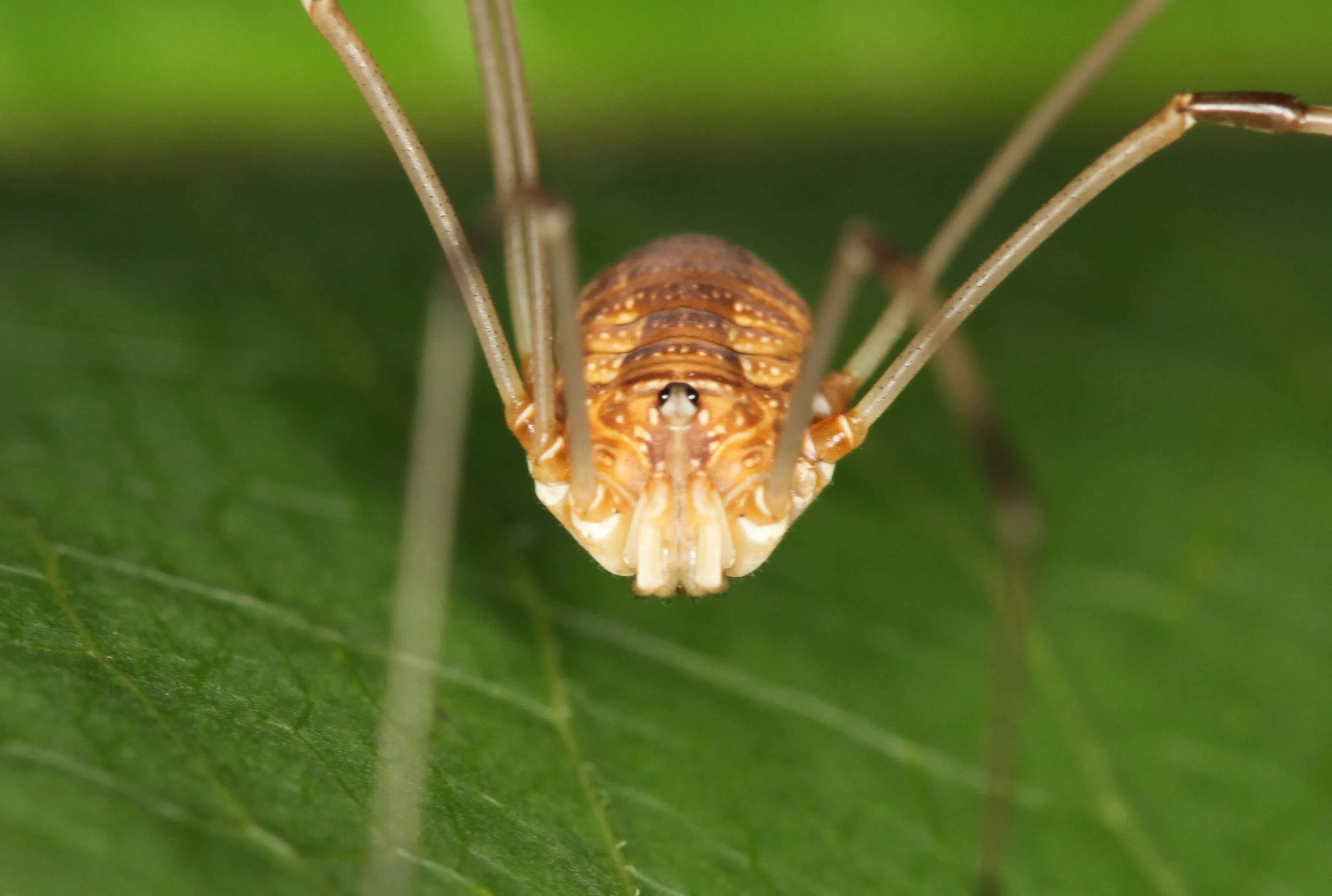
One of the most obvious differences lies in their physical appearance. Daddy long legs, also known as harvestmen, are characterized by their exceptionally long, slender legs and a small body, giving them a delicate appearance. The body of a daddy long legs is typically a single, fused segment, unlike spiders which have two distinct body parts. Tarantulas, on the other hand, are significantly larger, with a bulky body and thick, hairy legs. Their bodies are clearly divided into two main parts: the cephalothorax (fused head and thorax) and the abdomen. The size difference alone is striking; tarantulas can range from a few inches to over a foot in leg span, while daddy long legs are considerably smaller, making their long legs even more prominent in comparison. Consider the visual impact when you come across these arachnids and how different they are in structure and form, making the distinction quite apparent.
Daddy Long Legs Characteristics

Daddy long legs have a body that is usually less than an inch long, but their legs can extend several inches. These legs are primarily used for sensing their environment, as they have sensory receptors. Their bodies, as mentioned, are a single fused unit, without the distinct separation of the head and abdomen seen in spiders. They lack silk glands, meaning they don’t spin webs to catch prey, and their overall appearance is far more fragile compared to tarantulas. They are often found in damp, dark places, and their light brown color helps them blend into their surroundings. Understanding their body plan highlights how they navigate and interact within their environment, which is completely different from the tarantula.
Tarantula Characteristics
Tarantulas are significantly larger and more robust. Their bodies are divided into a cephalothorax and an abdomen, with the cephalothorax bearing the eyes, mouthparts, and legs. The abdomen contains vital organs. Tarantulas are covered in hairs, which serve various purposes, including sensory perception and defense. Many species possess urticating hairs, which they can flick off to irritate potential threats. They also have powerful chelicerae (fangs) used to subdue prey. Their size and physical attributes make them formidable hunters. Their overall structure is designed for strength, stealth, and effective hunting, which contrasts greatly with the more delicate build of the daddy long legs. This physical difference impacts their behavior and survival strategies.
Habitat and Behavior
Their environments and behaviors also highlight their differences. Daddy long legs are found in a wide variety of habitats, including forests, caves, gardens, and even inside homes. They are generally less aggressive and more social, often found in large groups. Tarantulas, however, are typically solitary creatures, preferring to live in burrows or hidden locations in warm, tropical climates. Their hunting styles and defensive strategies also differ significantly; daddy long legs are scavengers and generalists, while tarantulas are ambush predators. The environments and behaviors are a key distinction between them, affecting the way they interact with their surroundings and other creatures.
Daddy Long Legs Habitat

Daddy long legs are remarkably adaptable, occupying diverse habitats from woodlands and grasslands to human dwellings. They thrive in environments that offer ample moisture and shelter, often found under rocks, logs, or in dimly lit corners. They are not particular about their surroundings, as long as they can find food and protection. They are often seen in groups, which can provide a degree of safety in numbers and make them more efficient scavengers. Their adaptable nature allows them to thrive in various climates and settings, which is very different from the more specialized habitat needs of tarantulas.
Tarantula Habitat
Tarantulas, on the other hand, have very specific habitat preferences, typically inhabiting warm, tropical or subtropical regions. They are commonly found in burrows, under rocks, or within dense vegetation where they can ambush prey. The habitat requirements for tarantulas include adequate humidity, suitable temperatures, and a readily available food supply. Some species are arboreal, living in trees, while others are terrestrial, preferring to burrow in the ground. These needs directly influence their distribution and the specific locations where they are found. Their habitats are more specialized, requiring specific environmental conditions.
Diet and Feeding Habits
The dietary preferences and feeding habits of daddy long legs and tarantulas provide another significant difference. Daddy long legs are primarily scavengers, feeding on decaying organic matter, small insects, and even dead insects. They don’t have fangs to inject venom; instead, they use their chelicerae to crush their food. Tarantulas, as mentioned, are ambush predators, with a diet consisting primarily of insects, other spiders, and occasionally small vertebrates. The way they approach their meals and their methods of obtaining nutrition showcase their dissimilar lifestyles. Their diets also reflect their different ecological roles and adaptations.
Daddy Long Legs Diet

Daddy long legs are opportunistic feeders, consuming a wide range of food sources. They play a crucial role in ecosystems by breaking down organic matter and controlling populations of small insects. They lack the ability to actively hunt prey in the same way as tarantulas; their foraging behavior involves searching for available food sources. They consume decaying organic matter, small insects, and sometimes the bodily fluids of their prey. Their feeding habits contribute to the decomposition process. This scavenging lifestyle marks a significant contrast to the predatory strategies of tarantulas. Daddy long legs’ diet consists of items readily found in their environment.
Tarantula Diet
Tarantulas are active hunters, using their size and speed to ambush and subdue their prey. Their diet typically includes insects, such as crickets and grasshoppers, but they can also consume larger prey like small lizards, rodents, and even birds, depending on the species and size of the tarantula. They inject venom to paralyze and begin digesting their prey, then use their chelicerae to break down and consume the softened tissues. They are equipped with specialized hunting techniques, making them efficient predators. Their diet showcases their position as apex predators within their ecosystem.
Venom and Toxicity
Venom is another area where these arachnids differ significantly. While tarantulas are venomous, their venom is generally not considered life-threatening to humans; their bite is often compared to a bee sting. Daddy long legs, on the other hand, do not possess venom glands or fangs, so they are not venomous. The potency and impact of the venom, or lack thereof, further set them apart. This difference influences their hunting capabilities and defense mechanisms, significantly affecting their relationship with their environment.
Daddy Long Legs Venom
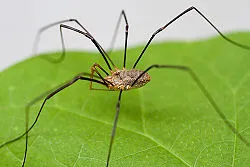
Daddy long legs lack venom glands and fangs, which means they cannot inject venom. This lack of venom is a critical difference, highlighting their non-aggressive nature and their dependence on other defensive strategies, such as their ability to detach legs to escape predators. They rely on their speed, agility, and the ability to blend into their environment to avoid being preyed upon. This also contrasts their feeding habits, as they do not have the means to immobilize their prey using venom.
Tarantula Venom
Tarantulas possess venom glands and fangs, which they use to inject venom into their prey. The venom contains neurotoxins that paralyze or incapacitate their prey, allowing the tarantula to begin the digestive process. While tarantula venom is not usually lethal to humans, it can cause localized pain, swelling, and other symptoms. The venom composition varies by species, with some being more potent than others. Their venom is a crucial component in their hunting and defense tactics. Their venom is used as a tool to subdue their prey before consuming it, marking a clear distinction between the two arachnids.
Lifespan and Reproduction
Finally, the lifespan and reproductive strategies of these two arachnids show another interesting distinction. Daddy long legs typically have a shorter lifespan, often living for only a year or less, and reproduce by laying eggs. Tarantulas, however, can live for many years, with females living much longer than males. They also reproduce by laying eggs, but their mating rituals and life cycles are more complex. These differences affect the dynamics within their populations. Their life cycle impacts how they contribute to the environment.
Daddy Long Legs Lifespan

Daddy long legs typically have a relatively short lifespan, usually lasting from a few months to a year. They undergo several molts during their life cycle. The lifecycle and the short lifespan influence their population dynamics, as they must reproduce rapidly to ensure the survival of their species. They generally do not live long enough to witness significant changes in their environment, which contrasts with the longevity of tarantulas.
Tarantula Lifespan
Tarantulas have a significantly longer lifespan, especially the females, who can live for 15 to 25 years or even longer. Males typically have a shorter lifespan, often only a few years after reaching maturity. Their slower growth rate and longevity reflect their ecological role as long-lived predators. Their extended lifespan enables them to experience many seasons and play a consistent role in the ecosystem. Their long lifespans affect population trends and survival in the environment.
In conclusion, while both daddy long legs and tarantulas belong to the same class of arachnids, their differences are significant and span appearance, habitat, diet, venom, and lifespan. Understanding these distinctions helps us appreciate the remarkable diversity and adaptability of these creatures. From the fragile, scavenging daddy long legs to the robust, predatory tarantula, each plays a unique role within its ecosystem. Observing these differences not only enhances our knowledge but also deepens our appreciation for the natural world, fostering respect for the delicate balance within it.