Understanding the Curly Hair Tarantula
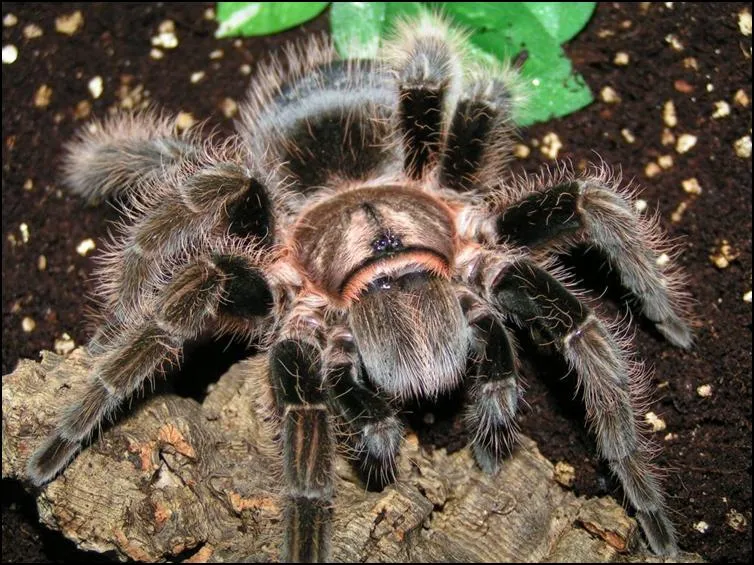
The Curly Hair Tarantula (Tliltocatl albopilosus), a captivating and relatively docile species, has become a popular choice for both novice and experienced arachnid enthusiasts. Its endearing appearance, characterized by its fuzzy, light-brown to golden hairs that give it its namesake “curly” look, makes it an appealing pet. Beyond aesthetics, the Curly Hair Tarantula’s generally calm temperament contributes to its popularity. This comprehensive guide will delve into all aspects of caring for these fascinating creatures, from habitat setup and feeding to handling and recognizing potential health issues. Understanding their needs is paramount to ensuring a long and fulfilling life for your eight-legged companion. Taking care of a Curly Hair Tarantula can be a rewarding experience, offering a unique opportunity to observe the intricacies of nature.
Origin and Habitat
Native to the tropical regions of Central America, particularly Costa Rica, the Curly Hair Tarantula thrives in warm, humid environments. In the wild, they are terrestrial spiders, meaning they primarily live on the ground. They typically create burrows or utilize existing shelters like hollow logs or beneath rocks to create a safe haven from predators and the elements. Replicating these natural conditions is essential for their well-being in captivity. These tarantulas are well-adapted to the rainforest floor, where they hunt for insects and other small invertebrates. Understanding their natural habitat is key to providing an appropriate and comfortable environment for your pet tarantula. It’s also important to keep in mind the importance of respecting the species’ natural environment and avoiding practices that might harm wild populations.
Appearance and Characteristics

The Curly Hair Tarantula is immediately recognizable by its distinctive appearance. The spider’s body is covered in a coat of dark brown to black hairs, with lighter, curly hairs interspersed throughout, giving it a unique and attractive look. These curly hairs are not only visually appealing but also serve a purpose. They help the tarantula to sense its environment and protect it from predators. Adult females can reach a leg span of up to 6 inches, while males are typically slightly smaller. Like all tarantulas, they have eight legs, two pedipalps (used for manipulating food and sensing), and two chelicerae (fangs). They also have a large, bulbous abdomen. Their coloration can vary slightly depending on the individual and their environmental conditions. They are also known for their docile nature, making them generally easy to handle for experienced keepers.
Setting Up Your Curly Hair Tarantula’s Habitat
Creating a suitable habitat is a crucial first step in caring for your Curly Hair Tarantula. The enclosure should mimic their natural environment, providing the necessary comfort and safety. The setup plays a vital role in their health, behavior, and overall well-being. A well-designed habitat allows the tarantula to thrive and exhibit natural behaviors, allowing you to enjoy watching your pet. Remember that the enclosure also serves as a way to admire the beauty of this creature. This will provide a safe space for the tarantula to live, molt, and hunt. Ensure the habitat provides proper ventilation, temperature, humidity, and security.
Choosing the Right Enclosure
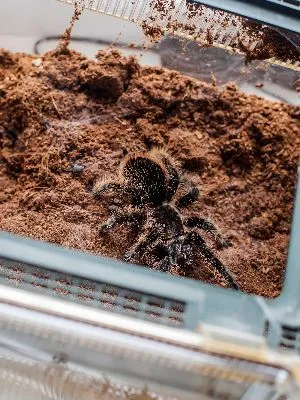
The size of the enclosure should be appropriate for the tarantula’s size. A good rule of thumb is to provide an enclosure that is at least three times the spider’s leg span in width. For juveniles, a smaller enclosure is acceptable, but they will need to be upgraded as they grow. Glass terrariums or clear plastic enclosures are ideal because they allow for good visibility and are easy to clean. Ensure the enclosure has a secure lid to prevent escape, as tarantulas can be surprisingly adept at climbing. Adequate ventilation is crucial to prevent the buildup of harmful mold and maintain proper humidity levels. This is essential to prevent any kind of diseases from developing in the enclosure. Make sure that the enclosure is set up in a safe location, away from direct sunlight or extreme temperatures.
Substrate Selection

The substrate is the material that lines the bottom of the enclosure and serves as a bedding material for the tarantula. The ideal substrate for a Curly Hair Tarantula should retain some moisture, allow for burrowing, and be non-toxic. A mixture of coco fiber, peat moss, and a small amount of vermiculite is a popular and effective choice. Coco fiber is particularly good at retaining moisture and creating a humid environment. The substrate layer should be deep enough to allow the tarantula to burrow if it chooses to, typically 4-6 inches deep. Regularly check the substrate for any mold growth or excessive moisture and replace it as needed to maintain a healthy environment. Never use substrates such as pine or cedar shavings, as the oils in these woods can be harmful to tarantulas.
Temperature and Humidity
Maintaining the correct temperature and humidity levels is vital for the health of your Curly Hair Tarantula. The ideal temperature range is between 75-85°F (24-29°C). A heat lamp or a heat mat placed on the side of the enclosure (never directly underneath) can be used to maintain the proper temperature. Avoid placing the enclosure in direct sunlight or near a heat source, as this can lead to overheating. Humidity levels should be kept around 60-70%. This can be achieved by misting the enclosure with water every few days, depending on the humidity levels. Use a hygrometer to monitor humidity levels accurately. Adequate ventilation is important to prevent mold and bacterial growth. Ensure the enclosure has proper ventilation, and avoid overcrowding the habitat.
Essential Equipment
Several pieces of equipment are essential for maintaining a healthy habitat for your Curly Hair Tarantula. A water dish is a must, providing the tarantula with a constant supply of fresh water. Ensure the water dish is shallow enough to prevent drowning, especially for juveniles. Hiding places, such as cork bark, artificial plants, or half-buried terracotta pots, are crucial. They provide a secure environment where the tarantula can retreat and feel safe. A hygrometer is necessary for measuring humidity levels, and a thermometer for monitoring temperature. Tweezers or long feeding tongs are helpful for feeding insects safely, preventing any risk of the tarantula biting your hand. A spray bottle for misting the enclosure is also essential for maintaining humidity levels.
Feeding Your Curly Hair Tarantula
Proper feeding is a cornerstone of Curly Hair Tarantula care, as it directly impacts their growth, health, and overall well-being. Providing a balanced and appropriate diet is essential to ensure your tarantula receives all the necessary nutrients. It’s also important to understand the feeding habits of these creatures to avoid overfeeding or underfeeding, which could lead to various health issues. The size and type of food should be appropriate for the size of the tarantula. Regular feeding schedules, coupled with the right nutritional content, contribute significantly to the spider’s vitality and longevity. Always ensure that live food is offered as this activates their natural hunting instincts.
What to Feed Your Tarantula
The primary food source for Curly Hair Tarantulas consists of insects. Crickets, mealworms, dubia roaches, and other commercially available insects are all suitable options. The size of the prey should be proportionate to the size of the tarantula. As a general guideline, the insect should be no larger than the tarantula’s abdomen. It’s important to provide a varied diet to ensure the tarantula receives a range of nutrients. Gut-load the insects with nutritious foods, such as vegetables and commercial insect food, a day or two before feeding them to your tarantula. This will pass the nutrients to the spider. Avoid feeding wild-caught insects, as they may carry parasites or pesticides that can be harmful to your tarantula. Remove uneaten food within 24 hours to prevent the growth of mold and mites.
Feeding Frequency and Portion Size
The feeding frequency depends on the age and size of the tarantula. Spiderlings should be fed 2-3 times a week, while juveniles can be fed once or twice a week. Adult Curly Hair Tarantulas can be fed once every 1-2 weeks. Observe your tarantula’s abdomen; if it appears too large, reduce the feeding frequency. Overfeeding can lead to obesity and other health problems. Monitor their appetite and adjust the feeding schedule accordingly. Always remove uneaten food within 24 hours to maintain a clean environment. Provide fresh water at all times, and do not overfeed your tarantula. Overfeeding is a common mistake among new owners.
Watering and Hydration

Providing fresh water is essential for the health and well-being of your Curly Hair Tarantula. Always keep a shallow water dish filled with fresh, clean water in the enclosure. Change the water regularly to prevent bacterial growth. Misting the enclosure with water a few times a week, especially during molting, helps maintain proper humidity levels and provides an additional source of hydration. You can use a spray bottle to mist the enclosure. Make sure you’re not misting your tarantula directly. Always remove any uneaten food and replace the water regularly. This practice keeps your tarantula hydrated and promotes a healthy environment. Additionally, if you notice your tarantula is not drinking water from the dish, consider misting the enclosure more frequently.
Handling and Interaction
While Curly Hair Tarantulas are generally docile, they are not naturally inclined to being handled, and handling should be kept to a minimum. While many keepers enjoy interacting with their tarantulas, it is essential to prioritize the spider’s safety and well-being. Frequent handling can stress the tarantula and potentially lead to injury. Understanding their behavior and practicing safe handling techniques will help you avoid any negative experiences and ensure the well-being of your pet. It’s best to appreciate them from a distance, allowing them to thrive in their natural behavior patterns within their habitat.
Safe Handling Practices
If you choose to handle your Curly Hair Tarantula, do so with caution and under the right circumstances. Handle them on a soft surface, close to the ground, in case they fall. Never handle them if they show signs of stress, such as a defensive posture or raising their front legs. Avoid touching the tarantula’s urticating hairs, which can cause skin irritation. If the tarantula drops its urticating hairs, quickly remove them to avoid potential discomfort. Always wash your hands before and after handling to prevent transferring any substances to the spider or to yourself. Be mindful of the tarantula’s behavior and put them back in their enclosure if they show signs of discomfort.
Understanding Tarantula Behavior

Understanding tarantula behavior can help you determine if they are comfortable, stressed, or otherwise not feeling well. Curly Hair Tarantulas are usually calm and docile but may exhibit defensive behaviors, such as raising their front legs or flicking urticating hairs (small, irritating hairs) if they feel threatened. They may also move very quickly or attempt to flee. Be aware of these signs and avoid actions that could cause them stress. If the tarantula is in a defensive position, it is best to leave them alone. Observe them regularly and familiarize yourself with their normal behavior to identify any deviations that might indicate a health issue or stress. Remember that tarantulas are sensitive to vibrations and sudden movements.
Common Health Issues and How to Address Them
Like all pets, Curly Hair Tarantulas can be susceptible to certain health issues. It is important to recognize the signs of illness and take appropriate action. Providing a proper environment and following a good care routine can help prevent many of these issues. Regular observation and understanding of the tarantula’s behavior can help you catch any issues early. Identifying potential problems and acting on them quickly is vital to preventing serious health complications. Taking action immediately can prevent minor issues from escalating into more serious problems, ensuring your tarantula remains healthy.
Recognizing Signs of Illness
Several signs can indicate that your Curly Hair Tarantula is not feeling well. These include loss of appetite, lethargy, or changes in behavior, such as a reluctance to move or a change in posture. Other indicators are tremors, uncoordinated movements, or the inability to right itself. A distended abdomen or a loss of limb function may also indicate a problem. In the case of a severe issue, the spider might have a lack of coordination or an inability to walk, causing it to lose its balance or fall over. If you notice any of these signs, consult with a veterinarian experienced in arachnids as soon as possible. They may need to be quarantined if an illness is suspected, which will help protect the spider and prevent the spread of any potential diseases.
Preventative Care
Preventative care is key to keeping your Curly Hair Tarantula healthy. This includes providing a clean and appropriately humid environment, a balanced diet, and fresh water. Always provide fresh water and replace it regularly. Avoid overcrowding and regularly check the enclosure for any signs of mold or mites. Quarantine new tarantulas before introducing them to your collection to prevent the spread of diseases. Regular observation is also essential; monitor your tarantula’s behavior and appearance for any signs of illness or distress. Good hygiene practices, such as washing your hands before and after handling the tarantula, will also help. Maintaining the proper temperature and humidity levels, and avoiding handling them, will further contribute to their well-being.
Molting Process
Molting is a natural and essential process for Curly Hair Tarantulas, allowing them to grow and replace their exoskeleton. It is an important part of their life cycle, and understanding the process will help you care for your tarantula during this vulnerable time. The frequency of molting decreases as the tarantula matures. Molting is a sign of growth and a normal and healthy process for tarantulas, but it requires specific environmental conditions to ensure the spider completes it successfully. It’s important to understand what to expect and how to provide the right support during this period.
Understanding the Molting Cycle
Prior to molting, the tarantula will usually stop eating and may become less active. You may notice a change in the color of their abdomen as a new exoskeleton forms beneath the old one. They may also create a web mat or flip over on their back in preparation for molting. The frequency of molting depends on the tarantula’s age and growth rate. Younger tarantulas molt more frequently than adults. Ensure the enclosure has the proper humidity to help the tarantula molt successfully. Observe the tarantula’s behavior and appearance to learn the signs of molting, such as a change in color and behavior.
What to Expect During Molting
During the molting process, the tarantula will shed its old exoskeleton. It will lie on its back, and the exoskeleton will split open, allowing the spider to emerge. The process can take several hours, and it’s important to avoid disturbing the tarantula during this time. After molting, the tarantula will be very vulnerable, with a soft exoskeleton. Do not feed your tarantula for a week or two after molting, allowing its new exoskeleton to harden. Provide a calm environment with proper humidity and temperature. Avoid handling the tarantula until its fangs have hardened, as they are very fragile right after molting. Observe the tarantula carefully and give it space.
Conclusion
Caring for a Curly Hair Tarantula can be a rewarding experience, providing a unique window into the fascinating world of arachnids. By understanding their specific needs, from habitat setup and feeding to handling and health, you can ensure your tarantula thrives. Remember to prioritize their well-being and provide an environment that mimics their natural habitat as closely as possible. With proper care, your Curly Hair Tarantula can live for many years, providing you with countless hours of observation and enjoyment. These amazing creatures are not only beautiful but also offer an intriguing opportunity for learning and appreciating the complexities of nature. As you deepen your understanding of these spiders, you’ll develop a greater appreciation for the importance of conservation and the vital role these creatures play in our ecosystem.