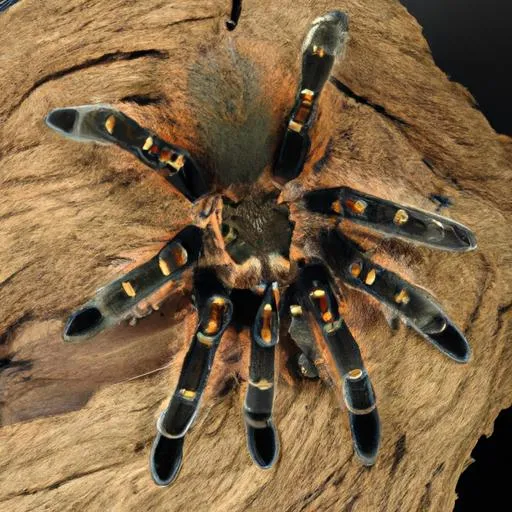
Choosing Your Curly Hair Tarantula
Bringing home a Curly Hair Tarantula ( Tliltocatl albopilosus ) can be an exciting experience. These beautiful creatures, known for their striking appearance and relatively docile nature, make fascinating pets. Before you welcome one into your home, it’s crucial to understand the key aspects of selecting a healthy tarantula. This ensures you’re starting off right, setting the stage for a long and rewarding relationship with your new eight-legged friend. Proper selection involves carefully observing the tarantula, assessing its overall health, and understanding its needs. This information will help you make an informed decision and provide your tarantula with the best possible start in its new environment.
Selecting a Healthy Curly Hair Tarantula
The foundation of successful tarantula keeping lies in choosing a healthy specimen. A healthy tarantula will be active, alert, and exhibit the typical characteristics of its species. Spend time observing the tarantula’s behavior and appearance. Look for signs of good health such as a well-filled abdomen (not too thin), clean legs, and a general alertness. The tarantula should be responsive to its environment, not lethargic or unresponsive. Avoiding a tarantula that appears weak or displays any signs of illness is essential to preventing potential issues in the future. Thorough observation can save you from purchasing a tarantula with health problems, ensuring you get a thriving pet that you can enjoy for years to come.
Identifying a Healthy Tarantula

A healthy Curly Hair Tarantula should have a plump abdomen, indicating it is well-fed and hydrated. The legs should be intact and free from any injuries or deformities. The fangs should appear clean and undamaged. Observe the tarantula’s movement; it should move with ease and agility. Any signs of lethargy, loss of appetite, or unusual behavior (e.g., tremors, uncoordinated movements) could indicate health issues. Ensure the tarantula’s enclosure is clean and well-maintained. A tarantula in a clean environment is more likely to be healthy. Always buy from a reputable source that can provide information about the tarantula’s origin and history.
Quarantine New Tarantulas
Once you have selected a tarantula, it’s wise to quarantine it for a period, especially if you have other tarantulas or plan to introduce it to an established collection. Quarantine helps prevent the spread of any potential diseases or parasites. During quarantine, keep the new tarantula separate from other pets, using a dedicated enclosure and separate tools for handling. Monitor the tarantula closely for any signs of illness or unusual behavior. This includes observing its eating habits, activity levels, and overall appearance. Quarantine typically lasts for a few weeks to a month. If the tarantula remains healthy during this time, it can then be safely introduced to its permanent habitat or integrated with other tarantulas, if applicable.
Setting Up the Perfect Habitat
Creating the right environment for your Curly Hair Tarantula is fundamental to its well-being. The habitat should mimic its natural environment as closely as possible, providing the necessary conditions for it to thrive. This includes selecting the right enclosure, choosing appropriate substrate, and maintaining the correct temperature and humidity levels. A well-designed habitat not only meets the tarantula’s physical needs but also contributes to its overall health and reduces stress. It’s important to set up the habitat before you acquire your tarantula, so it’s ready to go when your new pet arrives. A well-prepared habitat creates a secure and comfortable space, allowing your Curly Hair Tarantula to settle in and feel at home from day one.
Choosing the Right Enclosure

The size of the enclosure is crucial. For a juvenile Curly Hair Tarantula, a terrarium that is around 5-10 gallons is suitable. As the tarantula grows, you will need to upgrade to a larger enclosure, often 10-20 gallons for a fully grown adult. The enclosure should be well-ventilated, with cross-ventilation to prevent the buildup of excessive humidity. The enclosure should have a secure lid to prevent escape, as tarantulas are adept at climbing. Glass or acrylic terrariums are popular choices, offering good visibility. Ensure the enclosure is easy to clean and provides adequate space for the tarantula to move around and express its natural behaviors.
Substrate Selection
The substrate provides a comfortable surface for the tarantula, helps maintain humidity, and allows the tarantula to burrow, which is natural behavior for this species. A good substrate for Curly Hair Tarantulas includes a mix of peat moss, vermiculite, and a small amount of coco fiber. This mixture retains moisture well while allowing for proper drainage. The substrate depth should be at least 3-4 inches, allowing the tarantula to burrow. Avoid substrates like wood chips or gravel, as these can be abrasive and may not retain humidity effectively. The substrate should be kept slightly moist but not wet, to maintain the appropriate humidity levels in the enclosure. Regular cleaning and substrate replacement are crucial to prevent mold and bacterial growth.
Temperature and Humidity Requirements
Curly Hair Tarantulas thrive in temperatures between 75-85°F (24-29°C). You can use a heat mat placed on the side of the enclosure (not underneath) to maintain this temperature range. Avoid direct heat sources, as these can be dangerous. Humidity levels should be kept between 60-70%. You can monitor the humidity using a hygrometer. To increase humidity, mist the enclosure lightly with water, or overflow the water dish. Ensure the enclosure has good ventilation to prevent mold growth. Avoid dramatic temperature fluctuations, which can stress the tarantula. Provide a shallow water dish with fresh water at all times for hydration.
Essential Accessories

Include a shallow water dish with fresh water at all times. Provide a hide, such as a piece of cork bark or a half-log, where the tarantula can retreat and feel secure. You can also add artificial plants or decorations, which provide additional hiding spots and enrich the environment. Avoid using sharp or potentially dangerous decorations. The habitat should be easy to clean, so consider the ease of access when choosing decorations. Regular cleaning is essential for maintaining a healthy environment for your tarantula. Remove uneaten food and waste regularly, and spot-clean the enclosure as needed to maintain cleanliness.
Feeding Your Curly Hair Tarantula
Providing the correct nutrition is paramount to keeping your Curly Hair Tarantula healthy and thriving. A well-balanced diet will ensure your tarantula grows well and maintains its vibrant colors and overall well-being. Understanding the nutritional needs of your tarantula and knowing how to feed it properly can prevent many common health problems. This section provides essential information on the types of food, feeding frequency, portion sizes, and hydration needs to ensure your tarantula receives the nutrients it requires to live a long and healthy life. A properly fed tarantula will be more active, show better growth, and be less susceptible to illness. It’s an essential part of responsible tarantula care.
What to Feed Your Tarantula
Curly Hair Tarantulas are insectivores, meaning their diet primarily consists of insects. Suitable food items include crickets, mealworms, dubia roaches, and other commercially available feeder insects. The size of the food should be appropriate for the size of the tarantula. A good rule of thumb is to offer insects that are no larger than the tarantula’s body length. It’s essential to gut-load your feeder insects. Before feeding, offer the insects nutritious food such as fresh vegetables, fruits, and commercial insect food. This will ensure your tarantula receives the maximum nutritional benefit. Variety is important; rotate between different types of insects to provide a balanced diet. Avoid feeding insects collected from the wild, as they may contain parasites or pesticides.
Feeding Frequency and Portion Sizes

Feeding frequency depends on the tarantula’s age and size. Spiderlings and juveniles should be fed more frequently, typically every other day to a few times a week. Adult tarantulas can be fed less often, usually once or twice a week. Overfeeding can lead to obesity, while underfeeding can stunt growth. Adjust feeding frequency based on the tarantula’s appetite and condition. Remove any uneaten food within 24 hours to prevent the buildup of mold and mites. Provide a sufficient amount of food each time, allowing the tarantula to eat until it’s no longer interested. Observe the tarantula’s abdomen; a well-fed tarantula should have a slightly plump abdomen. Adjust portion sizes based on observation.
Water and Hydration
Clean, fresh water is essential for the tarantula’s health. Always provide a shallow water dish with fresh water. The water dish should be small enough to prevent the tarantula from drowning. Change the water regularly, typically every 1-2 days, to keep it clean and prevent bacterial growth. In addition to the water dish, you can mist the enclosure lightly with water to increase humidity, which is crucial for molting. Avoid spraying the tarantula directly. Instead, mist the sides of the enclosure. Monitoring hydration is essential; a dehydrated tarantula may appear sluggish or have a shrunken abdomen. Regular access to water and appropriate humidity levels ensure the tarantula’s health and promote successful molting.
Handling and Safety
Handling a Curly Hair Tarantula requires careful consideration and awareness of their behavior and potential risks. While these tarantulas are known to be relatively docile, they can still bite if they feel threatened or provoked. It is crucial to prioritize safety for both you and your tarantula. Understanding your tarantula’s behavior and recognizing its stress signals will help you avoid unnecessary risks and ensure that handling is done in a way that minimizes stress for the animal. Proper handling can be an enjoyable experience, but it must be done cautiously and with respect for the tarantula’s well-being. Always wash your hands thoroughly before and after handling your tarantula to prevent the transfer of contaminants.
Understanding Tarantula Behavior

Tarantulas are generally solitary creatures. Observe your tarantula’s behavior to understand its mood. A calm tarantula will move slowly and deliberately. Signs of stress or aggression include a defensive posture (raising the front legs, flicking hairs), rapid movement, or hissing. Curly Hair Tarantulas may also kick hairs from their abdomen as a defense mechanism, which can cause skin irritation if they come into contact with your skin. If the tarantula displays any signs of stress, it is best to avoid handling. Never make sudden movements or approach the tarantula from above. These behaviors can be interpreted as a threat. Observe the tarantula for its feeding habits, molting cycles, and activity patterns. Understanding its behavior will help you to anticipate its needs and act accordingly.
Safe Handling Practices
Handle your tarantula only when necessary, such as when cleaning the enclosure or transferring it to another container. Handle tarantulas close to the ground, in case they fall. Never hold a tarantula over a hard surface. If you need to handle your tarantula, use a soft brush to gently coax it onto your hand. Avoid grabbing or squeezing the tarantula, as this can cause injury. Handle your tarantula in a quiet, well-lit room, minimizing potential stress factors. Always wash your hands before and after handling. Keep your movements slow and gentle. If the tarantula shows any signs of stress, immediately put it back in its enclosure. Do not handle a tarantula during molting, as it will be especially vulnerable during this period.
Recognizing Stress Signals
Recognizing stress signals is crucial for the safety of both you and the tarantula. A stressed tarantula may raise its front legs in a defensive posture. It may also flick hairs from its abdomen, a defense mechanism that can cause irritation. Rapid movements or attempts to escape are also signs of stress. Some tarantulas may hiss. If you observe any of these signs, stop handling the tarantula immediately and put it back in its enclosure. Provide the tarantula with a safe and secure environment. Avoid unnecessary handling or disturbance. Providing a comfortable environment, regular feeding, and the correct habitat will minimize stress. Learn to read the tarantula’s body language to understand its needs and behavior.
Common Health Issues and Prevention

Even with the best care, tarantulas can sometimes experience health problems. Understanding the common ailments and preventative measures can help you maintain your tarantula’s health and address issues early on. This section discusses the most common health issues, the signs to watch out for, and effective treatment and prevention strategies. The information provided here will help you to be prepared to act appropriately if your tarantula shows any signs of illness. Being proactive and informed will contribute significantly to your tarantula’s longevity and well-being. Regular observation of your tarantula, attention to its environment, and prompt intervention are essential aspects of responsible tarantula care.
Recognizing and Treating Common Ailments
Parasites, such as mites, can infest tarantulas. Signs include small, moving spots on the tarantula or in the enclosure. To treat mites, improve enclosure hygiene, remove the substrate, and clean the enclosure thoroughly. Consider using a mite-killing product designed for reptiles, but only if necessary, and following the instructions carefully. Fungal infections can occur if the enclosure is too humid. Signs include discoloration or lesions on the tarantula’s body. Reduce humidity, improve ventilation, and consult a veterinarian experienced in reptiles. Bacterial infections can arise from injuries or poor hygiene. Signs include lethargy, loss of appetite, or swelling. Consult a veterinarian immediately. Ensure the tarantula’s environment is clean, and handle it carefully to prevent injuries.
Preventative Care Measures
Regularly inspect your tarantula for any signs of illness or injury. Keep the enclosure clean, removing uneaten food and waste promptly. Maintain appropriate temperature and humidity levels. Provide a balanced diet and clean water. Quarantine new tarantulas before introducing them to your collection. Handle your tarantula safely and minimize unnecessary handling. Avoid using pesticides or chemicals near the enclosure. Consider providing a varied diet to prevent nutritional deficiencies. Ensure the substrate is changed regularly. By following these measures, you can help prevent most common health issues and keep your Curly Hair Tarantula healthy and thriving.
Molting Process
Molting is a natural and essential process for tarantulas, allowing them to grow and replace their exoskeleton. Understanding the molting process is vital for providing appropriate care during this vulnerable time. Molting involves the tarantula shedding its old exoskeleton to reveal a new one beneath. During this period, the tarantula is very fragile and susceptible to injury. Knowing the signs of an upcoming molt and providing the correct environment can ensure a successful molting process. Proper care during molting promotes the overall health and well-being of the Curly Hair Tarantula, allowing it to thrive and grow.
What to Expect During Molting
Before molting, the tarantula may become less active and may stop eating. The abdomen will often appear darker and more swollen. You may notice that the tarantula spends more time in its hide or burrow. The tarantula will typically lay on its back during the molt. It can take anywhere from a few minutes to several hours for the tarantula to shed its exoskeleton completely. After molting, the tarantula’s new exoskeleton will be soft and vulnerable, and the tarantula may remain inactive for a few days. It is essential to leave the tarantula undisturbed during this time.
Caring for Your Tarantula During Molting
Do not feed the tarantula during the molting process or for a few days afterward. Provide a humid environment, as this helps the tarantula shed its old exoskeleton. Keep the enclosure clean and free from disturbances. Avoid handling the tarantula during molting, as it is very fragile at this time. After the molt, allow the tarantula time to harden its new exoskeleton, typically about a week. Once the exoskeleton has hardened, you can start feeding the tarantula again. Always remove any uneaten food to prevent mold or mites from developing during the molting process. Providing the correct environmental conditions and minimizing disturbances promotes successful molts.
Breeding and Reproduction
Breeding Curly Hair Tarantulas can be a rewarding experience for experienced keepers. However, it is important to understand the responsibilities involved and be prepared to provide proper care for the offspring. This section provides insights into identifying the sex of the tarantula, the breeding process, and the care of spiderlings. Breeding tarantulas requires a significant commitment of time, resources, and expertise. You need to ensure the health of both the male and the female, and to be ready to provide appropriate care for the resulting spiderlings. Only undertake breeding if you are fully prepared to meet these challenges responsibly.
Identifying Male and Female Tarantulas
The primary way to determine the sex of a Curly Hair Tarantula is by examining the shed exoskeleton, which is left behind after molting. Look for the presence of spermathecae, a sperm storage organ, in females. Males have modified pedipalps, which are the small appendages near the mouth, that are used for mating. Also, males have a pair of tibial hooks on their front legs, used to hold the female’s fangs during mating. It can be difficult to accurately determine the sex of a tarantula without the shed exoskeleton, so the shed is the most reliable method.
Breeding Process Overview
Before breeding, ensure both the male and female are healthy and well-fed. Introduce the male to the female’s enclosure, carefully monitoring their interaction. The male will often drum on the substrate to attract the female. If the female is receptive, she will allow the male to mate. After mating, it is crucial to remove the male to prevent him from being eaten by the female. The female will lay an egg sac a few months later, which she will guard. Once the spiderlings hatch, they will go through several molts before being ready to be separated and cared for individually. Breeding requires considerable experience, specialized knowledge, and preparation. It is advisable to consult with experienced breeders.
Conclusion
Caring for a Curly Hair Tarantula is a rewarding experience that requires a commitment to providing the right environment, nutrition, and care. By following this guide, you can ensure your tarantula lives a long, healthy, and happy life. Always be prepared to research and learn more about tarantula care, as there is always more to discover. Remember to observe your tarantula regularly, paying attention to its behavior and any changes in its health. This proactive approach allows you to address issues promptly and ensure your tarantula remains a captivating and well-cared-for pet. With proper care and attention, your Curly Hair Tarantula will bring you years of enjoyment.