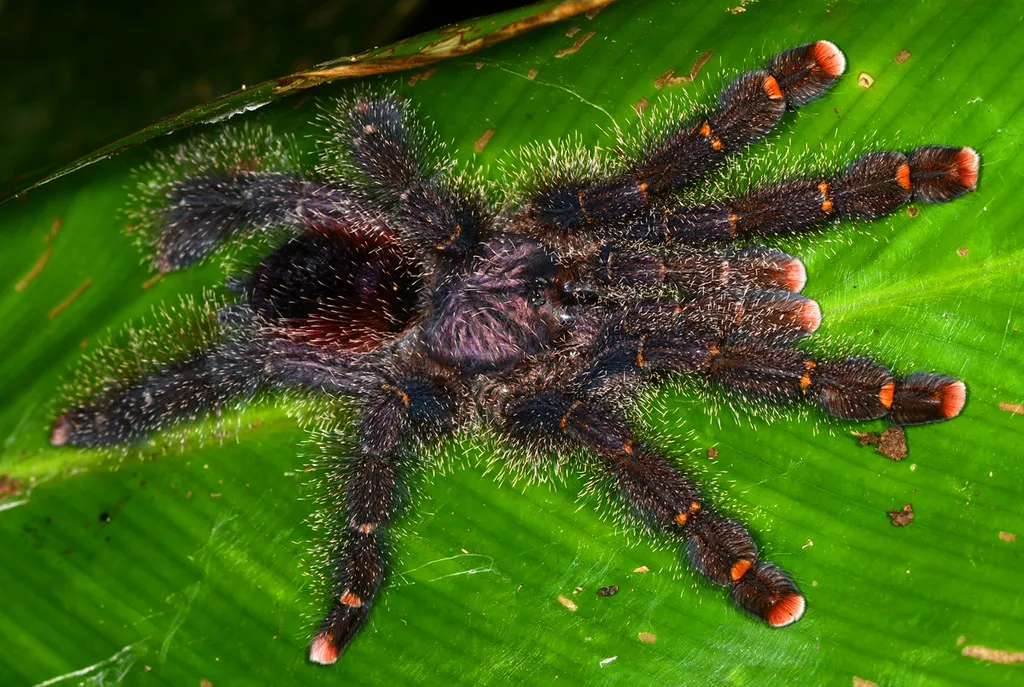
What is a Communal Pink Toe Tarantula?
A communal setup for Pink Toe Tarantulas (Avicularia avicularia) involves housing multiple individuals together in the same enclosure. This practice, while less common than keeping these arboreal tarantulas solitary, can be rewarding if done correctly. It contrasts with the typical solitary nature of most tarantulas, offering a unique opportunity to observe their social dynamics. However, it’s crucial to understand the inherent risks and implement proper precautions to ensure the well-being of each spider. Successful communal keeping requires careful planning, precise environmental control, and diligent observation. Failure to meet these requirements can lead to cannibalism or other health issues.
Understanding Pink Toe Tarantula Social Behavior
Pink Toe Tarantulas are not naturally social animals. In their natural habitat, they are typically solitary. However, under specific conditions, such as ample space, abundant food, and optimal environmental conditions, some keepers have reported success with communal setups. The key to understanding their social behavior lies in recognizing that they tolerate each other rather than actively seek companionship. Factors such as population density, resource availability, and individual temperament play a significant role in determining the success of a communal environment. Even with careful management, there’s always a risk of conflict, and keepers should be prepared to separate individuals if necessary.
The Benefits of Keeping Pink Toe Tarantulas Communally

While the practice presents challenges, there can be benefits to keeping Pink Toe Tarantulas communally. The most notable is the opportunity to observe fascinating social interactions that are otherwise unseen in solitary setups. Witnessing how these tarantulas interact, share resources, and navigate their shared space can be an enriching experience for any enthusiast. Additionally, a communal setup can be a space-saving measure for keepers with limited space. However, it’s essential to prioritize the well-being of the tarantulas and understand that these advantages must never come at the expense of their health or safety. Careful planning and management are crucial to mitigate potential risks and ensure a positive outcome.
Careful Introduction
The initial introduction of Pink Toe Tarantulas into a communal setup is a critical phase. Ideally, all individuals should be introduced simultaneously, reducing the likelihood of territorial disputes. If adding new tarantulas to an established community, quarantine them first to ensure they’re healthy. Observe the tarantulas closely for any signs of aggression, such as chasing, biting, or posturing. Provide ample hiding places so each tarantula has its own retreat, and be prepared to separate any individuals that display persistent aggression. Avoid introducing tarantulas that are significantly different in size, as larger individuals may prey on smaller ones. Patience and close monitoring are crucial during the introduction phase.
Appropriate Housing and Space
Providing adequate space is paramount to the success of a communal Pink Toe Tarantula setup. The enclosure should be large enough to accommodate all individuals comfortably, with sufficient vertical space for their arboreal lifestyle. A general guideline is to provide at least 10 gallons of space per tarantula, with larger enclosures being preferable. The enclosure should be well-ventilated to prevent the buildup of harmful gases and maintain appropriate humidity levels. Include plenty of climbing structures, such as branches and cork bark, to provide hiding places and allow the tarantulas to establish their own territories. A cluttered but spacious environment is often better, as it reduces the likelihood of encounters and potential conflicts.
Consistent Feeding Schedule

A consistent feeding schedule is essential in a communal environment. Provide a regular supply of appropriately sized insects, such as crickets or roaches, to ensure that all tarantulas have access to food. Avoid overfeeding, as uneaten prey can stress the tarantulas and increase the risk of injury or cannibalism during molting. Observe the tarantulas during feeding to ensure that all individuals are able to eat and that there is no undue competition. If some tarantulas are consistently out-competed for food, you might need to separate them or adjust the feeding strategy, such as providing multiple feeding stations. Regular feeding keeps the tarantulas well-fed and less likely to resort to cannibalism.
Temperature and Humidity
Maintaining the correct temperature and humidity levels is crucial for the health of Pink Toe Tarantulas, whether they are housed communally or solitarily. The ideal temperature range is between 75 and 85°F (24 and 29°C). Use a heat source such as a low-wattage heat lamp or a heat mat, but avoid direct contact to prevent burns. The humidity should be maintained between 70% and 80%. Regularly mist the enclosure with dechlorinated water to maintain humidity, but avoid over-misting, which can lead to mold and other problems. A hygrometer is essential to monitor humidity levels. Fluctuations in these environmental factors can stress the tarantulas and make them more susceptible to disease.
Regular Observation
Regular observation is vital for successful communal Pink Toe Tarantula keeping. Observe the tarantulas daily for any signs of aggression, illness, or unusual behavior. Look for any injuries, such as missing legs or bite marks, which may indicate conflict. Monitor their feeding habits, molting cycles, and overall activity levels. Be prepared to intervene if you notice any problems. Keeping a detailed log of your observations can help identify patterns and predict potential issues. The sooner you recognize a problem, the sooner you can take action. Regular observation allows you to assess the effectiveness of the communal setup and make necessary adjustments to ensure the tarantulas’ well-being.
Common Challenges in Communal Pink Toe Tarantula Keeping

Communal setups are not without their challenges. Keepers must be aware of potential issues and take proactive steps to mitigate them. The most significant challenges include aggression, cannibalism, and the spread of diseases. Aggression can manifest as chasing, posturing, or biting, particularly during feeding or molting. Cannibalism can occur if tarantulas are underfed, stressed, or if there is significant size disparity. Disease and parasites can spread more easily in a communal environment, so maintaining optimal hygiene is critical. Understanding these common challenges helps you prepare and implement strategies to manage them effectively, increasing the likelihood of success.
Aggression and Cannibalism
Aggression and cannibalism are the most serious risks in a communal Pink Toe Tarantula setup. Factors such as overcrowding, insufficient food, and stress can trigger aggressive behavior. Cannibalism can occur, particularly if a tarantula is molting, injured, or smaller than others. To minimize these risks, provide adequate space, a consistent feeding schedule, and plenty of hiding places. If you observe aggression, immediately separate the offending tarantulas. Watch out for molting tarantulas. Offer food and ensure that the enclosure contains enough food to prevent them from cannibalizing each other. Preventing these issues requires constant monitoring and preparedness.
Disease and Parasites
The risk of disease and parasite transmission is higher in a communal setting. The spread of mites, fungal infections, and bacterial infections can quickly affect the entire group. Quarantine new tarantulas before introducing them to the communal setup. Maintain strict hygiene practices, including regular cleaning and disinfection of the enclosure. Remove any dead or diseased tarantulas promptly to prevent the spread of infection. Monitor the health of all tarantulas closely, looking for signs of illness. Consult a veterinarian experienced in exotic animals if you suspect a disease outbreak. Implementing and maintaining a good cleaning schedule is important in this instance.
How to Ensure a Successful Communal Setup

Success with communal Pink Toe Tarantulas hinges on careful planning, diligent management, and a deep understanding of their needs. Begin by selecting healthy, compatible individuals and providing ample space and hiding places. A consistent feeding schedule with appropriately sized prey is vital. Regular observation helps identify and address any problems. Be prepared to intervene immediately if you observe any signs of aggression or disease. If you’re willing to invest the time and effort, a communal setup can be a rewarding experience, allowing you to observe the fascinating social dynamics of these arboreal creatures. A detailed understanding of these practices will set you up for success.
Choosing the Right Pink Toe Tarantulas
Selecting the right Pink Toe Tarantulas is the first step to a successful communal setup. Opt for spiderlings from the same clutch, as they are more likely to have a similar temperament. Avoid mixing different sizes, as larger tarantulas may prey on smaller ones. Ensure that the tarantulas are healthy, active, and free from any signs of disease or injury. Observe their behavior before introducing them into the communal enclosure. Some keepers choose a ’trial’ period where they are kept in adjacent enclosures to monitor behaviors. Look for individuals that are calm and show no signs of aggression. Patience and careful selection significantly increase your chances of success.
Monitoring and Adjusting the Environment
Once you’ve established your communal setup, continuous monitoring and adjustments are crucial for long-term success. Regularly check temperature, humidity, and ventilation to ensure they remain within the optimal range. Inspect the tarantulas for any signs of illness, injury, or aggression. Monitor their feeding habits and adjust the feeding schedule as needed. If you notice any problems, such as increased aggression or cannibalism, take immediate action. This may involve providing additional hiding places, separating individuals, or re-evaluating your setup. By being proactive and responsive to any changes, you can maintain a healthy and thriving communal environment.
Long-Term Care and Sustainability

Long-term success in a communal setup demands a sustainable approach to care. This includes regular enclosure maintenance, a consistent supply of food and water, and ongoing observation. Consider the long-term needs of your tarantulas, such as providing opportunities for them to expand their territory. If the tarantulas begin to outgrow their enclosure, consider rehousing them in a larger setup. Also, be prepared to separate individuals if their behavior changes over time. The long-term success of a communal setup relies on your ability to adapt and provide for the changing needs of your tarantulas. The practice should be viewed as an ongoing commitment to the health and well-being of your pets.