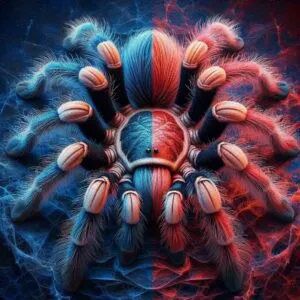
Understanding Tarantula Anatomy for Coloring
Before you even pick up a pencil or marker, understanding the basic anatomy of a tarantula is crucial. Observe the key features that define the arachnid. Note the two main body sections the cephalothorax (fused head and chest) and the abdomen. Pay close attention to the legs their segments, and the presence of hairs and setae. Recognizing these elements will greatly enhance the realism of your coloring. Study images and illustrations, noting the placement of eyes, fangs, and spinnerets. This foundational knowledge ensures that your artwork is not only colorful but also scientifically accurate. The more familiar you are with the form, the better you can translate it into a colored piece, bringing your tarantula to life on the page. This initial step lays the groundwork for a successful coloring experience.
The Importance of Reference Images
Reference images are indispensable when coloring a tarantula. They provide visual cues for color, texture, and detail. Without a good reference, your coloring can easily become generic or inaccurate. Search for high-quality photographs of tarantulas from various angles, in different lighting conditions, and representing different species. Look for images that highlight the intricate patterns and colors found on these fascinating creatures. Collect multiple references to gain a comprehensive understanding of tarantula appearance. Analyze the shadows and highlights within the reference to grasp how light interacts with the tarantula’s form. This will aid you in replicating these effects in your own artwork, thereby adding depth and realism to your finished piece. Proper reference use is the cornerstone of effective coloring.
Choosing the Right Coloring Materials

The materials you choose can greatly influence the outcome of your tarantula coloring. Different tools offer unique characteristics and effects. Consider the type of paper, pencils, markers, or colored pencils you plan to utilize. Experimenting with various mediums will help you discover what suits your style best. Some artists prefer colored pencils for their ability to create fine details and blend colors, while others prefer markers for their vibrancy and ease of use. It is important to consider the quality of your materials, as it will reflect in the quality of your work. The right materials will improve the overall aesthetics and outcome of your artwork, taking your tarantula coloring to the next level.
Pencils vs. Markers vs. Colored Pencils
Each medium offers its own benefits for coloring tarantulas. Pencils are great for beginners, offering control and the ability to create subtle gradations. Markers provide bold, solid colors and are suitable for vibrant depictions, while colored pencils combine the advantages of both. Colored pencils provide a wider range of colors, allow for layering and blending, and offer greater precision for fine details. The choice depends on the level of detail desired and the overall look you’re aiming for. For instance, if you want to depict the subtle hair structures on a tarantula, colored pencils are the better choice. Conversely, markers may be preferred for their boldness in creating eye-catching designs or solid backgrounds. The choice of materials is a personal preference determined by your artistic vision.
Paper Selection and Its Impact
The type of paper you use can significantly impact your coloring. Heavier paper (like cardstock or watercolor paper) is generally better for preventing bleed-through and allowing for layering, especially when using markers or wet mediums. The paper’s surface texture also matters. Smooth paper is excellent for detailed work with colored pencils, while textured paper might suit pencils and crayons well. Consider the tooth or texture of the paper. A paper with more tooth grips the coloring medium better, enabling more pigment to adhere. The correct paper selection is crucial in achieving the desired results and making the tarantula coloring a pleasant experience. Choose paper that complements your chosen medium and allows you to achieve the best results.
How to Begin Laying the Base Colors

Before adding detail and texture, start with base colors. Determine the main hues of your tarantula, referring to your chosen reference images. Lightly apply these base colors to the various parts of the tarantula—the cephalothorax, abdomen, legs, and chelicerae. Begin with a lighter touch to ensure you can adjust the colors as needed. Avoid applying too much pressure initially; this will allow you to blend and layer colors effectively. The goal here is to create a foundation. This initial layer will serve as the starting point for building up the richness and complexity of the tarantula’s colors. Remember, the base colors set the tone for the entire artwork. This stage is all about laying a solid groundwork.
Tip 1 Start with the Lightest Colors First
Always start with the lightest colors when coloring a tarantula. Begin with the highlights or areas that receive the most light. This approach prevents muddiness and makes it easier to build up shadows and depth. Light colors create a foundation upon which you can layer darker shades. Working from light to dark allows you to maintain control over your color intensity and blending. By starting with the lightest hues, you prevent accidental dark oversaturation. It gives you room to correct errors and make adjustments. This method also helps in creating a more realistic and polished final product. Using the appropriate starting point is key in achieving a natural looking tarantula.
Tip 2 Layering and Blending Techniques
Layering and blending are essential for creating depth and realism. Build up colors gradually, applying multiple thin layers rather than one thick one. This technique allows colors to mix seamlessly and create smooth transitions. Use circular or back-and-forth motions to blend the colors, softening the edges between them. Vary the pressure you apply to your coloring tools to achieve different effects. Practice blending light and dark colors to create shadows and highlights, adding dimension to your tarantula. Consider using a blending stump or a colorless blender for even smoother transitions. Layering and blending are at the heart of coloring. Mastering these techniques will significantly improve your artistic capabilities.
Tip 3 Creating Realistic Texture

Replicating the texture of a tarantula is crucial for a convincing artwork. Observe the hairy or velvety texture. Use short, overlapping strokes to mimic the hair. Vary the direction and length of the strokes to add visual interest. Use a lighter color to create the appearance of highlights on the hairs, adding dimension. Consider the presence of setae, the tiny hairs on the tarantula’s body, which can be suggested by using a fine-tipped pen. Experiment with techniques like stippling or dry brushing to create a rougher texture. The key is to vary your approach and pay close attention to your reference image to accurately reproduce the tarantula’s appearance. The more realistic the texture, the more detailed and captivating the artwork will be.
Tip 4 Adding Shadows and Highlights
Shadows and highlights are essential for adding depth and realism to your coloring. Identify the light source in your reference image and determine where shadows will fall. Use darker shades to represent the shadows, and lighter shades or even the white of the paper to represent the highlights. Apply the shadows and highlights thoughtfully to emphasize the form of the tarantula. Use blending to soften the edges and create smooth transitions between the light and dark areas. Pay attention to how the light interacts with the tarantula’s body, creating subtle variations in color. Mastering the use of shadows and highlights will create dimension, making your artwork appear more three-dimensional. The appropriate use of these elements is essential.
Tip 5 Detailing the Eyes and Fangs
The eyes and fangs are important features of a tarantula, and they can greatly impact the overall appearance of your artwork. Carefully observe the eyes and fangs of your reference image. The eyes are typically dark and shiny, so use black or very dark shades, adding a small white highlight to create the illusion of reflection. The fangs should appear sharp and slightly curved. Use a lighter color near the base of the fangs and blend outward to create a sense of depth and shape. Precise detailing in these areas can make a significant difference. The details in the eyes and fangs draw the viewer in and make the tarantula more life-like. Careful work on these elements will elevate the quality of your coloring.
Advanced Coloring Techniques

Dry Brushing and Its Effects
Dry brushing is a technique where you apply a small amount of pigment onto the paper to create a textured effect. It’s particularly effective for creating a hairy texture on a tarantula. Dip your brush or pencil lightly into the color and remove most of the pigment on a separate piece of paper. Then, gently apply the brush onto your artwork using short, light strokes. This technique is ideal for mimicking the texture of the tarantula’s hairs. Experiment with different colors and stroke directions. It’s a great way to add dimension. Dry brushing requires practice, but it is a powerful addition to the colorist’s toolkit. It brings an additional level of realism to your artwork.
Using a Stippling Technique
Stippling is another advanced technique. It involves creating an image by applying small dots of color. The density of the dots determines the tonal values, with denser dots creating darker areas. It is a time-consuming method, but the result is a unique textural effect. Use a fine-tipped pen or a sharp pencil to create the dots. Vary the size, density, and color of the dots to create different textures and shades. This technique can be effective for areas with fine hairs or intricate patterns. Stippling demands patience, but the level of detail it achieves makes it a rewarding technique. It can create a realistic and compelling depiction of a tarantula.
Sealing Your Artwork

Once your coloring is complete, consider sealing your artwork to protect it from smudging, fading, and other damage. A sealant provides a protective layer and helps to preserve the colors. Ensure the artwork is completely dry before applying a sealant, and follow the manufacturer’s instructions carefully. Sealing is an important step in the preservation of your artwork. This extra measure can significantly extend the life of your finished piece. The type of sealant will affect the final appearance, so choose one that suits your work.
Choosing the Right Sealant
There are various sealants available, each with unique properties. Consider spray sealants for their easy application and even coverage. Brush-on sealants offer a more controlled application, but they might affect the texture of your artwork. Consider the type of medium you have used. For example, a fixative is excellent for pencil drawings, while varnish works well for marker artworks. Some sealants offer UV protection, which helps prevent fading. Choose the sealant based on your artistic vision. By selecting and using the correct sealant, you protect your artwork.
Displaying Your Colored Tarantula Artwork
Properly displaying your artwork is the final step. Framing your piece behind glass provides the best protection against physical damage. Choose a frame that complements your artwork and your personal style. Consider the lighting. Avoid placing your artwork in direct sunlight, which can cause colors to fade over time. Display your artwork in a prominent location where you can enjoy it. Share it with others and consider entering it in art competitions. Celebrate your hard work. Your colored tarantula artwork deserves to be shown off.