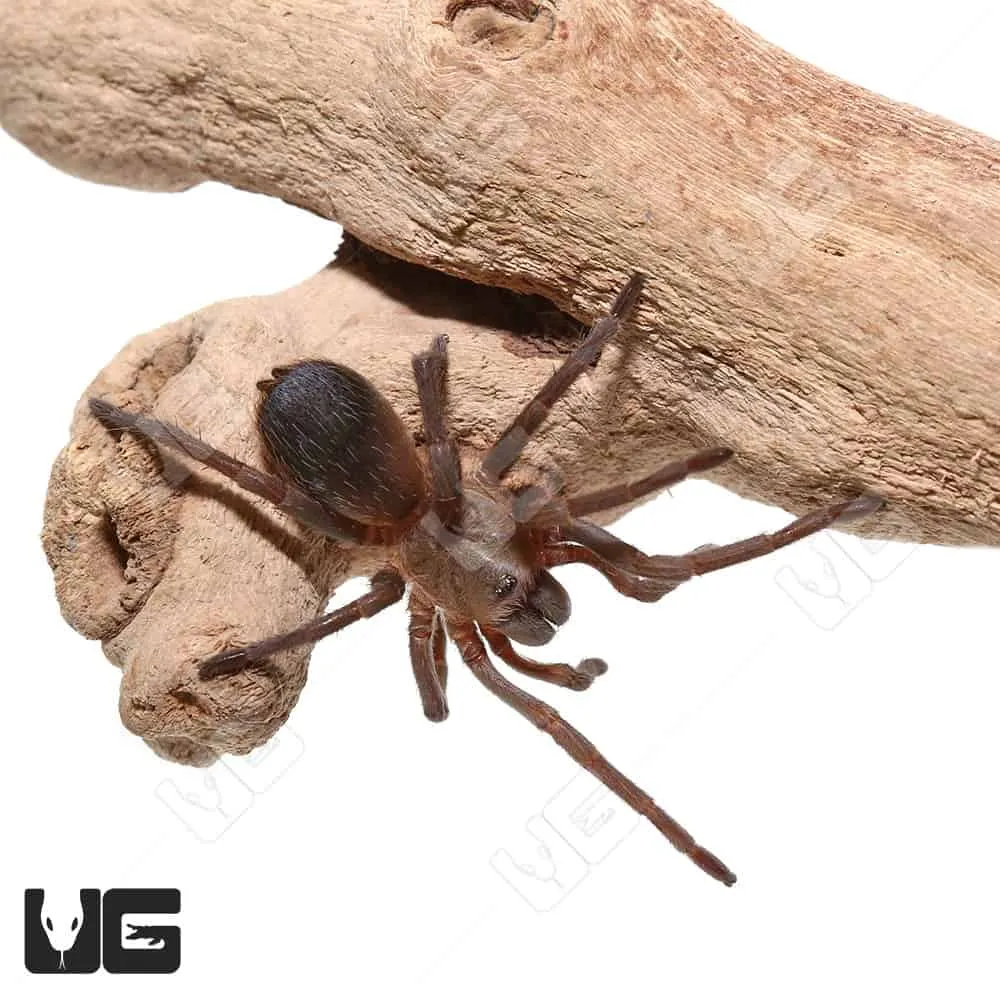
Understanding the Colombian Dwarf Blue Tarantula (CDT)
The Colombian Dwarf Blue Tarantula (CDT), scientifically known as Cyriocosmus elegans, is a captivating and increasingly popular pet among arachnid enthusiasts. This relatively small tarantula, native to the rainforests of Colombia, offers a unique blend of beauty and manageable care requirements, making it a great option for both novice and experienced keepers. Its striking blue coloration and petite size are key reasons for its appeal. However, successful keeping involves understanding its specific needs and providing a suitable environment to ensure a long and healthy life. This comprehensive guide will provide all the necessary information to properly care for your Colombian Dwarf Blue Tarantula, from setting up its enclosure to understanding its behavior and health needs.
Appearance and Characteristics
The most defining characteristic of the CDT is its vibrant coloration. Mature females display a striking blue hue on their legs and carapace, contrasted by a dark abdomen. This coloration is what sets this tarantula apart and makes it so sought after. The intensity of the blue can vary depending on the individual and the lighting conditions of its enclosure. CDTs are relatively small tarantulas, and this size is a key factor in their appeal. The overall size, including leg span, usually doesn’t exceed 3 inches, making them a manageable size for keepers who may not have the space for larger species. The CDT’s size, coupled with its striking appearance, makes it an excellent choice for those who want a beautiful tarantula without a huge footprint.
Size and Lifespan

As mentioned, CDTs are small, and this directly impacts their needs. Females typically reach a leg span of approximately 2.5 to 3 inches, while males tend to be slightly smaller. The lifespan of a CDT is another critical aspect of their care. Females generally live longer than males. Females can live for 5 to 7 years or even longer if properly cared for. Males, however, have a shorter lifespan, often only surviving for a year or two after reaching maturity. Understanding these size and lifespan differences is crucial when planning for the long-term care of your CDT, helping you anticipate its needs throughout its life cycle and offering important insights into their behaviors.
Temperament and Handling
CDTs are generally considered to be docile tarantulas. They are not known for being aggressive or prone to biting. However, like any tarantula, they should be handled with care and respect. Handling should be minimized, especially if the tarantula appears stressed. CDTs are quick and can move rapidly if startled, increasing the risk of dropping, which could be fatal. It’s always best to observe the tarantula’s behavior and mood before attempting any interaction. For those looking to handle their CDT, remember to do so gently and close to the ground, in case of a drop. If the tarantula displays defensive behavior, such as raising its front legs or flicking hairs (urticating hairs), it’s best to leave it alone and reassess at a later time. Overall, the CDT’s temperament makes it a good species for those new to tarantulas, provided they understand and respect its space.
Setting Up the Perfect CDT Enclosure
Creating a suitable enclosure is crucial for the well-being of your Colombian Dwarf Blue Tarantula. The right setup mimics its natural habitat, providing security, and facilitating its natural behaviors. Proper enclosure design will ensure the tarantula is stress-free and can thrive. This involves considering several factors, including enclosure size and type, substrate, decor, and the maintenance of the correct temperature and humidity levels. Careful attention to these details will create a healthy environment for your CDT and enhance the enjoyment of keeping it.
Enclosure Size and Type

Since CDTs are small, a relatively small enclosure is sufficient. A 5 to 10-gallon terrarium or a plastic container of similar size is generally adequate for an adult CDT. The enclosure should be well-ventilated to prevent the buildup of moisture and to allow for proper air circulation. A secure lid is essential to prevent escapes, as CDTs are capable climbers. The height of the enclosure should be considered. While they are not arboreal, providing some vertical space, especially for climbing, can add enrichment to the tarantula’s environment. The enclosure should have enough space for the tarantula to move around comfortably, and to establish its burrow or hiding place.
Substrate and Decor
The substrate, or bedding, is another key element. A substrate that retains moisture and allows the tarantula to burrow is ideal. A mixture of coco fiber, peat moss, and a small amount of vermiculite works very well. The substrate should be deep enough for the tarantula to create a burrow, ideally at least 3 to 4 inches deep. Decor provides enrichment and a sense of security. Adding a hide, such as a piece of cork bark or a half log, is essential, as it gives the tarantula a place to retreat and feel safe. Live or artificial plants can also be included to enhance the enclosure’s aesthetics and provide additional hiding spots. Make sure any decorations are stable and cannot tip over, potentially harming the tarantula.
Temperature and Humidity
Maintaining the correct temperature and humidity levels is critical for the CDT’s health. The ideal temperature range is between 75°F and 80°F (24°C to 27°C). A heat source, like a small heat mat placed on the side of the enclosure, can be used to maintain the temperature, especially in cooler environments. The humidity should be kept around 70% to 80%. This can be achieved by lightly misting the enclosure with dechlorinated water every few days, or as needed. Regularly monitoring the humidity levels with a hygrometer is recommended. Ensure adequate ventilation to prevent mold growth. Proper temperature and humidity contribute to the tarantula’s ability to molt properly and thrive.
Feeding Your Colombian Dwarf Blue Tarantula

Feeding your CDT properly is essential for its health and growth. Understanding its dietary requirements and feeding habits will help you provide the right nutrition and avoid common problems. This section covers the best food options, feeding frequency, and the importance of providing clean water.
Choosing the Right Food
CDTs are insectivores, meaning they primarily eat insects. Appropriate food items include crickets, mealworms, small cockroaches, and other readily available feeder insects. The size of the prey should be appropriate for the tarantula; the general rule is to provide insects no larger than the tarantula’s body size. It is also a good practice to vary the diet to provide a broader range of nutrients. Always make sure that the insects are gut-loaded before feeding them to your tarantula, this means feeding the insects nutritious food for at least 24 hours before feeding them to the tarantula. This enriches the insects with nutrients.
Feeding Frequency and Schedule
Juvenile CDTs should be fed more frequently than adults, usually two to three times per week. Adult tarantulas can be fed once a week or every other week, depending on their appetite and activity level. Overfeeding should be avoided, as it can lead to health problems. Monitor the tarantula’s abdomen; a slightly plump abdomen indicates a well-fed tarantula. Remove any uneaten prey within 24 hours to prevent stress to the tarantula or the growth of mold or mites. During molting periods, the tarantula will likely refuse food. Do not force feeding during molting.
Water and Hydration
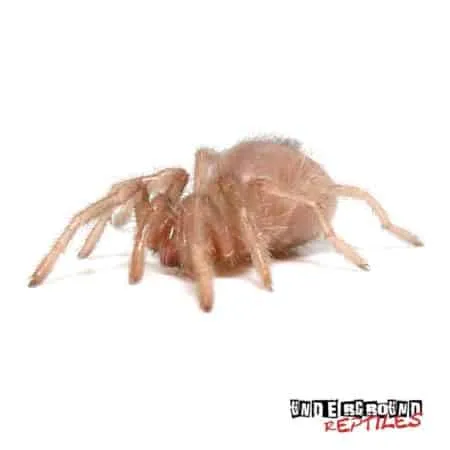
Clean, fresh water is essential for your CDT. A shallow water dish should always be available in the enclosure. The water dish should be small enough to prevent the tarantula from drowning. Use dechlorinated water to avoid any harmful chemicals. Regularly change the water to keep it fresh and prevent bacterial growth. In addition to a water dish, the enclosure should be misted occasionally to maintain the appropriate humidity levels, offering an additional source of hydration. If your tarantula appears dehydrated (shriveled abdomen), increase the frequency of misting and ensure that fresh water is available at all times.
Health and Common Issues
Like all living creatures, CDTs can be susceptible to health problems. Being aware of common issues and knowing how to identify and address them will help you maintain a healthy tarantula. This section provides information on recognizing signs of illness, addressing shedding problems, and preventing common diseases. By staying informed and observant, you can greatly contribute to the well-being of your pet.
Identifying and Treating Health Problems
Signs of illness in a CDT include loss of appetite, lethargy, unusual behavior, or changes in appearance. Check for external parasites, such as mites, which can be identified as tiny moving spots on the tarantula’s body. If you notice anything unusual, isolate the tarantula and consult with a veterinarian or experienced tarantula keeper. Common issues include dehydration, which can be caused by insufficient humidity, and mold growth, which can result from poor ventilation or an overly damp substrate. Addressing these issues quickly is critical. Implement corrective measures such as adjusting humidity, cleaning the enclosure, or administering appropriate treatment under expert guidance.
Shedding and Molting

Shedding, or molting, is a natural process in which tarantulas shed their exoskeleton to grow. The frequency of molting depends on the tarantula’s age; juveniles molt more frequently than adults. Before molting, the tarantula may become less active and refuse food. It might also flip onto its back. During the molting process, do not disturb the tarantula. Provide adequate humidity and avoid handling it until the new exoskeleton has fully hardened. After molting, the tarantula’s colors may appear more vibrant. It will take several days for the new exoskeleton to harden completely. This is a vulnerable time, so continue to avoid handling, and do not offer food until the fangs have hardened, which can be identified by their color.
Breeding Colombian Dwarf Blue Tarantulas
Breeding CDTs can be a rewarding but challenging endeavor. Successfully breeding these tarantulas requires a good understanding of their mating behavior and the ability to provide the right conditions for egg sac development. This section will provide insight into the process. Note that breeding is generally not recommended for beginner keepers and requires experience to ensure the safety of both the tarantula and the offspring.
Sexing Your Tarantula
Accurately sexing your tarantula is the first step in breeding. The most reliable method for sexing involves examining the tarantula’s molt or by looking for the presence of spermathecae in females. The spermathecae are located in the epigastric furrow, and they appear as a small, sac-like structure. Males do not have these structures and typically display tibial hooks on their front legs. Determining the sex is crucial, as only adult females are capable of producing eggs. Accurate sexing is essential for matching a male and female.
Mating and Egg Sac Management

Once you have a mature male and female, the mating process can begin. This involves introducing the male into the female’s enclosure. Observe the tarantulas carefully during the mating process, and be prepared to separate the male from the female immediately after mating to prevent the female from cannibalizing the male. After a successful mating, the female will lay eggs and create an egg sac. The egg sac must be carefully managed to ensure the eggs develop properly. The egg sac can be left with the female, or it can be removed for incubation to control environmental conditions and reduce the risk of the female eating the eggs. If the egg sac is removed, it needs to be kept under the correct temperature and humidity, and it must be monitored for mold. Successfully breeding CDTs is a delicate process that requires experience and patience.
Conclusion
Caring for a Colombian Dwarf Blue Tarantula can be a fulfilling experience. By understanding its needs, from enclosure setup and feeding to health and breeding, you can ensure your CDT thrives. This guide provides all the essential information to help you successfully keep and enjoy these beautiful and fascinating creatures. Remember that ongoing learning and observation are crucial for a thriving pet. Always continue to research and learn from other keepers. With proper care and attention, your CDT will be a captivating and rewarding addition to your home for years to come.