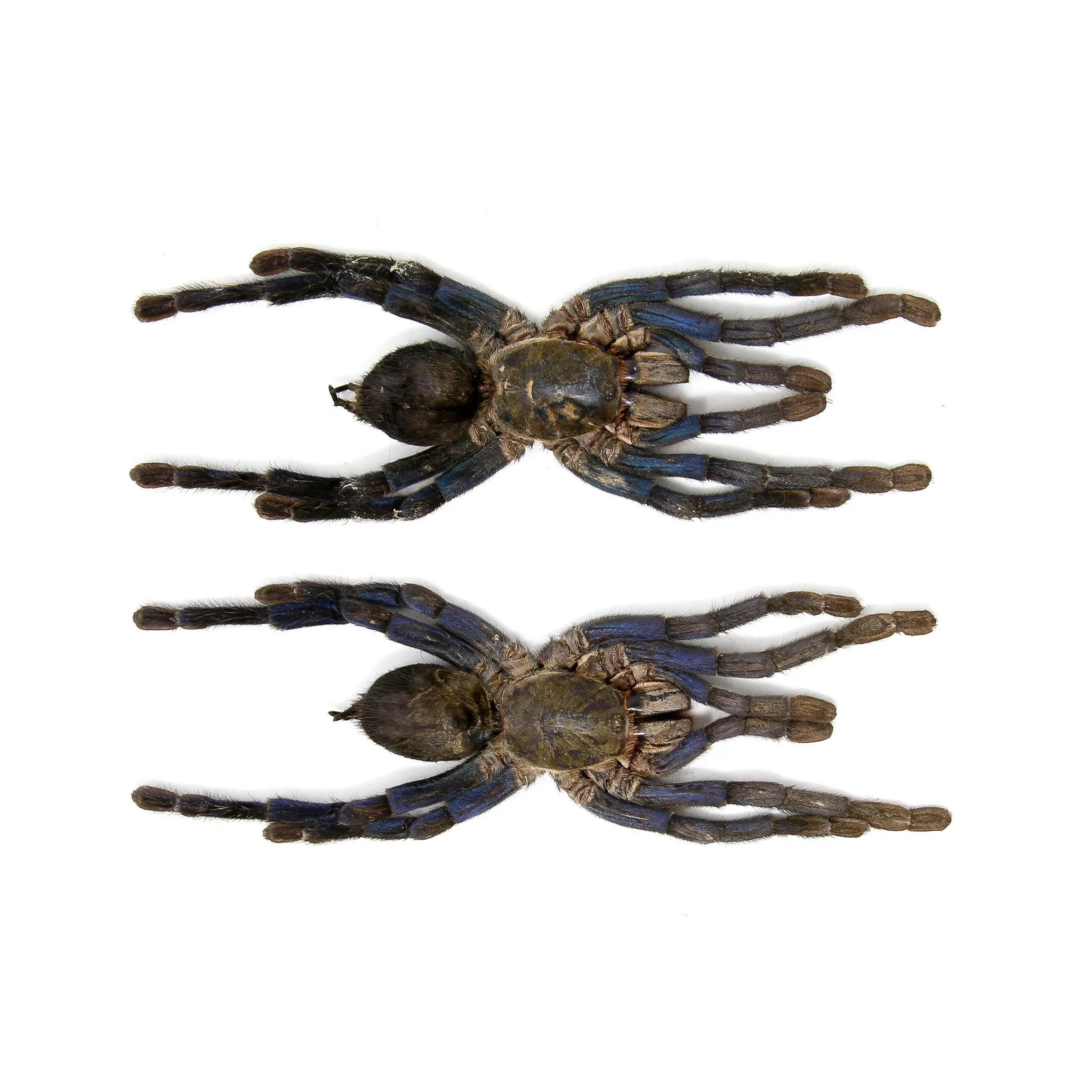
What is Cobalt Blue Tarantula Taxidermy?
Cobalt blue tarantula taxidermy is the art of preserving a cobalt blue tarantula, a species renowned for its vibrant blue coloration, after its passing. This process involves various techniques to ensure the spider’s physical structure and coloration are maintained for display and educational purposes. It is a specialized field that requires careful handling, specific materials, and a deep understanding of arachnid anatomy. The goal is to create a lifelike representation that can be appreciated for years to come, serving as a testament to the beauty and unique characteristics of this fascinating creature. It is a delicate process that aims to immortalize the spider in its original form.
Why Preserve a Cobalt Blue Tarantula?
There are several compelling reasons to consider preserving a cobalt blue tarantula through taxidermy. Firstly, it offers a lasting memorial to a beloved pet, allowing you to cherish the memory of your arachnid companion. Secondly, it provides an opportunity to study the intricate details of tarantula anatomy and appreciate their unique physical attributes. Preserving a tarantula can be a valuable educational tool, allowing people to learn about these creatures. Furthermore, a taxidermied cobalt blue tarantula can become a unique piece of art, a conversation starter, and a testament to the beauty of the natural world. Preserving a tarantula, especially one with such striking colors, is also a way to show respect for the life of the creature and a passion for the natural world.
Tools and Materials Needed

The tools and materials required for cobalt blue tarantula taxidermy are specific and designed to carefully preserve the spider. Essential tools include fine-tipped tweezers, small scissors or a scalpel, a soft brush, and pins for positioning. You’ll need preservation chemicals such as a fixative (e.g., formaldehyde or a suitable alternative) and a desiccant like borax or silica gel for drying. Additional materials include a display case or mounting base, glue, and potentially, materials to recreate the natural habitat for display. Proper ventilation and personal protective equipment, such as gloves and a respirator, are crucial when handling chemicals. A well-equipped workspace with ample lighting and a steady hand is also necessary to perform the delicate procedures required for successful taxidermy. It is crucial to have everything ready before beginning the process.
The Preparation Process
The preparation process is the first step towards a successful taxidermy project. It starts with obtaining the deceased tarantula and preparing it for preservation. Gently remove the tarantula from its enclosure and carefully examine the spider for any existing damage. Prior to preservation, it’s important to clean the body of the tarantula with a gentle brush, removing any debris or dirt. Once cleaned, the spider is usually placed in a fixative solution, such as formaldehyde, to halt the decay process and maintain the structure of the tarantula. This process may take several hours, depending on the size of the specimen. This careful preparation is critical for ensuring the best possible results during the subsequent stages of taxidermy, like drying and mounting. Remember to wear the appropriate safety equipment when working with chemical fixatives.
Cleaning and Posing the Tarantula
After preparation, meticulous cleaning and posing are crucial steps to ensure the final display is visually appealing. Carefully clean the tarantula’s surface using a soft brush and appropriate cleaning agents to remove any remaining debris or residue. The posing stage allows you to position the tarantula to showcase its natural form and unique characteristics. Use pins and needles to gently position the legs, pedipalps, and chelicerae, creating a lifelike appearance. This requires patience and a keen eye for detail to ensure the tarantula looks as natural as possible. Accurate posing is a key element of successful taxidermy. During this stage, you might consider the intended display, which could include recreating a natural habitat to further enhance the presentation.
Drying and Curing the Tarantula

Drying and curing are essential to stabilize the tarantula and prevent future decomposition. Once the tarantula is posed, it must be dried slowly. This process typically involves using a desiccant, such as borax or silica gel, to absorb moisture from the body. The tarantula is placed in a sealed container with the desiccant for several weeks or even months, depending on the size of the spider. The desiccant helps to prevent mold growth and maintain the shape and color of the specimen. Throughout the drying process, it is important to monitor the tarantula carefully to ensure that it retains its natural form. After drying, the tarantula is ready for the final stages of taxidermy, including mounting and display.
Mounting and Display
Mounting the tarantula involves securing the preserved specimen onto a suitable base or within a display case. The choice of mounting method depends on the desired presentation. The tarantula can be glued or pinned to a piece of wood, a custom-made base, or a diorama that recreates its natural habitat. If using a diorama, the surroundings and props can enhance the aesthetic appeal and provide context for the tarantula. The display case should protect the specimen from dust, moisture, and pests. Proper lighting, placement, and environmental control are essential to preserve the cobalt blue tarantula’s vibrant color and structural integrity. The final display should be both visually appealing and protective, allowing the preserved tarantula to be admired for many years.
Long-Term Care and Preservation of Cobalt Blue Tarantula Taxidermy
Long-term care and preservation are crucial to ensure the longevity of your cobalt blue tarantula taxidermy. Protect the specimen from direct sunlight to prevent fading of the colors. Regularly inspect the display for any signs of pests, mold, or damage. Clean the display case gently with a soft cloth and avoid using harsh chemicals. Maintaining a stable temperature and humidity level is essential for preventing environmental degradation. Consider periodically applying a protective coating, such as a museum-grade preservative, to help shield the specimen. By following these preservation guidelines, you can ensure that your preserved cobalt blue tarantula remains a beautiful and educational piece for generations to come. Consistent and careful maintenance is key to preserving the spider’s features.
Common Mistakes and How to Avoid Them
Common mistakes can compromise the quality of your taxidermy project. One prevalent error is improper preparation, such as insufficient cleaning or inadequate fixation, leading to decay. Another common error is incorrect posing, which can result in an unnatural appearance. Using inferior materials, such as unsuitable adhesives or incorrect drying agents, also leads to poor results. To avoid these pitfalls, thorough research, careful planning, and meticulous execution are essential. Always use the right tools and materials, follow each step carefully, and take your time. Seek guidance from experienced taxidermists and study tutorials to improve your technique. By taking these precautions and being patient, you can minimize mistakes and create a beautiful and well-preserved specimen of your cobalt blue tarantula.
Conclusion
Cobalt blue tarantula taxidermy is a fascinating and rewarding process that allows you to preserve the beauty and uniqueness of this striking species. This ultimate guide provided a comprehensive overview of the process, from preparation to display. Whether it’s a memorial to a beloved pet, an educational piece, or a unique work of art, the creation of taxidermied cobalt blue tarantulas requires careful attention to detail and a deep appreciation for these creatures. By following these guidelines and tips, you can successfully undertake this rewarding art form and create a lasting tribute to the cobalt blue tarantula. Proper care, patience, and attention to detail are crucial to achieving a beautiful, long-lasting result. Happy taxidermying!