Cobalt Blue Tarantula Care Guide: Top 5 Tips
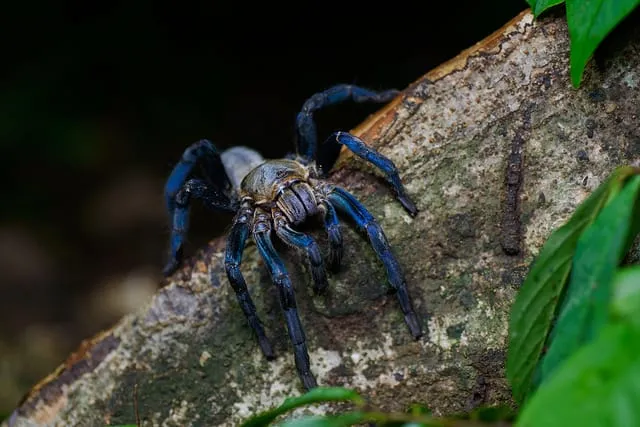
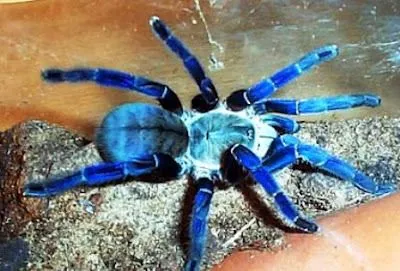
The Cobalt Blue Tarantula (Cyaneopubescens) is a striking and sought-after species in the tarantula hobby, known for its vibrant blue coloration. However, their beauty is matched by specific care requirements that ensure their health and longevity. This guide provides the top 5 essential tips for successfully caring for a Cobalt Blue Tarantula, allowing both novice and experienced keepers to provide the best possible environment for their fascinating pet. Proper care not only enhances the lifespan of your tarantula but also allows you to observe its interesting behaviors and enjoy the experience of keeping this stunning arachnid.
Tip 1 Provide the Right Habitat
Creating a suitable habitat is the cornerstone of Cobalt Blue Tarantula care. These tarantulas are fossorial, meaning they prefer to burrow. Therefore, the enclosure should be designed to accommodate this natural behavior while providing a secure and comfortable environment. The right habitat ensures your tarantula feels safe and secure, which minimizes stress and promotes overall well-being. A well-prepared habitat is also easier to maintain, making the long-term care process more manageable.
Enclosure Size

The enclosure size is crucial. While Cobalt Blues are not particularly large tarantulas, they still require ample space to burrow and move around. A good rule of thumb is to provide an enclosure that is at least three times the tarantula’s leg span in width and length, with enough height for the substrate. For an adult, a terrarium of 10-gallon size is generally sufficient, while juveniles will do well in smaller enclosures. The enclosure should also have secure ventilation to prevent the buildup of moisture and to allow for proper air circulation. The enclosure should be escape-proof, as these tarantulas are fast and can be surprisingly adept at escaping if given the opportunity.
Substrate Selection
Choosing the right substrate is critical for both burrowing and maintaining the correct humidity levels. The best substrate for Cobalt Blue Tarantulas is a mixture that holds moisture well and allows for easy burrowing. A blend of coco fiber, peat moss, and a bit of vermiculite is ideal. The substrate should be deep enough—at least 6-8 inches—to allow the tarantula to create a burrow. Avoid substrates that can compact easily or become dusty, as these can be harmful to the tarantula’s respiratory system. Regularly monitor the substrate for moisture and replace it as needed to prevent mold or bacterial growth. Remember to provide a water dish.
Tip 2 Maintain Optimal Temperature and Humidity
Temperature and humidity are two of the most critical environmental factors in Cobalt Blue Tarantula care. These tarantulas thrive in specific conditions, and deviations from these parameters can lead to health problems or even death. Monitoring these factors regularly ensures that your tarantula remains comfortable and healthy. Proper temperature and humidity levels are also essential for successful molting, which is vital for the tarantula’s growth and development. Investing in a reliable thermometer and hygrometer is a must for any Cobalt Blue keeper.
Temperature Requirements
Cobalt Blue Tarantulas prefer temperatures between 75°F and 85°F (24°C - 29°C). While they can tolerate slight variations, it is best to maintain a consistent temperature range to prevent stress. Heating pads can be used, but should be placed on the side of the enclosure rather than directly under the substrate, to prevent overheating. Avoid placing the enclosure in direct sunlight or near a heat source, as this can lead to dangerous temperature fluctuations. Ensure the enclosure’s temperature is consistent throughout the day and night, as sudden changes can harm the tarantula.
Humidity Levels
Maintaining the correct humidity is just as important as temperature. Cobalt Blue Tarantulas require a humidity level of 65% to 75%. You can achieve this by misting the enclosure with dechlorinated water a couple of times a week, ensuring the substrate remains slightly moist but not waterlogged. Good ventilation is critical to prevent mold and fungus growth. Monitor the humidity using a hygrometer and adjust misting frequency as needed. The humidity levels are critical for facilitating the molting process and maintaining the overall health of your tarantula. Too little humidity can lead to molting problems, while too much can promote bacterial growth.
Tip 3 Feeding Your Cobalt Blue Tarantula
Proper feeding practices are crucial for the health and growth of your Cobalt Blue Tarantula. Feeding provides the necessary nutrients and energy for your pet to thrive. A well-fed tarantula is also less likely to display aggressive behaviors, such as biting. The type of food offered and the frequency of feeding depend on the age and size of the tarantula. Always make sure to remove any uneaten food items from the enclosure to prevent the growth of mold or mites. A balanced diet will ensure optimal growth and vibrant coloration of your Cobalt Blue Tarantula.
Appropriate Food Items

Cobalt Blue Tarantulas are insectivores and primarily eat live insects. Appropriate food items include crickets, dubia roaches, mealworms, and other commercially available feeder insects. The size of the food should be appropriate for the size of your tarantula; juveniles require smaller prey, while adults can handle larger insects. Always make sure that the insects you offer are gut-loaded, which means they have been fed a nutritious diet themselves. This ensures that your tarantula receives the maximum nutritional value. Avoid feeding wild-caught insects, as they may carry parasites or pesticides.
Feeding Frequency
The feeding frequency depends on the tarantula’s age. Spiderlings and juveniles should be fed 2-3 times a week, while adults can be fed once or twice a week. Observe your tarantula’s abdomen to gauge its feeding needs. A healthy tarantula will have a plump abdomen, while a thin one indicates it needs to be fed more frequently. If your tarantula refuses food, it may be in premolt, so do not force it to eat. Remove uneaten food within 24 hours to prevent stress. Avoid overfeeding, as this can lead to health problems, such as obesity, and potentially interfere with the molting process.
Tip 4 Handling and Safety Precautions
Handling Cobalt Blue Tarantulas is not recommended, as they can be defensive and have a painful bite. However, there are safety precautions that should always be taken when interacting with them, such as during enclosure maintenance or health checks. Understanding the potential risks and taking the proper steps ensures that both you and your tarantula remain safe. This not only minimizes the risk of injury but also reduces stress for the tarantula. Always prioritize the tarantula’s well-being and your own safety when interacting with these fascinating creatures.
Handling Guidelines

Handling Cobalt Blue Tarantulas should be avoided unless absolutely necessary, such as for health checks or to relocate the tarantula to a different enclosure. These tarantulas are known to be skittish and can bite if they feel threatened. If handling is necessary, do so with extreme caution and consider wearing gloves. Approach the tarantula calmly and gently encourage it to move using a soft brush or by gently nudging it. Never make sudden movements or grab the tarantula, as this can startle it. Always handle over a soft surface, in case the tarantula falls.
Safety Measures
Always prioritize safety when interacting with your Cobalt Blue Tarantula. Wear gloves and eye protection when cleaning the enclosure or handling the tarantula. Wash your hands thoroughly before and after handling. Be aware of the tarantula’s posture and behavior, as they can provide clues about its mood. If the tarantula raises its front legs or flicks hairs, it may be a sign of aggression. Keep children and other pets away from the enclosure. In the event of a bite, clean the wound thoroughly and seek medical attention if necessary, as the bite can cause pain and swelling. Store any cleaning supplies out of reach of both children and pets.
Tip 5 Regular Enclosure Maintenance
Regular enclosure maintenance is essential for maintaining a healthy environment for your Cobalt Blue Tarantula. This includes cleaning the enclosure, providing fresh water, and removing any uneaten food or waste. Proper maintenance prevents the buildup of harmful bacteria, mold, and ammonia, which can lead to respiratory infections and other health problems. A clean enclosure also makes it easier to observe your tarantula and monitor its behavior, helping you to detect any potential health issues early on. Routine cleaning and maintenance are essential for the well-being of your tarantula and make for a more pleasant experience for you.
Cleaning the Enclosure
The enclosure should be spot-cleaned weekly to remove any uneaten food, shed exoskeletons, and fecal matter. A full enclosure cleaning should be performed every few months, or as needed. When cleaning, carefully remove the tarantula to a secure temporary container. Discard the old substrate and clean the enclosure thoroughly with warm water and a mild, pet-safe disinfectant. Rinse the enclosure thoroughly to remove any traces of the disinfectant. Allow the enclosure to dry completely before adding fresh substrate. Always wear gloves and wash your hands thoroughly after cleaning.
Watering and Hydration
Cobalt Blue Tarantulas need a constant supply of fresh, clean water. Provide a shallow water dish that is easily accessible. Refill the water dish daily and clean it regularly to prevent the growth of algae or bacteria. In addition to the water dish, mist the enclosure periodically to maintain the correct humidity levels. During molting, the tarantula will require even higher humidity levels to facilitate the process. Be sure to monitor the substrate to ensure it remains slightly moist but not waterlogged. Proper hydration is essential for their health, molting, and overall well-being, so make sure to provide fresh water always.