Chilean Beauty Tarantula: 5 Fascinating Facts
The Chilean Beauty Tarantula, also known as the Rose Hair Tarantula, is a popular choice for beginner tarantula keepers due to its docile temperament and relatively low maintenance needs. Originating from the arid and semi-arid regions of Chile, Argentina, and Bolivia, these fascinating creatures have captivated the interest of many. Their striking appearance, coupled with their manageable care requirements, makes them a wonderful addition to any home. This guide will explore five amazing facts about this captivating species, providing you with insights into their lives and behavior.
Appearance and Characteristics
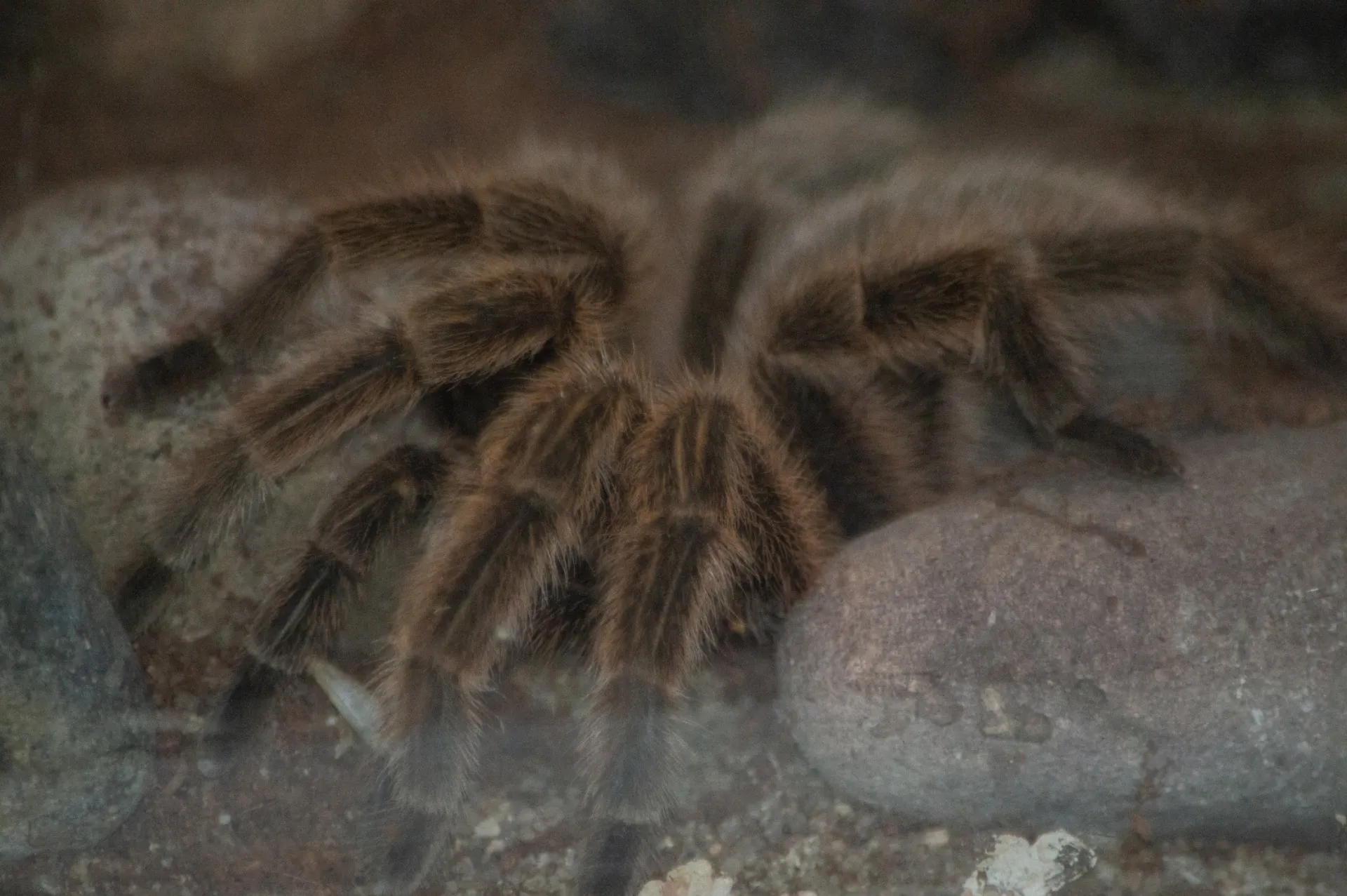
Chilean Beauty Tarantulas are known for their beautiful and understated appearance. Their bodies are covered in short, dense hairs, giving them a velvety texture. The combination of these attributes contributes to their overall charm and makes them quite visually appealing. In addition to their physical attributes, it is important to note that the appearance of a Chilean Beauty Tarantula can vary slightly depending on its age, sex, and overall health. This variation in appearance can add to the intrigue and appeal of these creatures.
Coloration and Markings

Their coloration typically ranges from shades of brown to bronze, with some individuals exhibiting a pinkish or reddish hue on their carapace and legs. The hairs on their abdomen can be a lighter shade, often a rose color, which is how they earned the name “Rose Hair.” The overall color can change slightly depending on the humidity and the tarantula’s mood. The Chilean Beauty Tarantula’s subtle yet elegant appearance is one of the reasons they are so admired.
Size and Lifespan
These tarantulas are considered medium-sized, with females generally larger than males. Adult females can reach a leg span of up to 5-6 inches, while males tend to be slightly smaller. In terms of lifespan, Chilean Beauty Tarantulas are known for their longevity. Females can live for an impressive 15 to 20 years, while males typically live for 5 to 10 years. This long lifespan means that owning a Chilean Beauty Tarantula is a long-term commitment. This is a critical factor to take into account when considering getting one.
Habitat and Native Environment
Geographic Origins

As their name suggests, Chilean Beauty Tarantulas are native to Chile, as well as parts of Argentina and Bolivia. Their natural habitat consists of arid and semi-arid regions, including grasslands, scrublands, and deserts. They have adapted to these environments, where they spend their days hidden in burrows or under rocks, emerging at night to hunt for food.
Preferred Environment
In the wild, Chilean Beauty Tarantulas prefer warm, dry environments. They create burrows or find shelter under rocks and vegetation to protect themselves from the harsh climate. Providing a similar environment in captivity is crucial for their well-being. This includes a substrate that allows them to burrow, appropriate temperature and humidity levels, and hiding places that mimic their natural habitat.
Temperament and Behavior
Handling and Interaction

Chilean Beauty Tarantulas are known for their relatively docile temperament, making them a popular choice for beginners. However, it is essential to handle them with care and respect. While they are generally not aggressive, they may bite if they feel threatened. It is best to avoid handling them unless necessary and to always supervise children around them. Observe their body language and recognize signs of stress, such as raising their front legs or flicking hairs from their abdomen.
Defensive Mechanisms
Like other tarantulas, the Chilean Beauty has a few defensive mechanisms. When threatened, they may flick urticating hairs from their abdomen, which can cause skin irritation. They also possess fangs and can bite, though their venom is not considered medically significant to humans. Understanding these behaviors is important for responsible tarantula ownership. They are best left undisturbed, and should be treated with respect.
Diet and Feeding Habits
Nutritional Needs

Chilean Beauty Tarantulas are insectivores, meaning their diet consists primarily of insects. In the wild, they feed on a variety of insects, including crickets, grasshoppers, and other invertebrates. In captivity, they can be fed a similar diet of commercially available insects. Providing a balanced diet ensures that your tarantula receives the necessary nutrients for optimal health and growth.
Feeding Frequency
The feeding frequency for a Chilean Beauty Tarantula depends on its age and size. Younger tarantulas require more frequent feedings, while adults can be fed less often. Generally, juveniles should be fed 2-3 times per week, while adults can be fed once or twice a week. Always remove any uneaten food to prevent mold and mites from developing in the enclosure. It is important to monitor their abdomen; if it’s full, you may reduce the amount of food you give them.
Lifespan and Care
Lifespan and Growth

As mentioned earlier, female Chilean Beauty Tarantulas can live for 15-20 years, while males have a shorter lifespan of 5-10 years. They grow through molting, a process where they shed their exoskeleton to grow larger. The frequency of molting decreases as they mature. The timing of molting is variable, but generally, juvenile tarantulas molt more frequently than adults. Their longevity is an impressive trait.
Grooming and Maintenance
Caring for a Chilean Beauty Tarantula involves maintaining the proper environment, including temperature, humidity, and substrate. The enclosure should be kept at a temperature between 75-85°F and a humidity level of 60-70%. The substrate should be dry and deep enough for burrowing. Regular cleaning of the enclosure and removing any uneaten food is essential for preventing health problems. Make sure to provide a water dish, and keep it full.
The Chilean Beauty Tarantula is a captivating creature. With their manageable care needs and fascinating behaviors, they continue to be a favorite for beginners. Knowing these five facts will help you better understand and appreciate these incredible animals. Providing the right environment and care will ensure that your tarantula thrives. Remember that responsible pet ownership includes research and commitment.