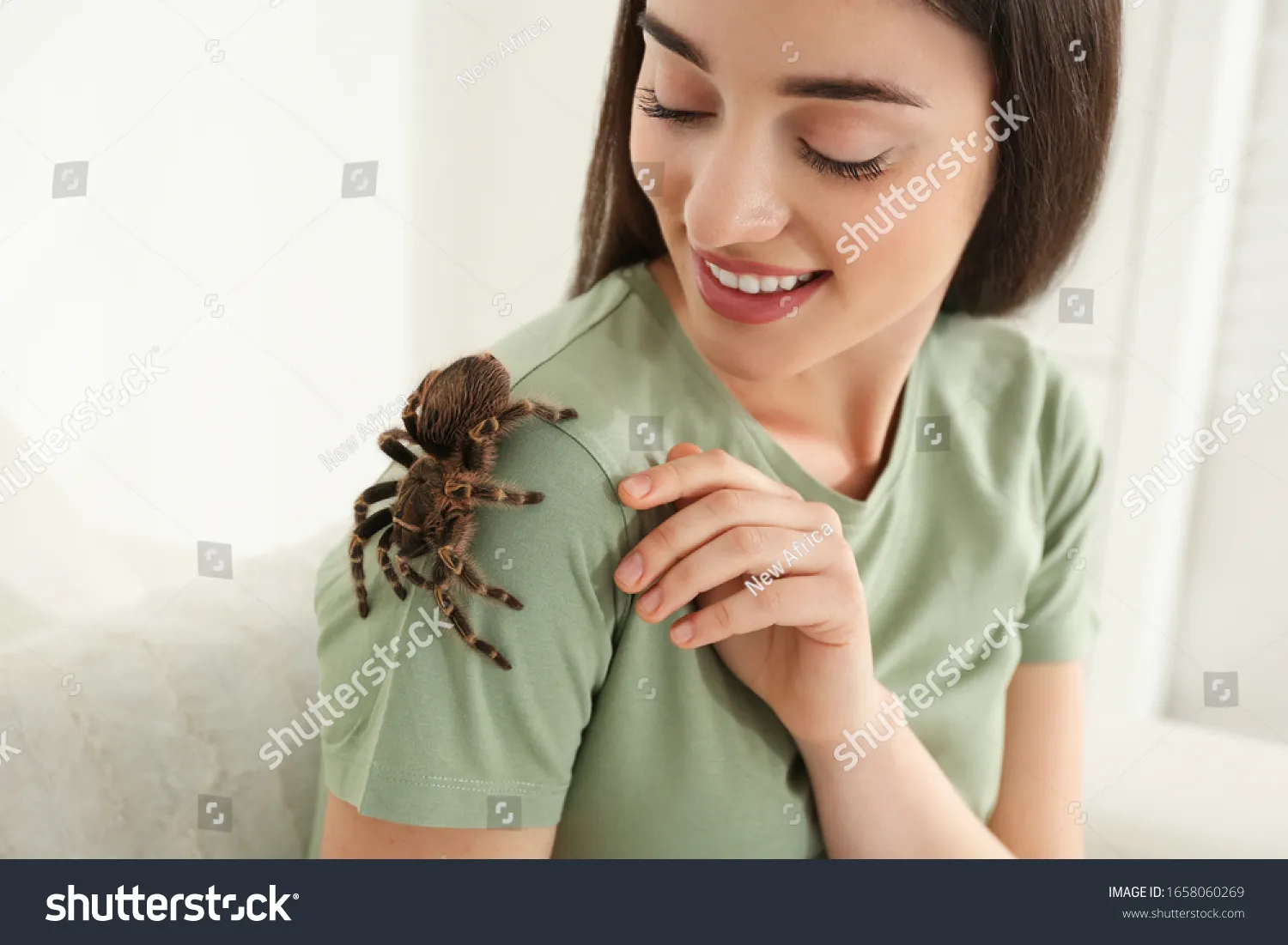
Understanding Tarantulas Before Holding
Before you even consider the question of ‘Can I hold a tarantula?’, it’s crucial to understand these fascinating creatures. Tarantulas are not like the furry, cuddly pets many people are accustomed to. They are fragile, and their well-being depends on a delicate balance of factors. Understanding a tarantula’s natural behaviors, their defense mechanisms, and their physical limitations is the first step towards responsible handling. Tarantulas are generally solitary creatures, and they are easily stressed. Holding a tarantula should never be done without thorough preparation and a deep respect for their needs. A stressed tarantula might display defensive behaviors, such as flicking urticating hairs or attempting to bite. Knowledge of tarantula behavior is paramount to ensure a safe and positive experience for both you and the spider. This initial research is not just academic; it’s about forming a connection of understanding before physical contact is considered.
Tarantula Species and Temperament
Not all tarantulas are created equal, and their temperament varies greatly between species. Some tarantula species are known for their docile nature, making them relatively easier to handle, while others are highly defensive and should only be observed. Researching the specific species you intend to interact with is critical. Some beginner-friendly species often recommended include the Chilean rose tarantula and the Pinktoe tarantula. However, even these species can react defensively if they feel threatened. On the other hand, some Old World tarantulas, such as the African baboon tarantula, are known for their aggressive tendencies and should generally not be handled, especially by those without extensive experience. Understanding the origin, habitat, and natural behavior of each species is the key. Proper species identification is therefore an essential first step before holding. Improper handling of more aggressive species can easily lead to bites and the release of urticating hairs, which can cause skin irritation.
Considerations for Different Species

When considering holding any tarantula, the size and age of the spider are important factors. Smaller or juvenile tarantulas are more fragile and may be more prone to injury during handling. Larger, adult tarantulas present different risks, such as stronger bites or the potential for greater damage if they fall. Always evaluate the individual spider, not just the species. Some individuals within a species may be more skittish or prone to defensive behavior. Moreover, consider the spider’s molting cycle. Tarantulas are particularly vulnerable during and after molting, so it is generally best to avoid handling during this period. This careful approach will minimize stress and ensure the tarantula’s well-being. A comprehensive understanding of your specific spider’s personality and condition is absolutely necessary before handling it.
Necessary Equipment & Preparations
Before even considering picking up a tarantula, you must have the right equipment and prepare the environment. You’ll need a suitable container, preferably a clear one, to house the spider if it needs to be temporarily moved. Long, non-reflective tweezers are handy for gently moving the spider. Have a soft, clean surface like a padded table or a thick towel nearby in case the tarantula falls. This will minimize the risk of injury. Also, have a first-aid kit handy for any potential incidents, and thoroughly clean and disinfect the area where you plan to handle the tarantula, ensuring a sterile environment to prevent any infections. Preparing the environment means ensuring a safe, uncluttered area free from hazards where the tarantula can be handled without risk of escape or injury. Make sure the room is quiet and free of sudden movements or loud noises, as tarantulas are easily startled. This meticulous approach underscores the responsibility that comes with handling a potentially vulnerable creature.
Preparing the Environment for Handling
The environment in which you handle a tarantula is as important as the tarantula itself. Select a well-lit room with minimal distractions and obstructions. Avoid handling the tarantula near windows or open doors, as they could lead to a potential escape. Clear the area of any objects that could injure the spider if it falls, such as sharp corners or hard surfaces. The surface where you handle the tarantula should be soft and provide some grip. A table covered with a clean towel or a soft mat will do the trick. Consider the temperature and humidity of the room, as extreme conditions can stress the tarantula. Ensure the temperature is within the appropriate range for the tarantula species you are handling. If you have other pets, ensure they are safely secured away from the handling area. Take it slow and make sure everything is ready before you take the spider from its enclosure. Preparing the environment creates a safe and calm space, which will help ensure a smooth handling experience.
How to Safely Hold a Tarantula

If you’ve done your research, prepared the environment, and are confident in your abilities, you can proceed to handle the tarantula. Approach the tarantula calmly and slowly. Avoid sudden movements or loud noises. Gently coax the tarantula onto your hand, if it is willing. Never grab or force the tarantula. Use a gentle approach and let the tarantula move at its own pace. Once the tarantula is on your hand, keep your movements slow and steady. Avoid sudden drops or high reaches. Always keep your hands close to a soft surface, like a table, to minimize the risk of injury if the tarantula falls. Be aware of the spider’s position and body language at all times, and if it shows signs of stress, such as raising its front legs or flicking hairs, gently return it to its enclosure. If the tarantula is walking on your hand, ensure that it is able to grip properly on your skin; do not hold your hand flat.
Step-by-Step Handling Technique
Start by gently encouraging the tarantula to walk onto your open palm. Use the other hand to gently guide the spider if it is hesitant. Never try to pick the tarantula up or force it to move. Allow the tarantula to walk on your hand at its own pace. Once the tarantula is on your hand, avoid sudden movements or jerky motions. Keep your hand steady and close to a soft surface, such as a table, to prevent injury in case of a fall. If the tarantula starts to move towards the edge of your hand, gently guide it back toward the center. If it appears stressed or agitated, slowly return it to its enclosure. When returning the tarantula to its enclosure, place your hand near the entrance and let the spider walk off on its own. Never drop or force the tarantula back in. Throughout the entire process, maintain a calm and respectful demeanor to minimize stress on the tarantula.
Minimizing Risks & Potential Hazards
While holding a tarantula, it is important to be aware of and prepared for potential hazards. One of the primary risks is a bite. Though tarantula bites are rarely life-threatening to humans, they can be painful and cause localized symptoms. Another risk is the release of urticating hairs, which can cause significant skin irritation, especially if they come in contact with the eyes or are inhaled. Minimize these risks by understanding the tarantula’s behavior and being prepared to react appropriately. Keep your hands away from the tarantula’s fangs, and never provoke the spider. Should the tarantula fall, stay calm and gently guide it back to its enclosure. If you get bitten or experience skin irritation from urticating hairs, seek medical advice and wash the affected area thoroughly. Avoid handling tarantulas when you are feeling unwell or stressed, as your state can influence the spider’s behavior.
Recognizing Stress Signals in Tarantulas

Learning to read a tarantula’s body language is essential for safe handling. Tarantulas communicate their stress or discomfort through various behaviors. One common sign of stress is the tarantula raising its front legs, often in a defensive posture. Another sign is the flicking of urticating hairs from the abdomen, which can cause skin irritation. A stressed tarantula may also move erratically, try to escape, or adopt a tense posture. If you observe any of these signs, immediately stop handling the tarantula and gently return it to its enclosure. Watch for any signs of agitation. The tarantula may also hiss or make other sounds, depending on the species. Understanding these signals is crucial, as ignoring them can lead to injury or stress for both you and the tarantula. Always prioritize the spider’s well-being and respect its boundaries.
Post-Handling Care and Observation
After handling your tarantula, it’s important to provide it with proper post-handling care. Gently return the tarantula to its enclosure and observe its behavior for a while. Ensure it is behaving normally and has no visible injuries. Check the enclosure to ensure that the environment is optimal for the tarantula. Provide fresh water and consider offering a meal if it appears receptive. Handle the tarantula less frequently immediately after handling to allow it to recover from any potential stress. Monitor the tarantula’s behavior, including its feeding habits and activity levels. The spider should return to its normal routine within a few hours. This post-handling observation is as important as the handling itself and ensures the tarantula’s health and well-being.
Cleaning and Sanitizing After Handling
Cleaning and sanitizing after handling a tarantula is a crucial part of the process. First, wash your hands thoroughly with soap and water. This helps to remove any potential irritants, such as urticating hairs, and prevents the transfer of any substances to your eyes or other sensitive areas. Sanitize any equipment used during handling, such as tweezers or containers. Use a suitable disinfectant to eliminate any potential pathogens. Clean the surface where you handled the tarantula to remove any potential residue. This helps to maintain a clean and healthy environment. Remember, tarantulas, like all animals, can carry bacteria or parasites. The cleaning protocols prevent cross-contamination and protect both you and the spider.
Other Safety Precautions

Always supervise children and inexperienced handlers when they are around tarantulas. Never handle a tarantula if you are under the influence of drugs or alcohol, as this will impair your judgment and coordination. Be cautious about allergies. If you are allergic to insect bites or have sensitive skin, consult a doctor before handling a tarantula. Moreover, never handle a tarantula outdoors. Exposure to natural elements, such as sunlight or extreme temperatures, can be harmful. Ensure the enclosure is secure at all times to prevent escapes. Finally, respect the tarantula’s natural instincts. It is important to avoid handling the tarantula if it is about to molt or has just molted, as it will be extremely vulnerable. Following these safety precautions ensures your safety and the tarantula’s well-being.
Debunking Myths About Tarantulas
Many myths and misconceptions surround tarantulas, often leading to fear and misunderstanding. It’s important to debunk these myths to promote a more accurate understanding of these fascinating creatures. A common misconception is that all tarantulas are highly aggressive and prone to biting. While some species are more defensive than others, many tarantulas are docile and prefer to avoid confrontation. The fear that tarantula bites are deadly is also largely unfounded. While the bite of some tarantulas can cause pain, it’s rarely life-threatening. Another common myth is that tarantulas are dirty or carry diseases. In reality, tarantulas are meticulous groomers and don’t pose significant health risks if handled properly. Challenging these myths fosters a more respectful and informed perspective on tarantulas.
Common Misconceptions
Common misconceptions can impact the way people perceive tarantulas. Many people believe that tarantulas are always venomous. While tarantulas have venom, most species’ venom is not significantly harmful to humans. Another widespread misconception is that tarantulas are constantly hungry and need to be fed daily. Tarantulas have slow metabolisms and can go for weeks or even months without food. Also, the belief that all tarantulas are hairy and unpleasant is a common misconception. While many tarantulas have hairs, they are an important part of their sensory system and not necessarily a sign of danger. Addressing these common misconceptions helps people understand tarantulas better and approach them with more respect.
Benefits of Responsible Tarantula Handling

Responsible tarantula handling can offer several benefits. It can strengthen the bond between the owner and the pet by promoting trust and understanding. It also offers an opportunity to appreciate the beauty and complexity of these animals, which can be a source of fascination and personal growth. Handling tarantulas responsibly also allows owners to observe their pets more closely, which can improve the ability to identify any health issues or behavioral changes. It also promotes a deeper respect for the natural world. Handling tarantulas responsibly helps create a positive experience for both the spider and the handler. When done correctly, it minimizes stress and enhances the overall well-being of the tarantula.