What are Calci Worms for Tarantulas?
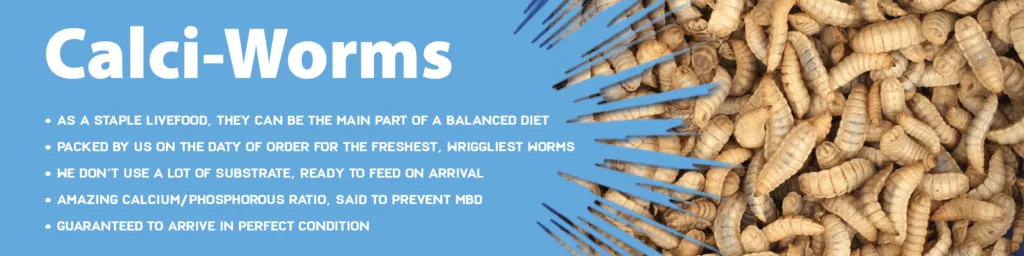
Calci worms, also known as black soldier fly larvae, are an increasingly popular food source for tarantulas among other exotic pets. They are the larval stage of the black soldier fly, Hermetia illucens. These worms are not only a nutritious meal but also a convenient option for tarantula keepers. Unlike some other feeder insects, calci worms are relatively easy to handle, store, and feed to your pet tarantula. They are often preferred for their high nutritional content and ease of digestion, making them an excellent addition to a tarantula’s diet. Their ability to thrive on various organic waste materials also makes them an environmentally friendly option, contributing to their appeal among responsible pet owners. The size of the calci worms also varies, which can be chosen depending on the tarantula’s size. Therefore, calci worms are a great choice for feeding your tarantula and are also readily available at most pet stores.
Nutritional Benefits of Calci Worms for Tarantulas
One of the primary reasons why calci worms are a preferred food source for tarantulas is their impressive nutritional profile. They offer a balanced mix of nutrients essential for the tarantula’s health, growth, and overall well-being. Understanding these nutritional advantages can help you appreciate why calci worms are a great choice for your pet. Providing a diet rich in these nutrients ensures that your tarantula thrives and remains healthy. These benefits also extend to easier molting, which is essential for tarantula growth. This can mean a longer, healthier life for your pet.
High Calcium Content

Calci worms stand out because of their high calcium content, which is critical for tarantula health. Calcium is essential for the formation and maintenance of the exoskeleton, which protects the tarantula’s body. Without sufficient calcium, tarantulas can experience problems during molting, leading to deformities or even death. The high calcium to phosphorus ratio in calci worms means that the calcium is absorbed more efficiently. This makes calci worms a superior choice over other feeder insects that might have an imbalanced ratio, which leads to calcium deficiencies. Supplementing with calcium powders is often unnecessary when calci worms are a regular part of the diet, simplifying the feeding process and reducing the risk of over-supplementation.
Rich in Protein
Protein is another key nutrient that calci worms provide abundantly. Protein is the building block of cells and tissues and is crucial for growth, repair, and overall body function. Tarantulas, as they grow and molt, require a constant supply of protein to develop their new exoskeletons and replace old tissues. The protein in calci worms is easily digestible, which means that tarantulas can effectively absorb and utilize the nutrients. This efficient absorption helps in faster growth and better health, ensuring that your tarantula reaches its full potential. A diet rich in protein contributes to the development of strong muscles and a robust immune system, making your tarantula more resilient to diseases and infections.
Easy to Digest
Calci worms have a soft body, which makes them easy for tarantulas to digest. This is particularly beneficial for young or newly molted tarantulas, which may have difficulty processing tougher foods. The ease of digestion reduces the risk of digestive issues, such as constipation or impaction, which can be serious problems for tarantulas. Furthermore, the readily digestible nature of calci worms means that your tarantula can quickly absorb nutrients, providing them with the energy they need to stay active and healthy. The high digestibility of calci worms is one of their key advantages, ensuring that your tarantula receives the maximum nutritional benefit from each meal, making it a preferred food source for tarantulas of all ages.
How to Feed Calci Worms to Your Tarantula

Feeding your tarantula calci worms is a straightforward process, but a few considerations can help you ensure that your tarantula gets the maximum benefit from this nutritious food source. This includes the preparation of the worms, the frequency and amount of feeding, and maintaining the proper environment within the tarantula’s enclosure. When done correctly, this practice not only supports the tarantula’s health but also enhances its quality of life. By understanding these steps, you can provide an ideal feeding experience and support your pet tarantula’s well-being.
Preparing Calci Worms
Before feeding, it is essential to ensure that the calci worms are healthy and properly handled. Always source your calci worms from a reputable supplier to ensure that they are free from diseases or parasites. Inspect the worms for any signs of illness or stress, such as sluggishness or discoloration. The worms should be alive and active before feeding. There is usually no preparation needed; however, you can dust the worms with a calcium and vitamin supplement before feeding, though this is often unnecessary, given the worms’ natural nutritional profile. Avoid handling the worms excessively, as this can stress them. Use clean tongs or a small container to transfer them to the tarantula’s enclosure. This careful preparation is crucial for the safety and health of your tarantula.
Feeding Frequency and Amount
The feeding frequency and amount will depend on your tarantula’s age, species, and size. As a general guideline, juvenile tarantulas should be fed more frequently (every other day) than adults (once or twice a week). Observe your tarantula’s feeding behavior; a healthy tarantula will readily eat the calci worms. Start with a few worms, and adjust the amount based on whether your tarantula eats them all or leaves some uneaten. Remove any uneaten worms within 24 hours to prevent them from burrowing or causing distress to your tarantula. Overfeeding can lead to obesity, which can be detrimental to your tarantula’s health. Always monitor your tarantula’s abdomen size; it should be slightly rounded after feeding but not excessively plump.
Proper Enclosure Setup

The enclosure setup significantly affects the overall well-being of your tarantula and the feeding process. Ensure that the enclosure has appropriate ventilation to prevent the build-up of humidity, which can encourage the growth of mold or bacteria. Provide a substrate suitable for burrowing and maintaining humidity levels; the substrate should be deep enough to allow the tarantula to hide and feel secure. Temperature and humidity levels are also important. Most tarantulas thrive in temperatures between 75°F and 85°F (24°C and 29°C) and humidity levels ranging from 60% to 80%. Make sure to include a water dish with fresh water. A well-maintained enclosure reduces the risk of health issues and promotes the tarantula’s overall well-being.
Health Benefits of Calci Worms
Feeding your tarantula calci worms provides numerous health benefits that contribute to its longevity and vitality. These benefits include the facilitation of healthy molting, enhanced growth rates, and an overall improvement in the tarantula’s general health. The comprehensive nutritional content of the calci worms contributes directly to these favorable outcomes. It also plays a crucial role in ensuring your tarantula leads a long and healthy life.
Improved Molting Process
The high calcium content in calci worms is particularly beneficial for tarantulas during molting, the process by which they shed their exoskeletons to grow. Adequate calcium helps tarantulas form a strong, healthy new exoskeleton. This process becomes less stressful and more efficient. Without sufficient calcium, the molting process can be difficult, and the tarantula may struggle to shed its old skin, which can lead to deformities or even death. The readily available calcium from calci worms significantly reduces the risk of these issues. This also supports the overall health and longevity of your tarantula.
Increased Growth Rate

The balanced nutrition provided by calci worms supports a healthy growth rate in tarantulas, especially during their juvenile stages. The rich protein content contributes to the development of strong muscles and overall body mass. Combined with the easy digestibility of calci worms, the nutrients are efficiently absorbed, leading to rapid growth. Calci worms provide the building blocks that young tarantulas require to develop. This contributes to their overall health and size. Therefore, calci worms can be very beneficial in assisting tarantulas to reach their adult size.
Common Problems and Solutions
Even with the benefits of calci worms, keepers may encounter some issues. Understanding these common problems and how to address them can help ensure that your tarantula remains healthy and happy. Common issues include tarantulas not eating the worms, problems with storage and handling, and the need to consider alternative food sources. Resolving these issues promptly can help you keep your tarantula healthy and happy, ensuring its well-being.
Calci Worms Not Being Eaten
Sometimes, tarantulas may refuse to eat calci worms, and several factors can contribute to this behavior. One common reason is that the tarantula may not be hungry, especially if it has recently eaten. Another factor is the tarantula could be getting ready to molt, and their appetite may decrease before molting. Ensure the enclosure’s temperature and humidity levels are correct. A stressed tarantula might also refuse to eat. Check for any signs of illness or stress. If the tarantula persists in not eating, you may need to try offering a different food source to stimulate its appetite.
Storage and Handling

Proper storage and handling of calci worms are essential to maintaining their nutritional value and preventing health problems. Calci worms should be stored in a well-ventilated container at temperatures between 50°F and 70°F (10°C and 21°C). Too much heat or cold can kill the worms. Regularly check the worms for dead ones and remove them to prevent contamination. When handling, use clean tongs or a small container to transfer the worms, which will minimize stress. Always wash your hands thoroughly after handling the worms to prevent the spread of bacteria. These careful practices will ensure the health and longevity of the worms and protect your tarantula.
Alternative Foods and Supplements
While calci worms are an excellent food source, it’s useful to consider alternative foods and supplements to ensure your tarantula receives a balanced diet. There are other insect options, like crickets, mealworms, and dubia roaches. These alternatives can provide variety in nutrients and texture, which stimulates interest in feeding. It is also possible to use supplements. Though usually not necessary with calci worms, in some cases, a calcium and vitamin supplement can be beneficial. Variety and balance are key to ensuring that your tarantula receives all the necessary nutrients for a healthy life. Therefore, offering a varied diet and considering the use of supplements can contribute to the long-term health of your tarantula.
Why Choose Calci Worms?
Calci worms offer numerous advantages for tarantula keepers, making them a great choice for feeding your pet. They have a high nutritional content, especially calcium and protein, essential for tarantula health, growth, and molting. They are easy to digest, so they can be readily absorbed and utilized. Calci worms are also relatively easy to store and handle, making feeding routines more convenient. They contribute to your tarantula’s overall well-being and support a robust and balanced diet. These benefits make calci worms a practical and beneficial option for tarantula keepers who prioritize the health and happiness of their pets.