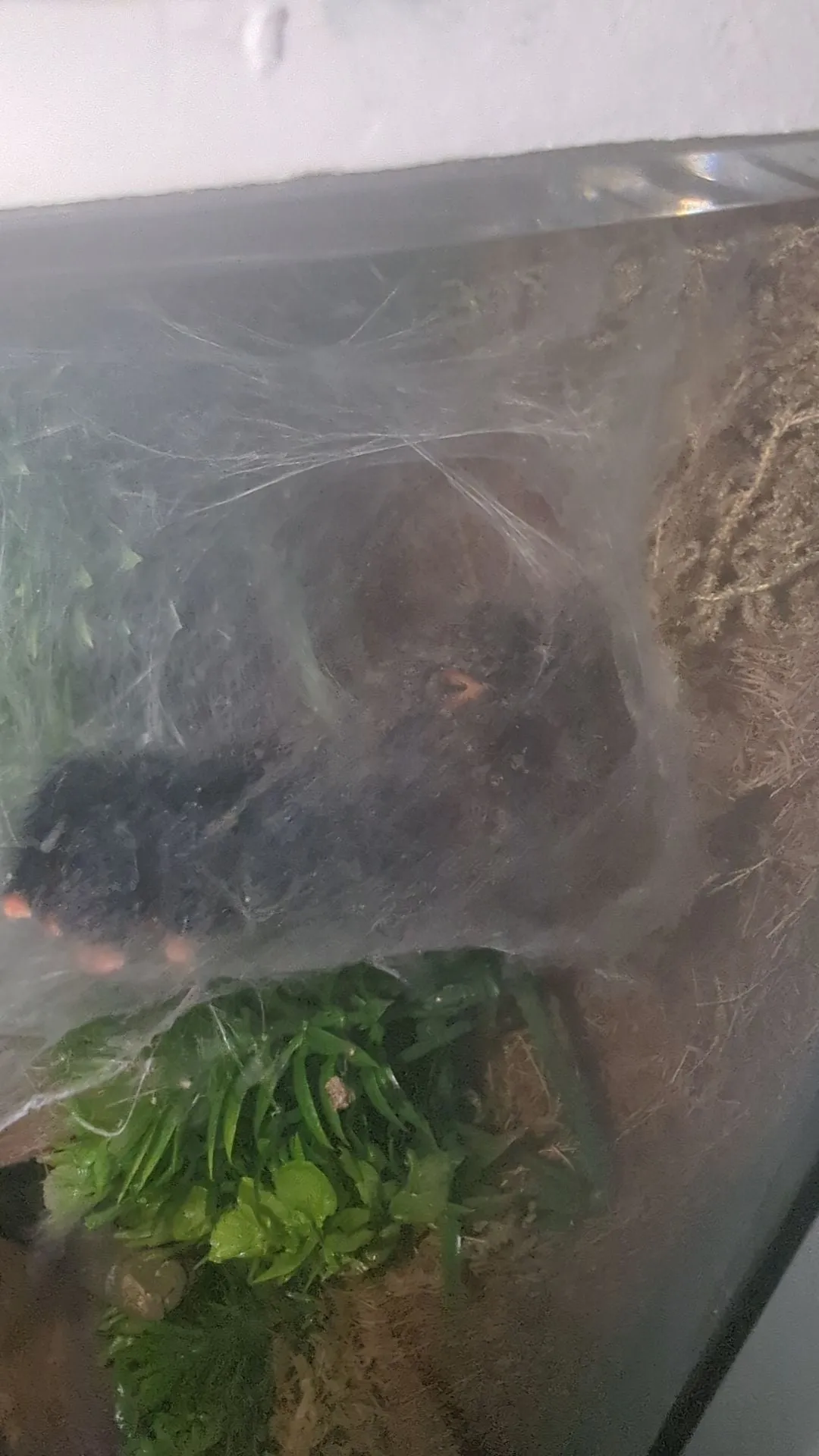
The Blue Pink Toe Tarantula Molt Mystery
The world of tarantula keeping is filled with fascinating phenomena, and one of the most captivating is the appearance of a blue hue in a pink toe tarantula’s molt. This unexpected color change can be a source of both excitement and concern for keepers. Why does this happen? What does it mean for the tarantula’s health? This article delves into the mysteries surrounding the blue coloration of a pink toe tarantula’s molt, providing insights into the science, care, and potential issues associated with this intriguing phenomenon.
What Causes the Blue Color?
The blue coloration observed in the molts of pink toe tarantulas is not fully understood, but it is believed to be related to pigment changes in the exoskeleton. This blue color is usually temporary, appearing during and shortly after the molting process. The exact mechanism of the blue color is still under investigation, however, it’s clear that the blue hue is linked to the production or alteration of pigments during the molting process. This is influenced by a variety of internal and external factors, including the tarantula’s health, environment, and genetics.
The Science Behind the Blue Pigment

Scientists and researchers are constantly studying the composition of tarantula exoskeletons. The blue color could be related to the presence of certain pigments or structural changes within the cuticle layers. The color may arise from the way light interacts with the structural components of the exoskeleton. These structures can diffract light, creating a blue appearance. This phenomenon is called structural coloration and is found in many animals, including some butterfly wings and bird feathers. The precise chemical compounds responsible for the blue color are still being studied, but it is thought to be a complex interaction of pigments and structural elements.
Environmental Factors
Environmental conditions play a significant role in tarantula health and the molting process. Proper conditions often lead to successful molts. The environment provided in the enclosure impacts the quality of molting. Maintaining the correct environment is crucial for the tarantula’s well-being.
Humidity and Temperature
Pink toe tarantulas thrive in specific humidity and temperature ranges. High humidity helps the tarantula to molt successfully, preventing the old exoskeleton from becoming too dry and difficult to shed. The appropriate temperature also plays a key role in the tarantula’s metabolism and the overall molting process. The ideal range is usually between 75-85°F (24-29°C). Inadequate temperature can stress the tarantula, potentially leading to issues during molting, while excessive humidity can promote mold growth, so monitoring and maintaining these parameters is essential.
Substrate and Enclosure

The substrate and enclosure setup can affect the health of your tarantula. A clean enclosure, free of contaminants and sharp objects, is essential for a healthy molt. The substrate should be appropriate for the species, providing the necessary humidity and allowing the tarantula to burrow if it chooses. A well-designed enclosure will mimic the natural environment, reducing stress and supporting the molting process. Regular cleaning and substrate changes are vital for preventing bacterial or fungal infections. Substrate choices can affect humidity, which in turn, influence the ease of molting.
The Molting Process
Molting is a natural process where tarantulas shed their old exoskeleton to grow. During this process, the tarantula produces a new, larger exoskeleton underneath the old one. The tarantula will detach itself from the old exoskeleton, leaving the old shell behind. The process can take hours or even days, depending on the tarantula’s size and environmental conditions. After molting, the tarantula is vulnerable and needs time to harden its new exoskeleton. Keepers must ensure that the tarantula is not disturbed during molting. The new exoskeleton will be soft and easily damaged at this stage.
Signs Your Tarantula is Molting
Recognizing the signs of an upcoming molt is essential for providing proper care. Tarantulas may exhibit behaviors like loss of appetite, lethargy, or a change in activity levels. The abdomen might appear darker and swollen, and the tarantula might stop eating. The tarantula may also start preparing its enclosure for the molt, such as spinning more webbing or spending more time in its hide. Be ready to create a safe, undisturbed environment. When you observe these signs, it’s crucial to avoid handling the tarantula or disturbing its enclosure unnecessarily. The more you watch for these clues, the better you can assist the tarantula through this process.
Caring for Your Tarantula During Molt

The care provided during molting is crucial for a healthy outcome. Avoid handling or disturbing the tarantula during this vulnerable time. Maintain optimal humidity and temperature levels to facilitate the molting process. Ensure that the enclosure is free of any hazards that could harm the tarantula. Provide a shallow water dish and make sure it is always full, to allow the tarantula to hydrate if needed. Keep the environment calm and quiet to minimize stress. A well-cared-for tarantula is more likely to have a successful and healthy molt.
Post-Molt Care
After molting, the tarantula’s new exoskeleton is soft and vulnerable. It can take several days or weeks for it to harden completely. During this period, avoid handling the tarantula. The best practice is to leave the tarantula undisturbed. Increase the humidity slightly if necessary. Offer food, but be aware that the tarantula might not eat immediately. Ensure that the tarantula has access to fresh water. Providing adequate post-molt care will lead to a successful recovery.
Feeding and Hydration
After molting, it’s essential to provide your tarantula with proper nutrition and hydration. Start by offering small, easily manageable prey items a few days after the molt. This gives the tarantula time to harden its fangs. Make sure that fresh water is readily available at all times. The tarantula should have access to fresh, clean water. Hydration is essential for helping the tarantula recover and rehydrate. Observe the tarantula’s eating habits. If the tarantula does not show interest in food, do not force it, and offer a meal again in a few days. Provide a balanced diet to support the tarantula’s growth and well-being.
Handling and Observation

It’s best to avoid handling a tarantula immediately after molting. The exoskeleton is soft and sensitive. Handling can cause injury or stress the tarantula, especially during the hardening process. Instead, carefully observe your tarantula to ensure that the exoskeleton is hardening correctly. Look for any signs of distress. Watch for changes in behavior, such as lethargy or a reluctance to move. If you see any problems, seek the advice of a vet or experienced tarantula keeper. Patience and observation are key to keeping your tarantula healthy.
Is Blue Molting Common?
While the blue coloration in pink toe tarantula molts is observed, it is not a universal occurrence. Some keepers may see this feature in their tarantulas, while others might never witness it. This variation can be attributed to many factors, including the tarantula’s genetics, environment, and overall health. The presence or absence of blue coloration should not be a primary concern. Healthy molting is a good sign. The focus should always be on ensuring proper care and environmental conditions.
Other Color Variations
Pink toe tarantulas can show other interesting color variations in their molts. Sometimes, the molt might appear more vibrant in color. The overall appearance can vary from one molt to another, based on conditions such as diet and overall health. Keepers should note these changes. Any unusual shifts in color or the lack of a normal molt should be addressed. Consulting an expert will help to clarify any concerns.
When to Consult a Vet

If you observe any issues, seek professional advice. While the appearance of a blue molt is often normal, it is always wise to seek advice when you see any concerning issues. Signs of concern include an incomplete molt, where the tarantula is unable to fully shed its old exoskeleton. Other signs can include lethargy, loss of appetite, or unusual behavior. A veterinarian or experienced tarantula keeper can identify the cause of the problem and recommend appropriate care.
Recognizing Molting Issues
Understanding the common molting issues is important for any tarantula keeper. Dysedysis occurs when the tarantula struggles to molt and is unable to shed its old exoskeleton properly. Injuries can happen if the tarantula is disturbed during molting, leading to limb loss or other damage. Dehydration and poor nutrition can make molting more difficult. Always monitor for these signs. If you detect issues, you can intervene promptly. By understanding the potential problems, you can provide a better life for your tarantula.
Preventative Measures
Taking steps to prevent potential problems is essential. Provide the correct humidity and temperature levels. Keep the enclosure clean and free from hazards. Maintain proper nutrition to support healthy growth. Avoid handling the tarantula unnecessarily, particularly before, during, or after molting. Regularly check the tarantula’s health. Provide a safe and stress-free environment, and be prepared to take immediate action. These steps help make the molting process smooth. Preventive care is key to the long-term health of your tarantula.
Conclusion

The blue coloration in the molts of pink toe tarantulas is an intriguing aspect of keeping these fascinating creatures. While the exact reason for this phenomenon is still under research, it appears to be a natural part of the molting process. By understanding the science behind the blue pigment, the importance of environmental factors, and the proper care during molting, keepers can ensure that their pink toe tarantulas thrive. The blue coloration is often normal, but if you have any concerns, always consult with an expert to make certain that your tarantula is getting the best care.