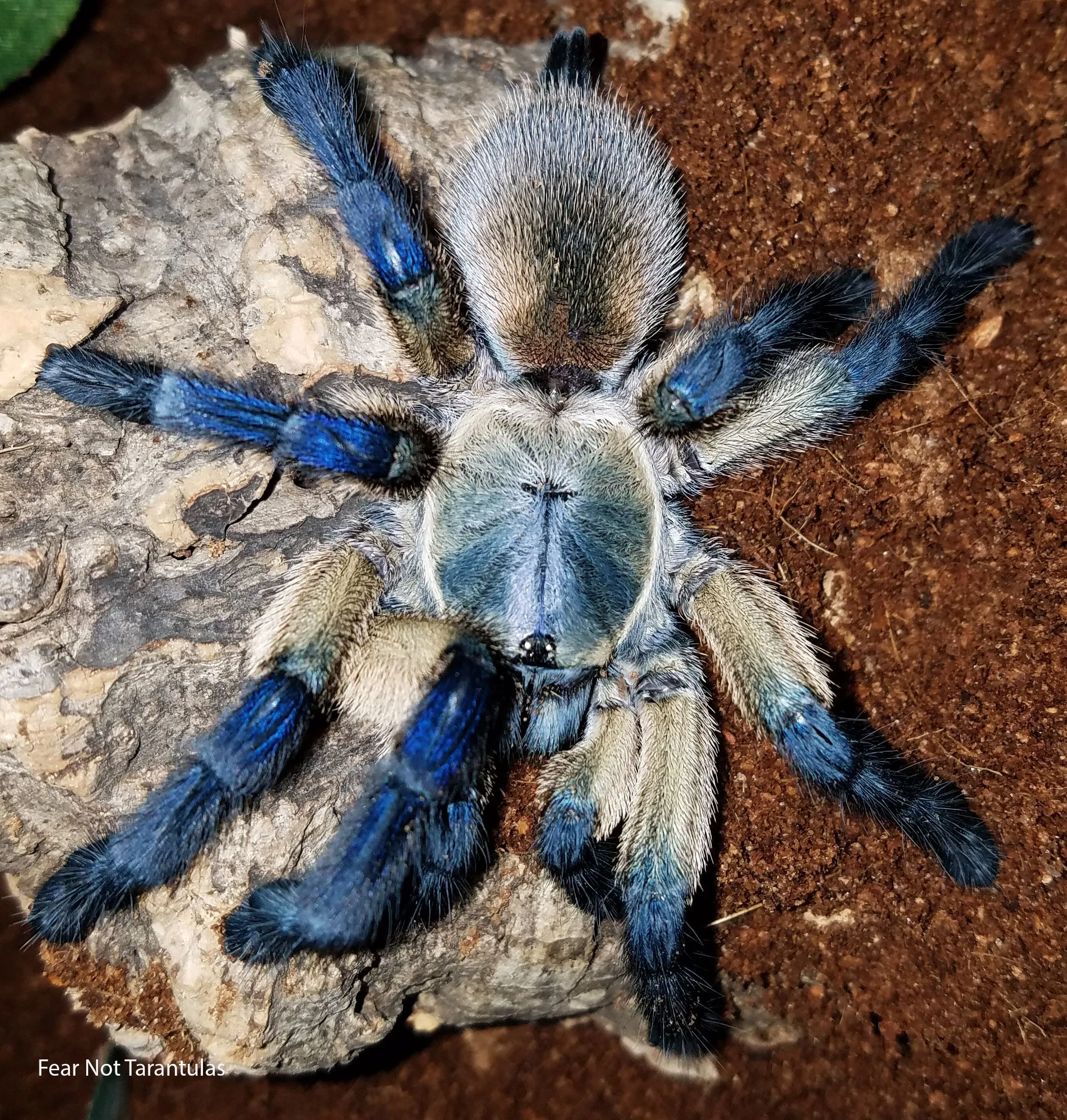
Understanding the Blue Baboon Tarantula
The Blue Baboon Tarantula, Chromatopelma cyaneopubescens, is a captivating and sought-after species in the exotic pet world. These spiders are native to the tropical environments and are known for their striking coloration and relatively docile temperament, which makes them a popular choice among tarantula enthusiasts. These spiders are not recommended for beginners due to the need for specific environmental conditions to thrive. This comprehensive guide provides detailed information on how to properly care for a Blue Baboon Tarantula, ensuring its health, happiness, and longevity in captivity. Careful attention to their needs will reward you with years of fascinating observation of these amazing creatures.
Habitat and Enclosure Setup
Creating the right habitat is crucial for the well-being of your Blue Baboon Tarantula. The enclosure should mimic the spider’s natural environment as closely as possible. Proper setup reduces stress, encourages natural behaviors, and promotes the overall health of your pet. An ideal enclosure will allow the tarantula to thrive and exhibit its natural behaviors. The size of the enclosure, choice of substrate, and control of environmental factors such as temperature and humidity are all extremely important. Getting these elements correct is the first step toward success with this unique species.
Choosing the Right Enclosure

For a juvenile Blue Baboon Tarantula, a small enclosure, such as a 5-gallon terrarium, is sufficient. As the tarantula grows, you will need to upgrade to a larger enclosure, with dimensions that allow for movement and molting. An adult Blue Baboon Tarantula typically requires a terrarium of at least 10-20 gallons. The enclosure should have a secure lid to prevent escape. Ventilation is also critical to prevent the buildup of excess humidity, which can lead to health problems. Choose an enclosure made of clear material so you can observe your pet, with multiple ventilation openings to permit air circulation.
Substrate and Decor
The substrate, or bedding, forms the base of your tarantula’s enclosure. It should be absorbent, retain moisture, and allow the tarantula to burrow if it chooses. A mixture of coco fiber, peat moss, and a small amount of vermiculite works well. This combination provides good moisture retention, while still permitting air flow. Avoid substrates that can harbor mites or other parasites. Decorate the enclosure with a hide, such as a piece of cork bark or a half-log, to provide a secure retreat for the tarantula. Live or artificial plants can also be added to enhance the environment, but make sure that any decor is non-toxic and doesn’t have sharp edges that could injure the tarantula.
Temperature and Humidity
Blue Baboon Tarantulas thrive in a warm and humid environment, similar to their native habitats. Maintain a temperature between 75-85°F (24-29°C). You can use a heat mat placed on the side of the enclosure or a low-wattage heat lamp to achieve this, but be careful not to overheat the enclosure. Humidity should be kept between 65-75%. Use a hygrometer to monitor humidity levels accurately. To maintain humidity, mist the enclosure lightly with water 2-3 times per week. Good air circulation is critical for tarantula health, so avoid saturating the enclosure, which can lead to the growth of mold and the development of respiratory issues.
Feeding Your Blue Baboon Tarantula

Proper nutrition is essential for the health and growth of your Blue Baboon Tarantula. Understanding what to feed your tarantula, how often, and in what amounts is critical for their well-being. A well-fed tarantula is more likely to molt successfully and live a long, healthy life. The diet of your Blue Baboon Tarantula should primarily consist of live insects, which mimic its natural diet and provide essential nutrients. Variety in the diet can also improve the overall health of your tarantula. Providing a balanced diet will ensure your tarantula remains healthy.
What to Feed Your Tarantula
The primary food source for a Blue Baboon Tarantula should be live insects. Crickets are a common and readily available choice. Other suitable options include roaches, mealworms, and dubia roaches. Ensure the insects are gut-loaded with nutritious food before feeding them to your tarantula. This provides the tarantula with the best possible nutrition. Avoid feeding wild-caught insects, as they may carry pesticides or parasites. Always remove any uneaten insects from the enclosure within 24 hours to prevent them from stressing the tarantula or becoming a nuisance.
Feeding Frequency and Amount
The feeding frequency depends on the age and size of your tarantula. Spiderlings should be fed 2-3 times per week, while juveniles can be fed once or twice a week. Adult Blue Baboon Tarantulas can be fed once every 1-2 weeks. Adjust the feeding schedule based on the tarantula’s appetite and body condition. A tarantula that appears plump and well-fed may need less frequent feeding. The amount of food provided should be appropriate for the tarantula’s size. Offer one or two appropriately sized insects per feeding. Overfeeding can lead to health problems and potentially reduce the lifespan of your tarantula.
Watering and Hydration

Providing a constant source of fresh water is vital for your Blue Baboon Tarantula. Use a shallow water dish, such as a bottle cap or a small dish designed for reptiles. Make sure the water dish is shallow enough to prevent the tarantula from drowning. Change the water every 1-2 days to keep it clean and prevent the growth of bacteria. In addition to the water dish, lightly mist the enclosure 2-3 times a week to maintain the required humidity levels. Regular misting will help to keep your tarantula well-hydrated, especially during molting periods, ensuring they have the best chance of a successful molt.
Handling and Safety
Handling a Blue Baboon Tarantula should be approached with caution. While they are generally not aggressive, they can deliver a painful bite if provoked. Their primary defense mechanism is to flick urticating hairs, which can cause skin and eye irritation. Safe handling practices are essential to protect both the tarantula and the handler. Understanding the tarantula’s behavior and how to minimize potential risks will make handling a safer experience. Always wash your hands thoroughly before and after handling your tarantula.
When to Handle
It is generally advisable to minimize handling, as it can stress the tarantula. However, there may be times when handling is necessary, such as when moving the tarantula to a different enclosure or during a health check. Handle the tarantula only when absolutely necessary, and be gentle and patient. Observe the tarantula’s behavior, and be ready to put it back in its enclosure if it appears agitated or defensive. Avoid handling your tarantula if it is about to molt, as they are extremely vulnerable during this time. A tarantula that is close to molting may appear lethargic, and will usually avoid eating.
Safety Precautions

If you choose to handle your Blue Baboon Tarantula, take several precautions to ensure your safety. Always handle the tarantula over a soft surface, such as a bed or a table with a blanket, to prevent injury if it falls. Avoid sudden movements, and speak calmly to avoid startling the tarantula. Always supervise children when they are near the tarantula. Be aware of the tarantula’s urticating hairs, and avoid touching its abdomen. If you feel the tarantula is about to flick its hairs, gently place it back in its enclosure. Never force handling; if your tarantula shows signs of stress, end the interaction immediately.
Health and Common Issues
Understanding the potential health issues and how to address them is important to ensure the well-being of your Blue Baboon Tarantula. Regular observation and a proactive approach to their care can help you identify and address problems early. Knowing what to look for and how to prevent common ailments can significantly increase your tarantula’s lifespan and improve its quality of life. Early detection and intervention are key to successfully managing any health issues that may arise.
Recognizing Signs of Illness
Monitor your Blue Baboon Tarantula for any signs of illness or distress. These can include loss of appetite, lethargy, changes in behavior, unusual posture, or physical abnormalities. Other indicators include a swollen abdomen, difficulty molting, or the presence of mites or parasites. If you notice any of these symptoms, consult with a veterinarian experienced in exotic animals or a knowledgeable tarantula breeder immediately. Prompt action can often prevent serious health problems from developing. Always isolate any sick tarantula from other pets to prevent the spread of diseases.
Preventative Measures

Preventative care is crucial for maintaining your Blue Baboon Tarantula’s health. Maintaining proper environmental conditions, including temperature and humidity, is the first step. Provide a balanced diet with appropriately sized insects. Regularly clean the enclosure to prevent the buildup of waste and potential pathogens. Ensure the substrate is replaced periodically to maintain hygiene. Quarantine new tarantulas before introducing them to existing collections, to avoid the spread of any potential diseases or parasites. By following these preventive measures, you will greatly increase the odds of your tarantula living a long, healthy life.
Caring for a Blue Baboon Tarantula can be a rewarding experience, providing you with an opportunity to observe and appreciate these amazing creatures. By understanding their needs and following the guidelines outlined in this article, you can provide your tarantula with a thriving habitat and a long, healthy life. With proper care and attention, your Blue Baboon Tarantula will become a fascinating addition to your home.