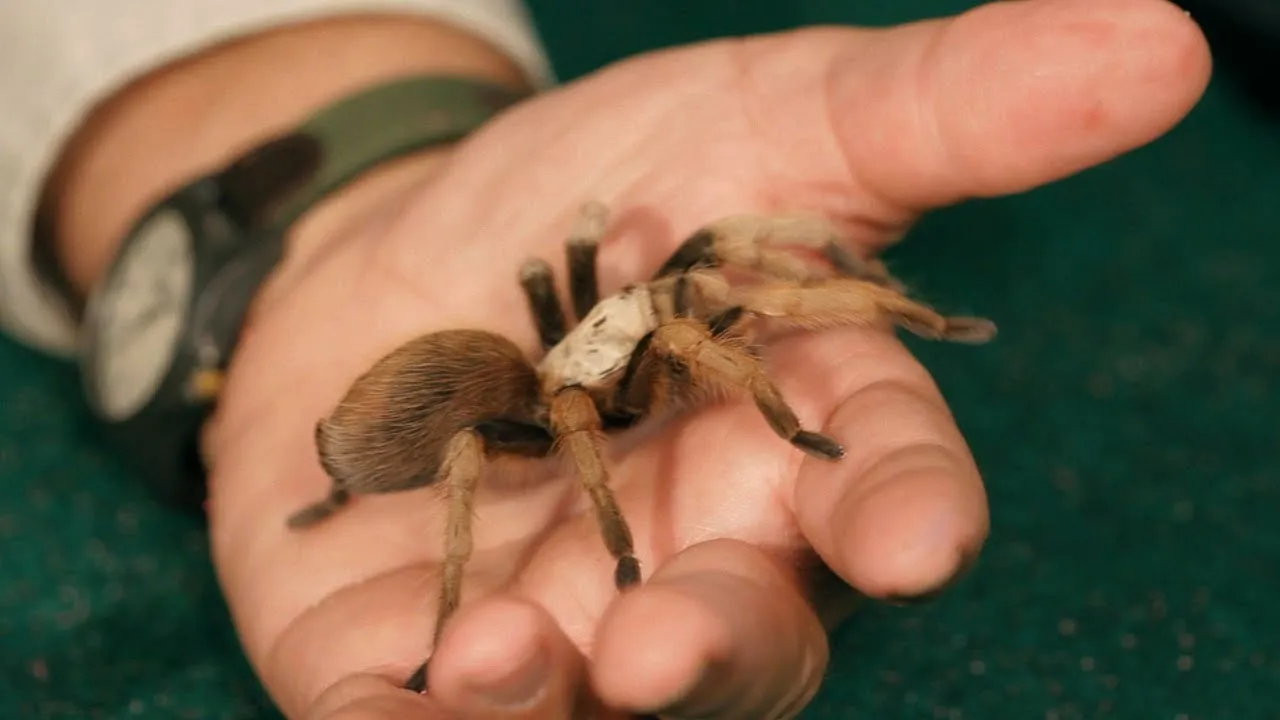
What Makes a Tarantula Beginner-Friendly?
Choosing the right tarantula can be an exciting journey, especially for those in the Philippines looking to start their exotic pet journey. Understanding what makes a tarantula beginner-friendly is crucial. Several factors contribute to a tarantula’s suitability for novice keepers. These include temperament, ease of care, and overall hardiness. Tarantulas with a docile temperament are less likely to bite or exhibit defensive behaviors, making them easier to handle (though handling is generally discouraged). Simple care requirements, such as less demanding humidity and temperature needs, also make a significant difference. Finally, hardiness means the tarantula can tolerate minor fluctuations in its environment without significant health issues. This guide will explore these key aspects to help you select the perfect tarantula for your first foray into the world of arachnids in the Philippines.
Temperament and Handling
Temperament is a primary consideration. Some tarantulas are known for their calm demeanor, making them better choices for beginners. While most tarantulas are not aggressive, some species are more prone to defensive behaviors, such as flicking urticating hairs or attempting to bite. It is important to research a tarantula’s temperament before purchasing it. Always remember that tarantulas are best observed rather than handled. Handling can be stressful for the tarantula and can lead to injury. If handling is necessary, it should be done carefully and over a soft surface to minimize the risk of injury if the tarantula falls. For beginners in the Philippines, prioritizing species with a reputation for being docile is a wise decision.
Size and Growth Rate

The size and growth rate of a tarantula also influence its suitability for beginners. Smaller, slower-growing tarantulas are often easier to manage, requiring less frequent rehousing and a more manageable feeding schedule. Large, fast-growing species can quickly outgrow their enclosures and require more significant space. Consider the eventual size of the tarantula when selecting a species. Also, the growth rate is important; faster-growing species might need more frequent care and adjustments to their enclosure as they mature. For beginners in the Philippines, starting with a species that offers a more predictable growth trajectory can simplify care and prevent potential challenges.
Care Requirements
Care requirements encompass a range of factors, including humidity, temperature, substrate, and feeding. Beginner-friendly tarantulas generally have less specific requirements, making them easier to maintain. Species that tolerate a wider range of humidity and temperature levels are often ideal. Substrate choices also matter; some species prefer drier environments, while others need high humidity. Feeding habits also contribute to ease of care; some tarantulas are less picky eaters and are easier to feed regularly. Beginners in the Philippines should opt for species that are adaptable to common household conditions and have relatively straightforward feeding routines to ensure success.
Top 5 Tarantulas for Beginners in the Philippines
The Chilean Rose Hair Tarantula

The Chilean Rose Hair (Grammostola rosea) is a quintessential beginner tarantula. These tarantulas are known for their docile temperament and relatively slow growth rate. They are also very hardy, tolerating a range of environmental conditions. Their lifespan can be quite long, providing years of enjoyment. These spiders are relatively easy to handle and don’t tend to be defensive. Their overall ease of care makes them a great choice for people in the Philippines. Their calm nature makes them a popular choice for first-time owners looking for a gentle introduction to tarantula keeping. (Image Chilean Rose Hair Tarantula)
Appearance and Characteristics
The Chilean Rose Hair tarantula is known for its beautiful appearance. They typically have a brown body and reddish hairs. They are of medium size, growing to about 5-6 inches in leg span. They are one of the more common species in the pet trade. Their docile temperament is their most valued characteristic, making them relatively easy to handle, although it is always best to handle them with caution. They are generally not aggressive. Their docile nature and beautiful appearance make them a great choice for beginners in the Philippines.
Care and Habitat Setup
Caring for a Chilean Rose Hair is fairly simple. They need a terrarium that is at least 10 gallons. The substrate should be a mix of coconut fiber, peat moss, and vermiculite to hold moisture. Provide a water dish and a hide, like a piece of cork bark. Maintain a temperature of 70-80°F and a humidity level of 60-70%. Feed them crickets, mealworms, or roaches a couple of times a week. Make sure the enclosure is secure and away from direct sunlight. The relatively undemanding care requirements make them ideal for beginners in the Philippines, offering a rewarding experience without excessive demands.
The Trinidad Olive Tarantula

The Trinidad Olive (Holothele incei) is another excellent choice for beginners in the Philippines. They are known for their relatively small size and docile nature. They are attractive and easy to care for, with a moderate growth rate. They are adaptable to many different environments. These qualities make them very popular for beginners. Their size and ease of care make them a great choice for those who are new to tarantula ownership.
Appearance and Temperament
The Trinidad Olive Tarantula displays a beautiful olive-green coloration, making it a visually appealing pet. They are usually about 3-4 inches in leg span, which is a manageable size for beginners. Their temperament is quite docile, making them easy to handle. They are generally not aggressive and are ideal for those new to the hobby. The combination of attractive appearance and a calm nature adds to the Trinidad Olive Tarantula’s appeal for beginners in the Philippines.
Housing and Feeding
Housing a Trinidad Olive Tarantula is straightforward. They need a 5-10 gallon terrarium with a substrate mix of coco fiber. Maintain a humidity level of 60-70% with a water dish available. A hide, such as a piece of cork bark, is essential. They eat crickets, mealworms, and roaches. Provide food a few times a week. They are adaptable and generally easy to maintain. These simple requirements make them great for beginners. (Image of a Trinidad Olive Tarantula in its Enclosure)
The Pinktoe Tarantula

Pinktoe Tarantulas (Avicularia avicularia) are another fascinating choice for beginners in the Philippines. Known for their arboreal nature and striking appearance, they offer a unique experience. Although they require a bit more humidity than ground-dwelling species, their beauty and relatively docile temperament make them a rewarding pet. They are beautiful with their vibrant colors and calm temperament, making them a very popular option. They are perfect for the person who wants a beautiful pet.
Appearance and Behavior
Pinktoe Tarantulas are known for their vibrant colors and arboreal lifestyle. They have a metallic sheen with pink toe pads, which gives them their name. They are generally docile, but they may move quickly and jump, so caution is advised when handling. They are a relatively low-maintenance pet. They have a calm nature, making them a good choice for those who are new to the hobby. (Image of a Pinktoe Tarantula)
Enclosure and Humidity
Since they are arboreal, a tall enclosure is needed. They need a well-ventilated 10-20 gallon terrarium. The substrate is a mix of coco fiber, sphagnum moss, and vermiculite. Maintaining a humidity level of 70-80% is essential, achieved with regular misting and a water dish. Provide branches and foliage for climbing and hiding. Feed them crickets, roaches, and other insects a couple of times a week. These tarantulas require a slightly more humid environment compared to other beginner species, requiring more attention from keepers in the Philippines.
The Curly Hair Tarantula

The Curly Hair Tarantula (Tliltocatl albopilosus) is another popular and excellent choice for beginners in the Philippines. Their docile temperament and attractive appearance make them a great pet. They have a moderate growth rate, making them easier to manage, and are relatively hardy. They are popular due to their calm nature and ease of care. Their beautiful appearance and docile temperament make them a wonderful pet.
Appearance and Temperament
The Curly Hair Tarantula is characterized by its brown body and distinctive curly hairs. They reach a leg span of about 4-6 inches, a manageable size for beginners. They are generally docile and non-aggressive. They are easy to handle and rarely exhibit defensive behaviors. This gentle nature makes them a top choice for new tarantula keepers in the Philippines. (Image of a Curly Hair Tarantula)
Habitat and Maintenance
Caring for a Curly Hair Tarantula is fairly simple. Provide a 5-10 gallon terrarium with a substrate of coco fiber. Maintain a humidity level of 65-75% with a water dish available. A hide, such as a piece of cork bark, is important. Feed them crickets, mealworms, and roaches a couple of times a week. The relatively undemanding care requirements make them ideal for beginners in the Philippines, offering a rewarding experience with minimal fuss. They are also very adaptable to varying conditions and are a robust species, contributing to their appeal.
The Costa Rican Zebra Tarantula

The Costa Rican Zebra Tarantula (Aphonopelma seemanni) is another good option for beginners. They are generally docile. They are known for their striking black and white striped legs, resembling a zebra. They are very popular and are a favorite among beginners in the Philippines. Their beautiful appearance and ease of care make them a great choice.
Appearance and Behavior
The Costa Rican Zebra Tarantula is known for its distinctive black and white striped legs. They reach a leg span of about 4-6 inches. They are generally docile and relatively easy to handle. While they can be fast, they are not typically aggressive. Their docile temperament and attractive appearance make them a good choice for beginners in the Philippines.
Enclosure and Diet
For the Costa Rican Zebra, you need a 5-10 gallon terrarium. The substrate should be a mix of coco fiber. Maintain a humidity level of about 65-75% with a water dish available. Provide a hide, such as a piece of cork bark. Feed them crickets, mealworms, and roaches a couple of times a week. The relatively easy care makes them a good choice for beginners in the Philippines. They are easy to care for and adapt well to different conditions, making them great for those new to the hobby.
Essential Supplies for Tarantula Keeping

Enclosure
The enclosure is the foundation of a healthy tarantula habitat. The size of the enclosure depends on the size of your tarantula. For most of the beginner species mentioned, a 5-10 gallon tank is adequate. Ensure the enclosure has a secure lid to prevent escape. Good ventilation is important to prevent the buildup of humidity and mold. For arboreal species, a taller enclosure is needed, while terrestrial species prefer a wider one. The right enclosure helps you meet the needs of your pet. (Image of a tarantula enclosure setup)
Substrate
Substrate provides the tarantula with a place to burrow and helps regulate humidity. Popular choices include coconut fiber, peat moss, and vermiculite. These materials retain moisture well and are safe for tarantulas. The substrate should be deep enough for the tarantula to burrow if it is a burrowing species. The substrate should be replaced periodically to maintain hygiene. Proper substrate is important for your pet.
Water Dish and Spray Bottle
A shallow water dish is essential to provide fresh water. The water dish should be kept full. A spray bottle is also useful for misting the enclosure to maintain humidity levels. The frequency of misting depends on the species and the humidity requirements. The water source is essential for keeping the tarantula hydrated, especially in the dry season in the Philippines. A reliable water source is important for the tarantula’s health.
Hiding Spots
Tarantulas are naturally secretive animals, and they require a place to hide. Provide a hide, such as a piece of cork bark, a half log, or a commercially available hide. This provides security and reduces stress for the tarantula. The hide should be appropriately sized for the tarantula to feel safe. Hiding spots are important to give your pet a sense of security.
Heating and Lighting
Most tarantulas do not require supplemental heating or lighting, unless kept in a very cool environment. In the Philippines, ambient room temperature usually suffices for most species. Avoid placing the enclosure in direct sunlight, as it can overheat. If additional heat is required, use a heat mat or a low-wattage bulb. Never put the heat source directly in the enclosure. Ensuring the right temperature is very important.
Feeding and Care Tips
Feeding Frequency and Food Selection
Feeding frequency depends on the tarantula’s age and size. Spiderlings should be fed more frequently, about twice a week, while adult tarantulas can be fed once a week or less. Crickets, mealworms, and roaches are common food items. The food should be appropriately sized for the tarantula; it should be no larger than the tarantula’s abdomen. Remove any uneaten food within 24 hours to prevent mold growth. A proper diet is important for your pet.
Watering and Humidity
Provide a constant supply of fresh water. Keep the water dish filled at all times. Humidity levels vary based on the species. Monitor the humidity with a hygrometer and adjust by misting the enclosure. Make sure not to over-saturate the enclosure, which can lead to mold. Proper humidity is important for the tarantula’s health and molting process.
Handling and Safety Precautions
Handling tarantulas should be kept to a minimum, as it can cause stress and injury. If handling is necessary, do so carefully and gently. Never handle a tarantula if it is exhibiting defensive behaviors, such as raising its front legs or flicking hairs. Always handle the tarantula over a soft surface to prevent injury if it falls. Wash your hands before and after handling and avoid contact with urticating hairs, which can cause skin irritation. Always prioritize the well-being of the tarantula.
Common Mistakes to Avoid
Many common mistakes can be avoided with careful planning. Overfeeding can lead to obesity and health problems. Incorrect humidity levels can lead to molting issues and health problems. Improper handling can result in bites or injury. Inadequate enclosure setup can stress the tarantula. Choosing the wrong species for your skill level can be challenging. Taking the time to learn about tarantula care can prevent these problems and allow you to enjoy your pet safely.
Conclusion
Keeping a tarantula in the Philippines can be a rewarding experience. By choosing the right species, understanding their needs, and following these guidelines, you can ensure a healthy and happy pet. Remember that research is essential before acquiring any pet. With the right preparation and care, you can enjoy the unique experience of tarantula ownership. Enjoy the journey of learning and caring for these fascinating creatures!