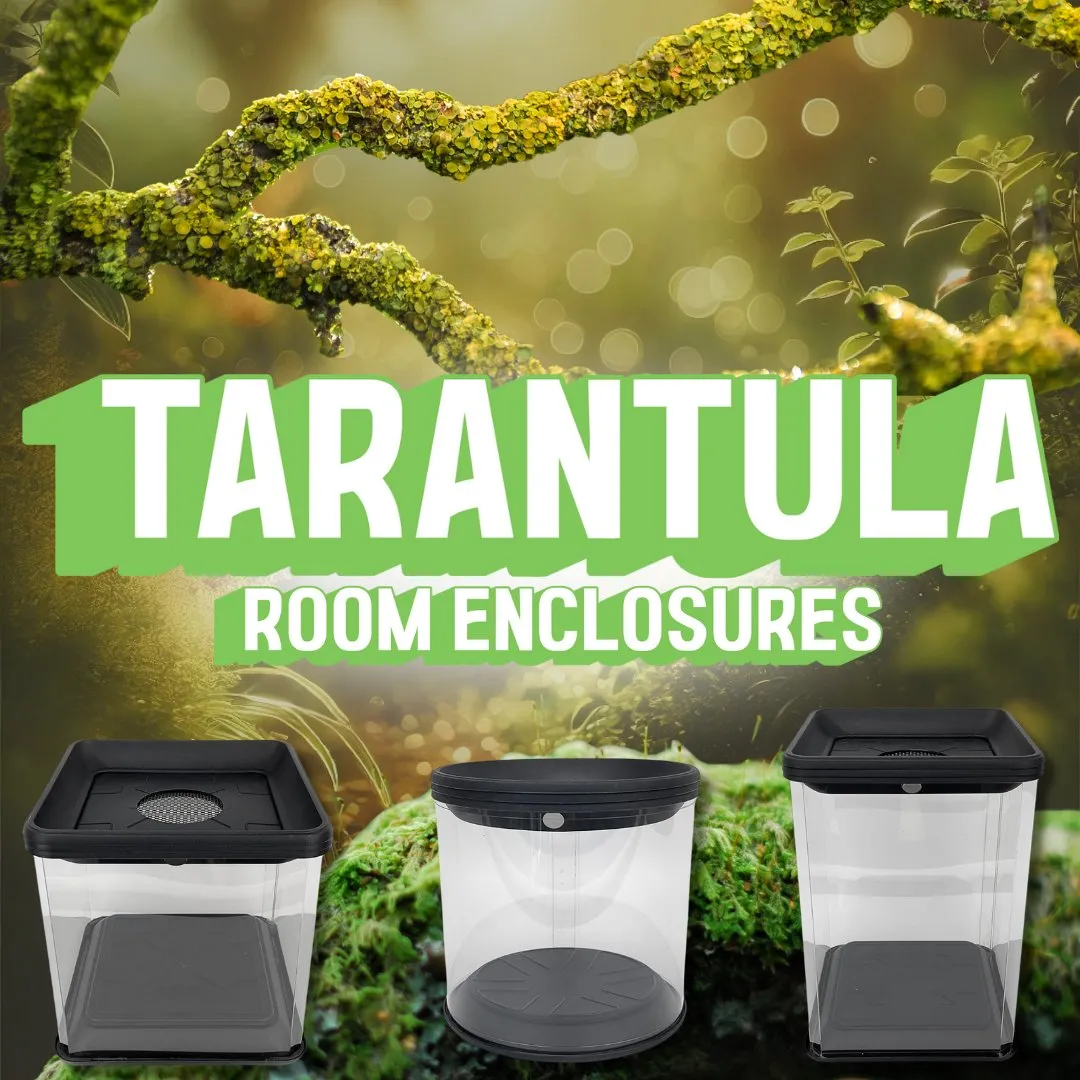
Choosing the Best Tarantula Enclosures
Choosing the right enclosure for your tarantula is crucial for its health, well-being, and overall happiness. The enclosure serves as your tarantula’s home, providing a safe and secure environment where it can thrive. Several factors need consideration when selecting an enclosure, including size, ventilation, substrate, and the type of tarantula you intend to house. It is essential to understand the specific needs of your tarantula species, as different species have different requirements. For example, arboreal tarantulas need taller enclosures with climbing opportunities, while terrestrial species prefer wider enclosures with more floor space. Furthermore, the enclosure must be secure to prevent escapes, easy to clean and maintain, and aesthetically pleasing. A well-chosen enclosure enhances your tarantula’s quality of life and provides you with a fascinating and rewarding experience as a tarantula keeper.
Size Matters for Your Tarantula
The size of the enclosure is one of the most important factors to consider. A tarantula needs enough space to move around, molt, and exhibit natural behaviors. An enclosure that’s too small can lead to stress, which can negatively affect the tarantula’s appetite, molting cycle, and overall health. When selecting an enclosure, consider the adult size of your tarantula species. As a general rule, the enclosure should be at least twice the tarantula’s leg span in width and length, with appropriate height depending on the species. For terrestrial species, prioritize floor space, while arboreal species need more vertical space for climbing. Avoid enclosures that are excessively large, especially for juvenile tarantulas, as it can make it harder for them to find food and feel secure. Regular monitoring of your tarantula’s growth is essential; you may need to upgrade the enclosure size as your tarantula grows. Also, consider the number of hides and decorations you’ll place inside the enclosure, ensuring the tarantula still has ample room to move around and explore.
Types of Tarantula Enclosures

There are several types of tarantula enclosures available, each with its own advantages and disadvantages. The most common types are glass and acrylic enclosures. Glass enclosures are widely available and often favored for their transparency, allowing for easy viewing of your tarantula. However, glass can be heavier and more prone to breaking than acrylic. Acrylic enclosures are lightweight, durable, and offer excellent clarity. They are less likely to shatter, making them a safer option, especially if there are children or pets around. Additionally, some enclosures incorporate features like sliding doors or top-opening lids for easy access and maintenance. Consider enclosures with secure locking mechanisms to prevent escapes. The type of enclosure you choose will depend on your preferences, budget, and the specific needs of your tarantula.
Glass Enclosures Advantages
Glass enclosures have several advantages. The primary advantage is their excellent transparency, providing an unobstructed view of your tarantula. Glass is a readily available material, making these enclosures easy to find in various sizes. They are relatively easy to clean, and the smooth surface prevents the buildup of bacteria. Glass is a non-porous material, which helps maintain humidity levels and prevents substrate from drying out too quickly. Glass enclosures offer a classic look and are often considered aesthetically pleasing. The clarity of glass allows you to fully appreciate the beauty of your tarantula and its habitat. Many keepers find glass to be a familiar and reliable material for housing their pets. However, it’s important to weigh the advantages against the potential drawbacks of glass enclosures.
Glass Enclosures Disadvantages
Despite their benefits, glass enclosures have some drawbacks. Glass is heavier than acrylic, making it more challenging to handle and move. They are also more prone to breaking or chipping, particularly if dropped or mishandled. The weight of glass can make it difficult to set up and maintain the enclosure, especially when filled with substrate and decorations. Glass can also be less effective at retaining heat, potentially requiring additional heating measures in colder environments. Another disadvantage is the potential for condensation to build up on the glass, which can obstruct viewing and affect humidity levels. Lastly, glass can be more expensive than other enclosure options, particularly when custom sizes are required. Considering these disadvantages will help you decide if a glass enclosure is the right choice for your tarantula.
Acrylic Enclosures Advantages
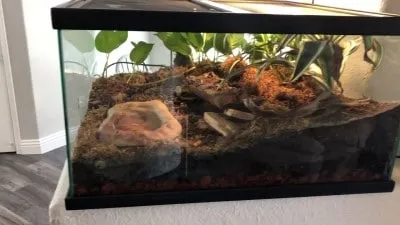
Acrylic enclosures are becoming increasingly popular for tarantulas, and they offer numerous advantages. One of the primary benefits is their lightweight and durable nature. Acrylic is much less likely to break than glass, making it a safer option for both the tarantula and the keeper. Acrylic enclosures are also highly transparent, offering excellent visibility of your tarantula. They provide good insulation, helping to maintain stable temperatures and humidity levels. Many acrylic enclosures come with convenient features like sliding doors and secure locking mechanisms. Acrylic is also available in a variety of shapes and sizes, allowing for customization to meet specific needs. The smooth surface of acrylic makes it easy to clean and sanitize. Another significant advantage is that acrylic is often more affordable than glass, especially for larger enclosures. Acrylic enclosures are a great choice for any keeper.
Acrylic Enclosures Disadvantages
While acrylic enclosures have many benefits, there are some disadvantages to consider. Acrylic is more susceptible to scratches than glass, which can affect the clarity and appearance of the enclosure over time. Some acrylic enclosures may not be as readily available as glass enclosures, which might limit your choices. Furthermore, acrylic can be more expensive than some other materials. Cleaning acrylic requires specific care to avoid scratching, and the material can be sensitive to certain cleaning agents. In some cases, acrylic enclosures may have less effective ventilation compared to glass options, requiring careful monitoring of humidity and airflow. Always research the brand and ensure the enclosure is made from high-quality acrylic to avoid any potential issues. Addressing these potential drawbacks helps you make an informed decision when choosing between acrylic and other types of enclosures.
Ventilation is Key for Tarantulas
Proper ventilation is essential for the health and well-being of your tarantula. Good ventilation helps to regulate humidity, prevent the buildup of harmful gases, and reduce the risk of mold and fungal growth. Without sufficient ventilation, the enclosure environment can become stagnant, leading to respiratory issues and other health problems for your tarantula. The ventilation system should allow for adequate airflow without compromising the enclosure’s ability to retain humidity, as tarantulas need a specific humidity level to molt successfully. There are various ways to achieve good ventilation, including mesh tops, strategically placed ventilation holes, and proper airflow design in the enclosure. The size and placement of ventilation features depend on the size and type of enclosure, as well as the specific species of tarantula. Monitoring the enclosure’s humidity levels and adjusting ventilation accordingly is vital to maintain a healthy environment.
Proper Ventilation for Healthy Tarantulas

Proper ventilation is crucial for your tarantula’s health and should be given top priority. Adequate airflow prevents the buildup of stale air and harmful gases, which can cause respiratory problems. It also helps to regulate humidity levels, reducing the risk of mold and bacterial growth within the enclosure. Good ventilation contributes to a more natural environment, mirroring the conditions tarantulas thrive in. Different types of enclosures use ventilation differently. Mesh tops are very effective, but they may reduce humidity, requiring more frequent misting. Ventilation holes on the sides or top of the enclosure provide a balance between airflow and humidity retention. Always monitor the enclosure’s humidity levels with a hygrometer and adjust ventilation as needed. Poor ventilation can lead to a range of health issues for your tarantula, so ensuring adequate airflow is essential for a happy and healthy pet.
Humidity and Temperature Control
Controlling humidity and temperature is critical for your tarantula’s health and well-being. Tarantulas have specific humidity and temperature requirements, which vary depending on the species. In general, most tarantulas thrive in temperatures between 70-80°F (21-27°C). Humidity levels usually range from 60% to 80%, depending on the species. To maintain the correct temperature, use a heat source such as a heat mat or ceramic heat emitter. Always place the heat source outside the enclosure and control it with a thermostat to prevent overheating. Regularly monitor the temperature using a thermometer. Maintain humidity by misting the enclosure with water as needed, and by providing a water dish. The substrate also plays a significant role in regulating humidity, with some substrates holding moisture better than others. Consider the specific needs of your tarantula species and research its ideal environmental conditions. Investing in a hygrometer and thermometer helps you to monitor and maintain the proper environment. Consistent monitoring and adjustments are key to creating a healthy and thriving habitat for your tarantula.
Substrate Options for Tarantula Enclosures
The substrate you choose for your tarantula’s enclosure is more than just bedding; it plays a crucial role in maintaining humidity, providing a surface for burrowing, and creating a natural environment for your pet. There are several options available, each with its own advantages and disadvantages. Some common substrate choices include coconut fiber (coco coir), peat moss, vermiculite, and a mix of these. Consider the specific needs of your tarantula species when making your selection. For example, burrowing species benefit from substrates that allow them to create tunnels and hideaways, such as a mix of coco fiber and peat moss. The depth of the substrate should be appropriate for the species, ensuring the tarantula can dig and burrow comfortably. It is crucial to select a substrate that is free of chemicals and pesticides. Additionally, substrate must be replaced or spot-cleaned regularly to prevent the buildup of waste and maintain a clean environment.
Coco Fiber for Your Tarantula

Coco fiber, or coco coir, is a popular and versatile substrate choice for tarantula enclosures. Made from the husk of coconuts, coco fiber offers excellent moisture retention, making it ideal for maintaining humidity levels. It is also a natural and biodegradable material. Coco fiber is safe for tarantulas, is readily available, and is relatively inexpensive. It provides a soft and comfortable bedding for your tarantula. Coco fiber allows for easy burrowing, making it suitable for terrestrial species. It is also very easy to clean, requiring only spot cleaning to remove waste. To prepare coco fiber for use, hydrate it with water until it reaches the consistency of moist soil. Ensure it is not too wet, as this can lead to mold growth. The neutral pH of coco fiber makes it a safe substrate. Coco fiber is a great choice.
Sphagnum Moss Considerations
Sphagnum moss can be a beneficial addition to a tarantula enclosure. It is an excellent moisture retainer, helping to maintain the required humidity levels, especially in arid environments. Sphagnum moss is also safe for tarantulas and is easy to acquire. It is often used as a top layer on the substrate to provide a more humid microclimate for the tarantula. It is also useful for providing a hiding place, particularly for newly molted tarantulas or those feeling vulnerable. However, sphagnum moss can be prone to mold if it is kept too wet or if the ventilation is insufficient. It’s vital to ensure proper airflow to prevent the growth of mold and bacteria. Use a high-quality sphagnum moss and replace it regularly to maintain a healthy environment. Combine sphagnum moss with other substrates such as coco fiber or peat moss. With proper maintenance, sphagnum moss can enhance the tarantula enclosure and contribute to the well-being of your pet.
Decorating Your Tarantula Enclosure
Decorating your tarantula’s enclosure not only enhances its aesthetic appeal but also provides enrichment and a more natural environment for your pet. Providing a variety of elements such as hides, plants, and climbing structures can encourage natural behaviors and reduce stress. Decorations also offer the tarantula places to retreat and feel secure. When choosing decorations, consider the specific needs of your tarantula species. For arboreal tarantulas, provide branches, cork bark, or artificial plants. For terrestrial species, incorporate hides, such as cork bark or hollow logs, and perhaps a few artificial plants. Use decorations that are non-toxic and safe for tarantulas. Avoid sharp objects that could injure your pet. Regular cleaning and maintenance of the decorations are essential. Your tarantula’s enclosure is not just a habitat; it’s an environment that you can enhance. With thoughtful decorations, you can create a stimulating and enriching space for your tarantula to thrive.
Essential Decorations for Enrichment

Essential decorations are key to enhancing the life of your tarantula. The most important decoration is a secure hide, which provides a safe space for the tarantula to retreat and feel secure. Cork bark is a popular choice for its natural look and suitability. Adding climbing structures such as branches or artificial plants provides opportunities for arboreal tarantulas to explore their environment. Provide a water dish for hydration and to help maintain humidity, and ensure it is shallow enough to prevent drowning. Incorporate a variety of decorations to mimic the tarantula’s natural habitat. The specific enrichment items to include will vary depending on the tarantula species and its natural behaviors. These decorations contribute to your pet’s psychological well-being. Choose decorations that are easy to clean and maintain, ensuring they remain free of mold and bacteria. By selecting appropriate decorations, you create a habitat that enriches your tarantula’s life.
Top 5 Tarantula Enclosures UK
Finding the perfect tarantula enclosure in the UK involves considering factors such as size, material, ventilation, and ease of maintenance. The ideal enclosure will vary depending on the species of tarantula you intend to house, so it is essential to conduct research on the specific needs of your pet. Acrylic enclosures are often a popular choice. They offer great visibility, durability, and security, while glass enclosures remain a timeless option. Look for enclosures with secure locking mechanisms, good ventilation, and a design that allows for easy access for feeding and cleaning. It’s crucial to choose a product that is non-toxic and safe for your tarantula. When choosing an enclosure, consider the long-term needs of your pet, including its potential growth and the need for space and enrichment. Always prioritize the health and well-being of your tarantula when making your selection.