Why Choose the Best Tarantula Enclosures?
Choosing the best tarantula enclosure is paramount to the health, happiness, and longevity of your eight-legged companion. A well-designed enclosure replicates the tarantula’s natural habitat, providing the necessary environmental conditions for them to thrive. A suitable enclosure minimizes stress, encourages natural behaviors such as burrowing and web-spinning, and reduces the risk of injury or escape. Selecting the best enclosure ensures proper ventilation, temperature and humidity regulation, and provides a safe and secure environment. It also allows for easy maintenance and observation, helping you monitor your tarantula’s well-being. Investing time in selecting the ideal enclosure is a sign of a responsible tarantula keeper, ensuring the spider’s welfare and enjoyment of your fascinating pet.
Impact of Enclosure on Tarantula Wellbeing
The impact of the tarantula enclosure on its wellbeing is immense. A properly set up enclosure affects several factors, including physical health, psychological state, and overall quality of life. The right enclosure provides the appropriate temperature and humidity gradients, which are vital for the tarantula’s metabolism, molting process, and hydration. Adequate space prevents stress, allowing the tarantula to move freely, explore, and engage in natural behaviors like constructing burrows or webs. A secure enclosure minimizes the risk of escapes, protecting the tarantula from accidental injury or environmental hazards. The right substrate supports these behaviors and is crucial for moisture retention and provides a suitable environment for the tarantula to thrive. An enriched environment, furnished with appropriate decor, further contributes to the tarantula’s psychological well-being, preventing boredom and promoting a more natural existence.
Temperature and Humidity Requirements

Maintaining the correct temperature and humidity levels within a tarantula enclosure is critical to the tarantula’s health. Most tarantula species thrive in temperatures ranging from 70 to 85 degrees Fahrenheit (21 to 29 degrees Celsius). The specific temperature requirements vary by species; therefore, research is important. A reliable thermometer is essential to monitor the temperature, and a heat source, such as a heat mat or ceramic heat emitter, may be necessary to maintain the desired warmth, especially in cooler climates. Humidity requirements also vary depending on the species and the climate. Tropical species typically require higher humidity levels (70-80%), while arid species prefer lower levels (50-60%). A hygrometer is required to measure humidity levels. Humidity can be maintained by misting the enclosure with water, providing a water dish, or using a substrate that retains moisture. It’s important to strike a balance, preventing excessive humidity, which can lead to mold growth and health problems. It’s important to understand that consistent monitoring and adjustment are key to ensure the tarantula’s comfort and health.
Ideal Enclosure Size for Tarantulas
Selecting the ideal enclosure size for your tarantula is essential for its well-being and natural behavior. The size of the enclosure should correlate with the size and species of the tarantula. As a general rule, the enclosure should be at least twice the tarantula’s leg span in width and length, and the height should be sufficient for the tarantula to burrow or climb, depending on the species. A terrestrial tarantula, which lives on the ground, may require a wider, shorter enclosure, whereas an arboreal species, which lives in trees, will need a taller enclosure. An enclosure that is too small will restrict movement and cause stress. Conversely, an enclosure that is too large can make it difficult for the tarantula to find its food, and the tarantula may feel vulnerable. Juvenile tarantulas can be started in smaller enclosures and moved to larger ones as they grow. The correct enclosure size should provide a comfortable and enriching environment, allowing the tarantula to thrive and display its natural behaviors.
Top 7 Best Tarantula Enclosures
When choosing a tarantula enclosure, consider factors like size, ventilation, security, and ease of maintenance. Here are seven excellent choices that cater to various needs and tarantula species.
Enclosure 1 Features and Benefits

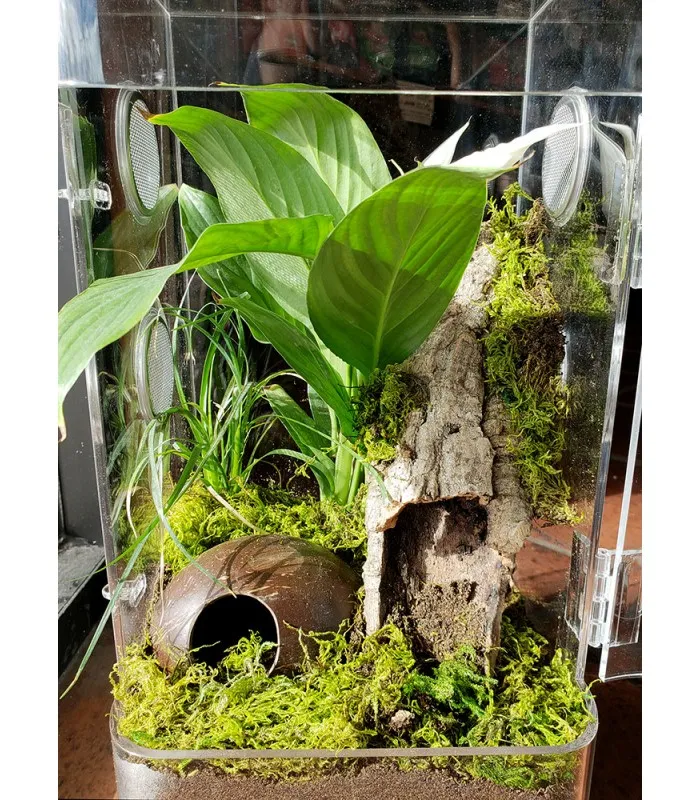
Enclosure 1 is a versatile, clear acrylic enclosure praised for its excellent visibility and ease of maintenance. The clear acrylic allows for unobstructed viewing, making it easy to observe your tarantula and check its well-being. Its design incorporates secure locking mechanisms, providing peace of mind and preventing escapes. Its features also include strategically placed ventilation holes to ensure proper airflow and prevent the buildup of humidity, which is vital for the spider’s health. The smooth surfaces are easily cleaned, and the enclosure comes in various sizes, catering to different tarantula species and sizes. It is an excellent option for both beginner and experienced keepers due to its user-friendly design and the tarantula-friendly environment it provides. This type of enclosure often includes built-in features, like a feeding door for convenience.
Enclosure 2 Features and Benefits
Enclosure 2 is a glass terrarium with a screen top, offering a classic and reliable option for tarantula keeping. The glass provides excellent visibility, allowing for a clear view of the tarantula. The screen top ensures ample ventilation, which is crucial for maintaining appropriate humidity levels and preventing mold. This enclosure type often comes with sliding doors, providing easy access for feeding and maintenance. The screen top is securely fastened, preventing escapes, and the glass walls make it easy to clean and sanitize. Glass enclosures often come in various sizes and are suitable for different types of tarantulas. They offer a great balance of functionality and aesthetic appeal. Many keepers appreciate the screen top, which can be easily modified with a lamp or heating pad. This enclosure also allows you to customize the substrate and décor to create the ideal environment.
Enclosure 3 Features and Benefits
Enclosure 3, a specialized arboreal enclosure, is tailored for tarantulas that are adapted to living in trees. It features a tall, vertical design with ample height for climbing and exploring. Its design often includes a secure door and a locking mechanism to prevent escapes. It also has excellent ventilation to maintain the correct humidity levels. This enclosure typically includes built-in features such as mounting points for decorations like cork bark or branches, which allow the tarantula to climb and build webs naturally. The vertical height is ideal, allowing the tarantula to construct webs and explore its environment. The design prioritizes safety and security, offering a suitable habitat for arboreal tarantulas.
Enclosure 4 Features and Benefits

Enclosure 4 is a plastic container designed for smaller or juvenile tarantulas, and for temporary housing. It is often a cost-effective and practical choice for those on a budget or for raising young tarantulas. The plastic material is lightweight and easy to clean, while its transparent design offers visibility. It typically includes a secure lid with ventilation holes and a simple design that facilitates observation. The design also enables easy access for feeding and maintenance. Many keepers use these enclosures for quarantining new arrivals. It is essential to ensure that the enclosure is of an appropriate size and has features such as adequate ventilation. These containers also serve well as temporary housing during maintenance or when a larger enclosure is being cleaned.
Enclosure 5 Features and Benefits
Enclosure 5 is a bioactive enclosure that focuses on creating a self-sustaining ecosystem within the tarantula’s habitat. These enclosures usually feature a drainage layer, substrate layer, and a cleanup crew of invertebrates. The benefits include natural waste decomposition, reduced cleaning requirements, and enriched environmental stimulation. These enclosures often include plants and other décor that offer varied textures and opportunities for the tarantula. This setup aims to replicate the tarantula’s natural habitat, enhancing its well-being. They require careful planning, as well as an initial investment in components such as the drainage layer, substrate, and isopods. It is also important to ensure that the plants are safe and non-toxic.
Enclosure 6 Features and Benefits
Enclosure 6 is a specialized enclosure made from a blend of materials, designed for durability, functionality, and aesthetic appeal. These enclosures use a combination of glass or acrylic for the viewing panels and sturdy, sometimes wooden, frames for support. The benefits include a balance of visibility, security, and ease of maintenance. These enclosures often include integrated ventilation, ensuring good airflow while maintaining the needed humidity levels. Their sturdy construction also offers added security, preventing accidental damage or escapes. These enclosures often have built-in features, such as a locking mechanism, to make daily care easy, and can include elements that enhance the visual appeal of the habitat. The combination of materials, durability, and the practical elements make this type of enclosure a great choice for tarantula keepers.
Enclosure 7 Features and Benefits
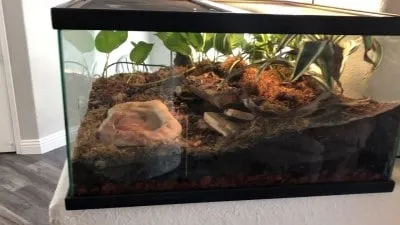
Enclosure 7 is a DIY (Do-It-Yourself) enclosure that allows keepers to build a customized habitat. It is an excellent option for those who enjoy crafting and want to tailor the enclosure specifically to their tarantula species or aesthetic preferences. DIY enclosures provide flexibility, allowing you to select the materials, dimensions, and features that meet the unique needs of your tarantula. The benefits include the ability to create a unique habitat. Using glass, acrylic, wood, or other materials, you can build the enclosure to precisely the size needed for your tarantula. The design may also include specific features like integrated heating, lighting, or custom ventilation systems. Building your own enclosure can be a fulfilling project, and it allows you to save money and be creative. However, it requires research to ensure the enclosure is safe, secure, and suitable for the tarantula. Make sure to consider ventilation and any necessary safety features.
Maintaining and Cleaning Tarantula Enclosures
Regular maintenance and cleaning are essential for keeping your tarantula enclosure healthy and hygienic. Remove uneaten food and any waste products regularly, usually a few times per week, to prevent the buildup of bacteria and mold. Spot clean the enclosure daily to remove any visible debris. Replace the substrate periodically, depending on the type of substrate and species, typically every few months or as needed. Thoroughly clean and disinfect the enclosure when changing the substrate. Use a mild, reptile-safe disinfectant and rinse thoroughly before reintroducing the tarantula. Avoid using harsh chemicals or detergents. Monitor the enclosure’s humidity levels and adjust as necessary. Always provide a fresh water source for your tarantula. Keeping the enclosure clean reduces the risk of illness, promotes a healthy environment, and contributes to the overall well-being of your pet. It’s important to establish a routine for cleaning and maintenance to make the process more manageable and ensure a healthy habitat for your tarantula.
Essential Enclosure Accessories
The right accessories can make your tarantula’s enclosure more enriching and functional. A water dish is necessary to provide a constant source of hydration. The size and material of the dish should be appropriate for the tarantula’s size and the species. Hiding places, such as cork bark, artificial plants, or caves, are essential. Tarantulas are naturally shy creatures and require hiding spots to feel secure and reduce stress. Decorative elements such as branches, driftwood, or artificial plants can enhance the enclosure’s aesthetic appeal and provide climbing opportunities for arboreal species. A reliable thermometer and hygrometer are essential to monitor the temperature and humidity levels. Substrate appropriate for the tarantula species is crucial. These accessories will help you create a stimulating and healthy habitat, allowing your tarantula to thrive.
Best Substrates for Tarantula Enclosures

Selecting the right substrate is key to replicating the natural environment and contributing to the health of your tarantula. The substrate should provide a comfortable surface for the tarantula to walk on, absorb moisture, and allow for burrowing. The best choice depends on the tarantula’s species and preferred habitat. For tropical species, substrates such as coconut fiber, peat moss, or a mixture of both are great for retaining humidity. For arid species, a substrate that is less moisture-retentive, like a mix of sand and soil, is better. Avoid using substrates such as cedar or pine shavings, which can be toxic to tarantulas. The substrate should be deep enough to allow the tarantula to burrow or dig if desired. Regularly check the substrate for cleanliness and replace it as needed. A well-chosen substrate will create a healthy environment and contribute to the overall wellbeing of your tarantula.
Common Mistakes to Avoid
When setting up a tarantula enclosure, it’s easy to make mistakes that could impact the spider’s health. One common mistake is using an enclosure that is too small. Also, avoid using the wrong substrate, as some materials can be harmful. Another is failing to maintain appropriate temperature and humidity levels, which is crucial for the tarantula’s health. Another important mistake is not providing a secure enclosure, which might lead to escapes. Overfeeding your tarantula, or not providing enough fresh water, are other issues. Neglecting regular cleaning and maintenance can lead to the build-up of bacteria and diseases. Research your tarantula species before choosing the enclosure and the setup. Avoiding these common pitfalls will help you create a safe and healthy environment for your tarantula.