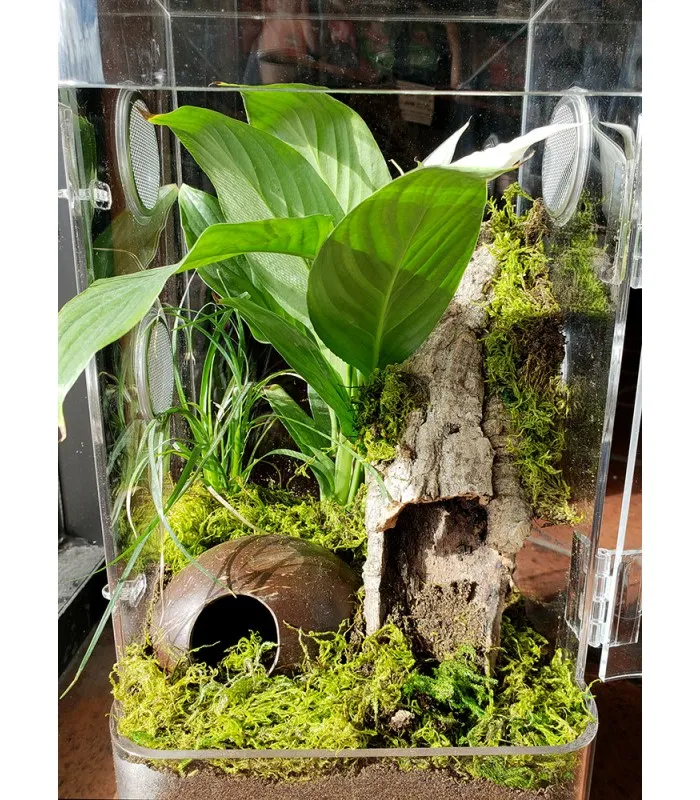
Choosing the Best Tarantula Enclosures
Choosing the right enclosure for your tarantula is paramount to its health, happiness, and longevity. A suitable habitat provides not only a safe and secure environment but also replicates the tarantula’s natural environment, allowing it to thrive. Factors such as size, ventilation, substrate, heating, and humidity all play crucial roles. This guide will walk you through everything you need to know about selecting the best tarantula enclosures on the market, ensuring your eight-legged friend has a comfortable and stimulating home. Proper enclosure choice will also make it easier for you to observe and care for your tarantula, which is a crucial part of responsible pet ownership. The goal is to create an environment that mimics their natural habitat as closely as possible.
Size Matters Selecting the Right Enclosure
The size of the enclosure is a critical factor. A tarantula needs enough space to move around, molt, and feel secure. An enclosure that’s too small can restrict movement and stress the tarantula, while an enclosure that’s too large can make it feel exposed and vulnerable. As a general rule, the enclosure should be at least twice the tarantula’s leg span in width and length, and tall enough to allow for proper substrate depth and the addition of decor like hides or branches. Consider the size of your tarantula when fully grown, and choose an enclosure accordingly. This will prevent you from having to upgrade the enclosure frequently as your tarantula grows. Juvenile tarantulas require smaller enclosures than adults to make them feel safe and to facilitate easier feeding.
Considerations Based on Tarantula Species

Different tarantula species have different needs. Some species are terrestrial, meaning they live on the ground, while others are arboreal, meaning they live in trees or elevated areas. This distinction dictates the type of enclosure you’ll need. Terrestrial species typically require wider enclosures with more floor space and a moderate amount of height for substrate. Arboreal species, on the other hand, need taller enclosures with more vertical space for climbing and hiding. Research the specific requirements of your tarantula species. Consider their natural habitat – is it arid, humid, or somewhere in between? Understanding these needs will inform your choice of substrate, heating, and humidity control. Additionally, some species are more reclusive and require more hiding places, while others are more active and benefit from more open space.
Terrestrial Tarantula Enclosures
Terrestrial tarantulas, like the common Mexican Red Knee, thrive in enclosures designed to provide ample ground space. These enclosures often have a rectangular or square footprint, allowing the tarantula to roam and establish a territory. A crucial aspect of terrestrial enclosures is the depth of the substrate. This is essential for burrowing behavior, which many terrestrial species exhibit. Substrate depth should be at least as deep as the tarantula’s leg span, or even more, to allow them to create their burrows. These enclosures typically have a moderate height, providing space for the tarantula to move without feeling exposed, and they often incorporate hides like cork bark or artificial caves.
Arboreal Tarantula Enclosures
Arboreal tarantulas, such as the Greenbottle Blue, need enclosures that prioritize height. These enclosures should be taller than they are wide, providing vertical space for climbing and webbing. Arboreal enclosures should include secure anchor points, like branches or cork bark, for the tarantula to climb on and to web. Ventilation is particularly important for arboreal species to prevent excessive humidity buildup. The enclosure should be well-ventilated, often with cross-ventilation to ensure good air circulation. While substrate is still important, the depth isn’t as critical as it is for terrestrial species. A shallower layer of substrate is often sufficient. Ensure the enclosure has a secure lid to prevent escapes, as arboreal tarantulas are agile climbers.
Best Tarantula Enclosures Top 5 Picks

Based on overall quality, ease of use, and suitability for tarantulas, here are five top enclosure picks. These choices take into account the differing needs of terrestrial and arboreal species and offer features that will benefit both the tarantula and the keeper. These enclosures vary in size, material, and ventilation, and are available at various price points to accommodate different budgets and needs. The selection prioritizes ease of care, safety for the tarantula, and long-term durability. Proper research and selection is key to a happy tarantula!
Enclosure Ventilation Importance
Proper ventilation is absolutely essential for maintaining a healthy environment for your tarantula. Good ventilation prevents the buildup of stale air, excess humidity, and mold growth, which can be detrimental to your tarantula’s health. Enclosures should have ventilation holes or a mesh top to allow for air circulation. The type of ventilation needed depends on the species’ specific humidity requirements. Some species need more humidity, which can be managed by adjusting the size and placement of ventilation. Cross-ventilation, where air enters and exits from opposite sides of the enclosure, is generally ideal. Avoid enclosures with poor ventilation, as this can lead to respiratory issues and other health problems. Always monitor the humidity levels within the enclosure.
Substrate Selection for Tarantula Comfort
The substrate is more than just a bedding material; it’s a crucial component of your tarantula’s habitat. The right substrate helps regulate humidity, allows the tarantula to burrow, and provides a comfortable surface for them to walk on. The ideal substrate will depend on the species and their specific needs. Common substrate materials include coconut fiber, peat moss, and vermiculite. Coconut fiber is a popular choice because it holds moisture well and is relatively easy to clean. Peat moss provides a natural look and is good for burrowing. Vermiculite is often used to increase humidity and is a good option for species that require higher humidity levels. Avoid substrates that are too dusty or contain harmful chemicals. The substrate should also be deep enough for the tarantula to burrow if it’s a terrestrial species. Keep the substrate clean and replace it regularly to prevent mold and bacteria growth. Avoid use of cedar or pine shavings because they contain oils toxic to the tarantula.
Heating and Humidity Control Essential

Maintaining the correct temperature and humidity levels is critical for your tarantula’s well-being. Tarantulas are ectothermic, meaning they rely on external sources to regulate their body temperature. The ideal temperature range varies depending on the species, but most tarantulas prefer temperatures between 75-85°F (24-29°C). You can use a heat mat or a heat lamp to provide supplemental heat, but always monitor the temperature to prevent overheating. Humidity levels also vary by species. Some species require high humidity, while others prefer a drier environment. Use a hygrometer to measure the humidity levels and adjust them as needed. You can increase humidity by misting the enclosure with water, providing a water dish, and using a substrate that retains moisture. Ensure proper ventilation to prevent excessive humidity, which can lead to mold growth.
Decorating Your Tarantula Enclosure
Decorating the enclosure not only enhances its aesthetic appeal but also provides enrichment for your tarantula. Appropriate decor gives the tarantula opportunities to express natural behaviors, such as hiding, climbing, and burrowing. Include hides like cork bark, artificial caves, or even repurposed items such as plastic plant pots, to give the tarantula a place to retreat and feel secure. Add climbing structures like branches or driftwood, especially for arboreal species. The enclosure should also include a water dish filled with fresh water. Be sure that any decor used is non-toxic and securely placed to prevent injury to your tarantula. Avoid sharp objects or anything that could potentially trap the tarantula. Decor also helps maintain humidity, giving the tarantula places to seek cooler and more humid areas within the enclosure.
Live Plants vs. Artificial Decor
The choice between live plants and artificial decor is a matter of personal preference and practical considerations. Live plants can enhance the enclosure’s natural look and provide humidity control and additional hiding places. However, they require more maintenance, including proper lighting and watering. Ensure that you select plants that are non-toxic to tarantulas. Artificial decor offers a low-maintenance alternative. It’s easy to clean and doesn’t require watering or special lighting. You can find a wide variety of artificial plants, hides, and decorations at pet stores. Regardless of the option, ensure decor is safely secured within the enclosure to avoid any risk to the tarantula.
Feeding and Watering Your Tarantula
Providing the right food and water is fundamental to your tarantula’s health. Tarantulas typically eat insects, such as crickets, mealworms, and roaches. The frequency of feeding depends on the tarantula’s age and species, but most adult tarantulas can be fed once or twice a week. Provide appropriately sized prey – the prey should be no larger than the tarantula’s abdomen. Always remove uneaten prey after 24 hours to prevent it from stressing or potentially harming the tarantula. A shallow water dish is essential for hydration. Ensure that the water is always fresh and clean. Regularly monitor your tarantula’s feeding habits and adjust feeding frequency as needed. Provide a varied diet to ensure your tarantula receives all the nutrients it requires.
Cleaning and Maintenance Enclosure
Regular cleaning and maintenance are crucial for keeping your tarantula healthy and the enclosure sanitary. Spot-clean the enclosure regularly, removing any uneaten food, dead insects, and fecal matter. Replace the substrate periodically, typically every few months, or more frequently if needed. This helps prevent the buildup of harmful bacteria and mold. Clean the water dish and replace the water daily. Inspect the enclosure regularly for any signs of mold, mites, or other pests. If you notice any issues, take immediate action to address them. A clean enclosure contributes to the tarantula’s overall well-being and reduces the risk of illness. Careful monitoring and preventative actions will help keep your tarantula healthy.
Common Mistakes in Enclosure Setup
Several common mistakes can be made when setting up a tarantula enclosure. One is choosing an enclosure that’s too small or unsuitable for the species. Another is failing to provide adequate ventilation or to maintain the correct temperature and humidity levels. Using inappropriate substrate, such as those containing pesticides, is a common problem. Overcrowding the enclosure with too much decor can also hinder the tarantula’s movement. Ignoring the tarantula’s specific needs, such as providing hides or climbing structures, can also lead to stress and behavioral issues. Regularly researching and learning is key to avoiding these common pitfalls.
Choosing the best tarantula enclosures requires careful consideration of your tarantula’s needs. By focusing on size, ventilation, substrate, heating, humidity, and enrichment, you can create a thriving and comfortable environment for your eight-legged friend. Regularly researching and adjusting the enclosure as your tarantula grows will ensure a long and happy life.