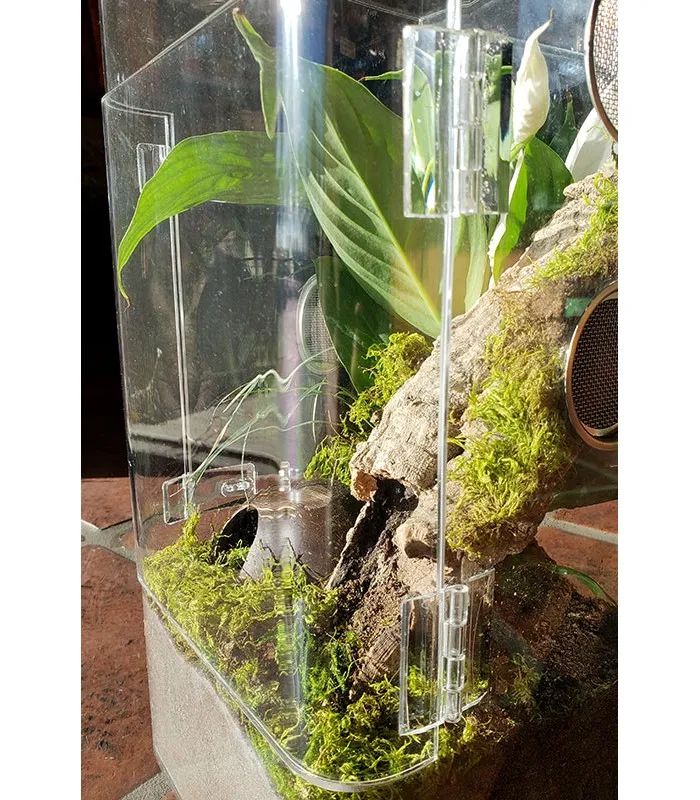
Choosing the right enclosure is crucial for the health and well-being of your tarantula. A well-suited habitat provides a secure, comfortable, and stimulating environment, allowing your eight-legged friend to thrive. This guide will explore the best tarantula enclosures, considering factors like size, ventilation, substrate, and ease of maintenance. We’ll also highlight our top 5 picks, helping you make an informed decision for your pet tarantula.
Best Tarantula Enclosures
Understanding Tarantula Enclosure Needs
Before diving into specific enclosure options, it’s essential to understand the fundamental needs of tarantulas. These fascinating creatures have specific requirements that must be met to ensure their survival and happiness. Providing the right environment is more than just aesthetics; it directly impacts their health, molting process, and overall lifespan. Understanding these needs forms the foundation for selecting the best enclosure for your pet.
Size and Dimensions

The size of the enclosure is paramount. It should be large enough for your tarantula to move around comfortably, molt successfully, and exhibit natural behaviors without feeling cramped. A general rule of thumb is to provide an enclosure that’s at least three times the tarantula’s leg span in width and length. Height is also essential, especially for arboreal species that enjoy climbing. Overly large enclosures for smaller tarantulas can also be problematic, making it difficult for them to find food and feel secure.
Ventilation Requirements
Proper ventilation is vital to prevent the buildup of excess humidity, which can lead to mold growth and respiratory problems for your tarantula. Enclosures should have cross-ventilation, meaning airflow from one side to the other, rather than just from the top. Fine mesh or strategically placed ventilation holes are ideal. Avoid enclosures with stagnant air or excessive condensation, as these conditions can be detrimental to your tarantula’s health. Make sure the ventilation holes are small enough to prevent escape.
Substrate Considerations
The substrate serves as the tarantula’s flooring, providing a place to burrow, hide, and maintain humidity. The substrate should be absorbent, non-toxic, and free of sharp objects. Popular choices include coconut fiber (coco coir), peat moss, and a mixture of soil and vermiculite. The depth of the substrate depends on the tarantula’s species and whether it’s a burrowing type. Always research the specific substrate needs of your tarantula’s species to ensure it’s the right fit.
Top 5 Best Tarantula Enclosures
Enclosure 1 ClearView Acrylic Enclosure
Acrylic enclosures offer excellent visibility, making it easy to observe your tarantula. They are also lightweight and durable, and often come with secure lids to prevent escapes. Acrylic enclosures often have pre-drilled ventilation holes, ensuring proper airflow. They are easy to clean and maintain, making them a great option for both beginners and experienced keepers. The transparent nature of acrylic allows for easy viewing of your pet.
Features and Benefits
- Crystal-clear visibility
- Lightweight and durable
- Secure lids
- Easy to clean
- Pre-drilled ventilation
Pros and Cons

- Pros: Excellent visibility, easy to clean, secure.
- Cons: Can be more expensive than other options, acrylic can scratch.
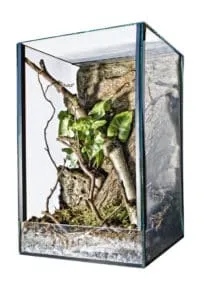
Enclosure 2 Exo Terra Glass Terrarium
Exo Terra terrariums are a popular choice, offering a sleek design and various features designed for reptile and invertebrate care. These glass enclosures usually come with a screened top for ventilation and a front-opening door for easy access. Exo Terra terrariums come in various sizes, making them suitable for a range of tarantula species. The glass construction offers great insulation, helping to maintain proper temperature and humidity levels.
Features and Benefits
- Front-opening door for easy access
- Screened top for ventilation
- Variety of sizes
- Durable glass construction
- Secure locking mechanism
Pros and Cons
- Pros: Excellent ventilation, secure, attractive design.
- Cons: Can be heavy, may require additional modifications for tarantulas.
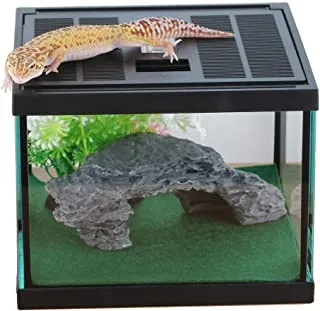
Enclosure 3 Zilla Critter Cage
Zilla Critter Cages are typically made of durable plastic and are an affordable and practical choice for tarantulas. They have a simple design that allows for easy setup and cleaning. They usually feature a secure top with ventilation. Their lightweight construction makes them easy to handle and move around. Critter cages are a great option for beginners due to their affordability and ease of use.
Features and Benefits
- Affordable
- Lightweight
- Easy to clean
- Secure top
- Good ventilation
Pros and Cons

- Pros: Affordable, easy to clean, lightweight.
- Cons: May not be as aesthetically pleasing as other options, ventilation can sometimes be limited.
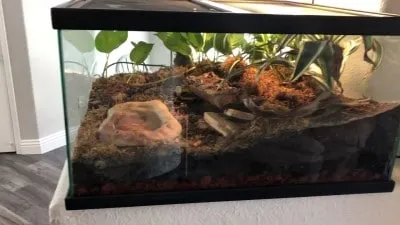
Enclosure 4 Sterilite Plastic Container
Sterilite plastic containers are a budget-friendly and readily available option for tarantula enclosures. They are commonly found in home improvement stores. They are usually clear, allowing for good visibility. While simple, they can be easily modified with ventilation holes and a secure lid. These containers are a great choice for temporary housing, smaller tarantulas, or as a cost-effective option for multiple enclosures.
Features and Benefits
- Very affordable
- Readily available
- Easy to modify
- Lightweight
- Clear for good visibility
Pros and Cons
- Pros: Very affordable, easy to find, lightweight.
- Cons: Requires modifications for ventilation, may not be as aesthetically pleasing.
Enclosure 5 Custom-Built Enclosure
For experienced keepers, a custom-built enclosure offers the ultimate in customization. You can design the enclosure to meet your specific needs and preferences, including size, materials, ventilation, and aesthetics. Custom enclosures can be made from various materials, such as wood, acrylic, or glass. They provide the flexibility to create a unique habitat tailored to your tarantula’s specific requirements. Building your own enclosure can be a rewarding project for the dedicated enthusiast.
Features and Benefits
- Highly customizable
- Tailored to specific needs
- Can be built to any size
- Allows for creative design
- Opportunity to incorporate unique features
Pros and Cons

- Pros: Fully customized, tailored to the tarantula’s needs, can be very aesthetically pleasing.
- Cons: Requires building skills or the expense of commissioning a build, can be time-consuming.
Factors to Consider When Choosing Enclosure
Beyond the basic enclosure types, several factors should influence your decision, ensuring that you select the best tarantula enclosure for your particular pet. Consider these crucial aspects when making your choice to provide your tarantula with the optimal living environment.
Tarantula Species
Different tarantula species have different needs. Terrestrial species, which live on the ground, require more floor space. Arboreal species, which live in trees, need height for climbing. Burrowing species will require deep substrate to dig and create tunnels. Research the specific requirements of your tarantula species, including its natural habitat and preferred behaviors. This will inform your choice of enclosure type, size, and furnishings. Consider the species’ temperament; some may require more secure enclosures.
Tarantula Size and Growth
The size of your tarantula is a critical factor. You’ll need to provide an enclosure appropriate for its current size and anticipate its future growth. Young tarantulas can start in smaller enclosures and then be moved to larger ones as they grow. Always consider the adult size of the species when selecting an enclosure, even if you have a juvenile. Avoid enclosures that are too large for smaller tarantulas, as it can make it difficult for them to find food and feel secure.
Humidity and Temperature
Maintaining the correct humidity and temperature is vital for your tarantula’s health. Some species require higher humidity levels than others. Choose an enclosure that allows you to maintain the appropriate humidity level. This might involve the use of a hygrometer, regular misting, and the appropriate substrate. The enclosure should also maintain a consistent temperature range, which can be achieved with a heat mat or a heat lamp. Ensure the heat source is regulated and does not overheat the enclosure.
Maintaining Your Tarantula Enclosure
Once you’ve selected the right enclosure, proper maintenance is essential to keep your tarantula healthy and happy. Regular cleaning and providing enrichment are crucial aspects of tarantula care. A well-maintained enclosure provides a comfortable, safe, and stimulating environment, promoting the well-being of your pet. Consistent care also makes it easier to observe your tarantula and catch any potential health issues early on.
Cleaning and Maintenance
Regular cleaning is essential to remove uneaten food, waste, and shed exoskeletons. Spot clean the enclosure as needed, removing any visible debris. Replace the substrate periodically, usually every few months, or sooner if it becomes excessively soiled. Ensure the enclosure is kept dry, clean, and free of any mold or fungus. Always use appropriate cleaning solutions that are safe for your tarantula and rinse thoroughly before returning your pet to its habitat.
Providing Enrichment
Enrichment refers to providing elements in the enclosure that stimulate natural behaviors and prevent boredom. This could include providing hides, climbing structures, or plants. Offer a variety of enrichment options to keep your tarantula mentally and physically engaged. The specific enrichment items will depend on the tarantula’s species and its natural behaviors. Providing a stimulating environment is a crucial element of responsible tarantula care and will enhance the life of your pet.
Conclusion
Choosing the best tarantula enclosure is a fundamental aspect of responsible tarantula ownership. By understanding the needs of your tarantula, considering factors like size, ventilation, and substrate, and selecting one of the enclosures mentioned in this guide, you can create a thriving habitat. Remember to always research the specific needs of your tarantula species, and provide consistent maintenance and enrichment to ensure the health and happiness of your eight-legged friend. By taking the time to provide a suitable enclosure, you’re setting the stage for a long and rewarding relationship with your tarantula.