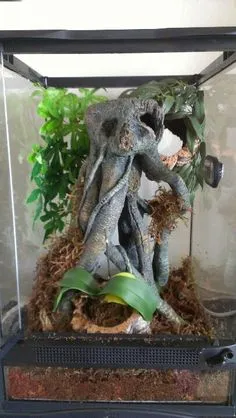
Understanding Tarantula Enclosure Warmth
Creating and maintaining the ideal temperature within your tarantula’s enclosure is crucial for its health and well-being. Tarantulas, like all ectothermic animals, rely on their environment to regulate their body temperature. Unlike mammals that can generate their own heat, tarantulas depend on external heat sources to maintain their metabolic processes, digest food, and stay active. Understanding the importance of warmth in a tarantula’s enclosure is the first step towards providing the best possible care and ensuring a long, healthy life for your eight-legged friend.
Why is Temperature Important for Tarantulas?
The temperature of a tarantula’s enclosure directly impacts its overall health and vitality. Providing the correct warmth is fundamental for various biological processes, ranging from how well it eats to how active it is. A tarantula’s internal functions are greatly affected by its immediate climate, so knowing the intricacies of temperature control is vital to ensure its survival and prosperity. This also ensures your pet remains comfortable, allowing you to see it flourish.
Impact on Metabolism and Activity

Temperature significantly influences a tarantula’s metabolism and activity levels. Warmer temperatures typically speed up the metabolic rate, enabling tarantulas to digest food more efficiently, grow faster, and become more active. Conversely, cooler temperatures can slow down these processes, leading to reduced appetite, lethargy, and a higher risk of health issues. An active tarantula is often a healthy tarantula, displaying natural behaviors like web-building, hunting, and exploring its enclosure. By providing the correct temperature, you encourage these vital activities and boost your tarantula’s overall health.
Optimal Temperature Ranges for Tarantulas
The ideal temperature range for most tarantula species is between 70-85°F (21-29°C). However, specific temperature requirements can vary slightly depending on the species. Tropical species generally prefer the higher end of this range, while more temperate species may thrive in slightly cooler conditions. It’s essential to research the specific temperature needs of your tarantula species to provide the best possible care. A good practice is to provide a temperature gradient within the enclosure. This allows the tarantula to move to areas of varying warmth and regulate its own body temperature effectively.
Top 5 Tips for Maintaining Tarantula Enclosure Warmth
Maintaining the correct temperature in your tarantula’s enclosure can seem daunting, but it’s achievable with the right tools and techniques. These top five tips will guide you through the process, ensuring that your tarantula remains cozy and content. Following these suggestions will help you create a stable and healthy habitat, allowing your tarantula to flourish. From choosing the right heating equipment to regular monitoring, these strategies cover everything you need to provide the best possible living conditions for your pet.
Use a Heat Mat or Heat Cable

Heat mats and heat cables are excellent options for providing a consistent and controlled heat source. A heat mat is typically placed on the side of the enclosure, allowing the tarantula to move towards or away from the warmth as needed. Heat cables can be used similarly or buried under the substrate to provide bottom heat. It’s important to choose a heat mat or cable specifically designed for reptile or invertebrate enclosures to ensure safety and optimal performance. These tools are usually the easiest and most effective means of heat, and can greatly improve the comfort of your pet.
Proper Placement and Safety
Always place the heat mat or cable on the side of the enclosure, never directly underneath, to prevent overheating and potential burns. Ensure the heat source is connected to a thermostat to regulate the temperature. Always choose a heat mat or heat cable from a reputable brand and follow the manufacturer’s instructions. This will make sure your pet remains safe while in their enclosure. Make sure you regularly inspect the heat source for any damage or wear and tear.
Controlling the Temperature with a Thermostat
A thermostat is an essential piece of equipment for regulating the temperature within the enclosure and preventing overheating. Connect your heat mat or heat cable to a thermostat. The thermostat monitors the temperature and automatically adjusts the heat output to maintain the desired temperature range. This precise control helps prevent fluctuations and ensures a stable and comfortable environment for your tarantula. This is a must-have for any responsible tarantula keeper and is essential for your pet’s safety.
Monitoring the Temperature

Regularly monitor the temperature inside the enclosure using a reliable thermometer. Digital thermometers are often the most accurate and easy to read. Place the thermometer at the level of the tarantula’s habitat to ensure the reading reflects its actual environment. By regularly checking the temperature, you can promptly detect any issues and make necessary adjustments to the heat source or thermostat settings. This active approach helps ensure the continued safety and comfort of your tarantula, and will help you notice any health concerns early on.
Using a Heat Lamp
Heat lamps can be used to provide additional heat, particularly for larger enclosures or species that prefer higher temperatures. However, heat lamps can be more challenging to control and may create hot spots if not used properly. If you choose to use a heat lamp, it’s crucial to monitor the temperature carefully and ensure there’s a gradient so your tarantula can move away from the heat if necessary. Ensure you position the lamp outside the enclosure, if possible, and that it is properly shielded to prevent burns.
Choosing the Right Bulb
Select a heat lamp bulb specifically designed for reptiles or invertebrates. Avoid using standard incandescent bulbs, which can generate excessive heat and pose a fire hazard. Ceramic heat emitters are a good option as they produce heat without light, which is preferable for nocturnal tarantulas. Always follow the manufacturer’s instructions for wattage and placement to avoid overheating the enclosure.
Creating a Temperature Gradient

A temperature gradient means creating different temperature zones within the enclosure. This allows the tarantula to regulate its body temperature by moving to areas of varying warmth. When using a heat mat or heat cable, position it on one side of the enclosure and leave the other side unheated. With a heat lamp, ensure the heat is focused on one area, leaving other parts of the enclosure cooler. This setup allows the tarantula to choose its preferred temperature and avoid overheating or overcooling.
Utilizing Insulation
Insulating the enclosure can help maintain a stable temperature and prevent heat loss, especially in cooler environments. Using materials like styrofoam or foam board around the sides and bottom of the enclosure can significantly improve insulation. This also reduces energy consumption by minimizing heat loss and ensuring the heat source works more efficiently. This practice makes it easier to maintain the desired temperature, improving your tarantula’s health and happiness.
Benefits of Insulation
Insulation enhances the overall efficiency of your heating system and reduces energy consumption, translating into cost savings. By minimizing heat loss, insulation maintains a consistent temperature, preventing temperature fluctuations. This consistent environment promotes a healthier habitat and reduces the stress on your tarantula. Insulation can also help to retain humidity levels, which is crucial for some tarantula species.
Choosing the Right Enclosure Material

The material of the enclosure can impact how well it retains heat. Glass enclosures generally provide good insulation but may still require supplemental heating, particularly in colder environments. Acrylic enclosures, while more fragile, often provide better insulation than glass. Regardless of the material, ensure the enclosure is well-ventilated to prevent excessive humidity and the build-up of harmful gases. Consider the size of the enclosure when choosing the materials, ensuring that the tarantula has sufficient space while retaining heat efficiently.
Troubleshooting Temperature Issues
Even with careful planning, temperature problems can sometimes arise. Knowing how to identify and address these issues is vital to ensure your tarantula’s well-being. The most common problems include overheating and underheating. By recognizing the signs of these issues, you can take prompt action to correct the situation and restore a comfortable environment for your pet.
Overheating Problems
Overheating can be extremely dangerous for tarantulas. Signs of overheating include the tarantula becoming sluggish, moving slowly, or attempting to escape the enclosure. In severe cases, the tarantula may appear dehydrated or even die. If you suspect overheating, immediately turn off the heat source, move the tarantula to a cooler location, and provide fresh water. It is critical to quickly address overheating, as this can be fatal. Regularly monitor the temperature and adjust the heating equipment as needed to prevent such issues.
Underheating Solutions

Underheating is another common issue, often indicated by a decrease in the tarantula’s appetite, lethargy, or a reluctance to move. If you suspect underheating, first check your heat source and thermostat settings to ensure they are functioning correctly. If the heat source is working, you might need to increase the wattage, add a second heat source, or improve the insulation of the enclosure. Gradually adjust the temperature, closely monitoring the enclosure, to avoid sudden temperature spikes. This proactive approach is crucial for the tarantula’s health and wellbeing.
Conclusion
Providing the right enclosure warmth is a cornerstone of proper tarantula care. By understanding the importance of temperature, implementing effective heating strategies, and regularly monitoring your setup, you can create a thriving environment for your tarantula. Remember that a healthy and happy tarantula is a testament to the care and attention you provide. With the proper knowledge and dedication, you can enjoy the fascinating world of tarantula keeping and ensure that your pet thrives for years to come.